Ava Ramirez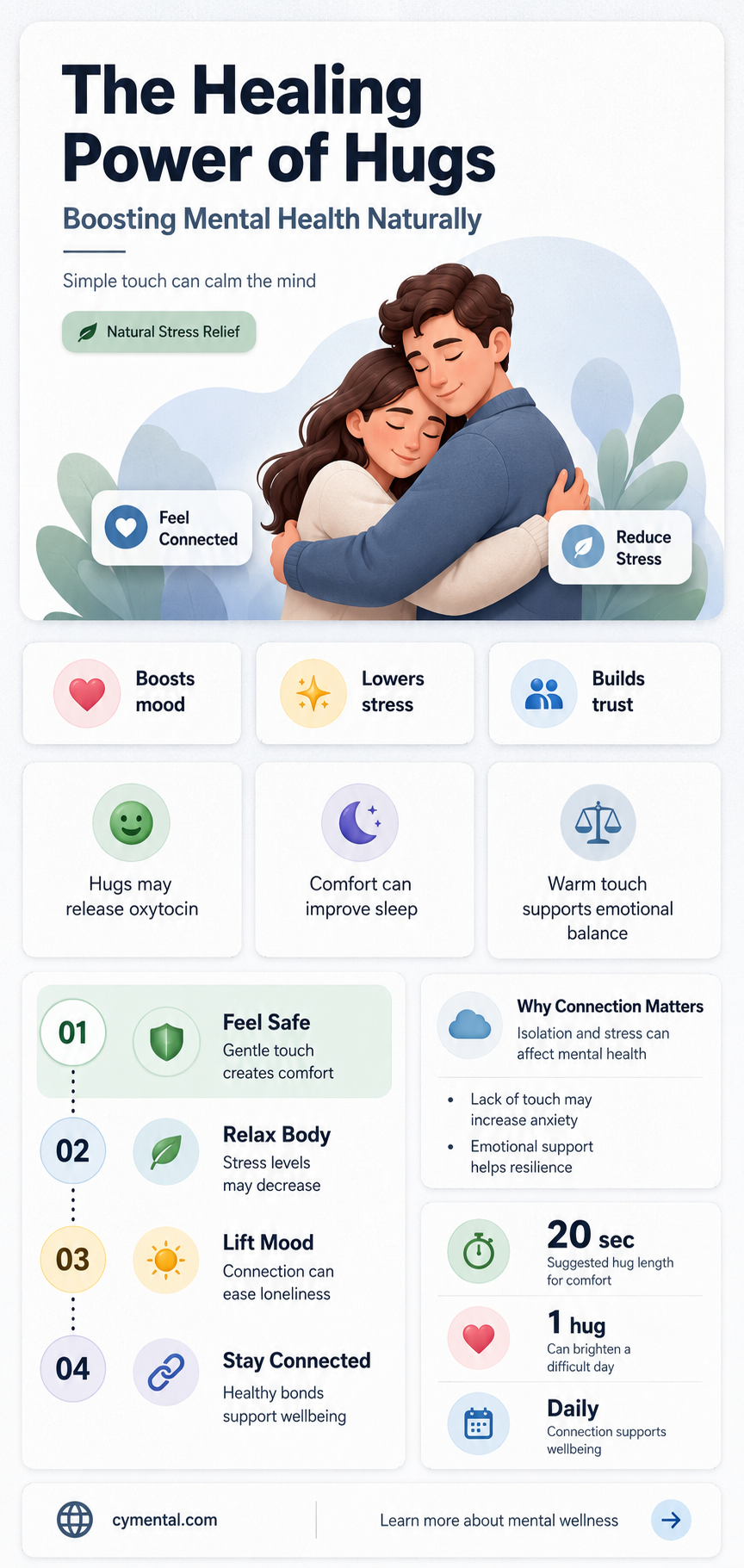
Hugs, as a form of physical touch, have long been recognized as a powerful means of communication and emotional support, and their impact on mental health is a topic of growing interest. Research suggests that hugs can stimulate the release of oxytocin, often referred to as the love hormone, which promotes feelings of trust, bonding, and well-being. Additionally, physical touch can reduce levels of cortisol, the stress hormone, thereby alleviating anxiety and tension. For individuals experiencing loneliness, depression, or stress, hugs can provide a sense of connection and comfort, fostering a feeling of being understood and supported. While not a standalone solution for mental health challenges, incorporating hugs and physical affection into daily interactions may complement other therapeutic strategies, offering a simple yet profound way to nurture emotional resilience and improve overall mental well-being.
| Characteristics | Values |
|---|---|
| Oxytocin Release | Hugs stimulate the release of oxytocin, often called the "love hormone," which reduces stress and promotes feelings of trust and bonding. |
| Stress Reduction | Hugs lower cortisol levels, the stress hormone, leading to reduced anxiety and improved mood. |
| Improved Mood | Physical touch from hugs triggers the release of serotonin and dopamine, neurotransmitters associated with happiness and well-being. |
| Reduced Loneliness | Hugs provide a sense of connection and belonging, combating feelings of isolation and loneliness. |
| Enhanced Social Bonding | Hugs strengthen relationships by fostering emotional intimacy and trust between individuals. |
| Lower Blood Pressure | The calming effect of hugs can lead to a temporary decrease in blood pressure, benefiting cardiovascular health. |
| Boosted Immune System | Reduced stress from hugging may positively impact the immune system, potentially increasing resistance to illness. |
| Pain Relief | Hugs can release endorphins, the body's natural painkillers, providing temporary relief from physical discomfort. |
| Increased Self-Esteem | Physical affection from hugs can reinforce feelings of worthiness and acceptance, boosting self-esteem. |
| Improved Mental Resilience | Regular hugging may contribute to better emotional resilience, helping individuals cope with challenges and adversity. |
| Duration and Frequency | Longer and more frequent hugs tend to have a more significant positive impact on mental health. |
| Cultural and Personal Preferences | The effectiveness of hugs varies based on cultural norms and individual comfort levels with physical touch. |
Explore related products


What You'll Learn
- Physical touch reduces stress hormones, promoting relaxation and emotional well-being
- Hugs release oxytocin, boosting mood and reducing anxiety levels
- Social connection from hugs combats loneliness and depression symptoms
- Nonverbal support through hugs enhances feelings of safety and trust
- Consistent hugging may improve self-esteem and overall mental resilience

Physical touch reduces stress hormones, promoting relaxation and emotional well-being
A warm embrace can be a powerful tool in our quest for mental well-being. Research suggests that physical touch, such as hugging, triggers a cascade of physiological responses that directly impact our stress levels and emotional state. When we engage in a hug, our bodies release oxytocin, often referred to as the 'love hormone,' which plays a pivotal role in social bonding and stress reduction. This simple act of connection can lead to a significant decrease in cortisol, the primary stress hormone, offering a natural and immediate way to find calm.
The science behind this is fascinating. Studies have shown that a 20-second hug can lead to a measurable reduction in blood pressure and heart rate, indicating a shift towards a more relaxed state. This is particularly beneficial for individuals experiencing high-stress levels or anxiety. For instance, a study published in the *Journal of Behavioral Medicine* found that frequent huggers had lower blood pressure and heart rates, suggesting that regular physical affection may contribute to better cardiovascular health and overall stress management.
Incorporating hugs into our daily routines can be a practical strategy for self-care. It is recommended to aim for at least 4-5 hugs per day, each lasting around 6-10 seconds, to experience the full benefits. This practice can be especially valuable for teenagers and young adults, who often face unique social and academic pressures. A supportive hug from a trusted friend or family member can provide a sense of security and reduce feelings of loneliness, which are common contributors to mental health struggles in these age groups.
However, it's essential to consider personal boundaries and consent. Not everyone is comfortable with physical touch, and respecting individual preferences is crucial. For those who may not have access to frequent hugs, alternative forms of physical touch, such as hand-holding or even self-hug exercises, can also stimulate oxytocin release and provide similar stress-relieving effects. These alternatives ensure that the benefits of physical connection are accessible to a wider range of individuals.
In conclusion, the power of a hug extends far beyond a simple gesture of affection. It is a natural remedy for stress, anxiety, and emotional turmoil, offering a quick and effective way to promote relaxation and enhance our overall mental health. By understanding the science behind physical touch, we can embrace this simple yet profound act as a valuable tool in our self-care arsenal.
Swimming to Serenity: How Fish Can Boost Your Mental Health
You may want to see also
Explore related products


$12.23 $14.39



Hugs release oxytocin, boosting mood and reducing anxiety levels
A simple hug can be a powerful tool for enhancing mental well-being, and the science behind it is fascinating. When two people embrace, their bodies release oxytocin, often referred to as the 'love hormone' or 'cuddle chemical.' This neuropeptide plays a crucial role in social bonding and emotional regulation, offering a natural way to improve mood and alleviate anxiety.
The Science of Oxytocin Release:
Oxytocin is produced in the hypothalamus and released into the bloodstream through the pituitary gland. Physical touch, such as hugging, triggers this release, leading to a cascade of positive effects. Studies have shown that oxytocin levels increase significantly after a warm embrace, particularly in women, although men also experience this boost. The duration and intensity of the hug matter; a longer, more affectionate hug can result in higher oxytocin levels, enhancing its therapeutic benefits.
Mood Enhancement and Anxiety Reduction:
The impact of oxytocin on mental health is twofold. Firstly, it acts as a natural mood enhancer. Elevated oxytocin levels are associated with increased feelings of happiness, calmness, and overall well-being. This can be particularly beneficial for individuals experiencing depression or those who struggle with emotional regulation. Secondly, oxytocin has been found to reduce anxiety. It promotes a sense of security and trust, lowering stress responses and calming the mind. For anxiety sufferers, a hug can provide immediate relief, offering a sense of comfort and safety.
Practical Application and Considerations:
Incorporating hugs into daily life can be a simple yet effective strategy for mental health maintenance. Here's a practical guide:
- Frequency: Aim for multiple hugs throughout the day. Research suggests that regular physical contact is key to maintaining optimal oxytocin levels.
- Duration: A 20-second hug is often recommended as a minimum to ensure a substantial oxytocin release.
- Consent and Comfort: Always ensure that both parties are comfortable with the embrace. Respect personal boundaries, especially in professional or new social settings.
- Self-Hugging: For those who may not have access to frequent physical contact, self-hugging or holding a pillow can provide some benefits, although the oxytocin release may be less significant.
A Natural Remedy with Wide-Reaching Benefits:
The power of a hug extends beyond a fleeting moment of comfort. By understanding the science behind oxytocin release, we can appreciate how this simple act can contribute to long-term mental health. It is a natural, cost-free remedy that fosters connection and emotional well-being, making it an invaluable tool in our self-care arsenal. This knowledge encourages a more mindful approach to physical affection, highlighting its potential as a complementary therapy for various mental health challenges.
Comic Books and Cartoons: Unlocking Mental Health Benefits Through Art
You may want to see also
Explore related products


Social connection from hugs combats loneliness and depression symptoms
A simple hug can be a powerful tool in the fight against loneliness and depression, offering a sense of connection that transcends words. Research suggests that physical touch, particularly hugs, stimulates the release of oxytocin, often referred to as the 'love hormone,' which plays a crucial role in social bonding and emotional well-being. This neurochemical response can significantly impact our mental health, providing a natural remedy for feelings of isolation and low mood.
The Science Behind the Hug:
When we embrace someone, our bodies experience a surge in oxytocin, which has been linked to reduced stress, anxiety, and depression. A study published in the *Journal of Psychosomatic Medicine* found that higher levels of oxytocin were associated with lower levels of cortisol, the primary stress hormone. This hormonal interplay highlights the potential of hugs as a natural stress reliever, offering a sense of calm and connection. For individuals struggling with depression, this physical interaction can be a vital step towards improving their mental state.
Practical Application:
Incorporating hugs into daily life can be a simple yet effective strategy for enhancing social connection. Here's a suggested 'hug prescription': Aim for at least 4-5 hugs per day, each lasting around 20 seconds. This duration allows for a meaningful exchange, ensuring the hug goes beyond a brief, superficial gesture. For those who may not have a supportive network nearby, consider joining community groups or social clubs where physical contact is welcomed and encouraged. Cuddling pets can also provide similar benefits, as the act of stroking an animal releases oxytocin, fostering a sense of companionship.
A Comparative Perspective:
Interestingly, the impact of hugs on mental health can be compared to other social activities. While a group workout session or a coffee date with friends may provide a sense of belonging, the physical touch aspect of a hug offers a unique, immediate connection. It is a direct, non-verbal way of communicating support and affection, which can be especially beneficial for individuals who struggle with verbal expression or those from cultures where physical touch is a primary love language.
Cautions and Considerations:
While hugs can be incredibly beneficial, it's essential to respect personal boundaries. Not everyone is comfortable with physical touch, and consent is paramount. For those who prefer alternative forms of connection, consider handshakes, high-fives, or even a friendly pat on the back as variations of physical interaction. Additionally, for individuals with certain mental health conditions, such as severe anxiety or PTSD, physical touch may need to be introduced gradually and with professional guidance to ensure a positive experience.
Incorporating hugs into our social interactions can be a powerful way to foster connection and combat the debilitating effects of loneliness and depression. This simple act of physical affection has the potential to create a supportive network, one hug at a time.
Addressing Youth Mental Health: Strategies for Enhanced Support and Prevention
You may want to see also
Explore related products




Nonverbal support through hugs enhances feelings of safety and trust
A simple hug can communicate what words often cannot—a silent reassurance that says, "You are safe, and you are not alone." This nonverbal gesture bypasses the limitations of language, offering immediate comfort to individuals across age groups, from children to the elderly. Research in *Psychological Science* highlights that physical touch, such as hugging, activates the release of oxytocin, often referred to as the "bonding hormone," which fosters feelings of trust and security. For instance, a study involving adolescents found that those who received regular hugs from caregivers reported lower levels of anxiety and a stronger sense of belonging.
Consider the mechanics of a hug: the pressure applied during an embrace stimulates pressure receptors in the skin, known as *C-tactile afferents*, which transmit signals to the brain’s emotional processing centers. This physiological response can reduce cortisol levels, the stress hormone, by up to 32% in some cases, according to a study published in *PLOS ONE*. For individuals experiencing acute stress or trauma, a 20-second hug can serve as a grounding technique, reorienting them to the present moment and diminishing feelings of threat. However, it’s crucial to respect personal boundaries—always ask for consent before initiating physical contact, especially in professional or unfamiliar settings.
In contrast to verbal reassurance, which can sometimes feel abstract or insincere, hugs provide tangible evidence of support. This is particularly impactful for individuals who struggle with emotional expression or have experienced relational trauma. For example, in therapeutic settings, practitioners often incorporate brief, consensual hugs as part of somatic therapy to rebuild trust and safety. A practical tip for caregivers or partners: aim for a duration of 10–20 seconds, as this length has been shown to maximize emotional benefits without overstepping comfort levels.
The comparative value of hugs becomes evident when examining cultures with high-contact norms versus low-contact ones. In societies where physical affection is common, individuals report higher levels of social trust and lower rates of depression, as noted in a cross-cultural study in *Journal of Personality and Social Psychology*. Conversely, in low-contact cultures, the absence of such gestures can exacerbate feelings of isolation. This underscores the importance of incorporating nonverbal support, like hugs, into daily interactions, particularly for vulnerable populations such as the elderly or those with mental health challenges.
To harness the benefits of hugging effectively, consider these steps: first, ensure the recipient is comfortable with physical contact by asking verbally or observing nonverbal cues. Second, maintain a gentle but firm embrace, avoiding excessive force. Third, pair the hug with a calming presence—deep breathing or a soft tone of voice can amplify its soothing effects. Finally, be mindful of cultural and individual differences; what feels supportive to one person may not to another. By integrating these practices, hugs can become a powerful tool for fostering safety and trust in both personal and professional relationships.
Probiotics and Mental Health: Exploring the Gut-Brain Connection for Wellness
You may want to see also
Explore related products




Consistent hugging may improve self-esteem and overall mental resilience
Hugs, often dismissed as mere gestures of affection, play a pivotal role in bolstering self-esteem and mental resilience. Research indicates that consistent physical touch, particularly hugging, stimulates the release of oxytocin, often referred to as the "love hormone." This neurochemical not only fosters feelings of trust and connection but also reduces cortisol levels, the stress hormone. For individuals grappling with low self-esteem, regular hugs can serve as tangible affirmations of worthiness and acceptance, gradually reshaping their self-perception. A study published in *Psychological Science* found that participants who received frequent hugs reported higher self-esteem and better emotional regulation during stressful periods.
To harness these benefits, consider incorporating a "hug routine" into daily interactions. Aim for at least 4-5 meaningful hugs per day, each lasting 10-20 seconds. This duration allows for the full physiological effects of oxytocin release. For parents, hugging children consistently can lay the foundation for their self-esteem, particularly during formative years (ages 5-12). In adult relationships, a morning and evening hug can strengthen emotional bonds and provide a buffer against daily stressors. However, it’s crucial to respect personal boundaries; ensure hugs are consensual and comfortable for all parties involved.
Comparatively, societies that prioritize physical affection, such as those in Latin America or Southern Europe, often report higher levels of self-esteem and community resilience. In contrast, cultures with less tactile communication, like those in Northern Europe or East Asia, may experience higher rates of loneliness and self-doubt. This cultural disparity underscores the importance of integrating hugging into social norms, particularly in communities where physical touch is less common. Schools, workplaces, and therapy settings can adopt "hug-friendly" policies, provided they are inclusive and optional, to promote mental well-being.
A practical tip for those uncomfortable with physical touch is to start small. Begin with side hugs or brief embraces, gradually increasing duration and frequency as comfort levels rise. Pairing hugs with verbal affirmations, such as "You’re valued" or "I’m here for you," can amplify their emotional impact. For individuals in isolation or lacking a support system, weighted blankets or plush toys can mimic the pressure of a hug, offering temporary relief. While these substitutes are not equivalent to human touch, they can serve as stepping stones toward building resilience.
In conclusion, consistent hugging is a simple yet powerful tool for enhancing self-esteem and mental resilience. By understanding its neurochemical benefits, implementing practical strategies, and respecting cultural and personal boundaries, individuals and communities can unlock its transformative potential. Whether through daily routines, policy changes, or adaptive alternatives, the act of hugging can foster a deeper sense of connection and self-worth in an increasingly disconnected world.
College and Mental Health: A Path to Wellness or Stress?
You may want to see also
Frequently asked questions
Yes, hugs can positively impact mental health by releasing oxytocin, often called the "love hormone," which reduces stress, anxiety, and feelings of loneliness while promoting a sense of connection and well-being.
Research suggests that a hug lasting 20 seconds or more can maximize its mental health benefits by allowing enough time for oxytocin release and emotional connection.
No, while hugs can complement mental health care by providing comfort and reducing stress, they are not a substitute for professional therapy, medication, or other evidence-based treatments.
Hugs are generally beneficial, but individual preferences vary. Some people may feel uncomfortable with physical touch due to personal boundaries, trauma, or cultural differences, so consent and respect are essential.