Caleb Wright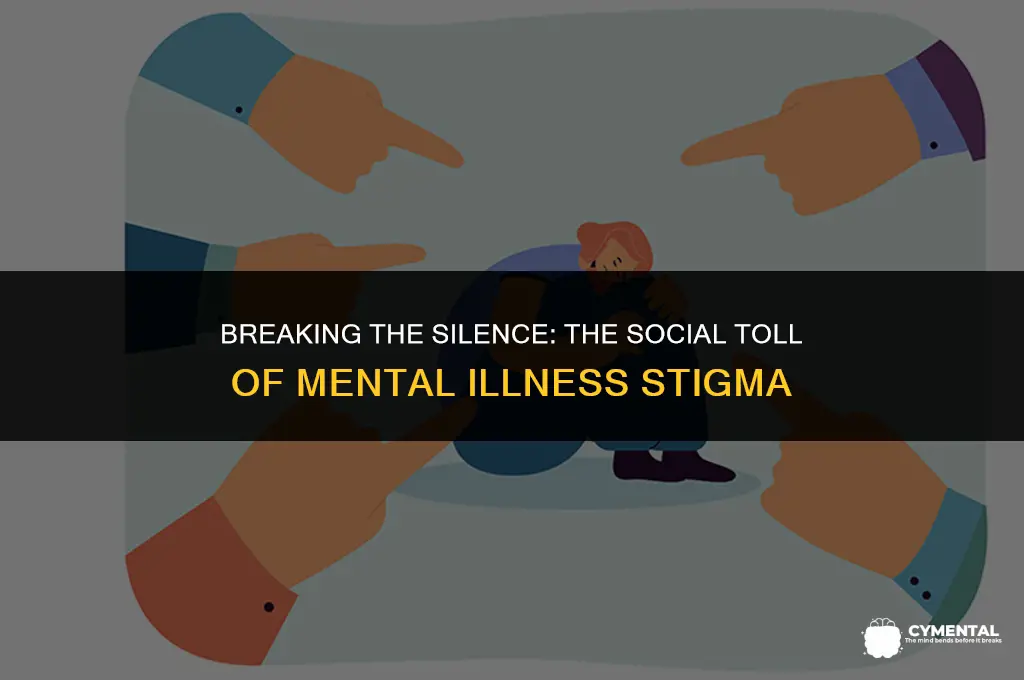
Stigma toward mental illness can have profound social impacts on individuals, often leading to isolation, discrimination, and a lack of support. When people are stigmatized because of their mental health conditions, they may feel ashamed or embarrassed, causing them to withdraw from social interactions and hide their struggles. This can result in a diminished sense of self-worth and belonging, as well as limit their opportunities for meaningful relationships, education, and employment. Moreover, stigma can perpetuate harmful stereotypes and misconceptions about mental illness, making it more challenging for those affected to seek help and access necessary resources. Addressing and reducing stigma is crucial for fostering a more inclusive and supportive society where individuals with mental health conditions can thrive and receive the understanding and care they deserve.
Explore related products


What You'll Learn
- Social isolation: Stigma can lead to exclusion from social circles and activities
- Discrimination: Individuals may face unfair treatment in various aspects of life
- Self-esteem: Negative perceptions can lower self-worth and confidence
- Employment: Stigma may affect job opportunities and workplace relationships
- Family dynamics: Mental illness stigma can strain relationships with family members

Social isolation: Stigma can lead to exclusion from social circles and activities
Social isolation is a profound consequence of stigma toward mental illness, manifesting as exclusion from social circles and activities. This exclusion can be both overt and covert, with individuals experiencing mental health issues often finding themselves marginalized in social settings. For instance, a person with a history of depression may be excluded from social gatherings due to misconceptions about their ability to engage or contribute positively. This isolation can exacerbate mental health conditions, creating a vicious cycle where stigma leads to exclusion, which in turn worsens mental health outcomes.
The impact of social isolation due to stigma is multifaceted. It can lead to a lack of social support, which is crucial for mental well-being. Without a supportive social network, individuals may struggle to cope with their mental health challenges, leading to increased feelings of loneliness and despair. Furthermore, social isolation can limit opportunities for social interaction and skill development, hindering personal growth and the ability to form meaningful relationships.
In addition to these psychological effects, social isolation can also have physical health implications. Research has shown that chronic loneliness can lead to increased stress levels, compromised immune function, and even a higher risk of cardiovascular disease. Therefore, addressing social isolation is not only important for mental health but also for overall well-being.
To combat social isolation resulting from stigma, it is essential to foster inclusive social environments. This can be achieved through education and awareness campaigns that challenge misconceptions about mental illness and promote understanding and empathy. Community-based initiatives, such as support groups and social clubs, can also provide safe spaces for individuals with mental health issues to connect with others and build social skills.
Moreover, policy changes can play a significant role in reducing stigma and promoting social inclusion. Governments and organizations can implement anti-discrimination laws and policies that protect the rights of individuals with mental health issues and ensure equal opportunities for social participation. By creating a more inclusive and supportive society, we can help mitigate the harmful effects of social isolation and improve the lives of those affected by mental illness.
Navigating Jury Duty with Mental Illness: Rights, Responsibilities, and Realities
You may want to see also
Explore related products


$13.99 $16.99

$37.99 $39.99


Discrimination: Individuals may face unfair treatment in various aspects of life
Individuals with mental illness often encounter discrimination in various facets of their lives, which can exacerbate their social isolation and hinder their ability to lead fulfilling lives. This discrimination can manifest in subtle ways, such as being overlooked for promotions at work or being excluded from social gatherings, or in more overt forms, like verbal abuse or physical violence. The stigma surrounding mental illness can lead to a lack of understanding and empathy from others, resulting in unfair treatment and marginalization.
One area where discrimination is particularly prevalent is in the workplace. Despite laws and regulations aimed at protecting individuals with mental illness from discrimination, many employers still harbor biases and misconceptions about mental health conditions. This can result in individuals being denied job opportunities, subjected to harassment, or forced to hide their mental health struggles to avoid repercussions. The fear of discrimination can also prevent individuals from seeking the support and accommodations they need to thrive in their careers.
In addition to the workplace, discrimination against individuals with mental illness can also occur in educational settings, healthcare systems, and within families and communities. Students with mental health conditions may face bullying, exclusion, or inadequate support from school staff, while patients may experience discrimination from healthcare providers who hold stigmatizing views about mental illness. Within families and communities, individuals with mental illness may be ostracized, blamed for their condition, or denied access to resources and opportunities available to others.
To combat discrimination and stigma, it is essential to promote education and awareness about mental illness. This includes challenging misconceptions, providing accurate information about mental health conditions, and highlighting the experiences of individuals who have faced discrimination. By fostering a more inclusive and understanding society, we can work towards ensuring that individuals with mental illness are treated fairly and with respect in all aspects of their lives.
Understanding Self-Admission to Mental Health Facilities: A Guide
You may want to see also
Explore related products


Self-esteem: Negative perceptions can lower self-worth and confidence
Negative perceptions and stigma surrounding mental illness can significantly impact an individual's self-esteem, leading to lowered self-worth and confidence. This can manifest in various ways, such as self-doubt, feelings of inadequacy, and a diminished sense of personal value. When individuals internalize the negative stereotypes and judgments associated with mental illness, they may begin to view themselves through a critical lens, perpetuating a cycle of self-deprecating thoughts and behaviors.
One of the primary ways stigma affects self-esteem is through social exclusion and rejection. When individuals are ostracized or treated differently due to their mental health status, they may feel isolated and unworthy of social connections. This can lead to a withdrawal from social activities and a reluctance to seek support, exacerbating feelings of loneliness and low self-esteem. Furthermore, the fear of being judged or labeled can prevent individuals from openly discussing their struggles, hindering their ability to form meaningful relationships and access necessary resources.
Stigma can also influence an individual's self-perception by reinforcing harmful stereotypes and misconceptions about mental illness. For example, the notion that mental illness is a sign of weakness or a lack of willpower can lead individuals to feel ashamed of their condition and doubt their own abilities. This internalized stigma can be particularly damaging, as it may cause individuals to question their worth and capabilities, ultimately undermining their confidence and self-efficacy.
To combat the negative impact of stigma on self-esteem, it is essential to promote a culture of acceptance and understanding. This can be achieved through education and awareness campaigns that challenge harmful stereotypes and provide accurate information about mental illness. Additionally, fostering open and supportive conversations about mental health can help reduce the fear of judgment and encourage individuals to seek help when needed. By addressing the root causes of stigma and promoting a more compassionate and inclusive society, we can help mitigate the detrimental effects of negative perceptions on self-esteem and empower individuals to embrace their worth and potential.
Compassionate Care: Supporting Loved Ones with Mental Illness
You may want to see also
Explore related products


Employment: Stigma may affect job opportunities and workplace relationships
Individuals with mental illness often face significant challenges in the workplace due to stigma. This stigma can manifest in various ways, such as employers being hesitant to hire someone with a mental health condition or coworkers treating them differently. According to a study by the National Alliance on Mental Illness (NAMI), 60% of employees with mental illness reported experiencing stigma at work. This can lead to social isolation, reduced job opportunities, and even termination.
One of the primary ways stigma affects employment is through the hiring process. Many employers may view mental illness as a liability, fearing that it will impact an individual's ability to perform their job duties. This misconception can result in qualified candidates being overlooked or discriminated against. Furthermore, some employers may illegally ask about an applicant's mental health history during the hiring process, which can further perpetuate stigma and discrimination.
In addition to affecting job opportunities, stigma can also impact workplace relationships. Coworkers may be hesitant to interact with someone who has a mental illness, fearing that they may be unpredictable or unstable. This can lead to social exclusion and a lack of support for individuals who are struggling. Moreover, stigma can create a hostile work environment, where individuals feel uncomfortable discussing their mental health or seeking help.
To combat stigma in the workplace, it is essential to educate employers and employees about mental illness and its impact. This can be done through training programs, workshops, and awareness campaigns. Additionally, implementing policies that protect individuals with mental illness from discrimination and promoting a culture of inclusivity and support can help to reduce stigma and create a more welcoming work environment.
In conclusion, stigma toward mental illness can have a profound impact on an individual's employment opportunities and workplace relationships. By raising awareness, educating employers and employees, and implementing supportive policies, we can work to reduce stigma and create a more inclusive and supportive work environment for all.
Explore related products

$7.99 $16.99


Family dynamics: Mental illness stigma can strain relationships with family members
Mental illness stigma within family dynamics can significantly strain relationships, leading to feelings of isolation and misunderstanding among affected individuals. Family members may struggle to comprehend the nature of mental health conditions, often attributing symptoms to personal weaknesses or character flaws rather than recognizing them as legitimate medical issues. This lack of understanding can result in hurtful comments, dismissive attitudes, and a general sense of invalidation, exacerbating the emotional distress experienced by those with mental illnesses.
One of the primary ways stigma impacts family relationships is through communication breakdowns. Family members may avoid discussing mental health issues openly, fearing judgment or shame. This silence can create a toxic environment where individuals feel unable to express their struggles or seek support. Furthermore, stigma can lead to the marginalization of family members with mental illnesses, as they may be excluded from family events or decision-making processes due to misconceptions about their ability to participate or contribute meaningfully.
The effects of stigma on family dynamics can also extend to the broader social context. Families may be reluctant to seek professional help or disclose their struggles to friends and community members, fearing social ostracism or discrimination. This can limit access to essential resources and support networks, further isolating families and hindering their ability to cope with mental health challenges.
To mitigate the impact of stigma on family relationships, it is crucial to foster open and honest communication. Families can benefit from education about mental health conditions, which can help dispel myths and promote empathy. Seeking support from mental health professionals or joining support groups can also provide families with the tools and resources needed to navigate mental health challenges together. By addressing stigma head-on and cultivating a supportive family environment, individuals with mental illnesses can feel more understood, accepted, and empowered to manage their conditions effectively.
Navigating Mental Fitness Evaluations in Michigan: A Comprehensive Guide
You may want to see also
Frequently asked questions
Stigma toward mental illness can lead to social isolation, discrimination, and a lack of support for individuals affected. It can result in people being treated unfairly or being excluded from social activities, employment opportunities, and educational settings.
Reducing stigma toward mental illness involves increasing awareness and understanding, promoting positive representations in media, and fostering open conversations about mental health. Encouraging empathy, challenging stereotypes, and supporting anti-stigma campaigns can also help.
Individuals can cope with the social impacts of mental illness stigma by seeking support from friends, family, or mental health professionals, joining support groups, practicing self-care, and focusing on their strengths and abilities rather than their illness. Advocating for themselves and educating others about mental health can also empower them to overcome stigma.


![Cases and Materials on Employment Discrimination: [Connected Ebook] (Aspen Casebook Series)](https://m.media-amazon.com/images/I/6148zo5L0zL._AC_UY218_.jpg)