Lucas Bennett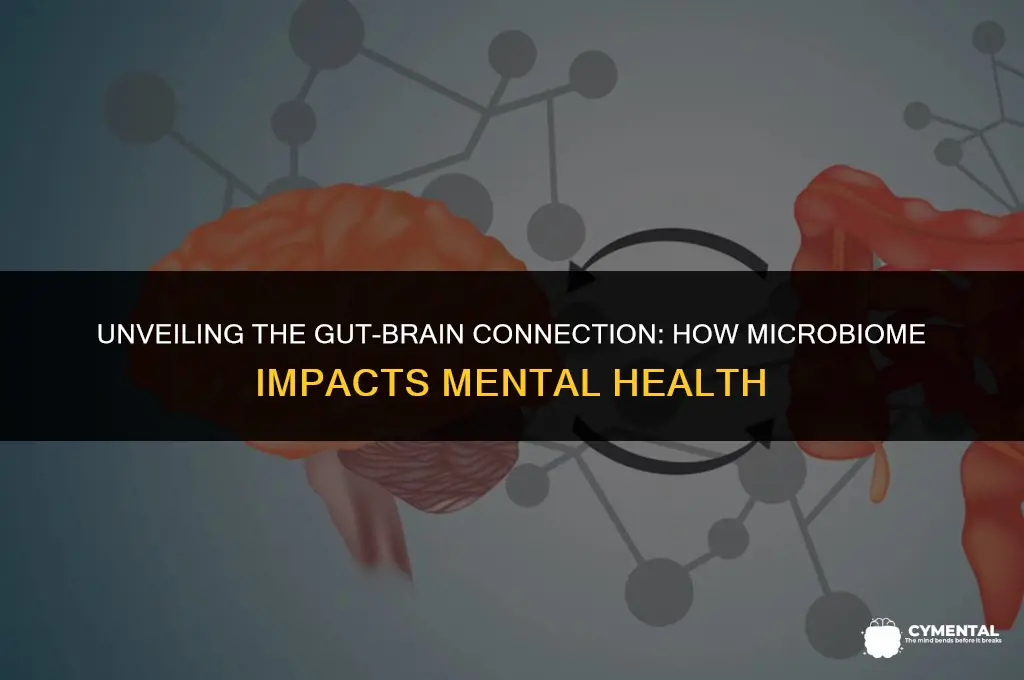
The gut microbiome, a complex ecosystem of microorganisms residing in the digestive tract, plays a crucial role in influencing mental health. Recent research has unveiled a bidirectional communication network between the gut and the brain, known as the gut-brain axis. This connection allows the gut microbiome to produce neurotransmitters and other bioactive compounds that can impact mood, cognition, and behavior. For instance, beneficial bacteria in the gut can produce serotonin, a neurotransmitter involved in regulating mood and emotional responses. Conversely, an imbalance in the gut microbiome, often referred to as dysbiosis, has been linked to various mental health disorders, including depression, anxiety, and even autism spectrum disorder. Understanding the intricate relationship between the gut microbiome and mental health is essential for developing novel therapeutic strategies that target the gut to improve psychological well-being.
| Characteristics | Values |
|---|---|
| Composition | The gut microbiome consists of trillions of microorganisms, including bacteria, viruses, fungi, and protozoa. An imbalance in this composition can impact mental health. |
| Diversity | A diverse gut microbiome is associated with better mental health outcomes. Reduced diversity has been linked to conditions such as depression and anxiety. |
| Functionality | The gut microbiome plays a crucial role in producing neurotransmitters like serotonin and dopamine, which are essential for regulating mood and mental health. |
| Inflammation | An imbalance in the gut microbiome can lead to increased inflammation, which has been implicated in various mental health disorders. |
| Gut-Brain Axis | The gut and brain are connected through the gut-brain axis, allowing for bidirectional communication. This connection influences mental health and cognitive function. |
| Diet | Diet significantly impacts the gut microbiome. Consuming a diet rich in fiber, fruits, and vegetables promotes a healthy gut microbiome, while a diet high in processed foods and sugar can disrupt it. |
| Probiotics | Probiotics, which are live beneficial bacteria, can be used to support a healthy gut microbiome and have been shown to have positive effects on mental health. |
| Prebiotics | Prebiotics are types of fiber that feed beneficial bacteria in the gut. They can help promote a healthy gut microbiome and support mental well-being. |
| Antibiotics | Overuse of antibiotics can disrupt the gut microbiome, potentially leading to negative impacts on mental health. |
| Stress | Chronic stress can negatively affect the gut microbiome, leading to an imbalance that may contribute to mental health issues. |
Explore related products


What You'll Learn
- Gut-Brain Axis Communication: The bidirectional signaling between the gut and brain impacting mental health
- Microbial Influence on Neurotransmitters: How gut bacteria affect the production and regulation of neurotransmitters like serotonin and dopamine
- Inflammation and Mental Health: The role of gut microbiome in reducing inflammation, which is linked to various mental health disorders
- Diet, Microbiome, and Mood: Exploring how dietary choices influence the gut microbiome and subsequently mental health
- Probiotics and Psychobiotics: The potential of beneficial bacteria in the gut to act as psychobiotics, improving mental health outcomes

Gut-Brain Axis Communication: The bidirectional signaling between the gut and brain impacting mental health
The gut-brain axis represents a complex communication network between the gastrointestinal tract and the central nervous system. This bidirectional signaling pathway involves various mechanisms, including neural, hormonal, and immunological signals, which collectively influence both gut function and brain activity. Dysregulation of this axis has been implicated in several mental health disorders, such as anxiety, depression, and even autism spectrum disorder.
One key player in this communication is the vagus nerve, which serves as a major conduit for signals traveling from the gut to the brain. This nerve is responsible for transmitting information about the state of the gut, including the presence of pathogens, nutrients, and other environmental factors, to the brainstem and higher brain centers. In response, the brain can modulate gut function by altering motility, secretion, and immune responses.
Another important aspect of gut-brain communication is the role of the gut microbiome. The trillions of microorganisms residing in the gut produce a wide array of metabolites and signaling molecules that can influence brain function. For example, certain bacterial species can produce neurotransmitters like serotonin and dopamine, which are critical for regulating mood and behavior. Alterations in the gut microbiome composition, often referred to as dysbiosis, have been linked to various mental health conditions.
Furthermore, the gut-brain axis is also influenced by the immune system. The gut is home to a large proportion of the body's immune cells, which can release cytokines and other inflammatory molecules in response to infection or injury. These immune signals can cross the blood-brain barrier and impact brain function, potentially leading to symptoms of depression and anxiety.
Understanding the intricate communication between the gut and brain has significant implications for the treatment of mental health disorders. Emerging therapies, such as probiotics, prebiotics, and fecal microbiota transplantation, aim to modulate the gut microbiome and improve gut-brain axis function. Additionally, lifestyle interventions like dietary changes, exercise, and stress management can also influence this communication pathway and promote better mental health outcomes.
The Impact of Phones on Mental Health in Schools
You may want to see also
Explore related products


Microbial Influence on Neurotransmitters: How gut bacteria affect the production and regulation of neurotransmitters like serotonin and dopamine
The gut microbiome's influence on mental health is a complex and multifaceted topic, with one particularly intriguing aspect being the role of gut bacteria in the production and regulation of neurotransmitters. Neurotransmitters like serotonin and dopamine play crucial roles in mood regulation, motivation, and overall brain function. Recent research has revealed that the gut microbiome can significantly impact the levels and activity of these neurotransmitters, suggesting a potential link between gut health and mental well-being.
One way in which gut bacteria affect neurotransmitter production is through the metabolism of amino acids. For example, certain bacteria in the gut can convert the amino acid tryptophan into serotonin, a neurotransmitter known for its mood-regulating properties. Similarly, other bacteria can influence the production of dopamine, a neurotransmitter involved in reward and motivation. The presence or absence of these bacteria, as well as their relative abundance, can therefore have a direct impact on the levels of these neurotransmitters in the brain.
In addition to influencing neurotransmitter production, gut bacteria can also affect their regulation. For instance, some bacteria produce enzymes that can break down neurotransmitters, leading to decreased levels in the brain. Conversely, other bacteria can inhibit the activity of these enzymes, resulting in increased neurotransmitter levels. This delicate balance of production and regulation can have significant implications for mental health, as disruptions in neurotransmitter levels have been linked to various psychiatric disorders.
The relationship between gut bacteria and neurotransmitters is not only complex but also bidirectional. While gut bacteria can influence neurotransmitter levels, neurotransmitters can also affect the gut microbiome. For example, serotonin can modulate the growth and activity of certain gut bacteria, creating a feedback loop that further complicates the relationship between gut health and mental well-being.
Understanding the microbial influence on neurotransmitters is a rapidly evolving field with significant implications for the treatment and prevention of mental health disorders. By manipulating the gut microbiome through dietary interventions, probiotics, or other means, it may be possible to modulate neurotransmitter levels and improve mental health outcomes. However, further research is needed to fully elucidate the mechanisms underlying this relationship and to develop effective therapeutic strategies.
The Impact of Cyberbullying on Mental Health: A Growing Concern
You may want to see also
Explore related products


Inflammation and Mental Health: The role of gut microbiome in reducing inflammation, which is linked to various mental health disorders
Inflammation plays a significant role in the development and progression of various mental health disorders. Chronic inflammation has been linked to conditions such as depression, anxiety, and even neurodegenerative diseases like Alzheimer's. The gut microbiome, a complex ecosystem of microorganisms residing in the digestive tract, has emerged as a key player in modulating inflammation and, consequently, influencing mental health.
Research has shown that a healthy gut microbiome can reduce inflammation by promoting the production of anti-inflammatory cytokines and inhibiting the release of pro-inflammatory molecules. This balance is crucial for maintaining overall health, including mental well-being. Dysbiosis, an imbalance in the gut microbiome, has been associated with increased inflammation and a higher risk of developing mental health disorders.
One way the gut microbiome affects mental health is through the gut-brain axis, a bidirectional communication system between the gut and the brain. This axis involves various pathways, including the vagus nerve, the immune system, and the production of neurotransmitters and hormones. By modulating inflammation, the gut microbiome can influence the activity of these pathways, ultimately impacting mental health.
Studies have also shown that certain probiotics, beneficial bacteria that can be ingested through food or supplements, can help reduce inflammation and improve mental health outcomes. For example, strains like Lactobacillus and Bifidobacterium have been found to decrease the production of pro-inflammatory cytokines and improve symptoms of depression and anxiety.
In addition to probiotics, prebiotics, which are non-digestible fibers that feed beneficial bacteria, can also play a role in reducing inflammation and promoting mental health. A diet rich in prebiotic fibers, such as those found in fruits, vegetables, and whole grains, can help support a healthy gut microbiome and, in turn, reduce the risk of mental health disorders associated with inflammation.
In conclusion, the gut microbiome has a significant impact on mental health through its role in modulating inflammation. Maintaining a healthy gut microbiome by consuming probiotics and prebiotics can help reduce inflammation and promote mental well-being. Further research is needed to fully understand the complex interactions between the gut microbiome, inflammation, and mental health, but the evidence suggests that supporting gut health is an important strategy for improving overall mental well-being.
The Impact of Cell Phones on Mental Health: A Comprehensive Guide
You may want to see also
Explore related products


Diet, Microbiome, and Mood: Exploring how dietary choices influence the gut microbiome and subsequently mental health
The gut microbiome, a complex ecosystem of microorganisms residing in the digestive tract, plays a pivotal role in mental health. Dietary choices significantly influence the composition and function of this microbiome, thereby affecting mood and cognitive function. A diet rich in fiber, for instance, promotes the growth of beneficial bacteria such as Bifidobacterium and Lactobacillus, which are known to produce neurotransmitters like serotonin and dopamine that regulate mood. Conversely, a diet high in processed foods and sugars can lead to an overgrowth of harmful bacteria, contributing to inflammation and negatively impacting mental health.
Recent studies have shown that the gut-brain axis is a bidirectional communication system, where the gut microbiome sends signals to the brain that can influence emotional states and cognitive processes. For example, research has demonstrated that individuals with depression often have lower levels of certain beneficial bacteria in their gut compared to those without depression. This suggests that manipulating the gut microbiome through dietary changes could be a potential strategy for improving mental health outcomes.
One effective way to support a healthy gut microbiome is through the consumption of fermented foods such as yogurt, kefir, sauerkraut, and kimchi. These foods contain live cultures of beneficial bacteria that can help restore balance to the gut microbiome. Additionally, incorporating a variety of fruits, vegetables, whole grains, and legumes into the diet can provide the necessary nutrients and fiber to support the growth of these beneficial microorganisms.
It is also important to consider the role of prebiotics and probiotics in supporting gut health. Prebiotics are non-digestible fibers that serve as food for beneficial bacteria, while probiotics are live microorganisms that can help restore balance to the gut microbiome. Both can be found in certain foods or taken as supplements, and research suggests that they may have a positive impact on mental health by reducing symptoms of anxiety and depression.
In conclusion, the relationship between diet, the gut microbiome, and mental health is complex and multifaceted. By making informed dietary choices that support a healthy gut microbiome, individuals may be able to positively influence their mood and cognitive function. This highlights the importance of a holistic approach to mental health that considers the interconnectedness of the body's systems.
Understanding Affect: The Emotional Core of Mental Health
You may want to see also
Explore related products

$9.34 $17.99


Probiotics and Psychobiotics: The potential of beneficial bacteria in the gut to act as psychobiotics, improving mental health outcomes
Recent research has unveiled a fascinating connection between the gut microbiome and mental health, with specific strains of beneficial bacteria showing promise as psychobiotics. These psychobiotics are defined as live organisms that, when ingested in adequate amounts, confer a health benefit in patients suffering from psychiatric illness. The concept is rooted in the understanding that the gut-brain axis is a bidirectional communication system, where the gut microbiota can influence brain function and behavior.
One of the most studied psychobiotics is Lactobacillus rhamnosus GG (LGG), which has been shown to reduce symptoms of anxiety and depression in both animal models and human clinical trials. Another notable strain is Bifidobacterium infantis, which has demonstrated the ability to normalize stress-related behaviors in rodents. These beneficial bacteria are thought to exert their effects through various mechanisms, including the modulation of neurotransmitter pathways, reduction of inflammation, and enhancement of the blood-brain barrier.
The potential of psychobiotics extends beyond the treatment of psychiatric disorders. Emerging evidence suggests that these beneficial bacteria may also play a role in improving cognitive function, enhancing mood, and promoting overall well-being. For instance, a study published in the journal Psychopharmacology found that a combination of Lactobacillus helveticus and Bifidobacterium longum improved mood and reduced stress in healthy volunteers.
While the field of psychobiotics is still in its infancy, the early findings are promising and suggest that these beneficial bacteria could offer a novel approach to mental health treatment. However, it is important to note that more research is needed to fully understand the mechanisms of action, optimal dosages, and potential side effects of these psychobiotics. As the evidence continues to mount, it is likely that we will see an increasing interest in the use of probiotics and psychobiotics as adjunctive therapies for mental health disorders.
The Impact of School on Students' Mental Health: A Comprehensive Look
You may want to see also
Frequently asked questions
The gut microbiome refers to the trillions of microorganisms living in your digestive tract. These microorganisms play a crucial role in maintaining your overall health, including your mental health. Research has shown that the gut microbiome can influence mood, cognition, and behavior through the gut-brain axis, a bidirectional communication system between the gut and the brain.
An imbalance in the gut microbiome, also known as dysbiosis, has been linked to various mental health issues such as anxiety, depression, and stress. This imbalance can lead to inflammation, altered neurotransmitter function, and impaired communication between the gut and the brain, all of which can negatively impact mental health.
There are several ways to improve the gut microbiome for better mental health. These include:
- Eating a balanced diet rich in fiber, fruits, and vegetables
- Taking probiotics or prebiotics to support the growth of beneficial bacteria
- Reducing stress through exercise, meditation, or other relaxation techniques
- Getting enough sleep to allow the body to repair and regenerate
- Limiting the use of antibiotics and other medications that can disrupt the gut microbiome