Lucas Bennett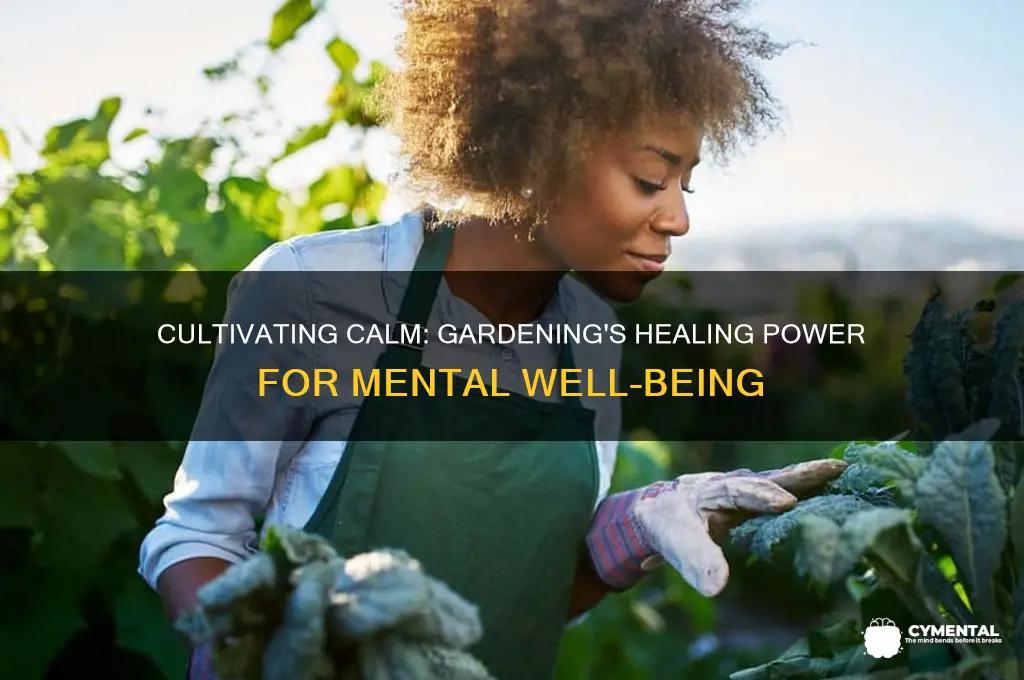
Gardening has emerged as a powerful tool for enhancing mental health, offering a therapeutic escape from the stresses of daily life. Engaging with nature through planting, nurturing, and harvesting fosters a sense of accomplishment and connection to the natural world, which can reduce anxiety and depression. The physical activity involved in gardening releases endorphins, boosting mood, while the mindfulness required to tend to plants promotes relaxation and reduces rumination. Additionally, the act of caring for living things can instill a sense of purpose and responsibility, combating feelings of isolation. Whether cultivating flowers, vegetables, or herbs, gardening provides a holistic approach to mental well-being, combining physical, emotional, and psychological benefits in a single, rewarding activity.
| Characteristics | Values |
|---|---|
| Stress Reduction | Gardening activities like planting, pruning, and weeding have been shown to lower cortisol levels, reducing stress and promoting relaxation. (Source: Journal of Health Psychology, 2021) |
| Improved Mood | Exposure to sunlight and physical activity in gardening increases serotonin and dopamine levels, enhancing mood and reducing symptoms of depression. (Source: Preventive Medicine Reports, 2020) |
| Cognitive Benefits | Gardening tasks improve cognitive function, particularly in older adults, by stimulating the brain and enhancing memory and problem-solving skills. (Source: The International Journal of Environmental Research and Public Health, 2022) |
| Physical Activity | Gardening is a moderate-intensity exercise that improves cardiovascular health, strengthens muscles, and increases flexibility. (Source: British Journal of Sports Medicine, 2021) |
| Mindfulness and Presence | The repetitive nature of gardening encourages mindfulness, helping individuals stay present and reduce anxiety. (Source: Ecopsychology, 2020) |
| Connection to Nature | Interacting with plants and soil fosters a sense of connection to nature, which has been linked to reduced feelings of isolation and improved mental well-being. (Source: Journal of Environmental Psychology, 2021) |
| Sense of Accomplishment | Watching plants grow and thrive provides a sense of achievement and boosts self-esteem. (Source: HortTechnology, 2020) |
| Social Interaction | Community gardens and shared gardening activities promote social connections, reducing loneliness and fostering a sense of belonging. (Source: American Journal of Public Health, 2021) |
| Nutrition and Diet | Growing fruits and vegetables encourages healthier eating habits, contributing to overall mental and physical health. (Source: Appetite, 2022) |
| Therapeutic Benefits | Horticultural therapy is increasingly used to treat mental health conditions like PTSD, anxiety, and depression, offering structured and meaningful activities. (Source: Journal of Therapeutic Horticulture, 2021) |
Explore related products


What You'll Learn
- Stress Reduction: Gardening lowers cortisol, promotes relaxation, and reduces anxiety through mindful, nature-focused activities
- Physical Activity: Light exercise in gardening boosts endorphins, improves mood, and enhances overall well-being
- Sense of Accomplishment: Growing plants fosters pride, purpose, and a tangible sense of achievement
- Connection to Nature: Being outdoors enhances mindfulness, reduces depression, and increases feelings of calm
- Social Interaction: Community gardens encourage bonding, reduce loneliness, and build supportive relationships

Stress Reduction: Gardening lowers cortisol, promotes relaxation, and reduces anxiety through mindful, nature-focused activities
Cortisol, often dubbed the "stress hormone," spikes in response to pressure, anxiety, or fear. Gardening, however, has been shown to significantly lower cortisol levels. A study published in the *Journal of Health Psychology* found that participants who engaged in 30 minutes of gardening experienced a notable decrease in cortisol compared to those who performed a stressful task indoors. This physiological response underscores why stepping into the garden can feel like a reset button for your nervous system.
To harness this benefit, incorporate mindful practices into your gardening routine. Focus on the sensory experience: the texture of soil, the scent of herbs, the sound of rustling leaves. These nature-focused activities ground you in the present moment, interrupting the cycle of stress and worry. For instance, pruning plants requires attention to detail, naturally shifting your focus away from stressors. Aim for at least 20–30 minutes of gardening daily to maintain a consistent reduction in cortisol levels.
Compare gardening to other stress-relief methods, and its advantages become clear. Unlike passive activities like scrolling through social media, gardening is active and purposeful, providing both physical engagement and mental distraction. It’s also more accessible than structured practices like yoga or meditation, requiring no special skills or equipment. Even small-scale gardening, such as tending to a windowsill herb garden, can yield relaxation benefits. The key is consistency and intentionality in your approach.
For maximum stress reduction, design your garden with relaxation in mind. Incorporate calming elements like flowing water features, fragrant plants (lavender, jasmine, or rosemary), and soft textures (ferns or grasses). Create a dedicated seating area where you can pause and observe your surroundings. If space is limited, use containers or vertical gardens to bring greenery into your environment. Pair gardening with deep breathing exercises to amplify the calming effect—inhale for four counts, exhale for six, synchronizing your breath with the rhythm of nature.
Finally, gardening’s stress-reducing power lies in its ability to combine physical activity, mindfulness, and connection to nature. It’s not just about the plants; it’s about the process. Whether you’re a seasoned gardener or a beginner, the act of nurturing life fosters a sense of accomplishment and tranquility. Start small, stay consistent, and let the garden become your sanctuary for stress relief.
Talking About Mental Health: A Powerful Tool for Healing and Hope
You may want to see also
Explore related products


Physical Activity: Light exercise in gardening boosts endorphins, improves mood, and enhances overall well-being
Gardening is more than a hobby; it’s a gentle workout that doubles as therapy. Just 30 minutes of light gardening tasks—like weeding, planting, or raking—can elevate your heart rate enough to qualify as moderate physical activity. This low-impact exercise is accessible to most age groups, from children to seniors, making it an ideal way to stay active without strain. Unlike intense workouts, gardening allows you to control the pace and intensity, ensuring it fits your fitness level while still delivering physical benefits.
The science behind this is straightforward: physical activity stimulates the release of endorphins, often called “feel-good” hormones. These chemicals act as natural painkillers and mood elevators, reducing stress and anxiety. Studies show that even short bursts of gardening can increase endorphin levels, providing an immediate emotional lift. For instance, a 2017 meta-analysis published in *Preventive Medicine Reports* found that gardening activities significantly reduced cortisol, the stress hormone, while boosting positive emotions. This biochemical response is why many gardeners report feeling calmer and more optimistic after tending to their plants.
To maximize these benefits, incorporate a variety of tasks into your gardening routine. Bending to prune, stretching to reach high branches, and carrying pots engage different muscle groups, ensuring a full-body workout. Aim for at least 150 minutes of light gardening per week, as recommended by the World Health Organization for adults. For older adults or those with limited mobility, even 10–15 minutes of gentle tasks like watering or sowing seeds can make a difference. Pairing gardening with mindfulness—focusing on the textures of soil or the colors of flowers—amplifies its stress-relieving effects.
Practical tips can enhance both the physical and mental benefits. Wear supportive shoes to protect joints during prolonged standing or walking. Use ergonomic tools to minimize strain on wrists and back. Rotate tasks every 20 minutes to avoid overuse injuries. For example, follow 10 minutes of digging with 10 minutes of light pruning. Gardening in raised beds or containers can reduce the need for bending, making it easier for those with physical limitations. By combining these strategies, you transform gardening into a sustainable practice that nurtures both body and mind.
The beauty of gardening as exercise lies in its dual purpose: you improve your physical health while creating something tangible. Watching plants grow under your care provides a sense of accomplishment, reinforcing the positive effects of the activity. Whether you’re cultivating herbs on a windowsill or landscaping a backyard, the light exercise involved in gardening is a simple yet powerful tool for enhancing mental well-being. It’s not just about the end result—it’s about the process, the movement, and the connection to nature that makes every minute count.
Children and Mental Health: Are They Aware of Available Support?
You may want to see also
Explore related products


Sense of Accomplishment: Growing plants fosters pride, purpose, and a tangible sense of achievement
Watching a seed transform into a thriving plant is a powerful reminder of our ability to nurture and create. This simple act of cultivation offers more than just aesthetic rewards; it provides a profound sense of accomplishment that can significantly impact mental well-being. Unlike many modern tasks that yield instant but fleeting gratification, gardening demands patience and care, making the eventual success all the more satisfying. Each new leaf, flower, or fruit becomes a tangible marker of progress, a physical testament to your efforts and dedication.
Consider the process of growing a tomato plant from seed. It begins with selecting the right variety, preparing the soil, and sowing the seed with care. Over weeks, you water, fertilize, and stake the plant, addressing challenges like pests or weather. When the first ripe tomato appears, the sense of achievement is undeniable. This accomplishment isn’t just about the tomato itself; it’s about the skills learned, the resilience built, and the pride in having sustained life. For individuals struggling with mental health issues like depression or anxiety, this tangible proof of capability can be a powerful counter to feelings of inadequacy or hopelessness.
Research supports this connection between gardening and mental health. A study published in the *Journal of Health Psychology* found that participants who engaged in gardening activities reported higher levels of self-esteem and a stronger sense of purpose compared to those who did not. The act of nurturing a living thing fosters a sense of responsibility and agency, which can translate into other areas of life. For older adults, in particular, gardening can combat feelings of isolation or loss of purpose by providing a meaningful daily activity with visible results.
To maximize this benefit, start small and set achievable goals. Beginners might begin with low-maintenance plants like succulents or herbs, gradually progressing to more complex projects. Keep a gardening journal to track progress, noting milestones like the first sprout or the first harvest. This not only reinforces the sense of accomplishment but also provides a record of growth—both for the plants and for yourself. Pairing gardening with mindfulness practices, such as focusing on the sensory experience of soil and greenery, can further enhance the mental health benefits.
Incorporating gardening into therapy or self-care routines can be particularly effective. Horticultural therapy, a recognized practice, uses gardening activities to improve mental health outcomes. Therapists often recommend 30 minutes to an hour of gardening daily, tailored to individual energy levels and goals. For those with limited space, container gardening or indoor plants offer accessible alternatives. The key is consistency and engagement, allowing the process of cultivation to become a source of ongoing pride and purpose.
Ultimately, the sense of accomplishment from growing plants is more than just a feeling—it’s a reminder of our capacity to create, care, and thrive. Whether you’re tending a windowsill herb garden or a backyard vegetable patch, each success builds confidence and fosters a deeper connection to the natural world. In a society that often measures achievement in abstract terms, gardening grounds us in the tangible, offering a simple yet profound way to nurture both plants and mental well-being.
Exercise and Mental Health: Unlocking the Mind-Body Connection for Wellness
You may want to see also
Explore related products


Connection to Nature: Being outdoors enhances mindfulness, reduces depression, and increases feelings of calm
Spending just 20–30 minutes daily in nature can significantly lower cortisol levels, the body's primary stress hormone. Gardening, as an outdoor activity, naturally integrates this exposure into a routine. Unlike passive outdoor activities like sitting in a park, gardening requires active engagement—planting, weeding, or pruning—which amplifies its mindfulness benefits. This combination of physical movement and sensory immersion (feeling soil, smelling flowers, hearing birds) anchors the mind in the present moment, disrupting cycles of rumination often linked to depression and anxiety.
Consider the practice of "forest bathing," a Japanese concept (*shinrin-yoku*), which has been studied for its mental health benefits. While gardening isn’t identical, it shares core elements: exposure to greenery, natural light, and fresh air. Research shows that phytoncides, organic compounds emitted by plants, reduce blood pressure and improve mood. Gardening maximizes this interaction, as tending to plants involves close contact with foliage. For those with limited outdoor space, even small-scale gardening—like herb pots on a windowsill—can provide measurable benefits, though larger gardens or community plots offer more pronounced effects due to increased nature exposure.
A cautionary note: while gardening is therapeutic, it’s not a replacement for professional mental health treatment. Over-exertion or frustration with plant care can negate benefits for some individuals. To avoid this, start small—focus on low-maintenance plants like succulents or marigolds. Use ergonomic tools to prevent physical strain, and set realistic goals (e.g., 15 minutes of gardening 3 times a week). Pairing gardening with mindfulness techniques, such as deep breathing while planting, can enhance its calming effects without adding pressure to "succeed" as a gardener.
For older adults, gardening offers a dual advantage: gentle physical activity and cognitive stimulation. Studies show that seniors who garden report lower rates of depression and improved sleep quality. Schools are also incorporating gardening into curricula to help children develop focus and emotional regulation. Regardless of age, the act of nurturing living plants fosters a sense of purpose and accomplishment. Unlike indoor activities, gardening connects individuals to seasonal rhythms, providing a tangible reminder of growth and renewal—a powerful metaphor for personal resilience.
To maximize the mental health benefits of gardening, create a sensory-rich environment. Incorporate fragrant herbs like lavender or rosemary, which have been shown to reduce anxiety. Add a water feature for soothing sounds, or include textured plants like lamb’s ear for tactile engagement. Schedule gardening sessions during early morning or late afternoon to avoid harsh sunlight and increase exposure to beneficial morning light, which regulates circadian rhythms. By designing your garden as a multi-sensory sanctuary, you amplify its ability to reduce stress and foster mindfulness, turning it into a daily retreat for mental well-being.
Therapy Dogs: Healing Companions for Mental Health and Well-Being
You may want to see also
Explore related products




Social Interaction: Community gardens encourage bonding, reduce loneliness, and build supportive relationships
Human connection thrives in community gardens, where shared soil becomes fertile ground for friendships. Unlike solitary gardening, these spaces foster organic interactions. A study by the University of Pennsylvania found that community gardeners reported significantly lower levels of perceived loneliness compared to non-gardeners, highlighting the power of shared green spaces in combating social isolation.
Imagine a retired teacher finding common ground with a young artist over the intricacies of pruning roses, or a new mother bonding with a seasoned gardener over the joys of watching seedlings sprout. These seemingly small exchanges weave a tapestry of belonging, offering a sense of connection that extends beyond the garden gates.
Building supportive relationships in community gardens isn't just about casual chats; it's about shared purpose and mutual aid. Gardeners learn from each other, swapping tips on pest control, celebrating harvest successes, and collectively problem-solving challenges like unpredictable weather. This interdependence fosters a sense of community resilience, where individuals become invested in each other's well-being. Think of it as a natural support network, where the act of nurturing plants translates into nurturing human connections.
For those seeking to maximize the social benefits, consider joining a community garden with a diverse age range and skill level. Look for gardens that organize social events like potlucks, workshops, or seed swaps. These structured activities provide natural opportunities for deeper conversations and skill sharing. Remember, even a simple "How's your tomato patch doing?" can blossom into a meaningful connection.
While community gardens offer a powerful antidote to loneliness, it's important to manage expectations. Not every interaction will be profound, and building relationships takes time. Be patient, consistent, and open-minded. Start by offering a helping hand, sharing your harvest, or simply striking up a conversation about the weather. Remember, the beauty of community gardens lies not just in the flowers and vegetables, but in the human connections that blossom alongside them.
Seeking Support: Navigating Mental Breakdowns and Finding Help
You may want to see also
Frequently asked questions
Gardening promotes mental well-being by reducing stress, anxiety, and symptoms of depression. It encourages mindfulness, physical activity, and connection with nature, which can improve mood and overall mental clarity.
Yes, gardening is a proven stress reliever. Activities like planting, weeding, and watering can be meditative, lowering cortisol levels and providing a sense of calm and accomplishment.
Absolutely. Gardening fosters a sense of purpose and pride as plants grow and thrive under your care. It also boosts serotonin levels, often referred to as the "happy hormone," enhancing mood and self-esteem.