Noah Parker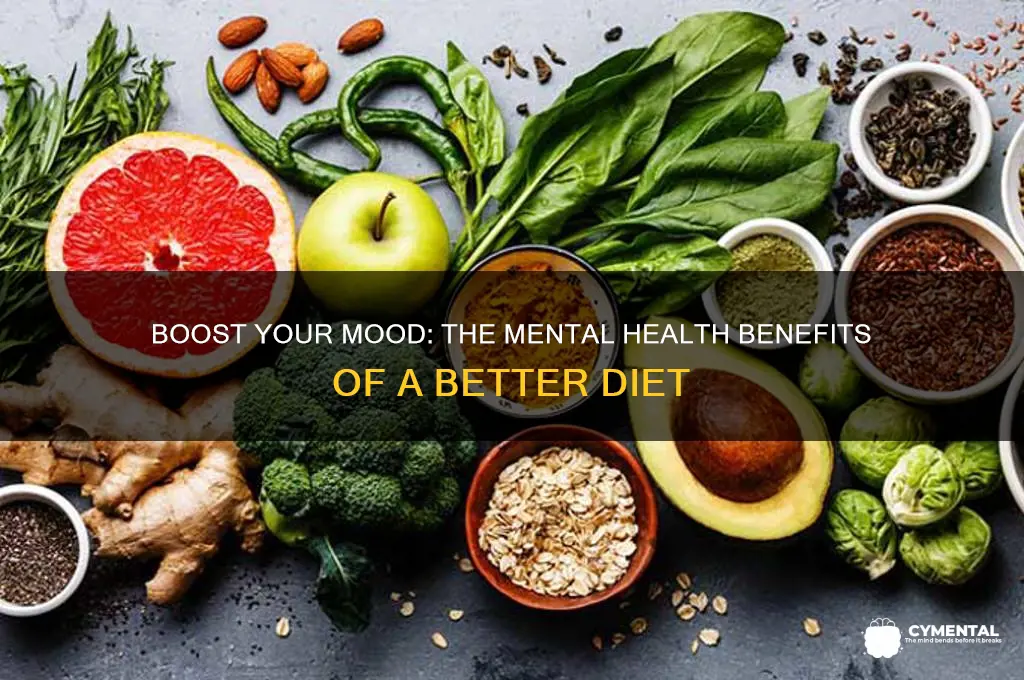
Improving your diet can significantly impact your mental health by providing essential nutrients that support brain function and emotional well-being. A balanced diet rich in fruits, vegetables, whole grains, lean proteins, and healthy fats supplies vitamins, minerals, and antioxidants that reduce inflammation and oxidative stress, both of which are linked to depression and anxiety. Additionally, foods high in omega-3 fatty acids, such as fatty fish, nuts, and seeds, have been shown to enhance mood and cognitive function. By stabilizing blood sugar levels and promoting a healthy gut microbiome, a nutritious diet can also reduce symptoms of stress, improve sleep quality, and foster a more positive mental state, highlighting the profound connection between what we eat and how we feel.
Explore related products


What You'll Learn
- Nutrient Impact on Mood: Essential nutrients like omega-3s and vitamins directly influence brain function and emotional stability
- Gut-Brain Connection: A healthy gut microbiome supports serotonin production, enhancing mood and reducing anxiety
- Stable Blood Sugar: Balanced meals prevent mood swings by maintaining consistent energy levels throughout the day
- Reduced Inflammation: Anti-inflammatory foods lower brain inflammation, decreasing symptoms of depression and stress
- Hydration and Focus: Proper hydration improves cognitive function, reducing fatigue and enhancing mental clarity

Nutrient Impact on Mood: Essential nutrients like omega-3s and vitamins directly influence brain function and emotional stability
The food we eat doesn't just fuel our bodies; it feeds our brains. Essential nutrients act as building blocks for neurotransmitters, the chemical messengers that regulate mood, focus, and overall mental well-being. Omega-3 fatty acids, for instance, are crucial for brain structure and function. Studies suggest a link between omega-3 deficiency and increased risk of depression and anxiety. Aim for at least 250-500 mg of combined EPA and DHA (types of omega-3s) daily, found in fatty fish like salmon, sardines, and mackerel, or through supplements.
For those who don't eat fish, algae-based supplements offer a vegan-friendly alternative.
Consider the B-vitamin complex, a team of nutrients working together to support brain health. Vitamin B6, B9 (folate), and B12 are particularly important for synthesizing neurotransmitters like serotonin and dopamine, often referred to as the "feel-good" chemicals. Deficiencies in these vitamins have been linked to depression, fatigue, and cognitive decline. Include leafy greens, whole grains, legumes, and lean protein sources like poultry and eggs in your diet to ensure adequate intake. If you suspect a deficiency, consult a healthcare professional for personalized advice and potential supplementation.
Remember, while supplements can be helpful, they shouldn't replace a balanced diet rich in whole foods.
The gut-brain axis highlights the intricate connection between our digestive system and mental health. A healthy gut microbiome, nurtured by fiber-rich foods like fruits, vegetables, and whole grains, promotes the production of neurotransmitters and reduces inflammation, both of which positively impact mood. Probiotic-rich foods like yogurt, kefir, and fermented vegetables can further support gut health. Think of your diet as a powerful tool for cultivating a happy gut and a happy mind.
While specific nutrients play a starring role, it's crucial to remember that a healthy diet is a symphony, not a solo performance. Aim for variety, moderation, and mindful eating. Listen to your body's hunger cues, savor your food, and prioritize whole, unprocessed options. By nourishing your body with the right nutrients, you're investing in your mental well-being, one delicious bite at a time.
Empowering Strategies to Navigate and Overcome Mental Health Challenges
You may want to see also
Explore related products


Gut-Brain Connection: A healthy gut microbiome supports serotonin production, enhancing mood and reducing anxiety
The gut-brain connection is a fascinating interplay where the health of your digestive system directly influences your mental well-being. At the heart of this relationship lies the gut microbiome, a complex community of trillions of microorganisms residing in your intestines. These microbes are not just passive inhabitants; they actively communicate with your brain through the vagus nerve and various biochemical pathways. One of the most critical roles they play is in the production of serotonin, a neurotransmitter often referred to as the "feel-good" hormone. Remarkably, about 90% of the body’s serotonin is produced in the gut, highlighting its significance in regulating mood, anxiety, and even cognitive function.
To harness this connection, consider incorporating prebiotic and probiotic-rich foods into your diet. Prebiotics, such as garlic, onions, and bananas, act as food for beneficial gut bacteria, encouraging their growth. Probiotics, found in fermented foods like yogurt, kefir, sauerkraut, and kimchi, introduce live beneficial bacteria into the gut. For instance, a study published in *Psychopharmacology* found that participants who consumed probiotic-rich yogurt daily for four weeks showed reduced activity in brain areas associated with anxiety and emotional processing. Aim for at least one serving of fermented foods daily and include prebiotic sources in your meals regularly. If dietary changes feel overwhelming, start small—swap your morning snack for a handful of almonds (a prebiotic) or add a spoonful of kimchi to your lunch.
While diet plays a pivotal role, it’s essential to approach this connection holistically. Stress, lack of sleep, and certain medications can disrupt the gut microbiome, undermining its ability to support serotonin production. For example, chronic stress increases gut permeability, allowing harmful substances to enter the bloodstream and trigger inflammation, which negatively impacts mental health. To mitigate this, combine dietary changes with stress-reduction techniques like mindfulness meditation or deep-breathing exercises. Even 10 minutes of mindful breathing daily can help restore balance to both your gut and brain.
A cautionary note: not all probiotics are created equal. Over-the-counter supplements often lack the diversity and potency of naturally fermented foods. If you opt for supplements, choose strains like *Lactobacillus* and *Bifidobacterium*, which have been studied for their mental health benefits. Consult a healthcare provider to determine the appropriate dosage, typically ranging from 1 to 10 billion CFUs (colony-forming units) daily. Remember, improving your gut health is a gradual process—consistency is key, and results may take weeks to manifest.
Incorporating these practices isn’t just about alleviating symptoms; it’s about fostering a resilient mind-body system. By nurturing your gut microbiome, you’re not only enhancing serotonin production but also reducing systemic inflammation and improving overall brain function. This approach offers a natural, sustainable way to support mental health, complementing other therapies like medication or counseling. Start today by making one gut-friendly choice—whether it’s adding a probiotic-rich food to your diet or carving out time for stress relief. Your gut and brain will thank you.
Marijuana's Potential: Easing Mental Health Struggles and Improving Lives
You may want to see also
Explore related products


Stable Blood Sugar: Balanced meals prevent mood swings by maintaining consistent energy levels throughout the day
Fluctuating blood sugar levels can turn your day into an emotional rollercoaster. One moment you're focused and energized, the next you're irritable and foggy-headed. This isn't just about feeling "hangry" – it's about the profound impact blood sugar swings have on your brain chemistry.
Consider this: when you consume a meal high in refined carbohydrates or sugar, your blood glucose spikes rapidly. Your pancreas responds by releasing a surge of insulin to bring it back down. This sharp rise and fall mimics the pattern of a mood disorder, leaving you feeling anxious, depressed, or simply "off." Conversely, stable blood sugar levels provide a steady stream of glucose to your brain, its primary fuel source. This consistency translates to emotional stability, improved concentration, and a sense of calm focus.
Think of it as keeping your brain's engine running smoothly – no sputtering, no stalls, just consistent performance.
Achieving this stability isn't about restrictive diets or eliminating entire food groups. It's about mindful choices and strategic combinations. Aim for meals that include:
- Complex Carbohydrates: Opt for whole grains like brown rice, quinoa, and oats. These release glucose slowly, preventing spikes and crashes.
- Protein: Include lean protein sources like fish, poultry, beans, and lentils. Protein slows carbohydrate absorption, further stabilizing blood sugar.
- Healthy Fats: Avocados, nuts, seeds, and olive oil provide sustained energy and promote satiety, preventing cravings and impulsive snacking.
- Fiber: Found in fruits, vegetables, and whole grains, fiber slows digestion and helps regulate blood sugar levels.
Imagine starting your day with oatmeal topped with berries and nuts instead of a sugary pastry. The oatmeal provides complex carbs, the berries add fiber and antioxidants, and the nuts contribute healthy fats and protein. This combination keeps you energized and focused for hours, avoiding the mid-morning slump and its accompanying irritability.
Similarly, swapping a sugary soda for sparkling water with a splash of fruit juice provides hydration without the blood sugar spike.
Remember, consistency is key. Aim for balanced meals and snacks throughout the day, avoiding long periods of fasting or overeating. Listen to your body's hunger cues and choose foods that nourish both your body and mind. By prioritizing stable blood sugar, you're not just fueling your body; you're investing in your emotional well-being.
Empowering Lives: The Impact of Mental Health Resources on Well-being
You may want to see also
Explore related products




Reduced Inflammation: Anti-inflammatory foods lower brain inflammation, decreasing symptoms of depression and stress
Chronic inflammation in the brain, often linked to poor dietary choices, has been increasingly recognized as a contributing factor to mental health disorders such as depression and anxiety. The standard Western diet, high in processed foods, sugars, and unhealthy fats, promotes systemic inflammation that doesn’t spare the brain. This neuroinflammation disrupts neurotransmitter function, impairs neural communication, and fosters an environment conducive to mental health challenges. Conversely, adopting an anti-inflammatory diet rich in whole foods can mitigate these effects, offering a tangible way to support mental well-being through nutrition.
To harness the benefits of reduced inflammation, focus on incorporating foods known for their anti-inflammatory properties. Fatty fish like salmon, mackerel, and sardines are rich in omega-3 fatty acids, which actively combat inflammation in the brain. Aim for at least two servings per week, or consider a high-quality fish oil supplement providing 1,000–2,000 mg of combined EPA and DHA daily. Additionally, leafy greens such as spinach and kale, colorful vegetables like bell peppers and berries, and spices like turmeric and ginger contain antioxidants and compounds that suppress inflammatory pathways. For example, curcumin, the active ingredient in turmeric, has been shown to reduce markers of inflammation when consumed in doses of 500–2,000 mg daily, often in supplement form for potency.
While adding anti-inflammatory foods is crucial, equally important is minimizing pro-inflammatory culprits. Refined carbohydrates, sugary beverages, and trans fats found in fried and processed foods are primary offenders. These items spike blood sugar levels and trigger the release of inflammatory cytokines, exacerbating brain inflammation. A practical strategy is to replace these with complex carbohydrates like quinoa, whole grains, and legumes, which provide steady energy without the inflammatory response. For instance, swapping a sugary snack for a handful of walnuts or almonds not only reduces inflammation but also provides essential nutrients like magnesium and vitamin E.
The connection between diet and mental health isn’t instantaneous; consistency is key. Adopting an anti-inflammatory diet requires patience, as it may take weeks or months to notice significant improvements in mood and stress levels. Start small by incorporating one or two anti-inflammatory foods daily, gradually building a sustainable routine. Keep a food journal to track changes in symptoms, which can provide motivation and insight into which foods work best for you. For those with severe symptoms or dietary restrictions, consulting a nutritionist or healthcare provider can ensure a tailored approach that maximizes benefits without overwhelming lifestyle changes.
Ultimately, viewing food as a tool for mental health empowers individuals to take proactive steps toward well-being. By prioritizing anti-inflammatory choices, you not only nourish your body but also create a foundation for a calmer, more resilient mind. This approach doesn’t replace therapy or medication but complements them, offering a holistic strategy to combat the inflammatory roots of mental health struggles. Small, mindful changes in diet can yield profound, lasting improvements in both physical and emotional health.
Government's Role in Mental Health: Progress, Challenges, and Future Steps
You may want to see also
Explore related products


Hydration and Focus: Proper hydration improves cognitive function, reducing fatigue and enhancing mental clarity
The human brain is approximately 75% water, a fact that underscores the critical role hydration plays in cognitive function. Even mild dehydration, defined as a 1-2% loss of body weight, can impair attention, memory, and mood. Studies show that dehydration levels as low as 1% can lead to a 5% decrease in cognitive performance, equivalent to the effects of a night of poor sleep. This highlights the immediate and tangible impact of hydration on mental clarity and focus.
To maintain optimal cognitive function, adults should aim to consume at least 8 cups (64 ounces) of water daily, though individual needs vary based on factors like activity level, climate, and age. For instance, older adults may need reminders to drink water, as their sense of thirst diminishes with age. A practical tip is to carry a reusable water bottle and set hourly reminders to take sips, ensuring consistent hydration throughout the day. Additionally, incorporating water-rich foods like cucumbers, watermelon, and oranges into your diet can supplement fluid intake.
Comparing hydrated and dehydrated states reveals stark differences in mental performance. In a study published in the *Journal of Nutrition*, participants who were dehydrated experienced increased feelings of anxiety and fatigue, along with reduced short-term memory and arithmetic efficiency. Conversely, those who maintained proper hydration reported higher energy levels and improved focus. This comparison emphasizes that hydration is not just about quenching thirst but about sustaining mental sharpness and emotional stability.
For those seeking to enhance focus, a strategic hydration plan can be a game-changer. Start by drinking a glass of water first thing in the morning to replenish fluids lost overnight. During work or study sessions, alternate between water and herbal tea to stay hydrated without caffeine-induced jitters. Athletes or individuals in hot climates should consider electrolyte-rich drinks to replace minerals lost through sweat. By prioritizing hydration, you create a foundation for sustained cognitive performance, reducing mental fatigue and enhancing clarity in daily tasks.
Community Living: Boosting Mental Health Through Connection and Support
You may want to see also
Frequently asked questions
A balanced diet rich in nutrients like omega-3 fatty acids, vitamins, and minerals supports brain function and neurotransmitter production, which can stabilize mood and reduce symptoms of depression and anxiety.
Yes, foods high in magnesium, vitamin C, and complex carbohydrates can help regulate stress hormones like cortisol, promoting a calmer and more relaxed state of mind.
The gut-brain axis links gut health to mental health. A diet high in fiber, probiotics, and prebiotics supports a healthy gut microbiome, which can reduce inflammation and improve mental clarity and mood.
Yes, foods like fatty fish, nuts, seeds, and leafy greens provide essential nutrients like DHA, antioxidants, and vitamins that enhance brain function, memory, and concentration.
Cutting down on sugar and processed foods stabilizes blood sugar levels, reducing mood swings and irritability. It also lowers inflammation, which is linked to depression and anxiety.


![[Uma Naidoo MD]-[This is Your Brain on Food]-[Hardcover]](https://m.media-amazon.com/images/I/315OP9P1NWL._AC_UL320_.jpg)