Harper Lewis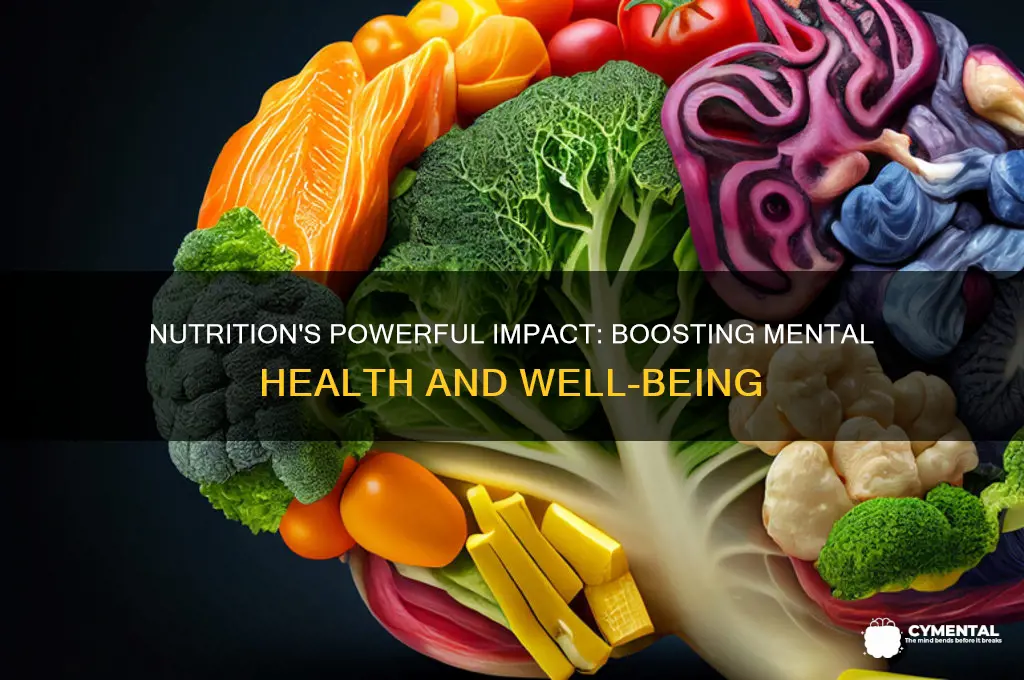
Nutrition plays a pivotal role in supporting mental health by influencing brain function, mood regulation, and overall well-being. A balanced diet rich in essential nutrients, such as omega-3 fatty acids, vitamins (B, D, and E), minerals (magnesium, zinc), and antioxidants, can enhance neurotransmitter production, reduce inflammation, and protect against oxidative stress, all of which are critical for mental stability. For instance, deficiencies in these nutrients have been linked to increased risks of depression, anxiety, and cognitive decline. Conversely, diets high in processed foods, sugar, and unhealthy fats can exacerbate mental health issues by promoting inflammation and disrupting gut-brain communication. By prioritizing nutrient-dense foods, individuals can foster a healthier brain and improve resilience against mental health challenges, highlighting the profound connection between what we eat and how we feel.
Explore related products



What You'll Learn
- Omega-3s and Brain Function: Essential fatty acids reduce inflammation, support neuron health, and improve mood and cognition
- Gut-Brain Axis: Healthy gut microbiome influences neurotransmitters, reducing anxiety, depression, and stress levels
- Vitamins for Mood: B vitamins, D, and magnesium regulate serotonin, dopamine, and overall mental well-being
- Blood Sugar Stability: Balanced meals prevent mood swings, irritability, and cognitive fog caused by glucose spikes
- Antioxidants and Stress: Foods rich in antioxidants combat oxidative stress, protecting brain cells and mental health

Omega-3s and Brain Function: Essential fatty acids reduce inflammation, support neuron health, and improve mood and cognition
Omega-3 fatty acids, particularly EPA (eicosapentaenoic acid) and DHA (docosahexaenoic acid), are foundational for brain health, yet the average diet often falls short of optimal intake. These essential fats, primarily found in fatty fish like salmon, mackerel, and sardines, play a critical role in maintaining the fluidity of cell membranes, which is vital for neuron communication. For those who don’t consume fish regularly, supplements like fish oil or algae-based omega-3s can bridge the gap. Adults should aim for at least 250–500 mg of combined EPA and DHA daily, though higher doses (up to 2,000 mg) may be beneficial for specific mental health conditions, such as depression or ADHD, under professional guidance.
The anti-inflammatory properties of omega-3s are particularly significant for mental health, as chronic inflammation is linked to conditions like anxiety, depression, and cognitive decline. Studies show that omega-3 supplementation can reduce pro-inflammatory markers in the brain, creating a more stable environment for neurotransmitter function. For instance, DHA constitutes approximately 30% of the fatty acids in the cerebral cortex, the brain region responsible for memory, attention, and problem-solving. Without adequate omega-3s, this region’s performance can suffer, leading to foggy thinking or mood instability. Incorporating flaxseeds, walnuts, or chia seeds can provide ALA (alpha-linolenic acid), a plant-based omega-3, though its conversion to EPA and DHA in the body is limited.
Practical tips for boosting omega-3 intake include swapping red meat for fatty fish 2–3 times weekly, adding a tablespoon of ground flaxseed to smoothies or yogurt, or choosing fortified foods like omega-3-enriched eggs. For supplements, opt for products tested for purity to avoid contaminants like mercury. Pairing omega-3s with fat-soluble vitamins (A, D, E, K) can enhance absorption, so consider taking them with a meal containing healthy fats, such as avocado or olive oil. Pregnant and breastfeeding individuals should prioritize DHA, as it supports fetal brain development, though consulting a healthcare provider for dosage is essential.
While omega-3s are not a standalone cure for mental health disorders, their role in supporting brain structure and function is undeniable. A 2019 meta-analysis in *Translational Psychiatry* found that omega-3 supplementation significantly reduced symptoms of depression, particularly in individuals with clinical diagnoses. Similarly, research in *The American Journal of Clinical Nutrition* highlights DHA’s role in preserving cognitive function in older adults, potentially slowing age-related decline. However, individual responses vary, and combining omega-3s with other nutrients like magnesium, zinc, or vitamin D may yield better outcomes.
Incorporating omega-3s into your diet or supplement regimen is a proactive step toward nurturing mental resilience. Start small—add a serving of fatty fish to your weekly meal plan or introduce a high-quality supplement. Track changes in mood, focus, or energy over 8–12 weeks, as benefits often accrue gradually. Remember, nutrition is one piece of the mental health puzzle, but it’s a powerful one. By prioritizing omega-3s, you’re investing in a brain that’s better equipped to handle stress, process emotions, and stay sharp across the lifespan.
Empowering Minds: How Society Can Foster Mental Health and Well-Being
You may want to see also
Explore related products


Gut-Brain Axis: Healthy gut microbiome influences neurotransmitters, reducing anxiety, depression, and stress levels
The gut-brain axis is a bidirectional communication network linking the central nervous system with the gastrointestinal tract, a relationship so profound that the gut is often referred to as the "second brain." This connection is mediated by the vagus nerve, neurotransmitters, and microbial metabolites, highlighting how deeply intertwined our digestive health is with our mental well-being. For instance, 90% of serotonin, a key mood regulator, is produced in the gut, not the brain. This biological fact underscores the importance of nurturing a healthy gut microbiome to support mental health.
To harness the gut-brain axis, focus on prebiotic and probiotic foods that foster beneficial gut bacteria. Prebiotics, found in garlic, onions, and bananas, act as food for probiotics, while fermented foods like kimchi, yogurt, and kefir introduce live beneficial bacteria. A study published in *Psychopharmacology* found that participants who consumed a probiotic mix containing *Lactobacillus helveticus* and *Bifidobacterium longum* for 30 days experienced reduced anxiety and cortisol levels compared to a control group. Incorporating these foods daily can be as simple as adding a serving of sauerkraut to meals or swapping sugary snacks for a handful of almonds, which also contain prebiotic fiber.
However, not all probiotics are created equal. Look for strains like *Lactobacillus rhamnosus* and *Bifidobacterium bifidum*, which have been clinically studied for their psychobiotic effects. Dosage matters too; aim for at least 10 billion CFUs (colony-forming units) daily, though individual needs may vary. Pairing probiotics with a diverse, fiber-rich diet amplifies their benefits, as fiber feeds the microbiome, promoting the production of short-chain fatty acids (SCFAs) like butyrate, which have anti-inflammatory and neuroprotective effects.
A cautionary note: while dietary changes can significantly impact mental health, they are not a replacement for professional treatment. Individuals with severe anxiety, depression, or stress should consult a healthcare provider. Additionally, sudden dietary shifts can disrupt the gut microbiome, so introduce new foods gradually. For example, if you’re not used to fermented foods, start with small portions to avoid bloating or discomfort.
In conclusion, nurturing the gut-brain axis through targeted nutrition is a practical, evidence-based strategy to support mental health. By prioritizing prebiotic and probiotic foods, monitoring probiotic quality and dosage, and adopting a gradual approach to dietary changes, individuals can positively influence neurotransmitter production and reduce symptoms of anxiety, depression, and stress. This holistic approach not only addresses mental well-being but also underscores the profound interconnectedness of our physical and emotional health.
Faith and Wellness: Exploring Religion's Role in Mental Health Support
You may want to see also
Explore related products


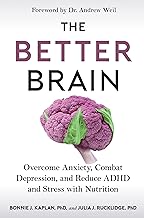


Vitamins for Mood: B vitamins, D, and magnesium regulate serotonin, dopamine, and overall mental well-being
Nutrient deficiencies can silently undermine mental health, often going unnoticed until symptoms like mood swings, fatigue, or anxiety surface. Among the most critical players in this realm are B vitamins, vitamin D, and magnesium, each with a unique role in regulating neurotransmitters such as serotonin and dopamine. For instance, B vitamins, particularly B6, B9 (folate), and B12, are essential cofactors in the synthesis of these mood-regulating chemicals. A deficiency in any of these can lead to imbalances, manifesting as depression, irritability, or cognitive fog. Similarly, vitamin D, often dubbed the "sunshine vitamin," influences serotonin production and has been linked to seasonal affective disorder (SAD) when levels drop. Magnesium, meanwhile, acts as a natural stress reliever by modulating the brain’s stress response system, reducing anxiety and promoting relaxation.
To harness these benefits, consider targeted supplementation under professional guidance. Adults typically require 2.4 mcg of B12, 400 mcg of folate, and 1.3–1.7 mg of B6 daily, though needs vary based on age, diet, and health status. Vitamin D recommendations range from 600 to 800 IU daily, but those with limited sun exposure may need up to 2,000 IU. Magnesium needs hover around 310–420 mg daily for adults, depending on gender. However, supplementation isn’t always necessary; dietary sources like leafy greens (folate), fatty fish (B12 and D), nuts and seeds (magnesium), and fortified foods can suffice. For example, a breakfast of fortified cereal with milk, a midday snack of almonds, and a dinner rich in salmon and spinach can cover significant portions of these needs.
While supplements offer convenience, they’re not without risks. Excessive B6 can cause nerve damage, and too much vitamin D leads to hypercalcemia. Magnesium overdose, though rare, can result in diarrhea and nausea. It’s crucial to consult a healthcare provider before starting any regimen, especially for those on medications or with pre-existing conditions. For instance, individuals on antidepressants should monitor B vitamin intake to avoid interactions, while those with kidney issues must approach magnesium supplementation cautiously.
Practical tips can enhance absorption and effectiveness. Pairing vitamin D with fat-rich foods like avocado or olive oil boosts its bioavailability, while consuming B vitamins with a balanced meal ensures optimal uptake. Magnesium absorption can be improved by choosing forms like glycinate or malate, which are gentler on the stomach. For those struggling with consistency, setting reminders or incorporating supplements into a daily routine—like taking them with breakfast—can help.
Ultimately, viewing these nutrients as tools in a broader mental health toolkit is key. While they can significantly impact mood and well-being, they’re most effective when combined with other strategies like therapy, exercise, and stress management. For example, a person experiencing mild depression might benefit from a regimen of B-complex vitamins, vitamin D supplementation during winter months, and magnesium before bed to improve sleep quality. By addressing deficiencies and supporting neurotransmitter function, these nutrients lay a foundation for resilience and emotional balance, proving that sometimes, the smallest molecules can have the biggest impact.
Coffee and Mental Health: Exploring the Surprising Benefits and Risks
You may want to see also
Explore related products


Blood Sugar Stability: Balanced meals prevent mood swings, irritability, and cognitive fog caused by glucose spikes
Fluctuating blood sugar levels can turn your brain into a rollercoaster, complete with mood swings, irritability, and cognitive fog. Imagine this: you devour a sugary snack, triggering a rapid spike in glucose. Your brain celebrates with a burst of energy, but the party doesn’t last. Insulin swoops in to clear the excess sugar, causing a crash that leaves you tired, cranky, and struggling to focus. This cycle, repeated throughout the day, wreaks havoc on your mental clarity and emotional stability.
To break free, focus on balanced meals that combine complex carbohydrates, lean proteins, healthy fats, and fiber. For instance, swap a bagel (high glycemic index) for oatmeal topped with nuts and berries. The fiber in oats slows sugar absorption, while protein and fats provide sustained energy. Aim for meals every 3–4 hours to maintain steady glucose levels. For snacks, pair an apple (carb) with almond butter (fat/protein) to prevent spikes.
Children and teens, whose brains are still developing, are particularly vulnerable to blood sugar swings. A study in *Pediatric Obesity* found that adolescents with unstable glucose levels scored lower on cognitive tests and reported higher anxiety. Parents can help by limiting sugary drinks and processed snacks, opting instead for whole-grain sandwiches, Greek yogurt with fruit, or veggie sticks with hummus.
Here’s a practical tip: monitor your response to meals. If you feel jittery or foggy 1–2 hours after eating, your blood sugar likely spiked. Adjust by adding more protein or fiber to that meal. For example, if pasta leaves you sluggish, pair it with grilled chicken and a side of steamed broccoli. Small tweaks can yield significant mental health benefits, transforming your day from a glucose rollercoaster into a smooth, steady ride.
Genetic Testing and Mental Health: Unlocking Personalized Treatment Insights
You may want to see also
Explore related products


Antioxidants and Stress: Foods rich in antioxidants combat oxidative stress, protecting brain cells and mental health
Oxidative stress, a condition where free radicals outnumber the body’s antioxidant defenses, is a silent saboteur of brain health. These unstable molecules damage cells, including neurons, contributing to mental health issues like anxiety, depression, and cognitive decline. The brain, with its high oxygen consumption, is particularly vulnerable. Enter antioxidants—compounds found in certain foods that neutralize free radicals, acting as a protective shield for brain cells. This isn’t just theoretical; studies show that diets rich in antioxidants correlate with reduced symptoms of stress and improved mental resilience.
To harness this benefit, focus on incorporating antioxidant-rich foods into your daily diet. Berries (blueberries, strawberries, raspberries) are powerhouse sources of anthocyanins, while nuts like walnuts and almonds provide vitamin E. Dark leafy greens such as spinach and kale are packed with lutein and zeaxanthin, and colorful vegetables like bell peppers and carrots offer beta-carotene. Even spices like turmeric (curcumin) and beverages like green tea (catechins) contribute significantly. Aim for a variety of these foods to ensure a broad spectrum of antioxidants, as each type targets different free radicals.
While whole foods are the best source, supplementation can be considered in specific cases. For instance, vitamin C (500–1000 mg daily) and vitamin E (15–20 mg daily) are commonly recommended for their antioxidant properties, but consult a healthcare provider before starting any regimen. Over-supplementation can be counterproductive, as excessive intake of certain antioxidants may disrupt the body’s natural balance. For children and older adults, focus on food-based sources to avoid potential risks associated with supplements.
Practical tips for integration include starting the day with a berry-rich smoothie, snacking on a handful of mixed nuts, or adding turmeric to soups and stews. Meal prepping with antioxidant-rich ingredients ensures consistency, and even small changes, like swapping white rice for quinoa or adding spinach to pasta dishes, can make a difference. The key is sustainability—find ways to incorporate these foods into your existing routines rather than overhauling your diet overnight.
The takeaway is clear: antioxidants aren’t just a buzzword in nutrition; they’re a critical tool in managing stress and safeguarding mental health. By prioritizing these foods, you’re not just eating—you’re actively fortifying your brain against the invisible wear and tear of oxidative stress. It’s a simple yet powerful step toward a more resilient mind.
Cold Showers and Mental Health: Unlocking Potential Benefits for Well-being
You may want to see also
Frequently asked questions
Nutrition directly affects mental health by influencing brain function, mood regulation, and stress response. Nutrient-rich foods provide essential vitamins, minerals, and antioxidants that support neurotransmitter production and reduce inflammation, promoting emotional well-being.
Yes, foods rich in omega-3 fatty acids (e.g., salmon, walnuts), magnesium (e.g., spinach, almonds), and probiotics (e.g., yogurt, kefir) have been shown to improve mood and reduce anxiety by supporting brain health and gut-brain communication.
A poor diet high in processed foods, sugar, and unhealthy fats can lead to inflammation, oxidative stress, and imbalances in gut bacteria, all of which are linked to increased risk of depression, anxiety, and cognitive decline.
Yes, key nutrients include omega-3 fatty acids, vitamin D, B vitamins (especially B6, B9, and B12), zinc, and magnesium. These nutrients play crucial roles in neurotransmitter synthesis, brain structure, and stress management.
While dietary changes can significantly support mental health, they are not a replacement for medication or therapy in severe cases. However, a balanced diet can complement treatment and improve overall mental well-being.