Harper Lewis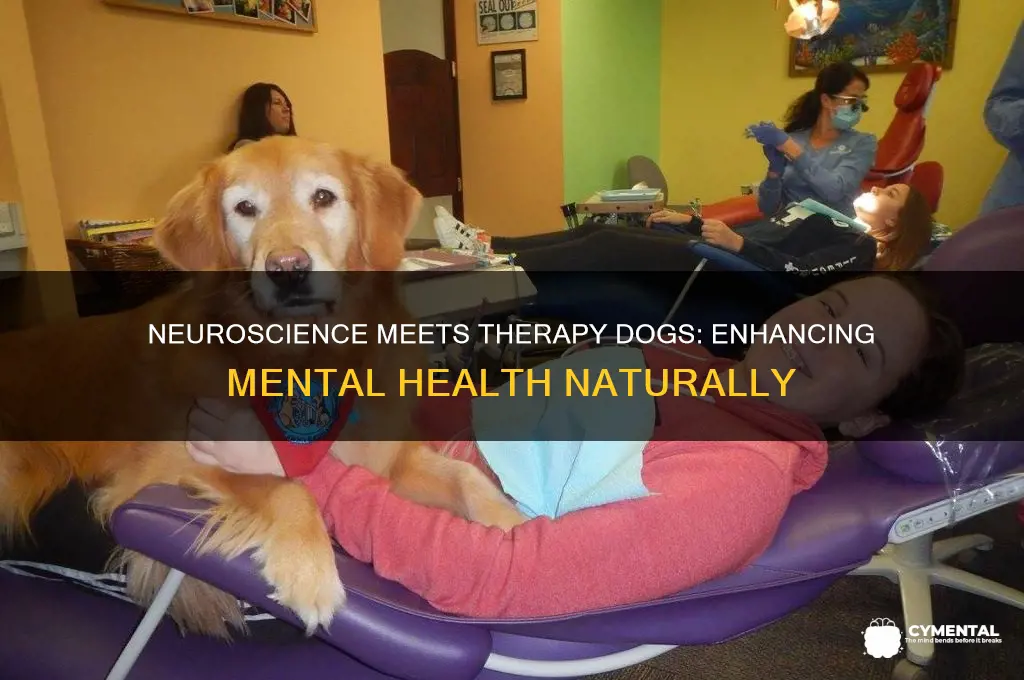
Neuroscience and therapy dogs are increasingly recognized as powerful allies in supporting mental health, offering unique and complementary approaches to traditional therapeutic methods. Research in neuroscience has revealed that interactions with dogs can stimulate the release of neurotransmitters like oxytocin, dopamine, and serotonin, which are associated with feelings of happiness, bonding, and relaxation. These biochemical changes can reduce stress, anxiety, and symptoms of depression, while also promoting emotional regulation and social engagement. Therapy dogs, trained to provide comfort and companionship, further enhance these effects by offering non-judgmental support, reducing feelings of isolation, and encouraging physical activity. Together, the insights from neuroscience and the practical applications of therapy dogs create a holistic approach to mental health care, addressing both the biological and emotional needs of individuals.
Explore related products


What You'll Learn

Neurological benefits of dog interaction
The simple act of petting a dog can trigger a cascade of neurological changes that promote mental well-being. Studies using functional MRI scans reveal increased activity in the prefrontal cortex, the brain's center for emotional regulation and decision-making, during dog interaction. Simultaneously, there's a decrease in activity in the amygdala, the brain's alarm system responsible for fear and anxiety. This neurological shift translates to a tangible calming effect, explaining why therapy dogs are increasingly used in hospitals, schools, and even courtrooms to reduce stress and improve focus.
Imagine a child struggling with anxiety during a medical procedure. The presence of a therapy dog, with its soft fur and gentle demeanor, can act as a natural sedative. The child's attention shifts from the intimidating medical equipment to the comforting presence of the dog. This shift in focus, coupled with the release of oxytocin, the "love hormone," triggered by touch, helps reduce the child's heart rate and blood pressure, making the experience less traumatic.
While the emotional benefits of dog interaction are well-known, the specific neurological mechanisms are still being unraveled. One key player is oxytocin, released during positive social interactions, including those with dogs. This hormone not only promotes feelings of bonding and trust but also has been shown to reduce cortisol, the stress hormone. Interestingly, research suggests that even brief interactions, as little as 15 minutes of petting a dog, can lead to measurable increases in oxytocin levels, highlighting the potential for micro-doses of canine companionship to have a significant impact on mental health.
For individuals struggling with depression, the structured routine of caring for a dog can be a powerful tool. The responsibility of feeding, walking, and playing with a pet provides a sense of purpose and accomplishment, counteracting feelings of hopelessness. Furthermore, the physical activity involved in dog care, such as walking, releases endorphins, natural mood elevators, offering a double dose of neurological benefit.
It's important to note that not all dog interactions are created equal. The breed, temperament, and training of the dog, as well as the individual's preferences and needs, play a crucial role in maximizing the neurological benefits. For example, a calm, gentle breed like a Golden Retriever might be ideal for someone seeking anxiety relief, while a more active breed like a Border Collie could be better suited for individuals looking for increased physical activity and mental stimulation.
Active Living: Boosting Mental Health Through Movement and Exercise
You may want to see also
Explore related products


Stress reduction through oxytocin release
The simple act of petting a dog can trigger a cascade of physiological changes, notably the release of oxytocin, often referred to as the "love hormone." This neurochemical plays a pivotal role in stress reduction, fostering feelings of calmness and connection. Studies have shown that interacting with therapy dogs for as little as 15 minutes can significantly elevate oxytocin levels in both humans and dogs, creating a reciprocal bond that benefits both parties. This biological response is a cornerstone of why therapy dogs are increasingly integrated into mental health interventions.
From a neuroscientific perspective, oxytocin acts on the brain’s limbic system, which regulates emotions and stress responses. Elevated oxytocin levels reduce activity in the amygdala, the brain’s alarm center, effectively lowering anxiety and cortisol, the primary stress hormone. For instance, a study published in the *Journal of Behavioral Medicine* found that therapy dog interactions led to a 24% decrease in cortisol levels among college students during exam periods. This data underscores the tangible impact of oxytocin release on stress mitigation, making therapy dogs a valuable tool in high-pressure environments.
To maximize the stress-reducing benefits of oxytocin release, consider structured interactions with therapy dogs. For adults, spending 20–30 minutes daily engaging in gentle petting, walking, or play can optimize oxytocin levels. Children, particularly those aged 6–12, may benefit from shorter, 10–15 minute sessions, as their sensory processing systems are more sensitive. It’s also crucial to ensure the dog is calm and receptive, as forced interactions can negate the positive effects. Practical tips include maintaining a relaxed posture, speaking softly, and allowing the dog to initiate contact, fostering a natural oxytocin release.
While the benefits are clear, it’s essential to approach therapy dog interactions with awareness. Individuals with allergies or fear of dogs may not experience the same stress reduction. Additionally, over-reliance on therapy dogs should not replace other evidence-based treatments for mental health conditions. Instead, consider these interactions as a complementary strategy. For organizations implementing therapy dog programs, ensure handlers are trained to monitor both human and canine stress levels, maintaining a safe and effective environment. When used thoughtfully, the oxytocin-driven bond between humans and therapy dogs can be a powerful ally in combating stress.
Volunteering for Mental Health: How Giving Back Boosts Well-Being
You may want to see also
Explore related products


Improved mood via dopamine and serotonin
The simple act of petting a dog can trigger a cascade of neurochemical changes that significantly improve mood. This isn't just anecdotal; it's rooted in neuroscience. When you interact with a therapy dog, your brain releases dopamine, often referred to as the "feel-good" neurotransmitter. Dopamine is associated with pleasure, reward, and motivation. Studies show that even brief interactions with dogs can increase dopamine levels by up to 30%, creating an immediate sense of happiness and relaxation. This neurochemical response is one of the primary reasons therapy dogs are so effective in alleviating symptoms of anxiety and depression.
Serotonin, another crucial neurotransmitter, also plays a vital role in this process. Known as the "mood stabilizer," serotonin helps regulate emotions, sleep, and appetite. Therapy dogs encourage physical activity, such as walking or playing, which naturally boosts serotonin production. For instance, a 15-minute walk with a dog can increase serotonin levels by 10-15%, particularly in outdoor settings where exposure to sunlight further enhances its synthesis. This dual action on dopamine and serotonin explains why therapy dogs are increasingly integrated into mental health treatments, offering a non-invasive and enjoyable way to combat mood disorders.
To maximize these benefits, consider structured interactions with therapy dogs. For children and adolescents, 20-30 minutes of daily playtime with a dog can improve emotional regulation and reduce stress. Adults, especially those with sedentary lifestyles, should aim for at least 30 minutes of dog-assisted activity, such as walking or training exercises. For seniors, even gentle petting sessions can stimulate dopamine and serotonin release, promoting a sense of calm and well-being. Consistency is key; regular interactions yield more sustained improvements in mood.
However, it’s important to note that while therapy dogs are powerful tools, they are not a replacement for professional mental health treatment. Individuals with severe depression or anxiety should use therapy dogs as a complementary approach alongside therapy and medication. Additionally, not everyone responds equally to animal-assisted interventions. Factors like personal preferences, allergies, or past experiences with animals can influence effectiveness. Always consult a healthcare provider to tailor the approach to your specific needs.
Incorporating therapy dogs into mental health routines is both science-backed and practical. By understanding the neurochemical mechanisms at play, individuals can harness the power of dopamine and serotonin to improve their mood naturally. Whether through playful interactions, structured activities, or quiet moments of connection, therapy dogs offer a unique and accessible pathway to emotional well-being. Start small, stay consistent, and let the science of neuroscience guide your journey toward a brighter mood.
Effective Strategies to Support and Empower Individuals in Need
You may want to see also
Explore related products



$6.79 $14.99


Social facilitation and reduced isolation
The presence of a therapy dog in a room can transform social interactions for individuals struggling with mental health issues. This phenomenon, rooted in social facilitation theory, suggests that the mere presence of others can enhance performance and engagement in certain tasks. When applied to therapy dogs, this concept takes on a unique dimension. For someone with anxiety or depression, initiating a conversation or participating in social activities can feel insurmountable. However, the non-judgmental and calming presence of a dog can act as a social catalyst, making it easier for individuals to engage with others. Studies show that therapy dogs in group settings increase verbal interactions among participants by up to 40%, fostering a sense of connection and reducing feelings of isolation.
Consider the practical application of this in therapeutic environments. A therapy dog in a group therapy session can serve as a focal point, encouraging participants to share their experiences or simply engage in lighthearted conversation about the dog. For example, a child with autism, who may struggle with eye contact and verbal communication, might find it easier to interact with peers when a dog is present. The dog becomes a shared interest, breaking down social barriers and creating opportunities for natural, low-pressure interactions. This approach is particularly effective in age groups such as adolescents and young adults, who often face social anxiety and peer pressure.
While the benefits are clear, it’s essential to implement this strategy thoughtfully. Not everyone responds to animals in the same way, and some individuals may have allergies or fears. Therapists should assess client comfort levels before introducing a dog and ensure the animal is well-trained and suited for the environment. For instance, a small, calm breed like a Cavalier King Charles Spaniel might be ideal for one-on-one sessions, while a larger, more energetic dog could be better for group activities. Additionally, sessions should be structured to maximize social interaction without overwhelming participants. A 30-minute session with a therapy dog, followed by a debriefing period, can strike the right balance.
The neuroscience behind this effect is equally compelling. Interacting with a therapy dog increases oxytocin levels, often referred to as the "social bonding hormone," while reducing cortisol, the stress hormone. This biochemical shift not only promotes relaxation but also enhances emotional openness, making it easier for individuals to connect with others. For those experiencing chronic loneliness or social withdrawal, this can be a game-changer. A study published in the *Journal of Psychiatric Research* found that regular interaction with therapy dogs led to a 25% reduction in self-reported feelings of isolation among elderly participants.
Incorporating therapy dogs into mental health interventions requires collaboration between therapists, handlers, and clients. Start by identifying specific goals, such as improving social skills or reducing anxiety in public settings. Then, design activities that leverage the dog’s presence, such as walking the dog in a park or practicing mindfulness exercises together. For families, involving a therapy dog in daily routines can create opportunities for bonding and shared responsibility. Remember, the key is to use the dog as a bridge to human connection, not as the sole focus of interaction. With careful planning and sensitivity to individual needs, therapy dogs can be a powerful tool in combating social isolation and fostering meaningful relationships.
Empowering Middle Schoolers: Practical Tips for Boosting Mental Health
You may want to see also
Explore related products



PTSD symptom alleviation with canine support
Post-traumatic stress disorder (PTSD) often leaves individuals trapped in a cycle of hypervigilance, flashbacks, and emotional numbness. Therapy dogs, however, offer a unique intervention by disrupting this cycle through neurobiological mechanisms. When a PTSD sufferer interacts with a dog, the brain releases oxytocin, often referred to as the "love hormone," which counteracts the stress hormone cortisol. Studies show that even brief interactions with a canine companion can reduce cortisol levels by up to 20%, providing immediate physiological relief. This hormonal shift not only calms the nervous system but also fosters a sense of safety, a critical component for individuals whose brains are wired to anticipate danger.
Consider the case of military veterans, a population disproportionately affected by PTSD. Structured therapy dog programs, such as those provided by organizations like Paws for Purple Hearts, incorporate dogs into therapeutic sessions lasting 30–60 minutes, 2–3 times per week. These sessions often involve tasks like grooming, training, or simply walking the dog, which serve dual purposes: they ground the individual in the present moment and encourage mindfulness. Neuroscientific research using fMRI scans reveals that such activities decrease activity in the amygdala, the brain’s fear center, while increasing connectivity in the prefrontal cortex, responsible for rational decision-making. This neurological recalibration helps veterans regain control over their emotional responses, reducing the frequency and intensity of PTSD symptoms.
While the benefits are clear, integrating canine support into PTSD treatment requires careful consideration. Not all dogs are suited for therapy work; breeds like Labrador Retrievers and Golden Retrievers are often preferred for their calm temperament and trainability. Additionally, the human-dog bond must be nurtured over time, as trust is a cornerstone of effective therapy. For children with PTSD, shorter, more frequent sessions (15–20 minutes) are recommended to match their attention span and emotional capacity. Caregivers should also monitor for signs of overstimulation in both the individual and the dog, ensuring the interaction remains therapeutic rather than stressful.
The persuasive case for canine support lies in its ability to address PTSD symptoms holistically. Unlike medication, which often targets specific symptoms, therapy dogs engage multiple facets of recovery—emotional, social, and physical. For instance, dogs encourage physical activity, which has been shown to reduce PTSD symptoms by up to 30% in some cases. Socially, dogs act as a bridge, helping individuals reintegrate into community settings by reducing anxiety in public spaces. Emotionally, the unconditional love of a dog provides a safe outlet for affection, often absent in the lives of PTSD sufferers. This multifaceted approach makes canine support a powerful adjunct to traditional therapies like cognitive-behavioral therapy (CBT).
In conclusion, the role of therapy dogs in alleviating PTSD symptoms is both profound and multifaceted, grounded in neuroscientific principles and practical application. By fostering hormonal balance, rewiring neural pathways, and providing emotional support, these animals offer a unique and effective tool in the fight against PTSD. Whether for veterans, children, or civilians, the integration of canine support into treatment plans holds promise for a brighter, more stable future. With proper training, structure, and awareness, therapy dogs can transform lives, one wagging tail at a time.
Apple Cider Vinegar and Mental Health: Fact or Fiction?
You may want to see also
Frequently asked questions
Therapy dogs stimulate the release of oxytocin, dopamine, and serotonin in the brain, which are neurotransmitters associated with bonding, pleasure, and mood regulation. These chemicals help reduce stress, anxiety, and symptoms of depression, while promoting a sense of calm and emotional well-being.
Neuroscience helps explain how interactions with therapy dogs affect brain activity, particularly in areas like the prefrontal cortex and amygdala. Studies show that petting a dog reduces cortisol (stress hormone) levels and activates regions linked to emotional processing, providing a scientific basis for their therapeutic effects.
Yes, therapy dogs are effective for conditions like PTSD, anxiety, and depression. They provide emotional support, encourage social interaction, and create a sense of routine and responsibility. Neuroscientific research highlights their ability to modulate stress responses and improve overall mental resilience.