Harper Lewis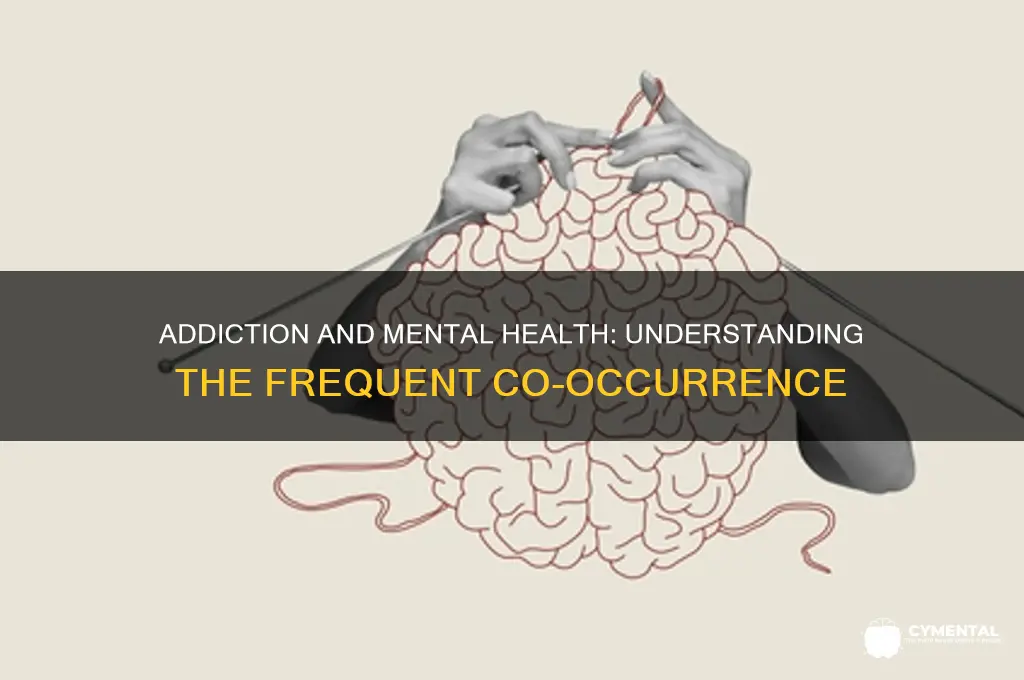
Addiction and mental health issues frequently co-occur, a phenomenon known as comorbidity, creating a complex interplay that challenges both diagnosis and treatment. Research indicates that individuals with mental health disorders, such as depression, anxiety, or bipolar disorder, are significantly more likely to develop substance use disorders, and vice versa. This bidirectional relationship often stems from shared risk factors, including genetic predispositions, environmental stressors, and alterations in brain chemistry. For instance, individuals may turn to substances as a form of self-medication to alleviate symptoms of mental distress, while prolonged substance abuse can exacerbate or trigger underlying mental health conditions. Understanding this co-occurrence is crucial, as it underscores the need for integrated treatment approaches that address both addiction and mental health simultaneously to improve outcomes and reduce the risk of relapse.
Explore related products



What You'll Learn
- Prevalence Rates: Statistics on co-occurrence of addiction and mental health disorders in various populations
- Common Disorders: Identification of mental health issues frequently paired with substance abuse
- Shared Risk Factors: Genetic, environmental, and psychological factors contributing to dual diagnosis
- Treatment Challenges: Complexities in addressing co-occurring disorders simultaneously in clinical settings
- Integrated Care Models: Effective approaches combining addiction and mental health treatment strategies

Prevalence Rates: Statistics on co-occurrence of addiction and mental health disorders in various populations
The co-occurrence of addiction and mental health disorders, often termed comorbidity, is a pervasive issue with striking prevalence rates across diverse populations. According to the National Institute on Drug Abuse (NIDA), approximately 50% of individuals with a mental health disorder will also experience a substance use disorder at some point in their lives, and vice versa. This bidirectional relationship underscores the complexity of treating these conditions, as each disorder can exacerbate the other, creating a cycle of worsening symptoms and outcomes.
Consider the adolescent population, where the interplay between mental health and addiction is particularly pronounced. Studies show that teens with mental health disorders, such as depression or anxiety, are twice as likely to develop a substance use disorder compared to their peers without such conditions. For instance, a 2020 report from the Substance Abuse and Mental Health Services Administration (SAMHSA) revealed that 17.6% of adolescents aged 12–17 with a major depressive episode in the past year had also engaged in illicit drug use, compared to 7.9% of adolescents without a depressive episode. This disparity highlights the need for early intervention strategies that address both mental health and substance use risks in this vulnerable age group.
In adult populations, the prevalence of comorbidity varies by specific disorders but remains consistently high. For example, individuals with schizophrenia have a 47% lifetime prevalence of substance use disorders, often turning to substances like nicotine, alcohol, or cannabis to self-medicate symptoms such as hallucinations or paranoia. Similarly, among those with bipolar disorder, approximately 60% will experience a substance use disorder at some point, with alcohol and cocaine being the most commonly abused substances. These statistics emphasize the importance of integrated treatment models that simultaneously target both mental health and addiction, rather than treating them as separate issues.
Among specific demographic groups, such as veterans or individuals experiencing homelessness, the rates of comorbidity are even more alarming. Veterans with post-traumatic stress disorder (PTSD) are particularly at risk, with studies indicating that up to 75% of those receiving treatment for PTSD also meet criteria for a substance use disorder. For homeless individuals, the overlap is equally stark: roughly 38% of homeless adults have a mental illness, and 50% have a co-occurring substance use disorder. These populations require tailored interventions that address not only their mental health and addiction but also the socioeconomic factors contributing to their vulnerabilities.
To address these challenges, healthcare providers must adopt a holistic approach that includes screening for both mental health and substance use disorders during routine assessments. For instance, the use of validated tools like the Alcohol, Smoking, and Substance Involvement Screening Test (ASSIST) can help identify at-risk individuals early. Additionally, integrating behavioral therapies, such as Cognitive Behavioral Therapy (CBT), with medication-assisted treatment (MAT) has shown promise in improving outcomes for those with comorbid conditions. By understanding and acting on these prevalence rates, we can develop more effective strategies to support individuals grappling with the dual burden of addiction and mental health disorders.
Social Media's Impact: Rising Mental Health Issues in the Digital Age
You may want to see also
Explore related products


Common Disorders: Identification of mental health issues frequently paired with substance abuse
Substance abuse and mental health disorders often intertwine, creating a complex web of challenges for individuals and healthcare providers. Among the most frequently co-occurring pairs are depression and alcohol use disorder. Studies show that approximately one-third of individuals with major depressive disorder also struggle with alcohol dependence. The relationship is bidirectional: alcohol, a depressant, exacerbates depressive symptoms, while individuals with depression may turn to alcohol as a form of self-medication. For example, a 35-year-old professional experiencing chronic sadness might gradually increase their nightly wine intake from one glass to three, unknowingly deepening their depression. Identifying this pattern requires monitoring both mood fluctuations and drinking habits, particularly in adults aged 25–45, who are at higher risk.
Another critical pairing is anxiety disorders and benzodiazepine misuse. Benzodiazepines, prescribed for conditions like generalized anxiety disorder (GAD) or panic disorder, are highly effective in the short term but carry a significant risk of dependence. A patient prescribed 1 mg of alprazolam daily for panic attacks might escalate to 4–6 mg within months, chasing the initial relief as tolerance builds. This is especially common in individuals with untreated or undiagnosed anxiety, who may misuse the medication to manage overwhelming symptoms. Healthcare providers should screen for anxiety severity using tools like the GAD-7 and regularly reassess benzodiazepine dosages, considering alternatives like cognitive-behavioral therapy (CBT) to mitigate risk.
Post-traumatic stress disorder (PTSD) and opioid addiction form a third notable duo, particularly among veterans and survivors of trauma. Opioids, often prescribed for pain management, provide temporary emotional numbing, which can be appealing to those grappling with intrusive memories or hyperarousal. A combat veteran prescribed oxycodone for a physical injury might find themselves relying on the drug to suppress flashbacks, leading to misuse. Research indicates that up to 50% of individuals in PTSD treatment also meet criteria for substance use disorder. Early intervention strategies, such as trauma-focused therapies like prolonged exposure (PE) or eye movement desensitization and reprocessing (EMDR), can reduce reliance on opioids while addressing the root cause of PTSD.
Lastly, bipolar disorder and stimulant abuse, particularly cocaine or methamphetamine, is a dangerous combination. Individuals in manic phases may be drawn to stimulants to prolong euphoria or heightened energy, while those in depressive phases might use them to counteract lethargy. For instance, a 28-year-old with bipolar I disorder might binge on cocaine during a manic episode, only to crash into a deeper depression afterward. This cycle not only destabilizes mood but also increases the risk of psychosis or hospitalization. Clinicians should prioritize mood stabilization with medications like lithium or lamotrigine and incorporate psychoeducation to help patients recognize triggers for stimulant use.
In addressing these co-occurring disorders, a dual-diagnosis approach is essential. Integrated treatment plans that simultaneously target mental health and substance abuse yield better outcomes than treating each condition in isolation. For example, a 42-year-old with schizophrenia and cannabis dependence would benefit from antipsychotic medication paired with motivational interviewing to address cannabis use. Practical tips include maintaining a symptom and substance use journal, engaging in support groups like Dual Recovery Anonymous, and leveraging digital tools like sobriety tracking apps. By recognizing these common pairings and tailoring interventions accordingly, individuals can break the cycle of co-occurring disorders and move toward sustained recovery.
Rising Mental Health Challenges: Uncovering the Surge in Global Struggles
You may want to see also
Explore related products


Shared Risk Factors: Genetic, environmental, and psychological factors contributing to dual diagnosis
The coexistence of addiction and mental health disorders, often termed dual diagnosis, is not merely coincidental but deeply rooted in shared risk factors. Genetic predispositions, environmental influences, and psychological vulnerabilities intertwine to create a fertile ground for this comorbidity. Understanding these factors is crucial for prevention, early intervention, and tailored treatment strategies.
Genetic Factors: The Blueprint of Vulnerability
Genetics play a significant role in dual diagnosis, with heritability estimates for both addiction and mental health disorders ranging from 40% to 60%. For instance, variations in genes regulating dopamine receptors, such as the DRD2 gene, are linked to increased susceptibility to both substance use disorders and conditions like schizophrenia or ADHD. A family history of addiction or mental illness amplifies this risk. For example, children of parents with alcohol use disorder are four times more likely to develop the same condition, often alongside anxiety or depression. Genetic testing, while not yet standard, could one day identify at-risk individuals, allowing for proactive mental health monitoring and early intervention.
Environmental Factors: The Crucible of Influence
Environmental stressors act as catalysts, transforming genetic predispositions into tangible risks. Adverse childhood experiences (ACEs), such as abuse, neglect, or household dysfunction, are particularly potent. Studies show that individuals with four or more ACEs are seven times more likely to develop alcoholism and five times more likely to experience depression. Socioeconomic factors, like poverty or lack of access to education, further exacerbate this risk. For instance, neighborhoods with high crime rates and limited resources often report higher rates of both addiction and mental health issues. Practical steps to mitigate these risks include community-based support programs, trauma-informed care, and policies addressing socioeconomic disparities.
Psychological Factors: The Mind’s Double-Edged Sword
Psychological traits and coping mechanisms are critical in the development of dual diagnosis. Individuals with pre-existing mental health conditions, such as PTSD or borderline personality disorder, often turn to substances as a form of self-medication. For example, up to 75% of individuals with borderline personality disorder also struggle with addiction. Conversely, substance use can exacerbate or trigger mental health symptoms, creating a vicious cycle. Cognitive-behavioral therapy (CBT) and dialectical behavior therapy (DBT) are evidence-based approaches that address both the psychological underpinnings and maladaptive behaviors associated with dual diagnosis. Encouraging healthier coping strategies, such as mindfulness or exercise, can reduce reliance on substances.
The Intersection: A Call for Integrated Care
The shared risk factors of dual diagnosis underscore the need for integrated treatment models. Traditional approaches that address addiction and mental health separately often fall short. Integrated care, which combines psychiatric treatment, medication management, and substance abuse counseling, has shown superior outcomes. For instance, programs incorporating motivational interviewing and contingency management have achieved higher abstinence rates and improved mental health symptoms. Policymakers and healthcare providers must prioritize funding and training for such integrated models to effectively tackle the complexities of dual diagnosis.
By dissecting the genetic, environmental, and psychological factors at play, we can move beyond reactive treatment to proactive prevention and holistic care. This nuanced understanding not only informs clinical practice but also empowers individuals and communities to break the cycle of dual diagnosis.
The Hidden Financial Impact of Mental Health Issues on Businesses
You may want to see also
Explore related products


Treatment Challenges: Complexities in addressing co-occurring disorders simultaneously in clinical settings
Co-occurring disorders, where addiction and mental health issues intertwine, present a labyrinthine challenge for clinicians. Imagine treating a patient whose depression fuels their alcohol dependence, which in turn exacerbates their anxiety. This cyclical relationship demands a treatment approach that addresses both conditions simultaneously, a feat far more complex than treating either in isolation.
Unraveling this knot requires a nuanced understanding of the interplay between substance use and mental health. For instance, a person with PTSD might self-medicate with opioids, leading to addiction. Treating the addiction without addressing the underlying trauma would be akin to patching a leaky roof while ignoring the storm raging inside.
The Integrated Treatment Imperative
Effective treatment necessitates an integrated approach, where mental health professionals and addiction specialists collaborate seamlessly. This involves a meticulous dance of medication management, psychotherapy, and behavioral interventions. For example, a patient with bipolar disorder and cocaine addiction might require mood stabilizers alongside cognitive-behavioral therapy to address both the manic episodes and the compulsive drug-seeking behavior.
Navigating the Medication Maze
Pharmacotherapy becomes particularly intricate in co-occurring disorders. Antidepressants, while crucial for managing depression, can sometimes lower the seizure threshold, a concern for individuals withdrawing from alcohol. Conversely, medications used to treat addiction, like buprenorphine for opioid dependence, may interact with antipsychotics prescribed for schizophrenia. Clinicians must meticulously weigh the benefits and risks of each medication, often adjusting dosages and combinations based on individual responses.
The Therapeutic Tightrope
Psychotherapy, a cornerstone of mental health treatment, must be adapted for the unique challenges of co-occurring disorders. Traditional talk therapy may need to incorporate strategies for managing cravings and preventing relapse. For instance, dialectical behavior therapy (DBT), originally developed for borderline personality disorder, has proven effective in helping individuals with co-occurring disorders regulate emotions and tolerate distress, crucial skills for both mental health management and addiction recovery.
A Long Road, Not a Sprint
Treating co-occurring disorders is a marathon, not a sprint. Relapses are common, and progress is often measured in small steps. Clinicians must foster a non-judgmental, supportive environment, recognizing that setbacks are part of the journey. Patients need to be actively involved in their treatment, learning coping mechanisms and building a strong support network to navigate the complexities of their intertwined conditions.
Are Mental Health Issues Hereditary? Unraveling the Genetic Link
You may want to see also
Explore related products


Integrated Care Models: Effective approaches combining addiction and mental health treatment strategies
Research shows that nearly 50% of individuals with a substance use disorder also experience a co-occurring mental health disorder, a phenomenon known as comorbidity. This staggering overlap demands a treatment approach that addresses both issues simultaneously. Enter integrated care models, a paradigm shift in healthcare that recognizes the intricate connection between addiction and mental health.
Unlike traditional siloed treatment, where patients bounce between separate providers for each condition, integrated care models bring addiction and mental health services under one roof. This collaborative approach fosters better communication, coordinated treatment plans, and ultimately, improved patient outcomes.
Imagine a patient struggling with depression and alcohol dependence. In a traditional setting, they might see a therapist for their depression and attend separate addiction counseling sessions. This fragmented approach can lead to conflicting advice, medication interactions, and a lack of holistic understanding of the patient's needs. Integrated care, however, would assign a multidisciplinary team, including a psychiatrist, therapist, and addiction specialist, who work together to develop a personalized treatment plan addressing both the depression and the alcohol dependence as interconnected issues.
One effective integrated care model is the Assertive Community Treatment (ACT). This model employs a team of professionals, including psychiatrists, nurses, social workers, and peer support specialists, who provide comprehensive services in the community. ACT teams offer medication management, individual and group therapy, case management, and crisis intervention, all tailored to the individual's unique needs. Studies have shown ACT to be particularly effective in reducing hospitalizations, improving medication adherence, and enhancing overall quality of life for individuals with severe mental illness and co-occurring substance use disorders.
For instance, a 2018 study published in the *Journal of Dual Diagnosis* found that individuals with schizophrenia and co-occurring substance use disorders who received ACT had significantly lower rates of hospitalization and substance use compared to those receiving standard care.
Implementing integrated care models requires a fundamental shift in healthcare infrastructure and provider training. Key considerations include:
- Training: Providers need training in both addiction and mental health treatment modalities to effectively address the complex needs of this population.
- Collaboration: Establishing clear communication channels and protocols for information sharing between different disciplines is crucial for coordinated care.
- Funding: Securing sustainable funding models that support the comprehensive services offered in integrated care settings is essential.
Despite these challenges, the evidence supporting the effectiveness of integrated care models is compelling. By addressing the intertwined nature of addiction and mental health, these models offer a more holistic and ultimately more successful approach to treatment, paving the way for lasting recovery and improved well-being.
Therapy's Impact: Reducing Mental Health Issues and Improving Well-being
You may want to see also
Frequently asked questions
Addiction and mental health issues frequently co-occur, with studies showing that approximately 50% of individuals with a substance use disorder also experience a mental health disorder, and vice versa.
Common co-occurring mental health disorders include depression, anxiety disorders, bipolar disorder, post-traumatic stress disorder (PTSD), and personality disorders.
The co-occurrence can be due to shared risk factors (e.g., genetics, trauma, or environmental stressors), self-medication of mental health symptoms with substances, or changes in the brain caused by substance use that exacerbate mental health issues.
Integrated treatment, addressing both addiction and mental health simultaneously, is most effective. Treating only one condition often leads to poorer outcomes, as the untreated disorder can worsen symptoms of the other.
Yes, with proper integrated treatment, including therapy, medication, and support systems, individuals with co-occurring disorders can achieve recovery and improve their overall quality of life.