Noah Parker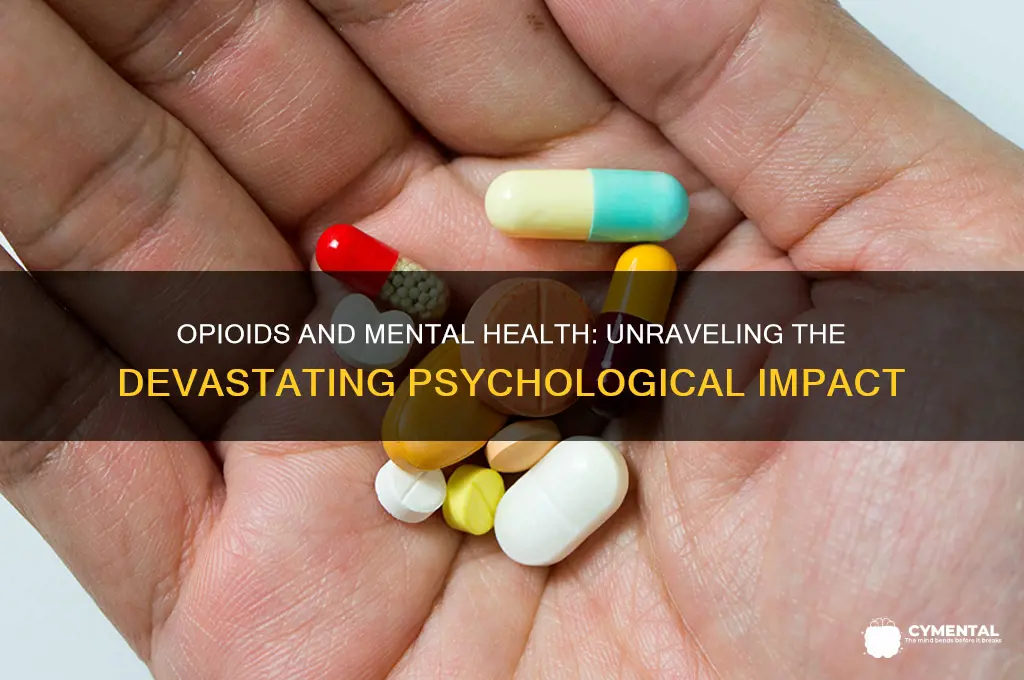
Opioids, a class of drugs commonly prescribed for pain relief, have a profound impact on both the physical and mental well-being of individuals. While they are highly effective in managing pain, their use can lead to a range of mental health issues, often exacerbating existing conditions or creating new ones. The addictive nature of opioids can result in dependence, causing anxiety, depression, and mood disorders as users struggle with the psychological effects of withdrawal and the constant need for the drug. Prolonged use can also impair cognitive function, leading to difficulties in decision-making, memory, and emotional regulation. Furthermore, the social and economic consequences of opioid addiction, such as strained relationships and financial instability, contribute to increased stress and mental health deterioration. Understanding the complex relationship between opioids and mental health is crucial for developing effective treatment strategies and support systems for those affected.
Explore related products





What You'll Learn
- Neurochemical Changes: Opioids alter brain chemistry, disrupting dopamine and serotonin, leading to mood disorders
- Dependence and Anxiety: Withdrawal symptoms from opioids often cause severe anxiety and panic attacks
- Depression Risk: Prolonged opioid use increases the likelihood of developing chronic depressive disorders
- Cognitive Impairment: Opioids impair memory, attention, and decision-making, worsening mental health over time
- Trauma and PTSD: Opioid misuse is linked to higher rates of trauma-related mental health issues

Neurochemical Changes: Opioids alter brain chemistry, disrupting dopamine and serotonin, leading to mood disorders
Opioids, whether prescribed for pain or used illicitly, initiate a cascade of neurochemical changes that can profoundly disrupt mental health. At the heart of this disruption is the alteration of dopamine and serotonin levels in the brain. Dopamine, often dubbed the "feel-good" neurotransmitter, is responsible for pleasure and reward, while serotonin regulates mood, sleep, and appetite. Opioids flood the brain with dopamine, creating an intense euphoria, but this surge is unsustainable. Over time, the brain reduces its natural production of these neurotransmitters, leading to a deficit that manifests as depression, anxiety, and anhedonia—the inability to feel pleasure.
Consider the mechanism: opioids bind to mu-opioid receptors in the brain, triggering the release of dopamine in the nucleus accumbens, a key region of the reward system. Chronic opioid use desensitizes these receptors, requiring higher doses to achieve the same effect—a phenomenon known as tolerance. Simultaneously, the brain downregulates dopamine production, creating a dependency on opioids to maintain even baseline mood levels. For instance, a study published in *Neuropsychopharmacology* found that long-term opioid users exhibited significantly lower dopamine receptor availability compared to non-users, correlating with higher rates of depressive symptoms.
Serotonin, another critical player, is equally affected. Opioids indirectly reduce serotonin levels by disrupting the brain’s natural balance of neurotransmitters. This imbalance can lead to mood instability, irritability, and even suicidal ideation. For example, individuals prescribed opioids for chronic pain often report worsening depression within 6–12 months of use, a timeline that aligns with the onset of serotonin depletion. Adolescents and young adults, whose brains are still developing, are particularly vulnerable to these changes, as their neurochemical systems are more malleable and less resilient to disruption.
Practical steps can mitigate these risks. For patients on opioid therapy, clinicians should monitor mental health symptoms regularly, especially in the first year of treatment. Combining opioids with non-pharmacological pain management strategies, such as physical therapy or cognitive-behavioral therapy, can reduce reliance on medication. For those in recovery, supplements like 5-HTP or L-tryptophan, which support serotonin production, may aid in restoring neurochemical balance, though these should be used under medical supervision. Additionally, mindfulness practices and aerobic exercise have been shown to naturally boost dopamine and serotonin levels, offering a complementary approach to healing.
In conclusion, opioids’ impact on dopamine and serotonin is a double-edged sword, providing temporary relief at the cost of long-term mental health. Understanding these neurochemical changes empowers individuals and healthcare providers to make informed decisions, balancing pain management with the preservation of emotional well-being. Awareness, early intervention, and holistic treatment strategies are key to mitigating the mood disorders that often accompany opioid use.
Understanding Mental Health Challenges in Tennessee: Prevalence and Insights
You may want to see also
Explore related products


Dependence and Anxiety: Withdrawal symptoms from opioids often cause severe anxiety and panic attacks
Opioid withdrawal is a brutal process, and anxiety is one of its most relentless symptoms. Within hours of the last dose, users experience a surge in nervous system activity, leading to restlessness, rapid heartbeat, and an overwhelming sense of dread. These symptoms aren’t just uncomfortable—they’re biologically driven. Opioids hijack the brain’s natural reward system, flooding it with dopamine and suppressing the production of endorphins, the body’s natural painkillers and mood stabilizers. When opioids are removed, the brain, now dependent, struggles to regain balance, triggering a cascade of anxiety-related responses.
Consider the timeline: For short-acting opioids like hydrocodone or oxycodone, withdrawal symptoms begin 6–12 hours after the last dose, peaking within 1–3 days. For long-acting opioids like methadone, symptoms may not appear until 36 hours later, lasting up to 2 weeks. During this period, anxiety often manifests as hypervigilance, insomnia, and panic attacks so severe they mimic cardiac events. For example, a 30-year-old with a 2-year history of oxycodone use (30 mg daily) reported experiencing panic attacks so intense they sought emergency care, mistaking the symptoms for a heart attack.
The link between opioid withdrawal and anxiety isn’t just anecdotal—it’s physiological. Opioids bind to mu-receptors in the brain, which regulate emotional responses. Prolonged use desensitizes these receptors, making the brain hypersensitive to stress and fear when the drug is absent. This creates a vicious cycle: anxiety drives cravings, and cravings lead to relapse. Studies show that up to 90% of individuals in withdrawal experience clinically significant anxiety, often requiring benzodiazepines or beta-blockers for symptom management. However, caution is critical here, as combining benzodiazepines with opioids increases the risk of respiratory depression and overdose.
Practical strategies can mitigate withdrawal-induced anxiety. Gradual tapering, under medical supervision, reduces the shock to the nervous system. For instance, a patient on 60 mg of morphine daily might reduce their dose by 10–20% every 2–4 days. Non-pharmacological interventions, such as mindfulness meditation, deep breathing exercises, and progressive muscle relaxation, can also help. A study published in *JAMA Internal Medicine* found that patients who practiced mindfulness during withdrawal experienced a 30% reduction in anxiety symptoms compared to controls. Additionally, staying hydrated, maintaining a balanced diet, and engaging in light exercise can stabilize blood sugar and reduce physiological stress.
The takeaway is clear: withdrawal-induced anxiety is not just a mental challenge—it’s a physical crisis demanding a multifaceted approach. Understanding the timeline, biology, and practical tools empowers both users and caregivers to navigate this treacherous phase. Ignoring the anxiety component of withdrawal not only prolongs suffering but also increases the risk of relapse. Addressing it head-on, with compassion and evidence-based strategies, is the first step toward reclaiming mental health from the grip of opioids.
Social Media's Impact: Rising Mental Health Issues in the Digital Age
You may want to see also
Explore related products


Depression Risk: Prolonged opioid use increases the likelihood of developing chronic depressive disorders
Prolonged opioid use rewires the brain’s reward system, diminishing its ability to produce natural feelings of pleasure and well-being. Over time, users may require higher doses to achieve the same effect, a phenomenon known as tolerance. This escalation not only heightens the risk of addiction but also depletes the brain’s capacity to regulate mood independently. For instance, studies show that individuals on long-term opioid therapy (e.g., morphine 60 mg/day or more for over 6 months) are 50% more likely to report symptoms of depression compared to those on shorter regimens. This biochemical dependency creates a vicious cycle: opioids temporarily mask emotional pain but ultimately exacerbate it, leaving users more vulnerable to chronic depressive disorders.
Consider the case of a 45-year-old patient prescribed oxycodone for chronic back pain. Initially, the medication alleviates both physical discomfort and emotional distress. However, after 18 months of continuous use, the patient begins experiencing persistent fatigue, anhedonia, and hopelessness—hallmarks of major depressive disorder. This scenario illustrates how prolonged opioid exposure alters neurochemical pathways, particularly those involving dopamine and serotonin, which are critical for mood regulation. Without intervention, such as tapering the opioid dose under medical supervision and incorporating antidepressant therapy, the depression may become treatment-resistant, further entrenching the individual in a cycle of dependency and despair.
From a preventive standpoint, healthcare providers must adopt a dual-pronged approach when prescribing opioids. First, limit the initial prescription duration to no more than 7 days for acute pain, as recommended by the CDC. Second, regularly screen patients on long-term opioids for depressive symptoms using tools like the PHQ-9 questionnaire. For those at high risk, consider integrating non-pharmacological pain management strategies, such as physical therapy or cognitive-behavioral therapy, to reduce reliance on opioids. Patients should also be educated about the early signs of depression, such as persistent sadness or loss of interest in activities, and encouraged to seek help promptly.
Comparatively, the link between opioids and depression is not merely correlational but causal, as evidenced by animal studies. Rats exposed to opioids over several weeks exhibit reduced neurogenesis in the hippocampus, a brain region vital for emotional resilience. Similarly, human neuroimaging studies reveal atrophy in this area among long-term opioid users, correlating with depressive symptom severity. This biological underpinning underscores the urgency of addressing opioid-induced depression as a distinct clinical entity, requiring tailored treatment plans that address both addiction and mental health concurrently.
In conclusion, prolonged opioid use is a double-edged sword, offering temporary relief while sowing the seeds of chronic depression. By understanding the mechanisms at play—from neurochemical imbalances to structural brain changes—clinicians and patients can take proactive steps to mitigate this risk. Whether through dose optimization, adjunctive therapies, or early mental health intervention, the goal remains clear: to break the cycle before opioids rewrite the brain’s emotional landscape irreversibly.
The Hidden Financial Impact of Mental Health Issues on Businesses
You may want to see also
Explore related products


Cognitive Impairment: Opioids impair memory, attention, and decision-making, worsening mental health over time
Opioids, often prescribed for pain management, can insidiously erode cognitive functions like memory, attention, and decision-making. Studies show that even short-term opioid use, such as a 7-day prescription of hydrocodone (5 mg every 4–6 hours), can impair visuospatial memory and attention in adults under 65. Prolonged use exacerbates these effects, with chronic users experiencing deficits akin to those seen in mild traumatic brain injury. For instance, a 2020 study published in *Pain Medicine* found that patients on long-term opioid therapy (e.g., 60 mg of morphine daily for over 6 months) scored 20% lower on cognitive tests compared to non-users. These impairments create a vicious cycle: diminished decision-making leads to poorer self-care, medication mismanagement, and increased mental health risks like depression and anxiety.
Consider the practical implications of these cognitive deficits. A 40-year-old opioid user might struggle to recall important medical appointments or misjudge the dosage of their medication, increasing the risk of overdose. Similarly, impaired attention can make it difficult to focus on tasks at work or maintain relationships, fostering social isolation—a known risk factor for mental health decline. To mitigate these risks, healthcare providers should screen patients for cognitive changes after 30 days of opioid use and consider alternative pain management strategies, such as physical therapy or non-opioid medications like acetaminophen (up to 3,000 mg/day). Patients can also adopt cognitive-boosting habits, such as daily brain-training exercises or maintaining a structured routine to compensate for memory lapses.
The persuasive argument here is clear: opioids are not a benign solution for pain. Their cognitive toll demands a reevaluation of their widespread use, particularly in populations already vulnerable to mental health issues, such as adolescents and older adults. For example, teens prescribed opioids for sports injuries face a dual threat: cognitive impairment during critical developmental years and an increased risk of substance use disorder. Similarly, adults over 65 are more susceptible to opioid-induced confusion and memory loss, which can be mistaken for age-related cognitive decline. Policymakers and clinicians must prioritize non-opioid alternatives and enforce stricter prescribing guidelines, such as limiting initial prescriptions to 3 days for acute pain.
Comparatively, the cognitive effects of opioids stand out when juxtaposed with other pain relievers. While NSAIDs like ibuprofen (800 mg every 8 hours) may cause minor side effects like stomach upset, they do not impair cognitive function. Even medical cannabis, often debated for its mental health risks, has not been conclusively linked to long-term cognitive deficits at controlled doses (e.g., 10–20 mg of THC daily). This contrast underscores the unique danger of opioids: their cognitive toll is both profound and preventable. By shifting the narrative from "opioids as the gold standard" to "opioids as a last resort," we can reduce their mental health impact and protect cognitive integrity.
In conclusion, the cognitive impairment caused by opioids is a silent but significant contributor to mental health deterioration. From memory lapses to poor decision-making, these effects undermine daily functioning and exacerbate psychological distress. Practical steps, such as early cognitive screening, alternative pain management, and patient education, can help break the cycle. By treating opioids with the caution they warrant, we can safeguard both physical and mental well-being, ensuring that pain relief does not come at the cost of cognitive health.
Police Response to Mental Health Calls: Frequency and Statistics
You may want to see also
Explore related products


Trauma and PTSD: Opioid misuse is linked to higher rates of trauma-related mental health issues
Opioid misuse doesn’t just numb physical pain—it amplifies emotional wounds, particularly in individuals with trauma histories. Studies show that up to 70% of people in treatment for opioid use disorder (OUD) report experiencing significant trauma, often in childhood. This isn’t coincidental. Trauma rewires the brain’s stress response system, increasing sensitivity to pain and emotional distress. Opioids, initially sought for relief, hijack the brain’s reward pathways, creating a dangerous cycle: the temporary escape from emotional pain reinforces use, while the drug itself exacerbates anxiety, hypervigilance, and flashbacks—hallmarks of post-traumatic stress disorder (PTSD).
Consider the case of a 32-year-old veteran prescribed oxycodone for combat-related injuries. Within months, his dosage escalated from 10mg daily to 80mg, as physical pain intertwined with unresolved trauma from deployment. Despite the medication’s intended purpose, his PTSD symptoms worsened—nightmares became more vivid, and he withdrew from social interactions. This example illustrates a critical point: opioids don’t treat trauma; they mask it, delaying healing and deepening dependency. For individuals with PTSD, the risk of developing OUD is three times higher than in the general population, according to the National Institute on Drug Abuse.
Breaking this cycle requires a dual approach: addressing both the addiction and the underlying trauma. Evidence-based therapies like Cognitive Behavioral Therapy (CBT) and Eye Movement Desensitization and Reprocessing (EMDR) have shown efficacy in treating trauma while reducing opioid cravings. For instance, a 2020 study found that PTSD patients receiving EMDR alongside medication-assisted treatment (MAT) with buprenorphine (a partial opioid agonist) had a 40% higher remission rate compared to MAT alone. Practical steps include: gradually tapering opioid doses under medical supervision, incorporating mindfulness or grounding techniques to manage flashbacks, and joining trauma-informed support groups.
However, caution is essential. Abruptly stopping opioids without addressing trauma can trigger severe withdrawal and emotional destabilization. Similarly, trauma therapy without medication management may leave individuals vulnerable to relapse. A holistic approach—combining pharmacotherapy, psychotherapy, and lifestyle changes—is key. For instance, incorporating exercise (30 minutes daily) and a balanced diet rich in omega-3s can support brain health and reduce inflammation, indirectly aiding recovery.
In conclusion, the link between opioid misuse and trauma-related mental health issues isn’t just a correlation—it’s a vicious cycle demanding targeted intervention. By treating both the addiction and the trauma, individuals can reclaim their lives, breaking free from the dual chains of pain and dependency. This isn’t a quick fix; it’s a journey requiring patience, professional guidance, and self-compassion. But with the right tools, healing is possible.
COVID-19's Impact: Rising Mental Health Challenges Post-Pandemic
You may want to see also
Frequently asked questions
Opioids bind to receptors in the brain, increasing dopamine levels, which initially produces feelings of euphoria. Over time, this alters brain chemistry, leading to dependence, mood disorders, and an increased risk of anxiety and depression.
Yes, prolonged opioid use can lead to lasting changes in brain function, resulting in persistent mental health issues such as chronic depression, anxiety, and cognitive impairments, even after discontinuing use.
Opioids disrupt the brain’s natural stress response system, leading to heightened anxiety. Withdrawal symptoms, such as restlessness and panic, further exacerbate anxiety disorders in users.
Yes, opioid use is strongly associated with an increased risk of suicidal ideation and attempts. The drugs can worsen depression, impair judgment, and create feelings of hopelessness, contributing to suicidal tendencies.
Opioids can worsen symptoms in individuals with pre-existing mental health conditions, such as bipolar disorder or PTSD. They may also interfere with medications, making it harder to manage these conditions effectively.