Caleb Wright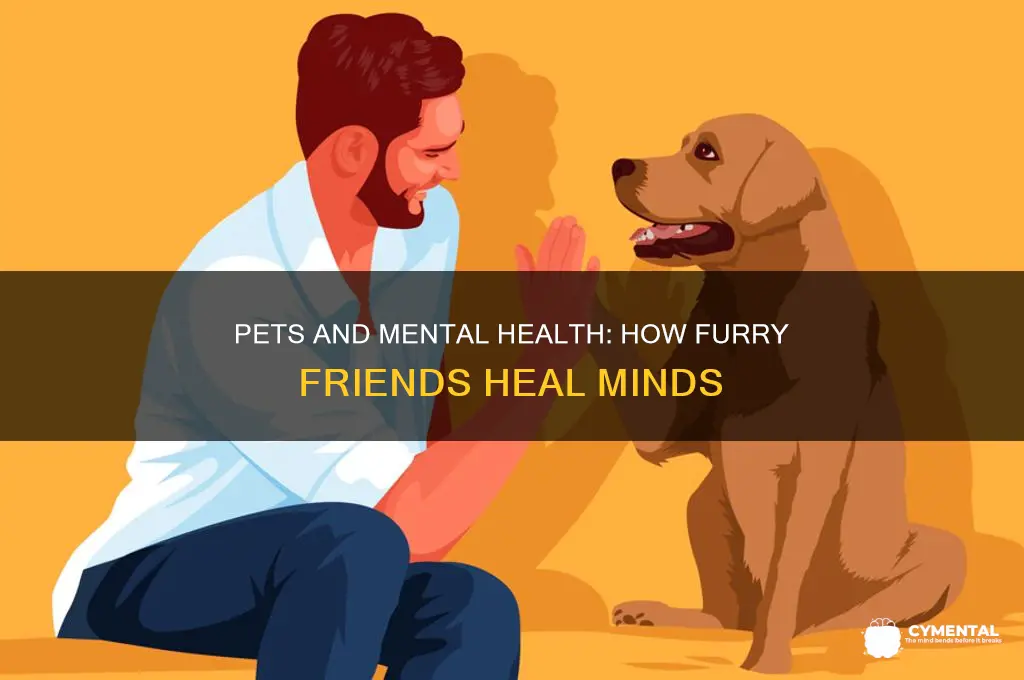
Pets play a significant role in improving mental health by providing companionship, reducing stress, and fostering emotional well-being. Studies have shown that interacting with animals, such as dogs or cats, can lower cortisol levels, the hormone associated with stress, while increasing oxytocin, which promotes feelings of happiness and relaxation. Pets offer unconditional love and a sense of purpose, helping individuals combat loneliness, anxiety, and depression. Additionally, the routine of caring for a pet can create structure and stability, which is particularly beneficial for those with mental health challenges. Whether through playful moments, quiet cuddles, or the simple act of being present, pets provide a unique and powerful form of emotional support that can significantly enhance mental health.
| Characteristics | Values |
|---|---|
| Reduces Stress and Anxiety | Pets lower cortisol (stress hormone) levels and increase oxytocin, promoting relaxation. Studies show petting a dog for 15 minutes reduces stress by up to 24%. |
| Provides Emotional Support | Pets offer unconditional love and companionship, reducing feelings of loneliness and isolation. |
| Encourages Physical Activity | Pet ownership, especially dogs, increases physical activity through walks, improving mood and reducing symptoms of depression. |
| Improves Social Interaction | Pets act as social catalysts, encouraging interactions with others (e.g., during walks or at pet parks). |
| Establishes Routine and Purpose | Caring for a pet creates a daily routine, providing structure and a sense of responsibility, which benefits mental health. |
| Reduces Symptoms of Depression | Interacting with pets releases serotonin and dopamine, neurotransmitters that combat depression. |
| Lowers Blood Pressure | Petting a pet can lower blood pressure, reducing anxiety and improving overall mental well-being. |
| Supports PTSD and Trauma Recovery | Service animals and emotional support animals help individuals with PTSD by providing comfort and grounding during episodes. |
| Enhances Self-Esteem | Caring for a pet fosters a sense of accomplishment and boosts self-worth. |
| Promotes Mindfulness | Interacting with pets encourages living in the present moment, reducing overthinking and anxiety. |
| Reduces Feelings of Loneliness | Pets provide constant companionship, especially for individuals living alone or isolated. |
| Improves Sleep Quality | The presence of a pet can improve sleep patterns, reducing insomnia and anxiety-related sleep issues. |
| Encourages Responsibility | Pet care teaches accountability and focus, which can positively impact mental health. |
| Provides Non-Judgmental Support | Pets offer emotional support without judgment, creating a safe space for individuals struggling with mental health issues. |
Explore related products


What You'll Learn
- Reducing Stress and Anxiety: Pets provide comfort, lower cortisol levels, and promote relaxation through companionship and routine
- Combating Loneliness: Pets offer unconditional love, reduce feelings of isolation, and foster emotional connection
- Boosting Mood: Interacting with pets increases serotonin and dopamine, enhancing happiness and overall well-being
- Encouraging Routine: Pet care creates structure, improves time management, and provides a sense of purpose
- Enhancing Social Interaction: Pets act as social catalysts, encouraging conversations and connections with others

Reducing Stress and Anxiety: Pets provide comfort, lower cortisol levels, and promote relaxation through companionship and routine
Pets have an unparalleled ability to reduce stress and anxiety, acting as natural buffers against the pressures of daily life. Studies show that interacting with a pet, even for just 15 minutes, can significantly lower cortisol levels—the hormone associated with stress. This physiological response is not just anecdotal; it’s backed by research demonstrating that pet owners often exhibit lower baseline stress levels compared to non-pet owners. The simple act of petting a dog or cat triggers the release of oxytocin, the "feel-good" hormone, which counteracts stress and promotes a sense of calm.
Consider the routine a pet establishes: feeding, walking, or grooming at consistent times. This structure provides a sense of purpose and predictability, which can be particularly grounding for individuals struggling with anxiety. For example, a morning walk with a dog not only ensures physical activity but also sets a positive tone for the day, reducing the likelihood of stress accumulation. Even the rhythmic sound of a cat purring has been shown to lower blood pressure and induce relaxation, making pets an accessible and effective tool for managing anxiety.
To maximize these benefits, incorporate intentional interactions into your daily routine. Spend 10–15 minutes actively engaging with your pet—whether through play, grooming, or training—to create a consistent stress-relief practice. For those without pets, even brief interactions with therapy animals or a friend’s pet can provide temporary relief. Additionally, pairing pet interaction with deep breathing exercises amplifies relaxation, as the tactile sensation of petting an animal helps focus the mind and slow breathing rates.
While pets are powerful allies in stress reduction, it’s important to match the pet to your lifestyle and needs. High-energy dogs may require more time and effort, which could inadvertently add stress if not aligned with your routine. Conversely, low-maintenance pets like fish or cats can still offer companionship and routine without overwhelming demands. The key is to choose a pet that complements your lifestyle, ensuring the relationship remains a source of comfort rather than an additional burden.
Incorporating pets into mental health strategies isn’t just about owning an animal—it’s about fostering a bond that provides emotional support and structure. By understanding the science behind their stress-relieving effects and tailoring interactions to your needs, pets can become an integral part of a holistic approach to managing anxiety. Whether through the predictability of their routines or the unconditional comfort they provide, pets offer a unique and effective way to cultivate a calmer, more relaxed state of mind.
Rising Mental Health Challenges: Uncovering the Surge in Global Struggles
You may want to see also
Explore related products


Combating Loneliness: Pets offer unconditional love, reduce feelings of isolation, and foster emotional connection
Loneliness is a silent epidemic, affecting millions across all age groups, from teenagers grappling with social anxiety to seniors facing the solitude of retirement. Pets, however, emerge as powerful allies in this battle. Unlike human relationships, which can be fraught with judgment or conditionality, pets offer unwavering companionship. A dog’s wagging tail or a cat’s purr provides a consistent emotional anchor, particularly for those who struggle with social interactions. Studies show that pet owners report significantly lower levels of loneliness, with 85% of respondents in a 2021 *Human Animal Bond Research Institute* survey citing their pets as a primary source of comfort during periods of isolation.
Consider the routine a pet imposes: feeding, walking, or grooming. These tasks create structure, a critical element for individuals feeling adrift in loneliness. For example, walking a dog not only enforces physical activity but also increases social opportunities, as 60% of dog owners report engaging in conversations with strangers during walks. Even small pets, like hamsters or birds, demand care, shifting focus from internal struggles to external responsibilities. This shift is particularly beneficial for those with depression or anxiety, as it fosters a sense of purpose and accountability.
The emotional connection pets provide is unparalleled. Oxytocin, the "love hormone," spikes in both humans and dogs during interactions, fostering a biochemical bond. For older adults, who are disproportionately affected by loneliness, pets can fill the void left by empty nests or lost spouses. A study published in *Aging & Mental Health* found that seniors with pets experienced 40% fewer depressive symptoms compared to non-pet owners. Even virtual interactions, like watching fish swim in an aquarium, have been shown to reduce stress and promote calmness, offering a low-maintenance option for those unable to care for traditional pets.
To maximize the loneliness-combating benefits of pets, consider these practical steps: adopt a pet whose energy level matches your lifestyle (e.g., a calm cat for sedentary individuals, an active dog for those seeking outdoor engagement); establish a daily routine that includes playtime and training to deepen the bond; and leverage technology, such as pet cameras or apps, to stay connected when apart. For those hesitant about long-term commitment, fostering or volunteering at shelters provides similar emotional rewards without permanence.
While pets are not a cure-all, their ability to reduce loneliness is undeniable. They bridge the gap between isolation and connection, offering a form of love that asks nothing in return. By integrating pets into daily life, individuals can reclaim a sense of belonging, one wagging tail or gentle purr at a time.
Breaking the Silence: Overcoming Isolation in Mental Health Struggles
You may want to see also
Explore related products


Boosting Mood: Interacting with pets increases serotonin and dopamine, enhancing happiness and overall well-being
Interacting with pets isn’t just a heartwarming experience—it’s a biochemical reaction. Studies show that petting a dog or cat for just 15–30 minutes can significantly increase serotonin and dopamine levels in the brain. These neurotransmitters are often referred to as the "feel-good" chemicals, responsible for regulating mood, pleasure, and overall well-being. For individuals struggling with depression or anxiety, this simple act can provide a natural, drug-free way to boost their mood. It’s not just anecdotal; research from the *Journal of Personality and Social Psychology* confirms that pet owners experience higher levels of positive emotions compared to non-pet owners.
To maximize this benefit, consistency is key. Incorporate short, daily interactions with your pet into your routine. For example, spend 10 minutes petting your cat in the morning or take your dog for a 20-minute walk in the evening. These small, intentional moments can accumulate into significant improvements in mood over time. If you don’t own a pet, consider volunteering at a local shelter or arranging pet-sitting gigs to reap similar benefits. Even brief encounters with animals can trigger the release of serotonin and dopamine, offering a quick mood lift.
Comparatively, the impact of pet interaction on mood rivals some traditional mood-boosting activities. While exercise and meditation are well-known for their mental health benefits, they often require more effort and time. Pet interaction, on the other hand, is accessible, immediate, and inherently rewarding. For instance, a study published in *Science* found that petting a dog for 15 minutes reduced cortisol (stress hormone) levels by 10–24%, while simultaneously increasing dopamine and serotonin. This makes it a uniquely efficient way to enhance happiness, especially for those who find other self-care practices challenging.
A practical tip for amplifying these effects is to combine pet interaction with mindfulness. Instead of passively petting your animal, focus on the sensation of their fur, the sound of their purring, or the rhythm of their breathing. This mindful engagement deepens the connection and intensifies the release of feel-good chemicals. For children and older adults, structured activities like grooming or training sessions can further enhance the experience, fostering a sense of accomplishment and bonding.
In conclusion, the mood-boosting power of pets lies in their ability to trigger serotonin and dopamine release through simple, enjoyable interactions. Whether you’re a pet owner or not, incorporating animal companionship into your life can be a transformative tool for improving mental health. Start small, stay consistent, and let the science-backed benefits of pet interaction work their magic on your well-being.
Are Mental Health Issues Hereditary? Unraveling the Genetic Link
You may want to see also
Explore related products


Encouraging Routine: Pet care creates structure, improves time management, and provides a sense of purpose
Pets demand consistency, and this non-negotiable need for care can become the backbone of a structured daily routine. Feeding, walking, grooming, and playtime are not just tasks; they are anchors that ground your day. For individuals struggling with mental health issues like depression or anxiety, the simple act of setting an alarm to feed a pet in the morning can be a powerful motivator to get out of bed. This forced structure helps combat the aimlessness that often accompanies mental health struggles, providing a clear framework for the day.
A study published in the *Journal of Psychiatric Research* found that pet owners with depression reported significantly higher levels of daily routine and activity compared to non-pet owners. This suggests that the inherent routine of pet care can act as a form of behavioral activation, a therapeutic technique used to alleviate depression by increasing engagement in meaningful activities.
Consider this: a 30-minute morning walk with your dog not only benefits your pet’s health but also ensures you get fresh air and exercise, both proven mood boosters. Similarly, scheduling playtime in the evening can serve as a natural transition to winding down, signaling to your body that it’s time to relax. For maximum benefit, integrate pet care tasks into your daily planner or set reminders on your phone. Consistency is key—aim to perform these tasks at the same time each day to reinforce the routine.
While the structure of pet care is beneficial, it’s important to acknowledge potential challenges. Over-reliance on pets for routine can lead to stress if circumstances change, such as illness or unexpected schedule disruptions. To mitigate this, build flexibility into your routine. For example, have a backup plan for pet care, like a trusted neighbor or pet sitter, in case you’re unable to fulfill your duties. Additionally, avoid letting pet care dominate your schedule entirely; balance it with self-care activities like meditation or hobbies to ensure a holistic approach to mental health.
The beauty of pet care lies in its ability to provide a sense of purpose, even on the darkest days. Knowing that another living being depends on you fosters responsibility and accountability, which can be particularly grounding for those grappling with feelings of worthlessness or hopelessness. A cat’s purr or a dog’s wagging tail in response to your care reinforces the idea that your actions matter, creating a positive feedback loop that can gradually rebuild self-esteem. For older adults or individuals living alone, this sense of purpose can be especially transformative, combating loneliness and fostering a renewed sense of belonging.
Incorporating pet care into your life isn’t just about adding tasks—it’s about reclaiming control over your time and mental space. Start small: commit to one consistent pet care activity daily, like a 15-minute grooming session or a short walk. Gradually expand this routine, allowing it to naturally integrate with other aspects of your day. Over time, you’ll find that the structure, purpose, and predictability of pet care not only benefit your pet but also serve as a stabilizing force in your own mental health journey.
Opiates and the Mind: Unraveling the Link to Mental Health Struggles
You may want to see also
Explore related products


Enhancing Social Interaction: Pets act as social catalysts, encouraging conversations and connections with others
Pets, particularly dogs, have an uncanny ability to break the ice in social situations. A study published in *Anthrozoös* found that individuals walking with a dog were significantly more likely to receive social greetings from strangers compared to those walking alone. This simple act of companionship can serve as a powerful tool for those struggling with social anxiety or isolation. For example, a person walking a dog in the park may find themselves approached by fellow dog owners or admirers, initiating conversations that might not have occurred otherwise. This natural catalyst effect can help individuals gradually build confidence in social interactions, one small talk at a time.
To maximize this benefit, consider incorporating structured social activities centered around your pet. Joining a local dog park group, enrolling in obedience classes, or participating in pet-friendly community events can provide consistent opportunities for interaction. For those with cats or smaller pets, online communities or local meetups for pet enthusiasts can serve the same purpose. The key is to use your pet as a shared interest, creating a low-stakes entry point into conversations. Even introverts or individuals with social apprehension may find it easier to engage when the focus is on their pet rather than themselves.
However, it’s important to manage expectations and set boundaries. Not every interaction will lead to a deep connection, and that’s okay. The goal is to practice social engagement in a comfortable, non-threatening context. For individuals with severe social anxiety, starting with brief exchanges—like a quick chat about dog breeds or a compliment on a pet’s behavior—can be more manageable than attempting lengthy conversations. Over time, these micro-interactions can accumulate, fostering a sense of belonging and reducing feelings of loneliness.
A practical tip for leveraging pets in social settings is to carry conversation starters related to your pet. For instance, a dog owner might bring along training treats and be prepared to discuss their pet’s progress, while a cat owner could share funny anecdotes or photos. These tangible elements not only keep the conversation flowing but also shift the focus away from personal vulnerabilities, making interactions feel safer and more enjoyable. By strategically using pets as social catalysts, individuals can gradually expand their social circles and improve their mental well-being.
Mentors' Role in Mental Health: Support, Growth, and Resilience
You may want to see also
Frequently asked questions
Pets provide companionship and unconditional love, which triggers the release of oxytocin (the "feel-good" hormone) and reduces cortisol (the stress hormone). Activities like petting a dog or cat can lower blood pressure and promote relaxation, helping to alleviate symptoms of stress and anxiety.
Yes, pets offer a sense of purpose and routine, which can combat feelings of hopelessness or loneliness often associated with depression. Their presence encourages physical activity, social interaction, and emotional bonding, all of which contribute to improved mood and mental well-being.
Pets, especially trained service animals, can provide emotional support and grounding for individuals with PTSD. They help reduce hypervigilance, provide a sense of safety, and interrupt panic or anxiety attacks. The consistent presence of a pet can also foster trust and emotional healing.
Pets act as social catalysts, encouraging interactions with others during walks, at parks, or in pet-related communities. They provide a topic of conversation and a shared interest, helping individuals feel more connected and less isolated, which is particularly beneficial for those struggling with mental health issues.