Harper Lewis
Psychology plays a pivotal role in understanding, treating, and managing mental illness by offering evidence-based therapies, diagnostic tools, and strategies to improve mental well-being. Through approaches like cognitive-behavioral therapy (CBT), psychotherapy, and mindfulness-based interventions, psychologists help individuals reframe negative thought patterns, develop coping mechanisms, and address underlying emotional issues. Additionally, psychological research sheds light on the biological, social, and environmental factors contributing to mental health disorders, enabling more targeted and personalized treatments. By fostering resilience, enhancing self-awareness, and reducing stigma, psychology empowers individuals to navigate their mental health challenges and lead more fulfilling lives. Its interdisciplinary nature also bridges gaps between mental health care, neuroscience, and public health, ensuring a holistic approach to healing and prevention.
| Characteristics | Values |
|---|---|
| Therapeutic Interventions | Cognitive Behavioral Therapy (CBT), Dialectical Behavior Therapy (DBT), Psychodynamic Therapy, and more to address specific mental health issues. |
| Diagnosis and Assessment | Psychological assessments, interviews, and standardized tests to accurately diagnose mental illnesses. |
| Behavior Modification | Techniques to replace harmful behaviors with healthier ones, improving overall functioning. |
| Emotional Regulation | Tools and strategies to manage emotions, reduce distress, and enhance emotional resilience. |
| Cognitive Restructuring | Helps individuals identify and change negative thought patterns contributing to mental illness. |
| Stress Management | Techniques like mindfulness, relaxation, and coping strategies to reduce stress and anxiety. |
| Support and Coping Mechanisms | Provides frameworks for coping with trauma, grief, and chronic mental health conditions. |
| Prevention Strategies | Early intervention programs and psychoeducation to prevent the onset of mental illnesses. |
| Personalized Treatment Plans | Tailored approaches based on individual needs, ensuring effective and sustainable recovery. |
| Research and Evidence-Based Practices | Continuous research to develop and refine treatments backed by scientific evidence. |
| Holistic Approach | Addresses biological, social, and environmental factors contributing to mental health. |
| Stigma Reduction | Psychological education and advocacy to reduce societal stigma around mental illness. |
| Improved Quality of Life | Enhances daily functioning, relationships, and overall well-being for individuals with mental illness. |
| Crisis Intervention | Immediate psychological support during acute mental health crises to prevent harm. |
| Long-Term Management | Ongoing therapy and support to manage chronic mental health conditions effectively. |
Explore related products



What You'll Learn
- Cognitive Behavioral Therapy (CBT): Restructures negative thought patterns to improve mood and behavior effectively
- Mindfulness Techniques: Promotes present-moment awareness to reduce stress and enhance emotional regulation
- Psychodynamic Therapy: Explores unconscious processes to resolve deep-seated emotional conflicts and trauma
- Positive Psychology: Focuses on strengths and well-being to foster resilience and life satisfaction
- Supportive Therapy: Provides empathy and guidance to help individuals cope with mental health challenges

Cognitive Behavioral Therapy (CBT): Restructures negative thought patterns to improve mood and behavior effectively
Cognitive Behavioral Therapy (CBT) is a structured, goal-oriented psychotherapy that has become a cornerstone in treating mental illnesses such as depression, anxiety, and PTSD. At its core, CBT operates on the principle that our thoughts, feelings, and behaviors are interconnected. By identifying and challenging negative thought patterns—often automatic and irrational—individuals can reframe their perspectives, leading to improved mood and behavior. For instance, someone with generalized anxiety might believe, "I’ll fail this presentation," a thought that triggers stress and avoidance. CBT teaches them to question this assumption: "What evidence supports this? Have I failed every presentation before?" This process disrupts the cycle of negativity, fostering healthier responses.
The effectiveness of CBT lies in its practical, action-oriented approach. Sessions typically last 50–60 minutes, with 12–20 sessions being the average "dose" for mild to moderate conditions. Therapists assign homework, such as thought records or behavioral experiments, to reinforce skills outside of sessions. For example, a person with social anxiety might practice initiating conversations in low-stakes settings, gradually building confidence. Research shows that CBT reduces symptoms in 50–75% of cases, often with effects lasting long after treatment ends. Its structured nature makes it particularly accessible for adolescents and adults, though adaptations are available for younger children, such as incorporating play or visual aids.
One of CBT’s strengths is its adaptability across disorders. For depression, it targets hopelessness and self-criticism; for OCD, it challenges compulsive rituals; for insomnia, it addresses sleep-related anxieties. However, CBT is not a one-size-fits-all solution. It requires active participation and a willingness to confront uncomfortable thoughts, which can be challenging for some. Additionally, while CBT is highly effective for mild to moderate cases, severe or chronic conditions may require integration with medication or other therapies. For instance, a person with treatment-resistant depression might combine CBT with antidepressants for better outcomes.
To maximize the benefits of CBT, individuals should approach it as a collaborative process. Be honest with your therapist about your thoughts and struggles—even if they feel trivial. Consistency is key; attending sessions regularly and completing homework ensures progress. Outside of therapy, mindfulness practices, such as deep breathing or journaling, can complement CBT by grounding you in the present moment. For those hesitant to start, consider it an investment in mental resilience: just as physical exercise strengthens the body, CBT strengthens the mind’s ability to navigate challenges. With time and effort, the skills learned in CBT become tools for lifelong emotional well-being.
Nature's Healing Power: Boosting Mental Health Through Outdoor Activities
You may want to see also
Explore related products


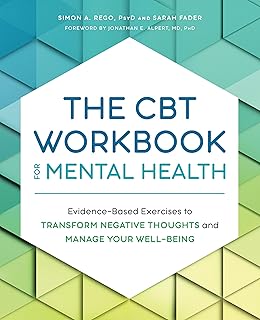
Mindfulness Techniques: Promotes present-moment awareness to reduce stress and enhance emotional regulation
Stress, a pervasive modern affliction, often stems from dwelling on past regrets or anxiously anticipating future uncertainties. Mindfulness techniques disrupt this cycle by anchoring attention to the present moment, fostering a mental environment less conducive to distress. Research indicates that consistent mindfulness practice can reduce cortisol levels, the body’s primary stress hormone, by up to 14% over an 8-week period. This physiological shift is accompanied by improved emotional regulation, as individuals become more adept at observing their thoughts and feelings without immediate reaction. For instance, a study published in *JAMA Internal Medicine* found that mindfulness-based stress reduction (MBSR) programs significantly lowered anxiety and depression symptoms in adults aged 18–65, with effects lasting up to six months post-intervention.
To integrate mindfulness into daily life, start with a simple 5-minute breathing exercise. Sit comfortably, close your eyes, and focus on the sensation of air entering and leaving your nostrils. When the mind wanders—as it inevitably will—gently redirect attention to the breath. This practice, known as focused attention meditation, can be expanded to 10–20 minutes daily for greater benefits. For those with busy schedules, mindfulness can also be practiced during routine activities, such as eating or walking. For example, while eating, pay attention to the texture, flavor, and aroma of the food, savoring each bite without distractions. This approach, termed *mindful eating*, has been shown to reduce binge eating and improve overall dietary habits.
While mindfulness is accessible to all ages, its application varies. Children, for instance, benefit from playful mindfulness activities, such as guided imagery or "belly breathing," where they place a hand on their stomach to feel it rise and fall. Adolescents, who often face academic and social pressures, may find mindfulness apps like *Headspace* or *Calm* particularly useful, as these platforms offer age-appropriate exercises. Adults, especially those in high-stress professions, can incorporate mindfulness into their workday by taking brief pauses to focus on their breath or scan their body for tension. Caution should be exercised, however, as mindfulness is not a one-size-fits-all solution; individuals with severe trauma or PTSD may experience heightened distress during practice and should seek guidance from a trained therapist.
Comparatively, mindfulness techniques differ from traditional psychotherapy in their emphasis on non-judgmental awareness rather than problem-solving or cognitive restructuring. While cognitive-behavioral therapy (CBT) targets specific thought patterns, mindfulness encourages acceptance of the present experience, fostering resilience rather than resistance. This distinction makes mindfulness a valuable complement to existing treatments, particularly for conditions like generalized anxiety disorder or chronic pain. A meta-analysis in *Clinical Psychology Review* revealed that mindfulness-based interventions were as effective as antidepressant medication in preventing relapse in recurrent depression, highlighting its role as a potent therapeutic tool.
In conclusion, mindfulness techniques offer a practical and evidence-based approach to managing mental health challenges by cultivating present-moment awareness. Whether through formal meditation, mindful activities, or technology-assisted practices, individuals across age groups can harness its benefits. However, mindfulness is not a panacea; its effectiveness depends on consistent practice and, in some cases, professional oversight. By integrating mindfulness into daily routines, individuals can reduce stress, enhance emotional regulation, and build a foundation for long-term mental well-being.
ADA Support for Mental Health: Empowering Accessibility and Inclusion
You may want to see also
Explore related products


Psychodynamic Therapy: Explores unconscious processes to resolve deep-seated emotional conflicts and trauma
Psychodynamic therapy delves into the unseen currents of the mind, targeting unconscious thoughts, feelings, and memories that shape behavior and emotional distress. Unlike approaches that focus on surface symptoms, it maps the intricate web of past experiences, often from childhood, that contribute to present-day struggles. This method is particularly effective for individuals grappling with deep-seated issues like chronic depression, anxiety, or recurring relationship problems, where the root cause isn’t immediately apparent. By bringing these hidden dynamics into conscious awareness, patients can begin to untangle the knots that bind them to self-defeating patterns.
Consider a 35-year-old professional who experiences paralyzing self-doubt despite external success. Through psychodynamic therapy, they uncover a childhood marked by a critical parent whose disapproval they internalized. Sessions reveal how this early conditioning fuels their fear of failure and need for perfection. The therapist helps them reframe these ingrained beliefs, fostering self-compassion and resilience. Over 12–18 months of weekly 50-minute sessions, the client reports reduced anxiety and a newfound ability to set boundaries in both personal and professional relationships. This example illustrates how addressing unconscious conflicts can lead to profound, lasting change.
One of the key techniques in psychodynamic therapy is free association, where patients verbalize whatever comes to mind without censorship. This process bypasses conscious defenses, allowing repressed material to surface. Another tool is dream analysis, which interprets symbolic content to reveal unmet needs or unresolved conflicts. For instance, recurring dreams of being trapped might reflect feelings of powerlessness rooted in past trauma. Therapists also explore transference—how patients project past relational dynamics onto the therapist—to understand and rework maladaptive patterns. These methods require patience but yield insights that can transform one’s sense of self.
Critics argue that psychodynamic therapy is time-intensive and less structured than cognitive-behavioral approaches, making it impractical for some. However, its depth-oriented focus offers unique advantages. For those with complex trauma or long-standing emotional wounds, quick fixes often fall short. Psychodynamic therapy provides a safe space to process pain at its source rather than merely managing symptoms. It’s particularly suited for adults over 25, as it relies on introspection and emotional maturity. Adolescents or individuals seeking short-term relief may find other modalities more aligned with their needs.
To maximize benefits, patients should approach psychodynamic therapy with openness and commitment. Keeping a journal between sessions can help track emerging insights and emotional shifts. It’s also crucial to find a therapist with whom you feel safe and understood, as the therapeutic relationship is central to success. While progress may feel slow initially, breakthroughs often occur unexpectedly, reshaping one’s narrative in ways that extend far beyond symptom relief. This approach doesn’t just treat mental illness—it fosters a deeper understanding of oneself, paving the way for authentic growth.
Mental Health Awareness: Empowering Lives, Breaking Stigma, and Fostering Well-being
You may want to see also
Explore related products


$47.34 $54.95


Positive Psychology: Focuses on strengths and well-being to foster resilience and life satisfaction
Psychology's traditional focus on pathology—identifying and treating mental illness—has long dominated the field. However, positive psychology shifts the lens to what makes life worth living, emphasizing strengths, well-being, and resilience. This approach doesn’t ignore mental illness but complements it by building psychological capital that can prevent or mitigate struggles. For instance, research shows that individuals who cultivate gratitude through daily journaling experience a 25% increase in happiness levels over three months. This simple practice, rooted in positive psychology, demonstrates how focusing on strengths can tangibly improve mental health.
Consider the PERMA model, a cornerstone of positive psychology developed by Martin Seligman. It outlines five elements essential for well-being: Positive Emotion, Engagement, Relationships, Meaning, and Accomplishment. Each component offers actionable pathways to enhance life satisfaction. For example, fostering meaningful relationships can act as a buffer against depression, while pursuing goals that align with personal values (Accomplishment) boosts self-efficacy. Practical application might involve setting aside 15 minutes daily for mindfulness or engaging in activities that promote "flow," a state of deep immersion linked to increased happiness and reduced anxiety.
Critics argue that positive psychology risks oversimplifying complex mental health issues, but its value lies in its preventive and restorative potential. For instance, resilience training programs, grounded in positive psychology principles, have been shown to reduce symptoms of anxiety and depression in adolescents by 30%. These programs often include exercises like reframing negative thoughts, identifying character strengths, and building social support networks. Such interventions are particularly effective when integrated into school curricula or workplace wellness programs, offering scalable solutions for broader populations.
A comparative analysis highlights the difference between traditional therapy and positive psychology. While cognitive-behavioral therapy (CBT) focuses on correcting maladaptive thought patterns, positive psychology encourages the amplification of positive emotions and experiences. For example, a person with mild depression might benefit from CBT to address negative self-talk, but positive psychology could simultaneously introduce practices like savoring positive moments or performing acts of kindness, which have been shown to elevate mood and foster a sense of purpose. This dual approach addresses both the "illness" and the "wellness" sides of mental health.
Incorporating positive psychology into daily life doesn’t require drastic changes. Start small: keep a gratitude journal, practice random acts of kindness, or dedicate time to activities that align with your strengths. For parents, encouraging children to identify their strengths through tools like the VIA Character Strengths Survey can build resilience early. Employers can implement recognition programs that highlight employees’ accomplishments, fostering a culture of appreciation. The takeaway? Positive psychology isn’t about ignoring struggles but about equipping individuals with tools to thrive, transforming the conversation from "What’s wrong?" to "What’s strong?"
Ketamine's Role in Mental Health: A Breakthrough Treatment Explained
You may want to see also
Explore related products



Supportive Therapy: Provides empathy and guidance to help individuals cope with mental health challenges
Mental health challenges often leave individuals feeling isolated and misunderstood, exacerbating their struggles. Supportive therapy steps in as a bridge, offering a safe space where empathy and guidance intertwine to foster resilience. Unlike more directive therapeutic approaches, supportive therapy prioritizes the therapeutic relationship, allowing individuals to feel heard and validated. This foundation of trust becomes a cornerstone for coping, as clients learn to navigate their emotions and challenges with newfound clarity.
Consider a 35-year-old professional grappling with anxiety triggered by workplace stress. In supportive therapy, the therapist might employ active listening, reflecting the client’s feelings without judgment. For instance, instead of immediately offering solutions, the therapist might say, “It sounds like the pressure at work is overwhelming, and you’re feeling trapped.” This empathetic response validates the client’s experience, reducing feelings of isolation. Over time, the therapist guides the client in identifying coping mechanisms, such as mindfulness exercises or boundary-setting strategies, tailored to their specific needs. Sessions, typically 45–60 minutes weekly, provide consistent support, helping the client build emotional stamina.
One of the strengths of supportive therapy lies in its adaptability. Whether addressing depression, grief, or adjustment disorders, the approach remains client-centered, focusing on immediate needs rather than deep-rooted issues. For adolescents, for example, supportive therapy might involve creative techniques like journaling or art to express emotions they struggle to articulate verbally. For older adults, it could emphasize reminiscence therapy, helping them find meaning in past experiences to cope with present challenges. This flexibility ensures that the therapy remains accessible and relevant across diverse age groups and conditions.
Critics might argue that supportive therapy lacks the depth of psychodynamic or cognitive-behavioral approaches, but its simplicity is its strength. It doesn’t aim to unravel complex psychological histories; instead, it equips individuals with practical tools to manage daily struggles. For someone experiencing acute distress, this immediate support can be life-altering. A study published in *Psychotherapy Research* found that supportive therapy significantly reduced symptoms of anxiety and depression in participants over 12 weeks, highlighting its efficacy as a short-term intervention.
In practice, supportive therapy is not a one-size-fits-all solution but a dynamic process that evolves with the client’s needs. Therapists often integrate elements of other modalities, such as teaching relaxation techniques or encouraging goal-setting, to enhance coping skills. For maximum benefit, consistency is key—regular sessions, coupled with homework assignments like daily gratitude journaling or stress tracking, reinforce progress. Ultimately, supportive therapy empowers individuals by reminding them they are not alone, offering both a compassionate ear and a guiding hand through life’s storms.
Socializing for Mental Health: Boosting Well-Being Through Connection and Community
You may want to see also
Frequently asked questions
Psychology provides evidence-based tools and assessments, such as clinical interviews, questionnaires, and behavioral observations, to accurately diagnose mental illnesses. Psychologists use diagnostic criteria from resources like the DSM-5 (Diagnostic and Statistical Manual of Mental Disorders) to identify conditions and tailor treatment plans.
Psychology offers various therapeutic approaches, including cognitive-behavioral therapy (CBT), dialectical behavior therapy (DBT), and psychodynamic therapy, to address mental health issues. These therapies help individuals understand their thoughts, emotions, and behaviors, develop coping strategies, and improve overall well-being.
Yes, psychology focuses on early intervention and prevention strategies. By identifying risk factors and providing timely support, psychologists can help individuals manage symptoms before they escalate. Psychoeducation and resilience-building techniques also empower people to maintain mental health.
Psychology emphasizes holistic and personalized care, addressing biological, psychological, and social factors. Through ongoing therapy, skill-building, and support networks, psychologists help individuals achieve sustained recovery, improve functioning, and enhance their quality of life.