Caleb Wright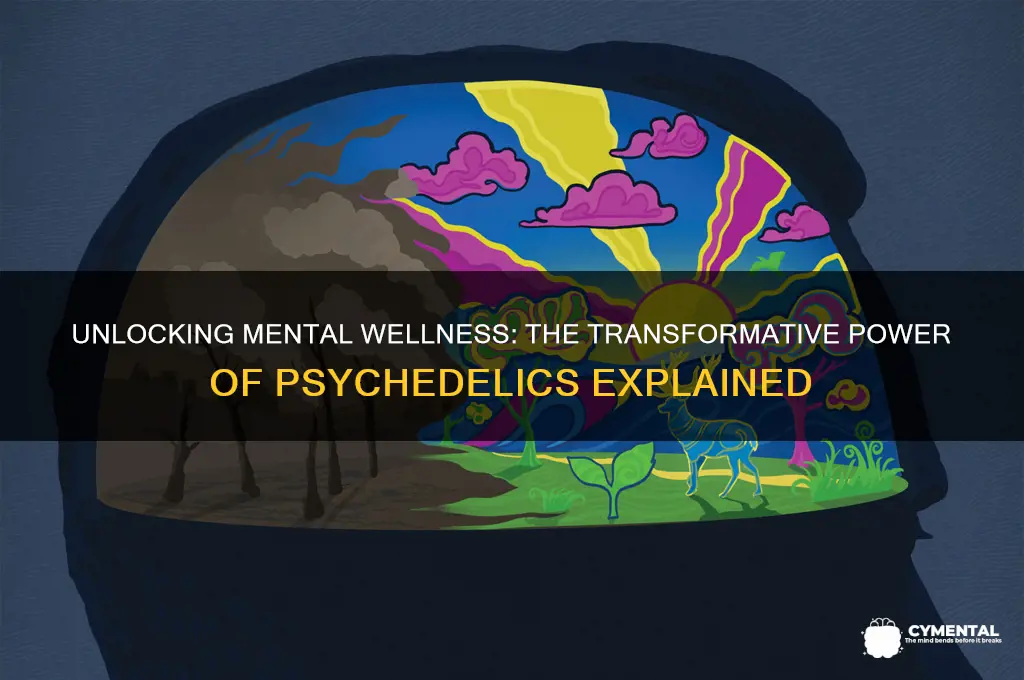
Psychedelics, once stigmatized and relegated to the fringes of society, are now emerging as a promising frontier in mental health treatment. Research has shown that substances like psilocybin, MDMA, and LSD can catalyze profound therapeutic effects, particularly for conditions such as depression, PTSD, anxiety, and addiction. By altering brain activity and promoting neural plasticity, psychedelics facilitate deep emotional processing, enhance introspection, and foster a sense of interconnectedness, often leading to lasting improvements in mood, perspective, and overall well-being. When administered in controlled, therapeutic settings, these substances have demonstrated the potential to break cycles of chronic mental illness, offering hope to individuals who have found limited relief through conventional treatments. As scientific understanding and societal attitudes evolve, psychedelics are increasingly recognized as powerful tools for healing and personal transformation.
Explore related products

$19.49 $22.95


What You'll Learn
- Psilocybin for Depression: Studies show psilocybin reduces depression symptoms, offering hope for treatment-resistant cases
- MDMA for PTSD: MDMA-assisted therapy enhances trauma processing, significantly reducing PTSD symptoms in clinical trials
- LSD for Anxiety: LSD microdosing may alleviate anxiety by promoting neuroplasticity and emotional regulation
- Ayahuasca for Addiction: Ayahuasca helps break addiction cycles by addressing underlying psychological and emotional issues
- Ketamine for Suicidality: Ketamine provides rapid relief from suicidal thoughts, acting as a lifesaving intervention

Psilocybin for Depression: Studies show psilocybin reduces depression symptoms, offering hope for treatment-resistant cases
Depression, a pervasive and often debilitating condition, affects millions worldwide, with many finding limited relief from conventional treatments. Enter psilocybin, the psychoactive compound found in certain mushrooms, which has emerged as a promising alternative for those with treatment-resistant depression. Recent studies have demonstrated that a single dose of psilocybin, administered in a controlled therapeutic setting, can significantly reduce depressive symptoms, sometimes with effects lasting months. This breakthrough offers a glimmer of hope for individuals who have exhausted traditional therapies without success.
Consider the findings from a 2021 study published in *JAMA Psychiatry*, where participants with major depressive disorder received two doses of 25 mg of psilocybin, three weeks apart, alongside psychotherapy. The results were striking: 71% of participants showed a clinically significant response, and 54% achieved remission at the one-week mark. These effects persisted for up to three months, with many participants reporting profound shifts in perspective and emotional well-being. Such outcomes challenge the conventional treatment paradigm, suggesting that psilocybin’s impact extends beyond symptom management to potentially address the root causes of depression.
However, integrating psilocybin into mental health treatment is not without challenges. The compound’s psychoactive effects require careful management, typically involving a trained therapist to guide the experience and help patients process the insights gained. Dosage is critical; studies often use 20–30 mg of psilocybin, a range that balances therapeutic benefit with safety. Patients must also be screened for contraindications, such as a personal or family history of psychosis, as psilocybin can exacerbate these conditions. Despite these precautions, the potential for a single session to yield lasting results makes psilocybin an attractive option for those with limited treatment alternatives.
For individuals considering psilocybin therapy, practical steps include seeking out clinical trials or jurisdictions where it is legally accessible, such as in Oregon, where it has been approved for therapeutic use. Preparation is key: patients should engage in pre-session counseling to set intentions and address fears. During the session, a comfortable, supportive environment is essential, often enhanced by calming music and minimal distractions. Post-session integration, where patients reflect on their experience with a therapist, is crucial for translating insights into lasting behavioral changes.
While psilocybin is not a panacea, its potential to alleviate treatment-resistant depression is undeniable. As research advances and regulatory barriers ease, this ancient compound may become a cornerstone of modern mental health care, offering a new path to healing for those who need it most.
Mental Exercise and Dementia: Unlocking Brain Health Benefits
You may want to see also
Explore related products


$12.99 $12.99


MDMA for PTSD: MDMA-assisted therapy enhances trauma processing, significantly reducing PTSD symptoms in clinical trials
Post-traumatic stress disorder (PTSD) often resists conventional treatments, leaving survivors trapped in cycles of fear and avoidance. MDMA-assisted therapy offers a breakthrough by temporarily altering brain chemistry to facilitate emotional processing without overwhelming distress. Clinical trials have shown that when administered in controlled doses (typically 80–120 mg, followed by a supplemental half-dose 1.5–2 hours later), MDMA fosters a state of heightened empathy, introspection, and emotional openness. This unique neurochemical environment allows individuals to revisit traumatic memories with reduced fear responses, enabling deeper therapeutic engagement.
The therapeutic process involves three distinct phases: preparation, MDMA-assisted sessions, and integration. During preparation, therapists establish trust and educate participants about what to expect. The MDMA sessions, lasting 6–8 hours, are conducted in a safe, supportive environment with two trained therapists present. Participants are encouraged to focus inward, exploring their trauma while the therapists provide guidance without directing the experience. Integration sessions follow, helping individuals process insights and apply them to daily life. This structured approach ensures that the psychedelic experience translates into lasting psychological change.
What sets MDMA apart from traditional PTSD treatments is its ability to simultaneously reduce fear and increase emotional resilience. Studies have demonstrated that after just 2–3 MDMA-assisted sessions, participants experience significant reductions in PTSD symptoms, with many achieving remission. For instance, a Phase 3 trial published in *Nature Medicine* found that 67% of participants no longer met PTSD criteria after treatment, compared to 32% in the placebo group. These results highlight MDMA’s potential as a transformative tool for trauma survivors, particularly those who have not responded to other interventions.
However, MDMA-assisted therapy is not without considerations. It is not suitable for individuals with cardiovascular conditions, a history of psychosis, or those currently taking certain medications, such as SSRIs. Additionally, the therapy requires a high level of commitment and emotional readiness from participants. Therapists must be specially trained to navigate the complexities of psychedelic-assisted sessions, ensuring both safety and efficacy. Despite these challenges, the promise of MDMA for PTSD is undeniable, offering hope to millions who have struggled to find relief through conventional means.
For those considering MDMA-assisted therapy, practical steps include researching qualified clinics or trials, consulting with a mental health professional, and preparing for the emotional intensity of the process. While not yet widely available, the treatment is moving closer to FDA approval, with potential legalization in the coming years. As research continues, MDMA stands as a testament to the power of psychedelics to reshape mental health care, providing a new pathway for healing from trauma.
Teen Mental Health Support: Confidential Options Without Parental Involvement
You may want to see also
Explore related products


$22 $22


LSD for Anxiety: LSD microdosing may alleviate anxiety by promoting neuroplasticity and emotional regulation
Anxiety disorders affect millions globally, often resistant to conventional treatments. LSD microdosing—typically 10 to 20 micrograms every few days—has emerged as a potential alternative, leveraging the drug’s ability to enhance neuroplasticity and emotional regulation. Unlike a full dose, microdosing aims to subtly shift brain function without inducing hallucinations, making it a practical option for daily life.
Neuroplasticity, the brain’s ability to reorganize itself, is crucial for overcoming anxiety. LSD interacts with serotonin receptors, particularly 5-HT2A, fostering neural connectivity and rewiring maladaptive thought patterns. Studies suggest this process allows individuals to process emotions more fluidly, reducing the rigidity often seen in anxiety disorders. For instance, a 2022 study in *Nature* found that microdosing participants reported increased emotional resilience after just four weeks.
Emotional regulation, another key factor, benefits from LSD’s impact on the default mode network (DMN), a brain system linked to self-referential thinking. Anxiety often amplifies DMN activity, trapping individuals in cycles of worry. Microdosing appears to temporarily "quiet" the DMN, offering a mental reset. Practical tips for those considering this approach include maintaining a journal to track mood changes and starting with the lowest effective dose (10 micrograms) to minimize side effects.
However, caution is essential. Long-term effects of LSD microdosing remain understudied, and legality varies by region. Individuals with a history of psychosis or severe mental health conditions should avoid it due to potential risks. For those in their 20s to 40s seeking complementary treatments, microdosing could be a tool, but it’s not a standalone cure. Combining it with therapy, mindfulness practices, and lifestyle changes maximizes its potential.
In summary, LSD microdosing offers a novel pathway for anxiety relief by enhancing neuroplasticity and emotional regulation. While promising, it requires careful consideration of dosage, legality, and individual health. As research evolves, it may become a more mainstream option, but for now, it remains an experimental yet intriguing approach.
Exploring Ayahuasca's Potential in Treating Mental Health Disorders
You may want to see also
Explore related products





Ayahuasca for Addiction: Ayahuasca helps break addiction cycles by addressing underlying psychological and emotional issues
Addiction often stems from unresolved trauma, emotional pain, or psychological distress, creating a cycle that feels impossible to break. Ayahuasca, a plant-based psychedelic brew traditionally used in Amazonian shamanic practices, offers a unique approach to addiction treatment by targeting these root causes. Unlike conventional therapies that focus on symptom management, ayahuasca facilitates deep introspection, allowing individuals to confront and process the underlying issues driving their addictive behaviors. This transformative potential has sparked interest in both scientific and therapeutic communities, positioning ayahuasca as a promising tool for breaking addiction cycles.
Consider the process of an ayahuasca ceremony, typically guided by an experienced shaman or facilitator. Participants ingest a carefully measured dose of the brew, usually between 30 to 50 milliliters, in a controlled, supportive environment. The effects, which include altered states of consciousness, vivid visions, and heightened emotional awareness, often last 4 to 6 hours. During this time, individuals may relive traumatic memories, gain new perspectives on their struggles, or experience profound emotional release. For example, a person struggling with alcohol addiction might confront the childhood neglect that fueled their need for escape, paving the way for healing and behavioral change.
However, ayahuasca is not a quick fix or a standalone solution. Its effectiveness depends on integration—the process of applying insights gained during the experience to daily life. This often involves working with therapists or counselors who specialize in psychedelic-assisted therapy. Practical tips for integration include journaling, mindfulness practices, and creating a structured plan to address triggers and build healthier coping mechanisms. It’s also crucial to approach ayahuasca with respect and caution, as the experience can be intense and emotionally challenging, particularly for individuals with severe mental health conditions or those on certain medications.
Comparatively, traditional addiction treatments like cognitive-behavioral therapy (CBT) or medication-assisted therapy (MAT) often focus on modifying behaviors or managing cravings. While these approaches can be effective, they may not address the deep-seated emotional and psychological factors that sustain addiction. Ayahuasca, by contrast, offers a holistic approach, fostering self-awareness and emotional healing that can lead to lasting change. Studies, such as those conducted by the Multidisciplinary Association for Psychedelic Studies (MAPS), have shown significant reductions in substance use among participants who underwent ayahuasca-assisted therapy, highlighting its potential as a complementary treatment.
In conclusion, ayahuasca’s ability to address the psychological and emotional roots of addiction makes it a powerful tool for breaking cycles of dependency. While it requires careful preparation, a supportive environment, and ongoing integration, its transformative potential offers hope for those who have struggled with conventional treatments. As research continues to explore its efficacy and safety, ayahuasca stands as a testament to the profound impact of psychedelics on mental health and addiction recovery.
Meditation's Power: Enhancing Mental Health and Inner Peace Naturally
You may want to see also
Explore related products


Ketamine for Suicidality: Ketamine provides rapid relief from suicidal thoughts, acting as a lifesaving intervention
Suicidal thoughts are a silent crisis, often resistant to traditional antidepressants that take weeks to show effect. Ketamine, a dissociative anesthetic, has emerged as a groundbreaking intervention, offering rapid relief within hours. Unlike conventional treatments, ketamine targets the brain’s glutamate system, fostering neural plasticity and rewiring pathways associated with despair. A single intravenous dose of 0.5 mg/kg over 40 minutes has shown to reduce suicidal ideation in 40–70% of patients within 24 hours, a stark contrast to the 4–6 weeks required for SSRIs to take effect. This speed makes ketamine a critical tool in emergency psychiatry, particularly for individuals at acute risk.
The mechanism behind ketamine’s efficacy lies in its ability to rapidly increase synaptic connections in the prefrontal cortex, a region often impaired in suicidal individuals. Studies suggest that even a single infusion can create a "window of opportunity" for therapy, allowing patients to engage more effectively in psychological interventions. However, this treatment is not without caution. Ketamine’s dissociative effects, including altered perception and confusion, require careful monitoring in a clinical setting. Additionally, repeated use without therapeutic integration may lead to tolerance or misuse, underscoring the importance of pairing it with ongoing mental health support.
For clinicians, administering ketamine for suicidality involves a precise protocol. Patients are typically screened for contraindications, such as uncontrolled hypertension or a history of psychosis, before receiving a low-dose infusion. Post-treatment, follow-up care is critical, often including psychotherapy to sustain the benefits. For patients, understanding that ketamine is not a standalone cure but a catalyst for healing is essential. Practical tips include maintaining a journal to track mood changes and staying connected with a support network during the treatment period.
Comparatively, ketamine’s role in suicidality treatment highlights a shift in mental health care—from reactive to proactive, from slow to swift. While psychedelics like psilocybin and MDMA are studied for their long-term therapeutic potential, ketamine stands out for its immediate impact. Its approval by the FDA in 2019 as esketamine (a nasal spray formulation) further solidified its place in mainstream psychiatry. Yet, accessibility remains a challenge, with high costs and limited clinics offering the treatment. Advocacy for insurance coverage and expanded research could make this lifesaving intervention available to those who need it most.
In essence, ketamine’s rapid action against suicidal thoughts represents a paradigm shift in crisis intervention. It is not a magic bullet but a powerful tool when time is of the essence. For individuals teetering on the edge, it offers a glimmer of hope, a chance to step back from the brink. As research advances, integrating ketamine into comprehensive care models could redefine how we approach suicidality, prioritizing speed, efficacy, and compassion.
Addressing Mental Health Support for Children Living in Poverty
You may want to see also
Frequently asked questions
Psychedelics, such as psilocybin and MDMA, are believed to help by promoting neuroplasticity, allowing the brain to form new connections and break harmful thought patterns. They also enhance emotional processing, reduce fear responses, and increase feelings of openness and connection, which can alleviate symptoms of depression and anxiety.
When used in controlled, therapeutic settings with proper screening and professional guidance, psychedelics have shown a favorable safety profile. However, they are not suitable for everyone, particularly those with certain mental health conditions like schizophrenia or severe bipolar disorder, as they can exacerbate symptoms.
Studies indicate that the therapeutic effects of psychedelics can last for weeks, months, or even years after a single session. This is often attributed to the profound psychological insights gained during the experience and the lasting changes in brain function and behavior.
Psychedelics are not intended to replace traditional treatments but can complement them. They are often used in conjunction with therapy to enhance its effectiveness. For some individuals, psychedelics may offer a breakthrough when other treatments have failed, but ongoing research is needed to determine their role in standard mental health care.




![First Honey Wound Healing Ointment [ 1oz - 28.4g ] | 100% Active Leptospermum | Fast Relief & Skin Repair | Manuka Honey from New Zealand | Antibiotic Free Burn Care, Scar Gel, Dressing Aid](https://m.media-amazon.com/images/I/71UM74F73hL._AC_UL320_.jpg)