Noah Parker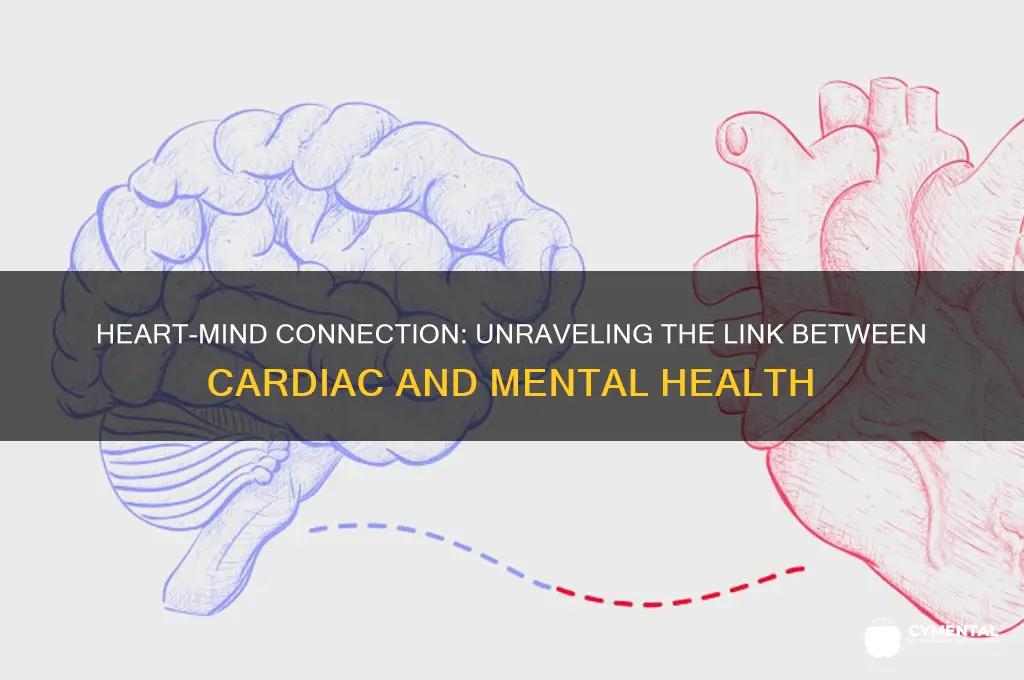
The intricate relationship between the heart and mental health is a growing area of interest in medical research, as evidence increasingly highlights the bidirectional connection between cardiovascular health and psychological well-being. Mental health issues, such as depression, anxiety, and stress, have been linked to an elevated risk of heart disease, with chronic stress, for instance, contributing to inflammation and high blood pressure, both of which can strain the heart. Conversely, individuals with heart disease often experience mental health challenges, including depression and anxiety, as the physical limitations and lifestyle changes associated with cardiac conditions can significantly impact their emotional and psychological state. This complex interplay underscores the importance of addressing both physical and mental health in a holistic manner, as treating one without considering the other may yield suboptimal outcomes and compromise overall well-being.
Explore related products


What You'll Learn

Stress-induced heart problems
Chronic stress doesn't just leave you feeling frazzled; it can physically remodel your cardiovascular system. When faced with a perceived threat, real or imagined, the body's fight-or-flight response floods the system with stress hormones like cortisol and adrenaline. These hormones, in acute situations, are lifesavers, increasing heart rate and blood pressure to prepare for action. However, when stress becomes chronic, this constant flood of hormones takes a toll. Blood pressure remains elevated, arteries constrict, and inflammation increases, creating a perfect storm for heart disease.
Studies show individuals with high-stress levels are 27% more likely to develop coronary artery disease, a leading cause of heart attacks.
Consider the case of a 45-year-old executive, constantly juggling deadlines and responsibilities. Their blood pressure, consistently hovering around 140/90, falls into the hypertension category. This sustained pressure damages the delicate lining of their arteries, allowing cholesterol to build up, forming plaque. Over time, this plaque narrows the arteries, restricting blood flow to the heart, a condition known as atherosclerosis. A sudden increase in stress, perhaps a major presentation or a family crisis, could trigger a plaque rupture, leading to a heart attack.
This example illustrates how chronic stress, through its physiological effects, directly contributes to the development and exacerbation of heart problems.
Recognizing the signs of stress-induced heart issues is crucial. While chest pain and shortness of breath are classic symptoms, stress-related heart problems can manifest in subtler ways. Palpitations, a racing heart, fatigue, and even digestive issues like nausea can be red flags. It's important to note that these symptoms can also be caused by other conditions, so consulting a doctor for proper diagnosis is essential.
Early intervention is key. Lifestyle modifications like regular exercise, mindfulness practices, and adequate sleep can significantly reduce stress levels and mitigate its impact on the heart.
Combating stress-induced heart problems requires a multi-pronged approach. Incorporating stress management techniques like yoga, meditation, or deep breathing exercises for at least 20 minutes daily can effectively lower cortisol levels. Prioritizing 7-8 hours of quality sleep each night allows the body to repair and recover. Dietary changes, such as reducing processed foods and increasing intake of fruits, vegetables, and whole grains, provide essential nutrients for heart health. Finally, seeking professional help from a therapist or counselor can equip individuals with coping mechanisms to manage stress effectively. Remember, addressing stress isn't just about feeling better; it's about protecting your heart.
Navigating Mental Health: Strategies for Resilience and Healing in Daily Life
You may want to see also
Explore related products


Depression increasing cardiovascular risks
Depression doesn't just weigh on the mind; it casts a long shadow over the heart. Research consistently shows a bidirectional relationship between depression and cardiovascular disease (CVD), with each condition increasing the risk of the other. Depressed individuals are 64% more likely to develop coronary artery disease, and those with existing heart conditions face a 50% higher risk of depression. This isn't merely correlation; it's a complex interplay of biological, behavioral, and psychological factors.
Chronic inflammation, a hallmark of depression, damages blood vessels and promotes atherosclerosis, the narrowing of arteries. Elevated stress hormones like cortisol contribute to high blood pressure and irregular heart rhythms. Depressed individuals often struggle with unhealthy coping mechanisms – smoking, poor diet, physical inactivity – further exacerbating cardiovascular risk.
Imagine a vicious cycle: depression leads to unhealthy habits, which worsen heart health, triggering more depression. Breaking this cycle requires a multifaceted approach. Antidepressant medication, while primarily targeting mood, can indirectly benefit heart health by reducing inflammation and improving sleep. However, certain antidepressants, particularly tricyclics, can have cardiovascular side effects, necessitating careful monitoring, especially in older adults (over 65) or those with pre-existing heart conditions.
Serotonin-norepinephrine reuptake inhibitors (SNRIs) like venlafaxine, at doses of 75-225 mg/day, are generally considered safer for individuals with cardiovascular concerns. Cognitive-behavioral therapy (CBT) offers a powerful tool to address the behavioral and psychological aspects of this link. CBT helps individuals identify and challenge negative thought patterns, develop healthier coping strategies, and improve adherence to heart-healthy lifestyle changes.
Beyond medication and therapy, lifestyle modifications are crucial. Regular exercise, even moderate activities like brisk walking for 30 minutes most days, significantly reduces both depression and cardiovascular risk. A heart-healthy diet rich in fruits, vegetables, whole grains, and omega-3 fatty acids combats inflammation and supports overall well-being. Prioritizing quality sleep (7-9 hours per night) is essential, as sleep deprivation exacerbates both depression and cardiovascular risk.
Addressing the link between depression and cardiovascular disease requires a holistic approach that acknowledges the intricate connection between mind and body. By integrating mental health treatment with cardiovascular care, we can break the cycle of risk and promote overall health and well-being. Remember, seeking help for depression isn't just about improving mood; it's about protecting your heart and securing a healthier future.
Relationship Struggles: Unraveling Their Impact on Mental Health and Well-Being
You may want to see also
Explore related products


Anxiety’s impact on heart rate
Anxiety triggers the body's fight-or-flight response, flooding the system with stress hormones like adrenaline and cortisol. This physiological reaction is designed to prepare the body for immediate action, but when anxiety becomes chronic, the heart bears the brunt of this constant activation. Heart rate increases as the heart pumps more blood to muscles, preparing for a perceived threat. Over time, this elevated heart rate can lead to wear and tear on the cardiovascular system, increasing the risk of conditions like hypertension and heart disease. For instance, studies show that individuals with generalized anxiety disorder (GAD) often experience resting heart rates 10–15 beats per minute higher than those without anxiety.
Consider the practical implications of this heightened heart rate. During an anxiety attack, heart rates can spike to 100–130 beats per minute or higher, mimicking symptoms of a heart attack. This can lead to frequent emergency room visits, as individuals often mistake these episodes for cardiac events. To manage this, mindfulness techniques such as deep breathing exercises can help. Inhale slowly for 4 seconds, hold for 4 seconds, and exhale for 6 seconds. This activates the parasympathetic nervous system, reducing heart rate and calming the body. For those with chronic anxiety, incorporating 10–15 minutes of this practice daily can mitigate the cardiovascular strain.
Comparatively, the impact of anxiety on heart rate differs across age groups. Younger adults (ages 18–35) may experience more pronounced heart rate spikes during anxiety episodes due to higher baseline stress levels and lifestyle factors like caffeine consumption. In contrast, older adults (ages 50+) may face compounded risks, as age-related cardiovascular changes interact with anxiety-induced stress. For example, a 60-year-old with anxiety might see a resting heart rate increase from 60 to 80 beats per minute, exacerbating existing conditions like atrial fibrillation. Tailoring interventions—such as reducing caffeine intake for younger adults or incorporating gentle yoga for older adults—can address these age-specific challenges.
Persuasively, addressing anxiety’s impact on heart rate is not just about managing mental health—it’s a critical component of preventive cardiac care. Chronic elevated heart rate can lead to arterial damage, reduced cardiac efficiency, and increased risk of stroke. Integrating cognitive-behavioral therapy (CBT) with lifestyle changes, such as regular aerobic exercise, can break this cycle. Exercise, particularly activities like brisk walking or swimming for 30 minutes daily, has been shown to reduce resting heart rate by 5–10 beats per minute in anxious individuals. This dual approach not only alleviates anxiety but also strengthens the heart, creating a protective effect against long-term cardiovascular issues.
Finally, understanding the bidirectional relationship between anxiety and heart rate highlights the need for holistic treatment. Anxiety doesn’t just affect the mind—it leaves a measurable mark on the heart. Monitoring heart rate variability (HRV) using wearable devices can provide real-time feedback, allowing individuals to recognize when anxiety is escalating. Pairing this data with stress-reduction strategies, such as progressive muscle relaxation or guided meditation, empowers individuals to take proactive steps in managing both their mental and cardiac health. By addressing anxiety’s impact on heart rate, we not only improve quality of life but also reduce the burden on the cardiovascular system, fostering resilience from the inside out.
Breaking the Silence: Overcoming Isolation in Mental Health Struggles
You may want to see also
Explore related products


PTSD and heart disease link
Post-traumatic stress disorder (PTSD) doesn't just leave emotional scars; it can also significantly impact physical health, particularly the heart. Research reveals a startling connection: individuals with PTSD are at a 50-60% higher risk of developing cardiovascular disease compared to those without the disorder. This isn't merely a correlation; studies suggest PTSD triggers biological changes that directly contribute to heart problems.
Imagine your body constantly on high alert, flooded with stress hormones like cortisol and adrenaline. This is the reality for many with PTSD, and this chronic "fight or flight" response takes a toll on the cardiovascular system.
The mechanism behind this link is multifaceted. Firstly, elevated stress hormones can lead to increased blood pressure, a major risk factor for heart disease. Secondly, PTSD often disrupts sleep patterns, leading to chronic sleep deprivation, another known contributor to cardiovascular problems. Furthermore, individuals with PTSD are more prone to unhealthy coping mechanisms like smoking, excessive alcohol consumption, and poor dietary choices, all of which further exacerbate heart disease risk.
Imagine a vicious cycle: PTSD symptoms worsen, leading to unhealthy behaviors, which in turn aggravate PTSD symptoms, creating a downward spiral detrimental to both mental and physical health.
Breaking this cycle requires a comprehensive approach. Effective PTSD treatment, such as cognitive-behavioral therapy (CBT) or eye movement desensitization and reprocessing (EMDR), is crucial. These therapies help individuals process traumatic memories, manage stress responses, and develop healthier coping mechanisms. Simultaneously, addressing cardiovascular risk factors through lifestyle modifications is essential. This includes regular exercise, a heart-healthy diet rich in fruits, vegetables, and whole grains, and stress management techniques like mindfulness or yoga.
In some cases, medication may be necessary to manage PTSD symptoms or control blood pressure. However, it's important to note that certain PTSD medications can have cardiovascular side effects, so close monitoring by a healthcare professional is vital.
The link between PTSD and heart disease underscores the profound interconnectedness of mind and body. Recognizing this connection allows for a more holistic approach to treatment, addressing both the emotional wounds and the physical consequences of trauma. By tackling PTSD effectively and adopting heart-healthy habits, individuals can break free from this damaging cycle and pave the way for a healthier, more fulfilling life.
Healing Minds, Bodies: Recovery Centers Tackle Mental Health & Addiction
You may want to see also
Explore related products


Emotional stress causing hypertension
Chronic emotional stress doesn't just wear down your spirit—it can physically tighten the grip on your arteries, leading to hypertension. When faced with persistent stressors like work pressure, financial strain, or relationship conflicts, the body releases a surge of stress hormones, including adrenaline and cortisol. These hormones trigger the "fight or flight" response, causing blood vessels to constrict and heart rate to increase. Over time, this repeated vascular strain elevates blood pressure, often silently, until it manifests as hypertension. Studies show that individuals with high-stress jobs or unresolved emotional trauma are 20-30% more likely to develop hypertension compared to their less-stressed counterparts.
Consider the mechanism: cortisol, the primary stress hormone, not only narrows blood vessels but also increases blood volume by promoting fluid retention. This double-edged effect exacerbates pressure on arterial walls. For instance, a 45-year-old professional experiencing chronic work stress might see their systolic blood pressure rise from a healthy 120 mmHg to a concerning 140 mmHg within 18 months. This isn’t just a number—it’s a red flag for potential heart attacks, strokes, and kidney damage. The American Heart Association emphasizes that managing stress is as critical as diet and exercise in controlling hypertension.
Practical steps can mitigate this risk. First, identify stress triggers through journaling or self-reflection. For example, if deadlines spike your anxiety, break tasks into smaller, manageable chunks. Incorporate relaxation techniques like deep breathing exercises—inhale for 4 seconds, hold for 4, exhale for 6—repeated for 5 minutes daily. Physical activity is another powerful tool; even 30 minutes of moderate exercise, like brisk walking or yoga, reduces cortisol levels and improves vascular function. Mindfulness meditation, practiced for 10-15 minutes daily, has been shown to lower blood pressure by 5-10 mmHg in hypertensive patients.
However, beware of quick fixes. While a glass of wine might seem relaxing, excessive alcohol consumption can elevate blood pressure and negate stress-reduction benefits. Similarly, relying on caffeine to power through stress can backfire, as it temporarily spikes blood pressure. Instead, prioritize sleep—aim for 7-9 hours nightly, as poor sleep amplifies stress responses and hypertension risk. For those over 50, regular blood pressure monitoring is essential, as age compounds the effects of stress on cardiovascular health.
The takeaway is clear: emotional stress isn’t just a mental burden—it’s a physical threat to your heart. By addressing stress through structured techniques and lifestyle adjustments, you can loosen its grip on your arteries and reduce hypertension risk. Remember, the heart and mind are inextricably linked—care for one, and you protect the other.
ACA's Impact: Transforming Behavioral and Mental Health Care Access
You may want to see also
Frequently asked questions
Stress triggers the release of hormones like cortisol and adrenaline, which can increase heart rate, blood pressure, and inflammation. Prolonged stress is linked to conditions like hypertension, heart disease, and arrhythmias. Mentally, chronic stress contributes to anxiety, depression, and burnout, creating a cycle where poor mental health further strains the heart.
Yes, depression and anxiety are associated with a higher risk of heart disease. These conditions can lead to unhealthy behaviors like poor diet, inactivity, smoking, or excessive alcohol use. Additionally, they may cause physiological changes, such as increased inflammation and elevated stress hormones, which directly impact heart health.
Physical activity strengthens the heart, improves circulation, and lowers blood pressure, reducing the risk of heart disease. Simultaneously, it boosts mental health by releasing endorphins, reducing stress hormones, and improving mood. Regular exercise is a powerful tool for preventing both cardiovascular issues and mental health disorders like depression and anxiety.