Harper Lewis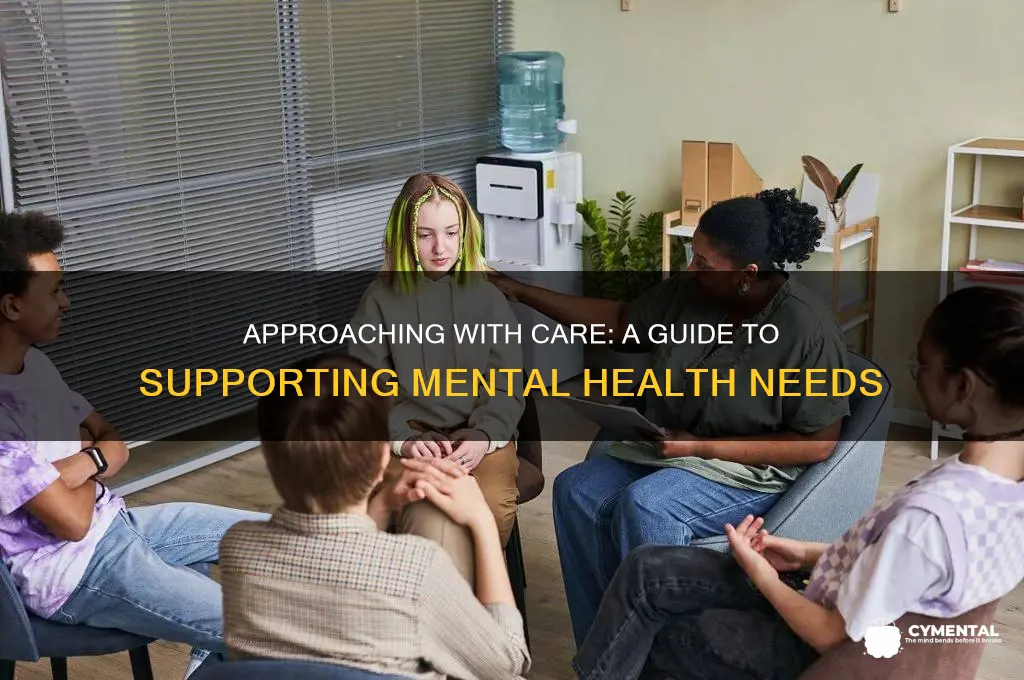
Approaching someone who may be struggling with their mental health requires sensitivity, empathy, and careful consideration. It’s essential to create a safe and non-judgmental space where the person feels heard and supported, rather than pressured or criticized. Start by choosing a private and comfortable setting, and begin the conversation with genuine concern, using open-ended questions like, “How have you been feeling lately?” or “I’ve noticed you seem a bit down—is there something going on?” Listen actively without interrupting, validate their emotions, and avoid dismissing their experiences. Encourage professional help by offering resources such as therapists, helplines, or support groups, but respect their autonomy and pace. Let them know you’re there for them without overstepping boundaries, and remember that your role is to provide support, not to fix their problems. Approaching the situation with patience and compassion can make a significant difference in helping them feel understood and motivated to seek assistance.
Explore related products


What You'll Learn
- Recognize Signs: Learn common indicators like withdrawal, mood swings, or drastic behavior changes
- Choose Timing: Approach in a private, calm setting to ensure comfort and openness
- Use Empathy: Listen actively, validate feelings, and avoid judgment or quick solutions
- Offer Support: Suggest professional help gently, offering to assist with resources or appointments
- Follow Up: Check in regularly, showing consistent care without being intrusive

Recognize Signs: Learn common indicators like withdrawal, mood swings, or drastic behavior changes
Withdrawal is often the first red flag, a silent cry for help that can be easily overlooked. Imagine a colleague who once thrived in team meetings now consistently declines invitations, preferring solitude over social interaction. This shift might indicate a deeper struggle, such as depression or anxiety. Recognizing this pattern early allows you to intervene before isolation compounds their distress. Start by gently acknowledging the change: "I’ve noticed you’ve been stepping back from group activities lately. Is everything okay?" This approach opens a door without forcing it, respecting their boundaries while showing genuine concern.
Mood swings, though more volatile, are equally telling. A friend who oscillates between euphoria and despair within hours may be grappling with bipolar disorder or severe stress. These fluctuations can disrupt relationships and daily functioning, making timely support critical. Instead of dismissing their behavior as "just a phase," document specific instances: "I’ve seen you seem really upbeat one day and then completely withdrawn the next. It’s got me worried." Pairing observation with empathy encourages dialogue and reduces defensiveness.
Drastic behavior changes, like sudden aggression, reckless spending, or neglect of personal hygiene, demand immediate attention. For instance, a teenager who transitions from straight A’s to failing grades and starts skipping school might be battling undiagnosed ADHD or overwhelming emotional turmoil. Address these shifts by focusing on the impact rather than judgment: "I’ve noticed some big changes lately, and I’m concerned about how it’s affecting you. Can we talk about what’s going on?" Framing the conversation around care rather than criticism fosters trust.
Practical tips can enhance your ability to recognize these signs effectively. Keep a mental or written log of observed behaviors to identify patterns over time. Educate yourself on age-specific indicators—adolescents may exhibit irritability instead of sadness, while older adults might mask distress with physical complaints. Finally, trust your instincts; if something feels off, it likely warrants attention. By staying observant and compassionate, you position yourself as a vital ally in their journey toward mental wellness.
AI's Role in Mental Health: Support, Challenges, and Future Potential
You may want to see also
Explore related products


Choose Timing: Approach in a private, calm setting to ensure comfort and openness
The environment in which you initiate a conversation about mental health can significantly impact the outcome. Imagine trying to have a heartfelt discussion in a crowded café or during a hectic work meeting—distractions abound, and the person may feel exposed, leading to guarded responses. Therefore, selecting the right moment and place is crucial for fostering a sense of safety and willingness to open up.
Creating a Safe Space:
In the realm of mental health conversations, privacy is paramount. Aim for a setting that is secluded and free from potential interruptions. This could be a quiet room at home, a peaceful corner in a park, or even a private office space. The goal is to minimize external stimuli, allowing the individual to focus on the conversation without feeling self-conscious or worried about being overheard. For instance, inviting a friend for a walk in a serene garden provides a natural, calming atmosphere, encouraging a more relaxed and honest dialogue.
Calmness as a Catalyst:
A calm environment is not just about physical tranquility but also emotional serenity. Approach the person when both of you are in a relatively peaceful state of mind. Avoid moments of high stress or emotional turmoil, as these can hinder productive communication. For instance, if you notice a colleague seems distressed, instead of addressing the issue immediately, suggest a brief walk during a less busy part of the day. This simple act of timing can make a significant difference in their receptiveness.
Practical Tips for Timing:
- Observe Patterns: Pay attention to the person's daily routines and moods. Identify times when they seem more relaxed and approachable. For some, this might be during a morning coffee break, while others may prefer the quiet of an evening walk.
- Ask for Permission: Before delving into a sensitive topic, ask if the current moment is suitable. A simple, "Is this a good time to talk about something important?" gives them control over the timing, making them more likely to engage.
- Avoid Deadlines and Pressures: Steer clear of moments when the person is under time constraints or facing immediate pressures. For example, approaching a student about their mental well-being right before an exam might add to their anxiety.
The Power of a Well-Timed Intervention:
Timing is an art, especially when dealing with delicate matters. By choosing the right moment, you demonstrate empathy and respect for the individual's boundaries. This approach increases the chances of a meaningful conversation, where the person feels heard and understood, potentially leading to them seeking further support. Remember, the goal is to create an environment that encourages openness, and sometimes, the most powerful tool is knowing when to initiate the conversation.
In the context of mental health, a private and calm setting is not just a preference but a necessity. It allows for a more authentic connection, where the person can express themselves without fear of judgment or interruption. This simple yet powerful strategy can be the first step towards providing effective support and guidance.
Boost Your Mood: Morning Exercise Benefits for Mental Health
You may want to see also
Explore related products





Use Empathy: Listen actively, validate feelings, and avoid judgment or quick solutions
Approaching someone who needs mental help requires more than good intentions—it demands empathy, a skill often misunderstood as mere sympathy. Empathy goes deeper, involving active listening, validation, and a conscious effort to avoid judgment or quick fixes. These elements are not just niceties; they are critical tools that create a safe space for the person to express themselves without fear of dismissal or condemnation.
Consider the act of active listening. It’s not about waiting for your turn to speak but fully engaging with what the person is saying. This means maintaining eye contact (when culturally appropriate), nodding in acknowledgment, and reflecting back what you hear to ensure understanding. For example, if someone shares they’re overwhelmed by work, respond with, “It sounds like the workload is really weighing on you.” This simple technique shows you’re not just hearing words but grasping the emotion behind them. Studies show that active listening reduces feelings of isolation, a common struggle for those dealing with mental health issues.
Validation is the next step, and it’s both powerful and delicate. Validating someone’s feelings doesn’t mean you agree with their perspective but that you acknowledge their experience as real and understandable. Phrases like, “It makes sense that you’d feel that way,” can be transformative. For instance, a teenager struggling with anxiety might feel their worries are trivialized by adults. Validating their experience—“It’s completely normal to feel anxious about exams”—can help them feel seen and less alone. Research indicates that validation fosters emotional regulation and trust, essential for meaningful conversations about mental health.
Avoiding judgment or quick solutions is perhaps the hardest part. Human instinct often leads us to problem-solve, but mental health struggles are rarely resolved with a simple fix. Offering advice like, “Just think positively,” can minimize the person’s experience and shut down communication. Instead, focus on being present and supportive. If someone shares they’re depressed, resist the urge to say, “Have you tried exercising?” Instead, ask open-ended questions like, “How can I support you right now?” This approach respects their autonomy and shows you’re there to listen, not lecture.
In practice, empathy is a skill that requires mindfulness and patience. It’s about creating a non-judgmental space where the person feels heard, understood, and valued. For example, a colleague who’s been absent due to burnout might need someone to say, “I’ve noticed you’ve been pulling back, and I’m here if you want to talk.” This approach avoids assumptions and invites openness. Remember, empathy isn’t about fixing the problem—it’s about being a compassionate presence in someone’s journey. By listening actively, validating feelings, and avoiding judgment, you can make a profound difference in how someone navigates their mental health challenges.
Do Mental Health Facilities Truly Aid Recovery and Healing?
You may want to see also
Explore related products




Offer Support: Suggest professional help gently, offering to assist with resources or appointments
Recognizing when someone is struggling mentally is only the first step; offering support in a way that encourages professional help requires sensitivity and strategy. Start by normalizing the conversation around mental health. Instead of framing therapy or counseling as a last resort, position it as a proactive step toward well-being, much like visiting a doctor for physical ailments. For instance, you might say, “I’ve found that talking to a professional can really help when things feel overwhelming—have you ever considered that?” This approach removes stigma and presents seeking help as a common, healthy choice.
When suggesting professional help, avoid language that implies judgment or urgency, as this can trigger defensiveness. Instead, use “I” statements to express concern and offer assistance without sounding accusatory. For example, “I care about you, and I’d like to help you find a therapist if you’re open to it. I can even help research options or schedule an appointment if that feels too overwhelming.” By focusing on your willingness to assist, you shift the conversation from confrontation to collaboration, making the person feel supported rather than pressured.
Practical assistance can be a game-changer in bridging the gap between suggestion and action. Offer concrete help, such as compiling a list of local therapists, explaining how insurance works, or accompanying them to their first appointment. For younger individuals or those unfamiliar with mental health resources, consider sharing platforms like BetterHelp or 7 Cups, which offer online counseling. For older adults, who may prefer in-person sessions, provide contact information for community mental health centers or clinics. Tailoring your support to their needs demonstrates genuine care and reduces barriers to accessing help.
Finally, be mindful of timing and context. Avoid broaching the topic during moments of high stress or emotional vulnerability, as this can feel overwhelming. Instead, choose a calm, private moment when the person is receptive. If they initially resist, don’t push—respect their boundaries while leaving the door open for future conversations. Remember, your role is to plant the seed of possibility, not force a decision. Over time, your gentle persistence and practical offers of help can make a significant difference in encouraging them to seek the support they need.
Family Support: A Powerful Ally for Mental Health and Well-Being
You may want to see also
Explore related products


$20.49 $36.99


Follow Up: Check in regularly, showing consistent care without being intrusive
Regular check-ins are a cornerstone of supporting someone’s mental health, but their effectiveness hinges on consistency and boundaries. Think of it as tending a fragile plant: too much water drowns it, too little leaves it parched. Aim for a cadence that feels natural—perhaps a brief text once a week or a call every two weeks. The key is reliability; if you say you’ll check in, do it. This builds trust and reassures the person that they’re not alone, even if they don’t always respond.
The *how* of checking in matters as much as the *when*. Avoid generic questions like “How are you?”—they often elicit rote responses and can feel dismissive. Instead, try open-ended prompts tailored to their situation: “How’s your sleep been this week?” or “How did that appointment go?” If they’ve shared specific struggles, reference them subtly to show you’re paying attention. For example, “You mentioned feeling overwhelmed at work last time—how’s that going now?” This demonstrates genuine interest without prying.
Balance is critical to avoid intrusiveness. While consistency is vital, respect their autonomy and cues. If they seem hesitant to engage, don’t press. A simple “No worries, just wanted to say hi” acknowledges their boundary while keeping the door open. Similarly, avoid overloading them with advice or solutions unless asked. Sometimes, a “Thinking of you” message or a meme that made you think of them can be more comforting than a lengthy conversation.
Finally, be mindful of your own expectations. Not every check-in will yield a deep conversation, and that’s okay. The goal isn’t to fix their problems but to remind them they’re supported. If they consistently pull away or seem distressed, consider suggesting professional resources gently: “I’m here for you, but I also think talking to someone trained might help.” This approach respects their agency while reinforcing your commitment to their well-being.
In practice, think of follow-ups as a long-term investment, not a quick fix. Like any relationship, it evolves over time. Adjust your approach based on their responses and needs, always prioritizing empathy over urgency. Done right, regular check-ins become a lifeline—a quiet, steady reminder that someone cares, even on their hardest days.
Exercise and Mental Health: Unlocking the Mind-Body Connection for Wellness
You may want to see also
Frequently asked questions
Look for signs such as significant changes in behavior, mood, or personality; withdrawal from social activities; persistent sadness or anxiety; or expressions of hopelessness. Trust your instincts if you feel something is wrong.
Approach the person privately and use a calm, non-judgmental tone. Start with something like, “I’ve noticed you seem different lately, and I’m worried about you. How are you feeling?” Be genuine and empathetic.
Express your concern and suggest resources gently, such as therapy or support hotlines. Use “I” statements to avoid sounding accusatory, like, “I care about you and think talking to someone might help.” Offer to assist them in finding help if they’re open to it.
Avoid dismissive phrases like “Just stay positive” or “It’s all in your head.” Also, don’t minimize their feelings or compare their struggles to others. Focus on listening and validating their experience instead.
Respect their boundaries while letting them know you’re there for them. Continue to check in periodically and encourage small steps, like joining a support group or engaging in self-care activities. Be patient and avoid forcing the issue.