Lucas Bennett
Assessing someone's mental health involves a nuanced and empathetic approach, recognizing that mental well-being is a complex and multifaceted aspect of overall health. It requires a combination of clinical expertise, effective communication, and a non-judgmental attitude. Mental health assessments can be conducted by various professionals, including psychiatrists, psychologists, social workers, and counselors, each bringing their unique perspective and skills to the process. The goal of such assessments is to understand an individual's emotional, cognitive, and behavioral functioning, identify any potential mental health concerns, and develop a personalized plan for support and treatment. This process often involves gathering information through interviews, questionnaires, and observations, as well as collaborating with the individual to establish a therapeutic relationship based on trust and mutual respect.
Explore related products




What You'll Learn
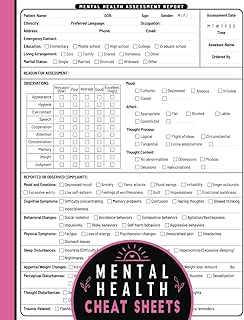
- Observation of Behavior: Notice changes in mood, energy, or daily functioning
- Listening to Communication: Pay attention to what the person says about their feelings and experiences
- Physical Health Examination: Check for physical symptoms that might indicate mental health issues
- Psychological Assessments: Use standardized tests and evaluations to measure cognitive and emotional functioning
- Consultation with Professionals: Seek advice from mental health experts for a comprehensive evaluation

Observation of Behavior: Notice changes in mood, energy, or daily functioning
Changes in mood, energy, or daily functioning can be subtle indicators of a person's mental health status. Observing these changes requires a keen eye and an understanding of the individual's typical behavior patterns. For instance, a person who is usually energetic and outgoing may suddenly become withdrawn and lethargic, signaling a potential issue.
To effectively assess someone's mental health through observation, it's crucial to establish a baseline of their normal behavior. This involves spending sufficient time with the individual to understand their typical mood swings, energy levels, and daily routines. Once this baseline is established, deviations from it can be more easily noticed.
When observing changes in mood, look for patterns such as persistent sadness, irritability, or anxiety. These could be signs of depression, stress, or other mental health conditions. Similarly, changes in energy levels, such as constant fatigue or hyperactivity, may indicate underlying issues.
Daily functioning is another key area to observe. Notice if the person is struggling with tasks they normally handle with ease, or if they're neglecting personal care or responsibilities. These changes can be indicative of mental health struggles that are impacting their ability to function normally.
It's important to approach these observations with sensitivity and without judgment. The goal is to support the individual and help them seek professional help if needed. By being aware of these subtle changes, you can play a crucial role in early intervention and support.
Navigating the Process of Mental Health Hospital Admission in India
You may want to see also
Explore related products




Listening to Communication: Pay attention to what the person says about their feelings and experiences
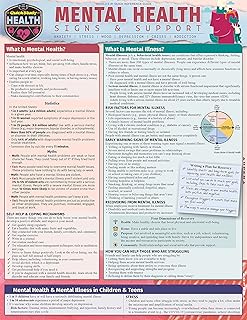
Effective communication is a cornerstone in assessing someone's mental health. Listening attentively to what a person says about their feelings and experiences provides invaluable insights into their emotional state and thought processes. This approach allows for a deeper understanding of their struggles, strengths, and support needs.
To truly listen, one must be fully present and engaged in the conversation. This means avoiding distractions, maintaining eye contact, and using open, non-judgmental body language. Reflecting back what the person has said can help ensure understanding and show empathy. For example, saying "I hear you saying that you've been feeling overwhelmed lately" validates their experience and encourages them to continue sharing.
It's also important to pay attention to non-verbal cues, such as tone of voice, facial expressions, and posture. These can often convey emotions and attitudes that the person may not explicitly state. For instance, a person who is slouched and speaking in a monotone voice may be indicating feelings of sadness or hopelessness, even if they don't directly say so.
Another key aspect of listening is to be aware of your own biases and assumptions. It's easy to jump to conclusions or offer unsolicited advice based on your own experiences or beliefs. Instead, try to approach the conversation with a curious and open mind, seeking to understand the person's unique perspective without imposing your own.
Finally, remember that listening is not just about gathering information, but also about building a supportive relationship. By creating a safe, non-judgmental space for the person to express themselves, you can help foster trust and encourage them to seek help if needed. This might involve connecting them with mental health resources or professionals, or simply being there as a supportive friend or family member.
In conclusion, listening to communication is a powerful tool in assessing someone's mental health. By being fully present, attentive to both verbal and non-verbal cues, and mindful of your own biases, you can gain a deeper understanding of the person's experiences and emotions. This, in turn, can help you provide the support and guidance they need to navigate their mental health journey.
Exploring the Emotional Impact: Abortion's Mental Health Effects
You may want to see also
Explore related products




Physical Health Examination: Check for physical symptoms that might indicate mental health issues
A thorough physical health examination can be a critical component in assessing someone's mental health. This is because mental health issues often manifest in physical symptoms, which can be overlooked if not carefully evaluated. For instance, chronic pain, digestive issues, and sleep disturbances are common physical indicators of mental health conditions such as depression and anxiety.
When conducting a physical health examination, it's essential to consider the patient's medical history, current medications, and any recent changes in their physical health. A detailed review of systems, including the cardiovascular, gastrointestinal, and musculoskeletal systems, can help identify potential underlying mental health issues. For example, unexplained chest pain or palpitations could be indicative of anxiety, while persistent gastrointestinal problems might suggest a connection to stress or depression.
In addition to a general physical examination, specific tests and screenings may be recommended to further investigate potential mental health issues. These could include blood tests to check for deficiencies or imbalances, thyroid function tests, or even imaging studies like MRIs or CT scans to rule out neurological conditions. It's also important to assess the patient's vital signs, such as blood pressure and heart rate, as these can be affected by mental health conditions.
During the examination, it's crucial to maintain a compassionate and non-judgmental approach. Patients may be hesitant to discuss their mental health concerns, so creating a safe and supportive environment is key. Encouraging open communication and actively listening to the patient's experiences can help build trust and facilitate a more accurate assessment.
Ultimately, a physical health examination should be viewed as an integral part of a comprehensive mental health assessment. By carefully evaluating physical symptoms and their potential connection to mental health issues, healthcare providers can develop a more holistic understanding of the patient's overall well-being and create a tailored treatment plan that addresses both physical and mental health concerns.
The Impact of Social Media on Mental Health: A Comprehensive Guide
You may want to see also
Explore related products


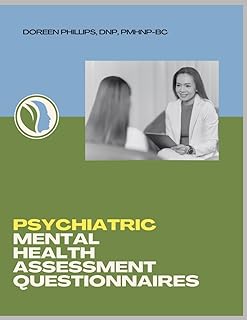
Psychological Assessments: Use standardized tests and evaluations to measure cognitive and emotional functioning
Psychological assessments are a critical tool in measuring cognitive and emotional functioning, providing valuable insights into an individual's mental health. These standardized tests and evaluations are designed to objectively measure various aspects of psychological functioning, such as intelligence, memory, attention, personality, and emotional well-being. By using these assessments, mental health professionals can identify strengths and weaknesses, diagnose mental health conditions, and develop effective treatment plans.
One of the most widely used psychological assessments is the Wechsler Adult Intelligence Scale (WAIS), which measures cognitive abilities such as verbal comprehension, perceptual reasoning, working memory, and processing speed. Another commonly used assessment is the Minnesota Multiphasic Personality Inventory (MMPI), which evaluates personality traits and psychopathology. These assessments, among others, provide a comprehensive picture of an individual's psychological functioning, allowing clinicians to make informed decisions about diagnosis and treatment.
When administering psychological assessments, it is essential to follow standardized procedures to ensure the validity and reliability of the results. This includes creating a comfortable and distraction-free environment, providing clear instructions to the individual, and maintaining a neutral and non-judgmental attitude. Additionally, it is crucial to consider the individual's cultural background, age, and educational level when selecting and interpreting assessments, as these factors can influence the results.
Psychological assessments can be used in various settings, including clinical, educational, and forensic contexts. In clinical settings, assessments are often used to diagnose mental health conditions, such as depression, anxiety, and ADHD, and to monitor treatment progress. In educational settings, assessments can help identify learning disabilities and develop individualized education plans. In forensic settings, assessments may be used to evaluate competency to stand trial or to assess the risk of recidivism.
While psychological assessments are valuable tools, they are not without limitations. It is essential to recognize that these assessments are only one piece of the puzzle and should be used in conjunction with other sources of information, such as clinical interviews and behavioral observations. Additionally, assessments can be influenced by various factors, such as the individual's motivation, mood, and physical health, which can impact the validity of the results.
In conclusion, psychological assessments are a crucial component of mental health evaluation, providing objective measures of cognitive and emotional functioning. By using these assessments, mental health professionals can gain valuable insights into an individual's psychological well-being, leading to more accurate diagnoses and effective treatment plans. However, it is essential to recognize the limitations of these assessments and to use them in conjunction with other sources of information to ensure a comprehensive understanding of an individual's mental health.
Understanding Mental Illness: A Guide to Diagnosis and Support
You may want to see also
Explore related products



Consultation with Professionals: Seek advice from mental health experts for a comprehensive evaluation
Mental health assessments can be complex and nuanced, often requiring the expertise of trained professionals to navigate effectively. Seeking advice from mental health experts is crucial for a comprehensive evaluation, as they possess the knowledge and tools necessary to provide an accurate diagnosis and recommend appropriate treatment plans. This consultation process typically involves a thorough review of the individual's medical history, current symptoms, and any relevant psychological assessments.
During the consultation, mental health professionals may employ various diagnostic tools and techniques, such as structured interviews, behavioral observations, and psychological testing. These methods help to identify specific mental health conditions, determine the severity of symptoms, and inform the development of a personalized treatment plan. Additionally, professionals can provide valuable insights into the individual's coping mechanisms, strengths, and areas for improvement, which can be instrumental in promoting overall well-being.
It is essential to approach the consultation process with an open mind and a willingness to engage in honest communication. This includes sharing any concerns, questions, or reservations about the assessment and treatment process. By fostering a collaborative relationship with mental health experts, individuals can gain a deeper understanding of their mental health needs and take proactive steps towards achieving optimal wellness.
In some cases, mental health assessments may also involve input from other healthcare providers, such as primary care physicians or specialists, to ensure a holistic approach to care. This interdisciplinary collaboration can help to identify potential underlying medical conditions that may be contributing to mental health symptoms and facilitate the development of a comprehensive treatment plan that addresses both physical and mental health needs.
Ultimately, seeking professional advice for a mental health assessment is a critical step in promoting overall well-being and addressing any potential mental health concerns. By leveraging the expertise of trained professionals, individuals can gain valuable insights into their mental health needs and take informed steps towards achieving a healthier, happier life.
Navigating Mental Health Support: A Guide to Sectioning in Massachusetts
You may want to see also
Frequently asked questions
Common signs include changes in mood, appetite, or sleep patterns; withdrawal from social activities; difficulty concentrating or making decisions; increased use of substances; and expressing thoughts of self-harm or suicide.
Approach the person in a private, comfortable setting and express your concern in a non-judgmental way. Use "I" statements to share your observations and feelings, and listen actively to their response without interrupting or offering unsolicited advice.
Take their statement seriously and ask if they have a plan or if they've attempted suicide before. If they have a plan or have attempted suicide, call emergency services or a suicide hotline immediately. Stay with them until help arrives and offer support and reassurance.
While there's no one-size-fits-all list of questions, you can ask open-ended questions like "How are you feeling lately?" or "What's been on your mind?" to encourage the person to share their thoughts and feelings. Avoid leading questions or making assumptions about their experiences.
Refer someone to a mental health professional if their symptoms are severe, persistent, or interfering with their daily life. This includes if they're experiencing suicidal thoughts, self-harm, or significant changes in behavior or functioning.