Caleb Wright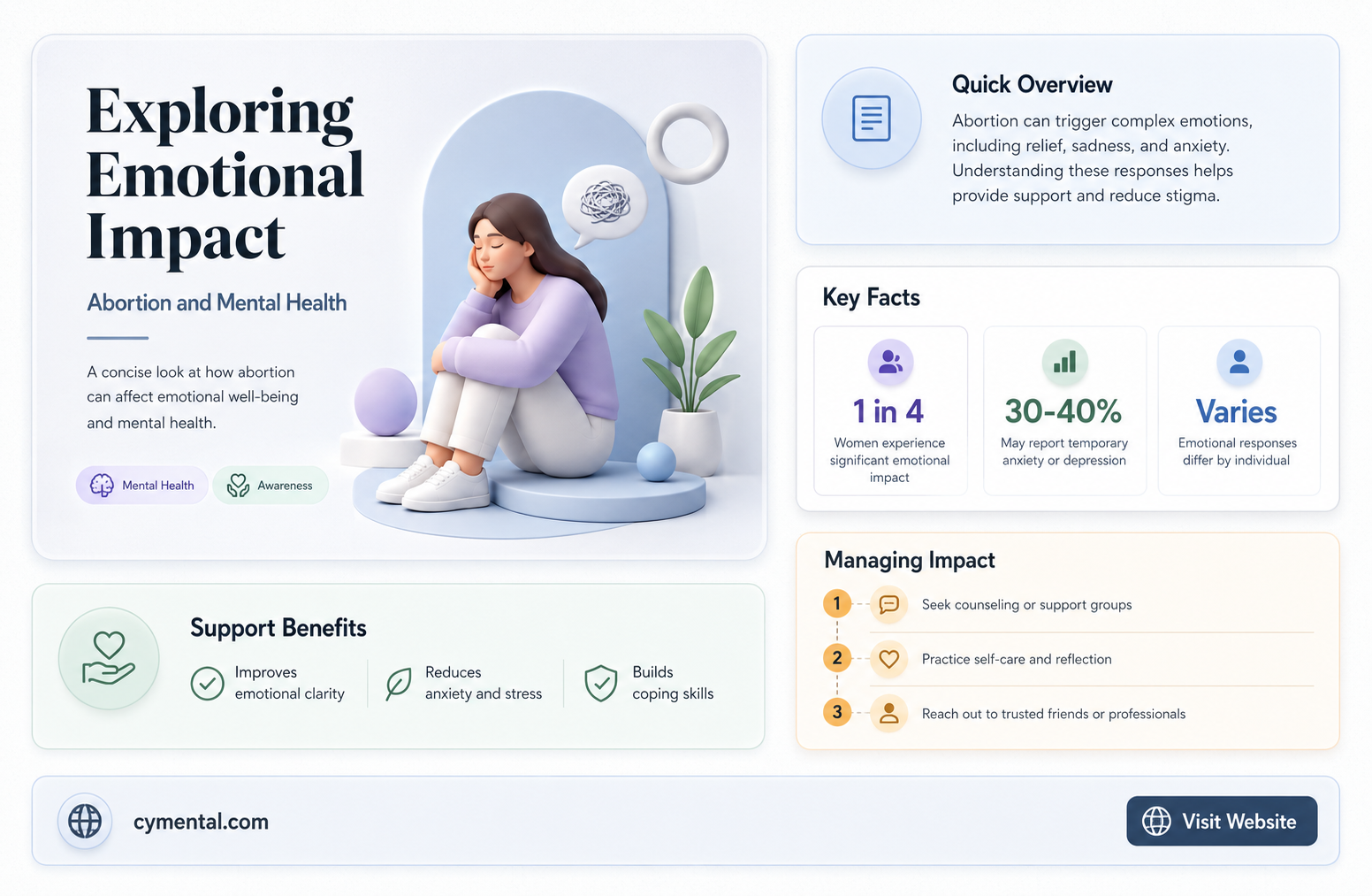
Abortion is a complex and deeply personal decision that can have significant mental health implications for individuals. While some may experience relief and a sense of empowerment after an abortion, others may struggle with feelings of guilt, shame, or grief. The emotional impact of an abortion can vary widely depending on factors such as the individual's personal beliefs, cultural background, and the circumstances surrounding the decision. It is important to recognize that mental health outcomes after an abortion are not universal and that each person's experience is unique. Open communication, access to mental health resources, and a supportive environment are crucial in helping individuals navigate the emotional aftermath of an abortion and make informed decisions about their care.
| Characteristics | Values |
|---|---|
| Emotional Impact | Abortion can evoke a range of emotions including relief, sadness, guilt, and anxiety. The emotional response is highly individual and can vary greatly from person to person. |
| Psychological Effects | Some individuals may experience psychological effects such as depression, anxiety disorders, or post-traumatic stress disorder (PTSD) following an abortion. However, research indicates that these effects are relatively rare and typically occur in individuals with pre-existing mental health conditions. |
| Sense of Loss | For some, abortion may lead to a sense of loss or grief, which can be profound and long-lasting. This grief can be similar to the loss experienced after a miscarriage or the death of a loved one. |
| Self-Esteem and Identity | An abortion can impact a person's self-esteem and identity. Some may feel a sense of empowerment and autonomy, while others may struggle with feelings of shame or stigma. |
| Relationships | Abortion can affect relationships with partners, family, and friends. It may lead to increased intimacy and communication in some relationships, while causing strain or conflict in others. |
| Spiritual or Religious Impact | For individuals with strong spiritual or religious beliefs, an abortion may lead to a crisis of faith or a reevaluation of their beliefs. It can also result in feelings of guilt or shame if their religious beliefs condemn abortion. |
| Physical Health Effects | While abortion is generally considered a safe medical procedure, it can have physical health effects such as pain, bleeding, and infection. These effects are typically short-term and manageable with proper medical care. |
| Long-term Mental Health | Research suggests that the long-term mental health effects of abortion are generally minimal for most individuals. However, those who experience negative psychological effects may require ongoing mental health support. |
| Social Stigma | Abortion remains a stigmatized issue in many societies, which can lead to feelings of isolation and shame for those who have undergone the procedure. |
| Access to Support | Access to emotional and psychological support following an abortion can significantly impact a person's mental well-being. Support from healthcare providers, counselors, and support groups can help individuals process their emotions and experiences. |
| Personal Values and Beliefs | An abortion can lead to a reevaluation of personal values and beliefs about life, parenthood, and reproductive rights. This introspection can result in a deeper understanding of oneself and one's priorities. |
| Coping Mechanisms | Individuals may develop various coping mechanisms to deal with the emotional and psychological effects of abortion, such as seeking support from loved ones, engaging in therapy, or finding solace in creative expression. |
| Resilience | Many individuals who undergo an abortion demonstrate resilience and are able to move forward with their lives without significant long-term negative effects. |
| Societal Pressure | Societal pressure and expectations can influence a person's decision to have an abortion and their subsequent mental health outcomes. Pressure from family, friends, or society at large can contribute to feelings of guilt or shame. |
| Legal and Policy Implications | The legality and accessibility of abortion can impact a person's mental health. In areas where abortion is restricted or illegal, individuals may experience increased stress and anxiety due to the fear of legal repercussions or the difficulty of accessing safe medical care. |
What You'll Learn
- Emotional distress: Abortion can lead to feelings of guilt, shame, and sadness in some individuals
- Anxiety and depression: The procedure may exacerbate existing mental health conditions or trigger new episodes
- Post-traumatic stress: Some may experience flashbacks, nightmares, or avoidance behaviors related to the abortion
- Relationship issues: Abortion can strain relationships with partners, family, and friends due to differing views
- Self-esteem and identity: The decision to have an abortion may impact one's sense of self and future aspirations

Emotional distress: Abortion can lead to feelings of guilt, shame, and sadness in some individuals
Abortion can lead to feelings of guilt, shame, and sadness in some individuals. These emotions may stem from a variety of sources, including societal stigma, personal beliefs, and the emotional weight of the decision itself. It is important to recognize that these feelings are valid and can have a significant impact on a person's mental health.
One unique aspect of emotional distress related to abortion is the potential for feelings of guilt and shame to be exacerbated by societal attitudes and cultural norms. In many cultures, abortion is a controversial topic, and individuals who have had an abortion may feel judged or ostracized by their communities. This can lead to increased feelings of guilt and shame, which can be difficult to cope with.
Another factor that can contribute to emotional distress after an abortion is the loss of a pregnancy. Even if the decision to have an abortion was made voluntarily, it can still be a difficult and painful experience to lose a pregnancy. This loss can trigger feelings of sadness and grief, which can be overwhelming.
It is also important to consider the role of personal beliefs and values in emotional distress related to abortion. For some individuals, having an abortion may conflict with their deeply held beliefs about life and morality. This conflict can lead to feelings of guilt and shame, as well as a sense of inner turmoil.
In terms of practical tips for coping with emotional distress after an abortion, it can be helpful to seek support from friends, family, or a mental health professional. It is also important to practice self-care and to allow oneself time to heal emotionally. This may involve engaging in activities that bring joy and comfort, such as exercise, hobbies, or spending time in nature.
Overall, emotional distress related to abortion is a complex and multifaceted issue. It is important to approach this topic with sensitivity and compassion, and to recognize that each individual's experience is unique. By providing support and resources, we can help individuals to cope with their emotions and to move forward in a positive direction.
Navigating Crisis: Where to Take Someone Having a Mental Breakdown
You may want to see also
Anxiety and depression: The procedure may exacerbate existing mental health conditions or trigger new episodes
Abortion can have profound mental health implications, particularly for individuals already struggling with anxiety and depression. The procedure may intensify these conditions or even precipitate new episodes of mental health distress. This exacerbation can stem from a variety of factors, including the emotional turmoil surrounding the decision to abort, the physical changes in hormone levels during and after the procedure, and the potential for social stigma and isolation.
For those with pre-existing anxiety disorders, the experience of an abortion can amplify feelings of worry, fear, and uncertainty. The anticipation of the procedure, as well as the recovery period, can be particularly challenging, as individuals may grapple with intrusive thoughts and heightened emotional reactivity. Similarly, individuals with depression may find that their symptoms worsen following an abortion, as they confront complex emotions related to loss, grief, and self-blame.
It is crucial for healthcare providers to recognize the potential mental health risks associated with abortion and to offer appropriate support and resources to patients. This may include referrals to mental health professionals, counseling services, and support groups specifically tailored to individuals who have undergone abortions. Additionally, patients should be informed about the potential for increased anxiety and depression following the procedure, so that they can better prepare themselves and seek help if needed.
In some cases, the mental health impact of an abortion can be long-lasting, persisting for months or even years after the procedure. This underscores the importance of ongoing mental health care and support for individuals who have undergone abortions, particularly those with pre-existing mental health conditions. By addressing these issues proactively and compassionately, healthcare providers can help mitigate the potential mental health risks associated with abortion and promote healing and well-being for their patients.
Unveiling the Telltale Signs: When to Seek Mental Health Treatment
You may want to see also
Post-traumatic stress: Some may experience flashbacks, nightmares, or avoidance behaviors related to the abortion
Post-traumatic stress disorder (PTSD) can manifest in various ways following a traumatic event, including abortion. Flashbacks are a common symptom, where individuals may involuntarily relive the abortion experience, often triggered by specific sights, sounds, or smells. These flashbacks can be intensely distressing, causing significant emotional turmoil. Nightmares related to the abortion are another symptom, disrupting sleep patterns and contributing to overall mental health decline. Avoidance behaviors may also develop, where individuals steer clear of anything that reminds them of the abortion, including medical settings, certain people, or even discussions about pregnancy and childbirth.
The development of PTSD symptoms following an abortion can be influenced by several factors. The individual's personal history of trauma, their coping mechanisms, and the level of support they receive post-abortion all play a role. Additionally, the circumstances surrounding the abortion, such as whether it was a medical necessity or a personal choice, can impact the likelihood and severity of PTSD symptoms. It's crucial to recognize that while PTSD is a potential mental health consequence of abortion, it is not an inevitable outcome, and many individuals do not experience these symptoms.
Treatment for PTSD related to abortion typically involves a combination of psychotherapy and medication. Cognitive-behavioral therapy (CBT) is often used to help individuals process their trauma and develop healthier coping strategies. Medications such as selective serotonin reuptake inhibitors (SSRIs) may be prescribed to alleviate symptoms of anxiety and depression that commonly accompany PTSD. It's important for healthcare providers to approach treatment with sensitivity and understanding, acknowledging the unique aspects of abortion-related trauma.
Support systems play a vital role in the mental health recovery of individuals who have undergone an abortion. Friends, family, and support groups can provide a safe space for individuals to express their feelings and work through their experiences. Online resources and hotlines are also available, offering anonymous support and information. It's essential for those supporting someone post-abortion to be patient, non-judgmental, and understanding of the complex emotions involved.
In conclusion, while PTSD is a serious mental health concern that can follow an abortion, it is treatable with the right support and interventions. Recognizing the symptoms, understanding the contributing factors, and providing compassionate care are key steps in helping individuals heal and move forward after experiencing abortion-related trauma.
Exploring the Mysteries of Telepathic Communication: Can You Send Mental Messages to Someone?
You may want to see also
Relationship issues: Abortion can strain relationships with partners, family, and friends due to differing views
Abortion can significantly impact relationships due to the diverse views and beliefs individuals hold on the matter. This divergence in opinion can lead to strained interactions, misunderstandings, and even conflict within partnerships, family units, and among friends. The emotional weight of the decision can amplify these tensions, making it challenging for those involved to navigate their relationships effectively.
Partners may experience a range of emotions, from support and empathy to grief and anger, depending on their stance on abortion. These differing reactions can create a rift in the relationship, as one partner may feel judged or misunderstood by the other. Effective communication becomes crucial in such scenarios, allowing both individuals to express their feelings and concerns openly and honestly. However, this can be difficult when emotions run high, and it may be beneficial to seek the guidance of a therapist or counselor to facilitate these conversations.
Family members may also struggle to understand and accept the decision to have an abortion, particularly if their beliefs or cultural background differ from those of the individual seeking the procedure. This can lead to feelings of isolation and estrangement, as the person may feel unsupported or even ostracized by their loved ones. In some cases, family members may attempt to sway the individual's decision, adding further pressure and stress to an already challenging situation. It is essential for those involved to recognize the importance of respecting each other's autonomy and choices, even if they do not align with their own beliefs.
Friendships can similarly be affected by differing views on abortion. Friends may feel compelled to share their opinions, which can lead to heated debates and hurt feelings. In some instances, friends may distance themselves from one another, feeling that their relationship has become too strained to maintain. It is important for individuals to surround themselves with supportive friends who can offer empathy and understanding, rather than judgment or criticism.
In conclusion, the decision to have an abortion can have far-reaching effects on relationships, highlighting the need for open communication, empathy, and respect for individual choices. By fostering a supportive environment and seeking guidance when necessary, those affected can navigate these challenges and maintain healthy, fulfilling relationships.
Incarceration and Mental Illness: A Complex Intersection
You may want to see also
Self-esteem and identity: The decision to have an abortion may impact one's sense of self and future aspirations
The decision to have an abortion can profoundly impact an individual's sense of self and future aspirations, often in complex and multifaceted ways. For some, the choice may align with their personal values and goals, leading to a sense of empowerment and self-affirmation. They may feel that they have made a decision that is true to themselves and their life plans, which can bolster their self-esteem and confidence.
On the other hand, for many individuals, the decision to have an abortion can be fraught with emotional turmoil and self-doubt. They may grapple with feelings of guilt, shame, or regret, which can erode their sense of self-worth and identity. The societal stigma surrounding abortion can exacerbate these feelings, making it difficult for individuals to reconcile their decision with their sense of self and their aspirations for the future.
Moreover, the decision to have an abortion can also impact an individual's relationships and social support networks. Some may find that their decision leads to strained relationships with family and friends, or even isolation from their community. This can further undermine their sense of self and their ability to pursue their future goals with confidence and support.
It is also important to consider the role of cultural and religious beliefs in shaping an individual's sense of self and identity in the context of abortion. For those who hold strong religious or cultural beliefs that oppose abortion, the decision to have an abortion can lead to a profound sense of conflict and disconnection from their community and their faith.
In conclusion, the decision to have an abortion can have a significant impact on an individual's sense of self and future aspirations. While some may experience a sense of empowerment and self-affirmation, others may struggle with feelings of guilt, shame, and self-doubt. The societal stigma, relationship dynamics, and cultural and religious beliefs all play a crucial role in shaping the mental and emotional landscape of this decision.
Navigating Mental Health Crises: When to Call 911
You may want to see also
Frequently asked questions
Research indicates that for most individuals, abortion does not lead to long-term mental health issues. The majority of people who have an abortion do not experience any significant psychological problems afterward. However, like any medical procedure, it can have a range of emotional responses, and some individuals may experience temporary feelings of grief, loss, or guilt.
Studies have shown that there is no direct causal link between abortion and depression. Depression is a complex mental health condition influenced by various factors, including biological, psychological, and environmental aspects. While some individuals may experience depressive symptoms after an abortion, this is not a universal experience, and the symptoms are often temporary.
Anxiety is a common emotional response to many life events, including medical procedures like abortion. Some individuals may experience anxiety before, during, or after the procedure. However, for most, these feelings are temporary and do not lead to a long-term anxiety disorder. Support from healthcare providers and counseling services can help manage these feelings.
Medically, an abortion does not affect a person's ability to have children in the future. Abortion is a procedure that terminates a current pregnancy but does not impact future fertility. However, it's essential to consider that emotional and psychological readiness for future pregnancies may vary from person to person.
Various forms of support are available for individuals who may be experiencing emotional distress after an abortion. This includes counseling services, support groups, and resources provided by healthcare providers and clinics. These services can offer a safe space to discuss feelings, provide emotional support, and help individuals cope with any distress they may be experiencing.