Madison Cole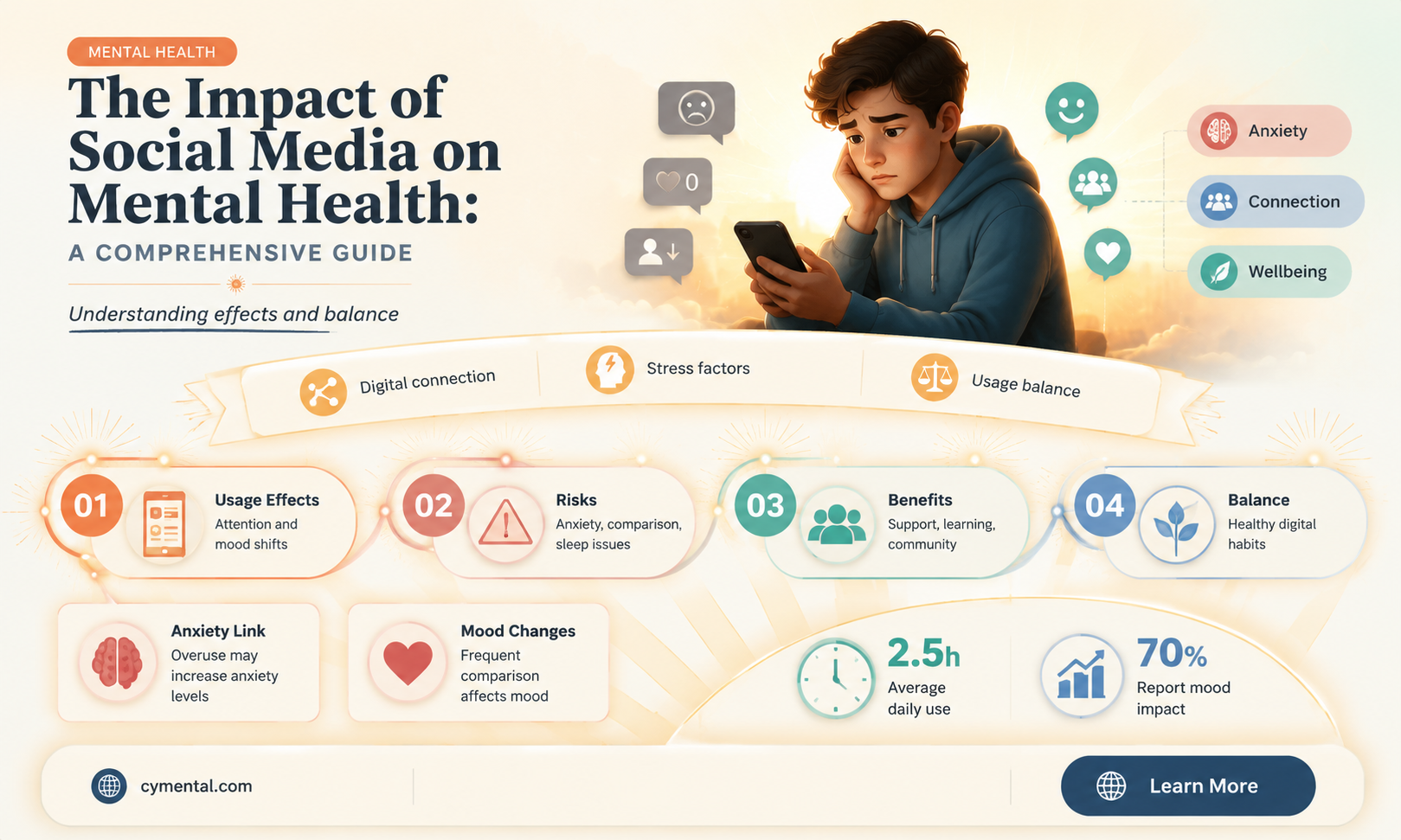
Social media has become an integral part of modern life, with billions of people worldwide using platforms like Facebook, Instagram, Twitter, and TikTok to connect with others, share their experiences, and consume information. While social media can have many positive effects, such as fostering social connections and providing a platform for self-expression, it can also have negative impacts on mental health. Research has shown that excessive social media use can lead to increased feelings of loneliness, anxiety, and depression, as well as decreased self-esteem and sleep quality. Furthermore, the constant stream of curated and manipulated content can create unrealistic expectations and promote unhealthy comparisons, which can be particularly damaging for young people. It is therefore important to be aware of the potential risks of social media use and to develop healthy habits and boundaries to mitigate these effects.
Explore related products


What You'll Learn
- Comparison and Self-Esteem: Constant exposure to curated lives can lead to negative self-comparison and lowered self-esteem
- Cyberbullying and Harassment: Online bullying, harassment, and hate speech can cause significant emotional distress and anxiety
- Addiction and Sleep Deprivation: Excessive social media use can lead to addiction, disrupting sleep patterns and overall well-being
- Information Overload and Anxiety: The constant influx of information can create a sense of overwhelm, contributing to anxiety and stress
- Social Isolation and Loneliness: Over-reliance on social media can lead to reduced face-to-face interactions, increasing feelings of loneliness

Comparison and Self-Esteem: Constant exposure to curated lives can lead to negative self-comparison and lowered self-esteem
Social media platforms are designed to showcase the highlight reels of people's lives, often presenting an unrealistic and unattainable standard of living. This constant exposure to curated lives can lead to negative self-comparison and lowered self-esteem, as individuals may feel that their own lives do not measure up to the seemingly perfect lives of others online.
Research has shown that excessive social media use can lead to increased feelings of loneliness, anxiety, and depression, particularly in young adults. This is likely due to the fact that social media platforms are designed to be addictive, using algorithms that prioritize content that is likely to engage users and keep them scrolling for longer periods of time. As a result, individuals may find themselves spending hours each day comparing their lives to those of others, leading to feelings of inadequacy and low self-esteem.
One of the most damaging aspects of social media is the way in which it can create unrealistic expectations and promote consumerism. Influencers and celebrities often use social media to promote products and lifestyles that are unattainable for the average person, leading to feelings of dissatisfaction and low self-worth. This can be particularly harmful for young people, who may not have the critical thinking skills to recognize that the lives presented online are often carefully curated and edited to create a specific image.
To combat the negative effects of social media on self-esteem, it is important to practice self-compassion and to recognize that the lives presented online are not always an accurate representation of reality. Limiting social media use and engaging in activities that promote self-worth, such as exercise, hobbies, and spending time with friends and family, can also help to improve mental health and reduce feelings of low self-esteem.
In conclusion, social media can have a significant impact on self-esteem, particularly when individuals are constantly exposed to curated lives that create unrealistic expectations. By recognizing the potential harm of social media and taking steps to limit its impact, individuals can work to improve their mental health and develop a more positive self-image.
Recognizing Mental Health Struggles: A Compassionate Guide
You may want to see also
Explore related products


Cyberbullying and Harassment: Online bullying, harassment, and hate speech can cause significant emotional distress and anxiety
Cyberbullying and harassment are pervasive issues on social media platforms, causing significant emotional distress and anxiety among victims. Unlike traditional bullying, cyberbullying can occur 24/7, making it difficult for victims to find respite. Harassment can take many forms, including unwanted contact, threats, and the sharing of personal information. Hate speech, often targeting marginalized groups, can also contribute to a hostile online environment. These behaviors can lead to severe mental health consequences, such as depression, anxiety disorders, and even suicidal ideation.
One unique aspect of cyberbullying is the potential for anonymity, which can embolden perpetrators and make it challenging for victims to identify their harassers. Additionally, the permanence of online content means that harmful messages and images can continue to circulate long after they were initially posted. This can result in ongoing trauma for victims, who may feel helpless and unsupported.
To address cyberbullying and harassment, social media platforms have implemented various measures, such as reporting systems and content moderation policies. However, these efforts are often insufficient, and victims may feel that their concerns are not taken seriously. Furthermore, the lack of standardized definitions and regulations across different platforms can create inconsistencies in how cyberbullying is addressed.
Victims of cyberbullying and harassment can take steps to protect themselves, such as blocking harassers, limiting their online presence, and seeking support from friends, family, or mental health professionals. It is also important for bystanders to intervene when they witness cyberbullying, by reporting the behavior and offering support to the victim. Ultimately, addressing cyberbullying and harassment requires a multifaceted approach, involving education, policy changes, and community engagement.
In conclusion, cyberbullying and harassment are serious issues that can have a profound impact on mental health. By understanding the unique challenges posed by these behaviors and taking proactive steps to address them, we can work towards creating a safer and more supportive online environment for all.
Addressing Mental Health Concerns: When and How to Report
You may want to see also
Explore related products


Addiction and Sleep Deprivation: Excessive social media use can lead to addiction, disrupting sleep patterns and overall well-being
Excessive social media use has been linked to a range of negative effects on mental health, including addiction and sleep deprivation. The constant stream of notifications, the fear of missing out (FOMO), and the dopamine rush from likes and shares can create a compulsive cycle that is difficult to break. This addiction can lead to a disruption in sleep patterns, as individuals may find themselves scrolling through their feeds late into the night, sacrificing precious hours of rest.
Research has shown that the blue light emitted by screens can interfere with the production of melatonin, a hormone that regulates sleep. Furthermore, the stimulating nature of social media content can make it difficult for the brain to wind down and transition into a restful state. This can result in insomnia, daytime fatigue, and a host of other sleep-related issues.
In addition to the direct impact on sleep, social media addiction can also contribute to overall well-being. The constant comparison to others' curated online lives can lead to feelings of inadequacy and low self-esteem. The pressure to present a perfect image can create anxiety and stress, further exacerbating sleep problems.
Breaking the cycle of social media addiction and improving sleep hygiene requires a multifaceted approach. Setting boundaries, such as designating screen-free times or limiting social media use to specific hours of the day, can be helpful. Creating a relaxing bedtime routine, avoiding caffeine and alcohol before bed, and ensuring a comfortable sleep environment are also important steps.
Cognitive-behavioral therapy (CBT) has been shown to be effective in treating social media addiction. This type of therapy helps individuals identify and challenge negative thought patterns and develop healthier coping mechanisms. In some cases, medication may also be prescribed to help manage symptoms of anxiety or depression that are contributing to the addiction.
Ultimately, addressing the issue of social media addiction and its impact on sleep requires a comprehensive approach that combines self-awareness, behavioral changes, and, if necessary, professional intervention. By taking steps to improve sleep hygiene and break the cycle of addiction, individuals can reclaim their mental health and well-being.
Exploring the Complex Link Between Mental Illness and Racism
You may want to see also
Information Overload and Anxiety: The constant influx of information can create a sense of overwhelm, contributing to anxiety and stress
The relentless barrage of notifications, updates, and news feeds can create a sense of information overload, which has been linked to increased levels of anxiety and stress. This phenomenon is particularly prevalent among social media users who feel compelled to stay constantly connected and informed. The fear of missing out (FOMO) drives individuals to scroll endlessly through their feeds, leading to a vicious cycle of information consumption that can be difficult to break.
Research has shown that the constant influx of information can overwhelm the brain's ability to process and filter out irrelevant data, resulting in a state of cognitive overload. This, in turn, can lead to feelings of anxiety, stress, and even depression. Social media platforms, with their algorithms designed to keep users engaged for as long as possible, exacerbate this problem by providing a never-ending stream of content that is often tailored to provoke emotional responses.
To mitigate the effects of information overload and anxiety, it is essential to establish healthy boundaries with social media. This can include setting specific times for checking updates, limiting the number of platforms used, and curating one's feed to include only the most relevant and positive content. Additionally, practicing mindfulness and engaging in activities that promote relaxation, such as meditation or exercise, can help to reduce stress and anxiety levels.
It is also important to recognize the signs of information overload, such as feeling overwhelmed, anxious, or stressed, and to take steps to address these symptoms. This may involve seeking support from friends, family, or mental health professionals, as well as implementing strategies to improve time management and prioritize self-care.
Ultimately, while social media can be a valuable tool for staying connected and informed, it is crucial to maintain a healthy balance and to be mindful of the potential negative impacts on mental health. By taking proactive steps to manage information overload and anxiety, individuals can enjoy the benefits of social media without sacrificing their well-being.
Thriving Beyond Stigma: Mental Illness and the Pursuit of a Fulfilling Life
You may want to see also
Social Isolation and Loneliness: Over-reliance on social media can lead to reduced face-to-face interactions, increasing feelings of loneliness
Social isolation and loneliness are significant concerns in the digital age, particularly among those who heavily rely on social media for interaction. Research indicates that while social media platforms can connect people across the globe, they often fail to provide the depth and quality of relationships that face-to-face interactions offer. This can lead to a paradoxical situation where individuals feel increasingly isolated despite being constantly connected online.
One of the primary reasons for this phenomenon is the substitution of virtual interactions for real-life ones. When people spend more time engaging with their devices than with others in person, they miss out on the nonverbal cues, physical touch, and spontaneous conversations that are essential for building and maintaining strong social bonds. Over time, this can result in feelings of loneliness and disconnection from others.
Moreover, social media can exacerbate feelings of loneliness by creating unrealistic expectations and promoting a culture of comparison. Users often present curated versions of their lives online, showcasing only the highlights and omitting the challenges and mundane aspects. This can lead others to feel inadequate and isolated, as they compare their own lives to the seemingly perfect ones depicted on social media.
To mitigate these effects, it is crucial for individuals to strike a balance between their online and offline interactions. Setting aside time for face-to-face conversations, joining community groups, and engaging in activities that promote social connection can help counteract the isolating effects of social media. Additionally, being mindful of how one uses social media—such as limiting time spent on platforms, avoiding excessive comparison, and focusing on meaningful interactions—can help foster a healthier relationship with technology and reduce feelings of loneliness.
In conclusion, while social media has the potential to connect people in unprecedented ways, it is essential to recognize and address the potential drawbacks, particularly in terms of social isolation and loneliness. By being proactive in managing one's social media use and prioritizing face-to-face interactions, individuals can cultivate more fulfilling and connected lives.
Could You Have a Mental Illness for Loving Someone?
You may want to see also
Frequently asked questions
Social media can have both positive and negative effects on mental health. On the positive side, it can help people stay connected with friends and family, share experiences, and find support. However, excessive use can lead to negative effects such as increased feelings of loneliness, anxiety, and depression.
Signs that social media might be negatively impacting your mental health include feeling anxious or depressed after using it, comparing yourself unfavorably to others, feeling lonely or isolated despite being connected, and experiencing sleep disturbances due to excessive screen time.
To use social media in a way that promotes good mental health, set boundaries on your usage, such as limiting the amount of time you spend on it each day. Focus on connecting with people who make you feel good, and avoid comparing yourself to others. Additionally, be mindful of the content you consume and try to balance your online activities with offline ones.
If you're struggling with the impact of social media on your mental health, there are several resources available. You can talk to a mental health professional, reach out to a support hotline, or join a support group. Additionally, there are many online resources and apps that can help you manage your social media usage and improve your mental health.