Noah Parker
Becoming a mental health nurse involves a combination of education, training, and personal qualities. Mental health nurses play a crucial role in supporting individuals experiencing mental health issues, providing care, and promoting recovery. To embark on this career path, one typically needs to complete a nursing degree program, which includes both theoretical knowledge and practical clinical experience. Additionally, mental health nurses often pursue specialized training or certifications in psychiatric nursing to enhance their skills and knowledge in this specific field. Personal qualities such as empathy, patience, and strong communication skills are also essential for success in this rewarding yet challenging profession.
| Characteristics | Values |
|---|---|
| Job Title | Mental Health Nurse |
| Education Requirements | Bachelor of Science in Nursing (BSN) degree, Master of Science in Nursing (MSN) degree with a focus on mental health |
| Licensure | Registered Nurse (RN) license, Psychiatric-Mental Health Nurse Practitioner (PMHNP) certification |
| Job Responsibilities | Assess patients' mental health needs, Develop and implement nursing care plans, Administer medications, Provide psychotherapy and counseling, Collaborate with other healthcare professionals |
| Work Environment | Psychiatric hospitals, Mental health clinics, Community health centers, Schools, Private practices |
| Salary Range | $70,000 - $110,000 per year |
| Job Outlook | Expected to grow by 11% from 2020 to 2030 |
| Skills Required | Strong communication skills, Empathy and compassion, Critical thinking and problem-solving skills, Knowledge of mental health disorders and treatments |
| Professional Organizations | American Nurses Association (ANA), International Society of Psychiatric-Mental Health Nurses (ISPN) |
| Continuing Education | Required to maintain licensure and certification, Opportunities for specialization in areas like child and adolescent mental health, substance abuse treatment |
| Challenges | High-stress work environment, Emotional demands of working with mentally ill patients, Need for ongoing education and training |
| Rewards | Opportunity to make a positive impact on patients' lives, Job stability and growth potential, Competitive salary and benefits |
| Work-Life Balance | Can be challenging due to the emotional demands of the job, but many employers offer flexible scheduling and support for work-life balance |
| Diversity and Inclusion | Mental health nursing is a diverse field with opportunities for nurses from various backgrounds to make a difference |
| Technological Advancements | Increasing use of telehealth and digital tools in mental health nursing, allowing for more remote work opportunities |
| Research and Innovation | Ongoing research in mental health nursing to improve patient outcomes and develop new treatments and interventions |
Explore related products


What You'll Learn
- Education Requirements: Obtain a Bachelor's degree in Nursing (BSN) from an accredited program
- Licensure: Pass the National Council Licensure Examination (NCLEX-RN) to become a Registered Nurse (RN)
- Experience: Gain practical nursing experience, preferably in a mental health setting, to build foundational skills
- Specialization: Pursue a Master's degree in Psychiatric-Mental Health Nursing (PMHN) or a related field
- Certification: Consider obtaining certifications like the Certified Psychiatric-Mental Health Nurse (CPMHN) to demonstrate expertise

Education Requirements: Obtain a Bachelor's degree in Nursing (BSN) from an accredited program
To become a mental health nurse, one of the primary education requirements is to obtain a Bachelor of Science in Nursing (BSN) from an accredited program. This foundational step is crucial as it provides the necessary knowledge and skills to understand the complexities of mental health care. Accredited programs ensure that the curriculum meets the standards set by nursing education authorities, which is essential for future licensure and professional credibility.
The BSN program typically covers a wide range of subjects including anatomy, physiology, pharmacology, and psychology, all of which are integral to understanding mental health disorders and their treatments. Additionally, students will learn about patient care, communication skills, and ethical considerations in nursing practice. These courses are designed to prepare students for the challenges they will face in the field, particularly in mental health settings where patients may have complex and varied needs.
Clinical rotations are a significant component of BSN programs, providing students with hands-on experience in various healthcare settings, including psychiatric hospitals and community mental health centers. These rotations allow students to apply their theoretical knowledge in practical situations, working directly with patients under the supervision of experienced nurses. This experiential learning is invaluable, as it helps students develop the critical thinking and problem-solving skills necessary for effective mental health nursing practice.
Upon completion of the BSN program, graduates must pass the National Council Licensure Examination (NCLEX-RN) to become licensed registered nurses (RNs). This exam tests the knowledge and skills acquired during the nursing program and ensures that new nurses meet the minimum standards for safe and effective practice. Once licensed, nurses can seek employment in mental health settings or pursue further education to specialize in psychiatric-mental health nursing.
Continuing education is also an important aspect of a mental health nurse's career. The field of mental health is constantly evolving, with new research, treatments, and best practices emerging regularly. Nurses must stay up-to-date with these developments to provide the best possible care to their patients. Many employers require ongoing education as a condition of employment, and professional organizations offer a variety of resources and opportunities for nurses to enhance their knowledge and skills throughout their careers.
Navigating Mental Health: When Inpatient Treatment Becomes Necessary
You may want to see also
Explore related products


Licensure: Pass the National Council Licensure Examination (NCLEX-RN) to become a Registered Nurse (RN)
To become a Registered Nurse (RN) specializing in mental health, one crucial step is passing the National Council Licensure Examination (NCLEX-RN). This standardized test is designed to assess the knowledge, skills, and abilities of nursing graduates, ensuring they meet the minimum requirements for safe and effective practice. The NCLEX-RN is a computer-adaptive test, meaning the difficulty of questions adjusts based on the test-taker's performance, and it covers a wide range of topics, including mental health nursing.
Preparing for the NCLEX-RN requires a strategic approach. Nursing students should start by familiarizing themselves with the test format and content outline, which includes categories such as physiological adaptation, health promotion and maintenance, and psychosocial adaptation. Mental health nursing, in particular, accounts for approximately 10% of the exam, covering topics like mental health disorders, therapeutic interventions, and medication management.
Effective study strategies for the NCLEX-RN include creating a study plan, utilizing review books and online resources, practicing with sample questions, and participating in study groups. It's essential to focus on understanding key concepts rather than memorizing facts, as the exam emphasizes critical thinking and application of knowledge. Additionally, test-takers should be prepared for the exam's length, which can take up to six hours to complete, and should ensure they are well-rested and mentally prepared on the day of the test.
Passing the NCLEX-RN is a significant milestone in a nurse's career, as it grants them the license to practice as an RN in their state. For those aspiring to specialize in mental health nursing, this achievement opens the door to further education and training in this critical field. Mental health nurses play a vital role in providing care and support to individuals experiencing mental health challenges, and the NCLEX-RN is the first step in this rewarding career path.
Understanding the Cost of Mental Health Evaluations: A Comprehensive Guide
You may want to see also
Explore related products


Experience: Gain practical nursing experience, preferably in a mental health setting, to build foundational skills
Gaining practical nursing experience, particularly in a mental health setting, is crucial for aspiring mental health nurses. This hands-on experience not only builds foundational skills but also provides a deeper understanding of the unique challenges and rewards of working in this field. To gain this experience, consider the following steps:
First, seek out internships or placements in mental health facilities during your nursing education. Many nursing programs offer opportunities for students to work in various healthcare settings, including mental health hospitals, clinics, and community centers. These placements can provide valuable exposure to the day-to-day responsibilities of a mental health nurse and allow you to apply theoretical knowledge in a real-world setting.
Second, consider volunteering or working part-time in mental health organizations. This can be an excellent way to gain experience and make connections in the field. Look for opportunities to assist with patient care, support groups, or administrative tasks. Even if the role is not directly related to nursing, it can still provide valuable insight into the mental health care system and the needs of patients.
Third, pursue continuing education and professional development opportunities. Attend workshops, seminars, and conferences focused on mental health nursing to stay up-to-date on the latest research, best practices, and treatment approaches. This not only enhances your knowledge and skills but also demonstrates your commitment to the field.
Finally, network with experienced mental health nurses. Join professional organizations, such as the American Nurses Association or the International Society of Psychiatric-Mental Health Nurses, to connect with other professionals in the field. These connections can provide valuable advice, support, and opportunities for collaboration and growth.
By gaining practical experience in a mental health setting, aspiring nurses can develop the skills and knowledge necessary to provide high-quality care to patients. This experience not only prepares them for the challenges of working in this field but also fosters a deeper understanding and appreciation of the importance of mental health care.
Exploring UMR's Mental Health Coverage: What You Need to Know
You may want to see also
Explore related products


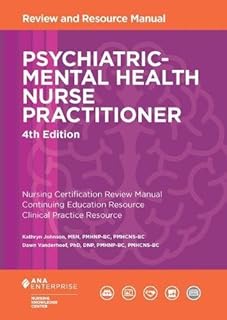


Specialization: Pursue a Master's degree in Psychiatric-Mental Health Nursing (PMHN) or a related field
Pursuing a Master's degree in Psychiatric-Mental Health Nursing (PMHN) is a critical step for nurses aiming to specialize in mental health care. This advanced degree provides the necessary knowledge and skills to address the complex needs of patients with mental health issues. To embark on this path, one must first obtain a Bachelor of Science in Nursing (BSN) and pass the NCLEX-RN exam to become a licensed registered nurse.
Once licensed, nurses can gain experience in various healthcare settings, including psychiatric hospitals, community mental health centers, and outpatient clinics. This hands-on experience is invaluable, as it exposes nurses to the diverse challenges and rewards of working in mental health. After acquiring at least one to two years of experience, nurses can apply to PMHN programs, which typically require a current nursing license, a minimum GPA, and letters of recommendation.
PMHN programs are designed to equip nurses with specialized knowledge in areas such as psychopharmacology, psychotherapy, and crisis intervention. These programs often include clinical rotations that provide students with practical experience in different mental health settings. Upon completion of the Master's degree, nurses can pursue certification as a Psychiatric-Mental Health Nurse Practitioner (PMHNP) through organizations like the American Nurses Credentialing Center (ANCC).
Certification as a PMHNP opens up additional opportunities, such as prescribing medications and providing independent mental health care. It also demonstrates a high level of expertise and commitment to the field, which can lead to leadership roles and involvement in policy-making and advocacy efforts.
In summary, specializing in Psychiatric-Mental Health Nursing through a Master's degree program is a rewarding and challenging journey that requires dedication, experience, and a passion for helping individuals with mental health issues. This path offers numerous opportunities for professional growth and the chance to make a significant impact on the lives of patients and their families.
Exploring Mental Health Themes in Young Adult Literature
You may want to see also
Explore related products




Certification: Consider obtaining certifications like the Certified Psychiatric-Mental Health Nurse (CPMHN) to demonstrate expertise
Obtaining certifications such as the Certified Psychiatric-Mental Health Nurse (CPMHN) can significantly enhance a mental health nurse's career. This certification, offered by the American Nurses Credentialing Center (ANCC), validates a nurse's expertise in psychiatric-mental health nursing and can lead to increased job opportunities, higher salaries, and greater professional credibility. To pursue this certification, nurses must meet specific eligibility criteria, including holding a current RN license, completing a graduate degree in psychiatric-mental health nursing, and accumulating a minimum number of hours of supervised clinical experience in the field.
The CPMHN exam is a comprehensive assessment that tests a nurse's knowledge and skills in various areas of psychiatric-mental health nursing, including assessment, diagnosis, treatment planning, and intervention. Preparation for the exam typically involves a combination of self-study, review courses, and practice exams. Nurses who successfully pass the exam are awarded the CPMHN credential, which must be renewed periodically through continuing education and practice.
In addition to the CPMHN, there are other certifications available for mental health nurses, such as the Certified Nurse Specialist in Psychiatric-Mental Health (CNS-PM) and the Psychiatric-Mental Health Nurse Practitioner (PMHNP) certification. Each of these certifications has its own set of eligibility requirements and exam content, and nurses should carefully consider their career goals and interests when deciding which certification to pursue.
Certification can also have a positive impact on patient care. Nurses who are certified in psychiatric-mental health nursing are often more knowledgeable and skilled in providing evidence-based care, which can lead to better outcomes for their patients. Furthermore, certification can help to build trust and rapport with patients, as it demonstrates a nurse's commitment to their profession and their dedication to providing high-quality care.
In conclusion, obtaining certifications like the CPMHN can be a valuable investment for mental health nurses who are looking to advance their careers and improve their practice. By demonstrating expertise and a commitment to lifelong learning, certified nurses can enhance their professional credibility, increase their earning potential, and ultimately provide better care for their patients.
Exploring Outpatient Mental Health Treatment: A Comprehensive Guide
You may want to see also
Frequently asked questions
To become a mental health nurse, you typically need to complete a Bachelor of Science in Nursing (BSN) degree from an accredited nursing program. After obtaining your BSN, you may need to pursue a Master of Science in Nursing (MSN) with a focus on psychiatric-mental health nursing, depending on the specific requirements of your state and employer.
Yes, mental health nurses can obtain various certifications to demonstrate their expertise and enhance their career prospects. The American Nurses Credentialing Center (ANCC) offers the Psychiatric-Mental Health Nurse Practitioner (PMHNP) certification, which is a common credential for advanced practice registered nurses (APRNs) in this field. Other certifications may include the Certified Mental Health Professional (CMHP) or the Certified Psychiatric Nurse (CPN).
Mental health nurses can work in a variety of settings, including hospitals, outpatient clinics, community mental health centers, schools, and private practices. They may also work in specialized areas such as crisis intervention, substance abuse treatment, or forensic nursing. The work environment can vary depending on the specific role and employer, but mental health nurses generally work in settings that provide care and support to individuals with mental health issues.
Mental health nurses require a range of skills to effectively care for their patients. Some key skills include strong communication and interpersonal skills, empathy and compassion, critical thinking and problem-solving abilities, and knowledge of mental health disorders and treatments. Additionally, mental health nurses should be able to work well in a team, manage their time effectively, and maintain accurate records of patient care.