Harper Lewis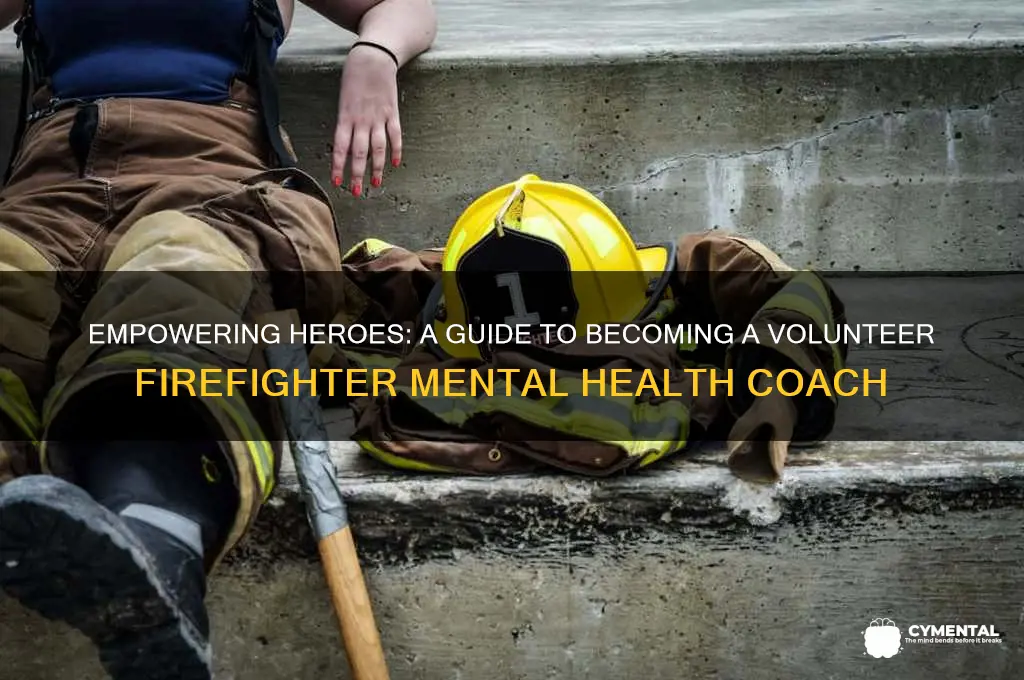
Becoming a mental health coach for volunteer firefighters is a deeply rewarding yet challenging endeavor that requires a unique blend of empathy, specialized knowledge, and practical skills. Volunteer firefighters face immense physical and emotional stress, often encountering traumatic incidents while balancing their roles with personal and professional lives. As a mental health coach, your role would involve providing tailored support to help them build resilience, manage stress, and process trauma. This career path demands formal training in mental health, such as certifications in counseling, psychology, or trauma-informed care, coupled with an understanding of the firefighting culture. Additionally, developing strong communication skills, fostering trust, and creating a non-judgmental space are essential to effectively support these first responders. By combining compassion with expertise, you can make a significant impact in safeguarding the mental well-being of those who selflessly serve their communities.
Explore related products


What You'll Learn
- Understanding Firefighter Stressors: Identify common mental health challenges faced by volunteer firefighters
- Basic Counseling Skills: Learn active listening, empathy, and crisis intervention techniques
- Peer Support Training: Develop skills to provide effective peer-to-peer mental health support
- Confidentiality & Ethics: Understand legal and ethical boundaries in mental health coaching
- Self-Care Strategies: Teach firefighters and coaches resilience and stress management techniques

Understanding Firefighter Stressors: Identify common mental health challenges faced by volunteer firefighters
Volunteer firefighters face a unique set of stressors that can significantly impact their mental health. Unlike their career counterparts, they often juggle firefighting duties with full-time jobs, family responsibilities, and community commitments. This dual-role lifestyle can lead to chronic stress, burnout, and a sense of being stretched too thin. Understanding these stressors is the first step in providing effective mental health support.
One of the most common challenges is trauma exposure. Volunteer firefighters frequently respond to high-stress incidents such as fatal accidents, house fires, and natural disasters. Repeated exposure to such events can lead to symptoms of post-traumatic stress disorder (PTSD), including flashbacks, nightmares, and hypervigilance. For example, a study published in the *Journal of Emergency Medical Services* found that 37% of firefighters screened positive for PTSD, with volunteer firefighters reporting higher rates than career firefighters due to less access to mental health resources.
Another significant stressor is work-life imbalance. Volunteer firefighters often struggle to balance their firefighting commitments with personal and professional obligations. This imbalance can result in strained relationships, neglect of self-care, and a sense of isolation. A practical tip for coaches is to encourage firefighters to set clear boundaries, such as designating specific times for family and relaxation, and to use tools like shared calendars to manage their schedules effectively.
Peer pressure and stigma also play a role in firefighter mental health. Many volunteer firefighters operate in tight-knit communities where showing vulnerability is often seen as a sign of weakness. This stigma can prevent individuals from seeking help, exacerbating mental health issues. Coaches should work to normalize conversations about mental health by sharing success stories of firefighters who have sought support and by fostering a culture of openness within fire departments.
Finally, lack of resources is a pervasive issue for volunteer firefighters. Unlike career departments, volunteer fire stations often have limited funding for mental health programs, training, and equipment. This scarcity can leave firefighters feeling unsupported and ill-prepared to handle the psychological demands of their role. Coaches can advocate for increased funding, collaborate with local mental health organizations, and provide low-cost or free resources such as peer support groups, online counseling, and stress management workshops.
By identifying and addressing these common stressors, mental health coaches can play a vital role in supporting the well-being of volunteer firefighters. Tailored interventions, practical strategies, and a compassionate approach can help these dedicated individuals thrive both on and off the fireground.
Mental Health Support: A Key to Preventing School Shootings?
You may want to see also
Explore related products


Basic Counseling Skills: Learn active listening, empathy, and crisis intervention techniques
Volunteer firefighters face unique mental health challenges, from trauma exposure to irregular schedules, making effective communication a cornerstone of their support system. Active listening is the foundation of this skill set, requiring more than just hearing words—it demands full presence, nonverbal cues like nodding, and reflective responses that validate their experiences. For instance, instead of saying, “That sounds tough,” try, “It seems like the unpredictability of calls weighs heavily on you.” This precision fosters trust and encourages deeper sharing.
Empathy, often misunderstood as sympathy, is about stepping into another’s emotional world without judgment. A study by the National Volunteer Fire Council highlights that 70% of volunteer firefighters report stress-related symptoms, yet only 30% seek help due to stigma. To bridge this gap, practice empathic statements like, “I can imagine how isolating it feels to carry these burdens alone.” Pair this with open-ended questions such as, “What’s been most challenging since the last call?” to create a safe space for exploration.
Crisis intervention techniques are critical for immediate de-escalation. The ABC model (Assess, Build rapport, Provide coping strategies) is particularly effective. For example, if a firefighter is experiencing flashbacks, start by assessing their safety (“Are you in a secure place?”). Build rapport with a calming tone, then introduce grounding techniques like 4-7-8 breathing (inhale for 4 seconds, hold for 7, exhale for 8). These structured steps provide stability in chaotic moments.
A common pitfall is overstepping into advice-giving. Instead of saying, “You should talk to someone,” reflect their emotions and offer choices: “It sounds like this has been overwhelming. Would it help to discuss resources or take a moment to breathe?” This empowers them to lead the conversation. Additionally, self-care for the coach is non-negotiable. Regular supervision and peer support groups prevent burnout, ensuring you remain a reliable pillar for those you serve.
Finally, integrate these skills through role-playing scenarios, such as a firefighter struggling with survivor’s guilt. Practice active listening by summarizing their story, empathy by acknowledging their pain, and crisis intervention by offering actionable steps like journaling or connecting with a peer. By mastering these techniques, you become more than a coach—you become a lifeline in their most vulnerable moments.
Peer Support: How Friends Boost Your Mental and Emotional Well-Being
You may want to see also
Explore related products



Peer Support Training: Develop skills to provide effective peer-to-peer mental health support
Volunteer firefighters face unique mental health challenges, from trauma exposure to irregular schedules, making peer support a critical lifeline. Peer Support Training equips individuals to provide this lifeline effectively, fostering a culture of resilience within fire departments.
Unlike clinical therapy, peer support relies on shared experience and understanding. This training teaches active listening, empathy, and boundary-setting, enabling peers to offer non-judgmental support while recognizing when professional intervention is necessary.
Consider a scenario: A firefighter witnesses a particularly harrowing incident. A trained peer supporter can create a safe space for them to process emotions, validate their experience, and connect them to resources like critical incident stress management (CISM) teams. This early intervention can prevent the development of more serious mental health issues.
- Key Components of Peer Support Training:
- Active Listening: Techniques like paraphrasing, open-ended questions, and reflective listening ensure the supporter truly understands the firefighter's perspective.
- Empathy and Validation: Training emphasizes recognizing and acknowledging the firefighter's emotions without judgment, fostering a sense of being understood.
- Boundary Setting: Clear boundaries protect both the supporter and the firefighter, ensuring the relationship remains professional and focused on mental well-being.
- Confidentiality: Strict adherence to confidentiality builds trust and encourages firefighters to seek help without fear of stigma.
- Referral Skills: Training equips supporters to identify red flags and connect firefighters to professional mental health services when needed.
While peer support is invaluable, it's crucial to remember its limitations. Peer supporters are not therapists. They provide a listening ear, encouragement, and guidance, but they should never attempt to diagnose or treat mental health conditions. Recognizing these boundaries ensures the safety and well-being of both the supporter and the firefighter.
Becoming a peer supporter for volunteer firefighters is a rewarding way to give back to the community. By investing in Peer Support Training, individuals gain the skills to make a tangible difference in the lives of those who risk so much for others. This training empowers individuals to become pillars of support, fostering a culture of resilience and mental well-being within the firefighting community.
Supporting Your Daughter's Mental Health: A Guide for Parents
You may want to see also
Explore related products


Confidentiality & Ethics: Understand legal and ethical boundaries in mental health coaching
As a mental health coach for volunteer firefighters, you’ll encounter deeply personal struggles tied to trauma, stress, and loss. Confidentiality isn’t just a courtesy—it’s a legal and ethical cornerstone. Breaching trust can destroy your credibility, harm the individual, and expose you to liability. Firefighters must feel safe disclosing their darkest moments without fear of judgment, gossip, or professional repercussions. This requires more than a verbal promise; it demands rigorous adherence to laws like HIPAA (in the U.S.) and local privacy statutes, even when faced with challenging disclosures.
Consider a scenario: A firefighter confesses suicidal thoughts during a session. Your ethical duty to protect confidentiality collides with your obligation to prevent harm. Here, *duty to warn* laws typically require reporting imminent risk, but even then, disclosure must be minimal and legally justified. Such dilemmas highlight why understanding exceptions to confidentiality—and documenting every decision—is critical. For instance, in the U.S., mandatory reporting extends to child/elder abuse, but not all countries align. Research your jurisdiction’s specific requirements; ignorance isn’t a defense.
Ethical boundaries extend beyond secrecy to include power dynamics and dual relationships. Accepting gifts, socializing outside sessions, or offering personal advice blurs lines and compromises objectivity. For example, a coach who befriends a firefighter might hesitate to challenge maladaptive coping mechanisms, fearing relationship damage. To prevent this, establish clear contracts outlining session limits, communication channels, and conflict-of-interest policies. Tools like informed consent forms and regular boundary check-ins reinforce professionalism.
Practical tip: Use encrypted platforms for digital communication and store records in locked, access-controlled systems. If working with minors (e.g., junior firefighters), obtain dual consent from guardians and ensure age-appropriate confidentiality explanations. For group sessions, explicitly state confidentiality rules—one breach can erode trust for all. Finally, consult a legal expert to draft a confidentiality policy tailored to your practice and region. Ethics aren’t static; attend workshops or join professional bodies (e.g., the International Coach Federation) to stay updated on evolving standards.
The takeaway? Confidentiality and ethics aren’t bureaucratic hurdles—they’re the bedrock of effective coaching. Firefighters risk their lives daily; the least we can offer is a space where their mental health is guarded with equal rigor. Master these boundaries, and you’ll not only protect your clients but also safeguard your own integrity in this vital role.
Melodies for the Mind: Music's Healing Power on Mental Health
You may want to see also
Explore related products

$14.95 $14.95





Self-Care Strategies: Teach firefighters and coaches resilience and stress management techniques
Volunteer firefighters face unique stressors, from traumatic incidents to irregular schedules, making self-care essential for their mental health. Teaching resilience and stress management techniques isn’t just beneficial—it’s critical for sustaining their ability to serve. Start by introducing mindfulness practices, such as 5–10 minutes of daily meditation or deep breathing exercises, which have been shown to reduce cortisol levels and improve emotional regulation. Pair these with progressive muscle relaxation, a technique where firefighters tense and release muscle groups to alleviate physical tension accumulated during high-stress calls.
Next, emphasize the importance of structured downtime. Encourage firefighters to schedule at least one hour daily for activities unrelated to their duties, such as reading, hiking, or hobbies. For coaches, model this behavior by incorporating breaks into training sessions and openly discussing your own self-care routines. Research shows that role modeling significantly increases adoption rates among trainees. Additionally, teach the "3-3-3 rule" for grounding during acute stress: name three objects you see, three sounds you hear, and move three body parts. This technique is particularly effective for firefighters experiencing flashbacks or anxiety post-incident.
Physical self-care cannot be overlooked. Recommend 150 minutes of moderate aerobic exercise weekly, as per CDC guidelines, to combat stress-induced fatigue. However, caution against overtraining, as excessive physical exertion can exacerbate mental strain. Pair exercise with a balanced diet rich in omega-3 fatty acids, magnesium, and complex carbohydrates, which support brain health and stabilize mood. For coaches, collaborate with local nutritionists to provide workshops tailored to firefighters’ dietary needs, addressing common challenges like irregular meal times.
Finally, foster a culture of peer support by training firefighters in active listening and emotional validation. Create structured debrief sessions where participants share experiences without judgment, using the "SOLER" technique (Square posture, Open body language, Lean toward the speaker, Eye contact, Relaxed demeanor). For coaches, invest in your own resilience by seeking supervision or joining peer support networks. Remember, teaching self-care isn’t a one-time lesson—it’s an ongoing process that requires adaptability, empathy, and a commitment to modeling the behaviors you advocate.
Shower Therapy: How Daily Showers Boost Mental Health and Well-being
You may want to see also
Frequently asked questions
While specific qualifications can vary, most roles require a background in mental health, such as a degree in psychology, counseling, or social work. Certifications in trauma-informed care, crisis intervention, or peer support are highly beneficial. Experience working with first responders or knowledge of firefighting culture is also advantageous.
Many organizations offer specialized training programs for mental health professionals working with first responders. Look for courses in critical incident stress management (CISM), psychological first aid, or firefighter-specific mental health programs. Volunteering with local fire departments or joining support networks can also provide hands-on experience.
Key skills include active listening, empathy, and the ability to build trust. Understanding the unique stressors faced by firefighters, such as trauma exposure and work-life balance challenges, is crucial. Strong communication skills, cultural competency, and the ability to maintain confidentiality are also essential for this role.