Lucas Bennett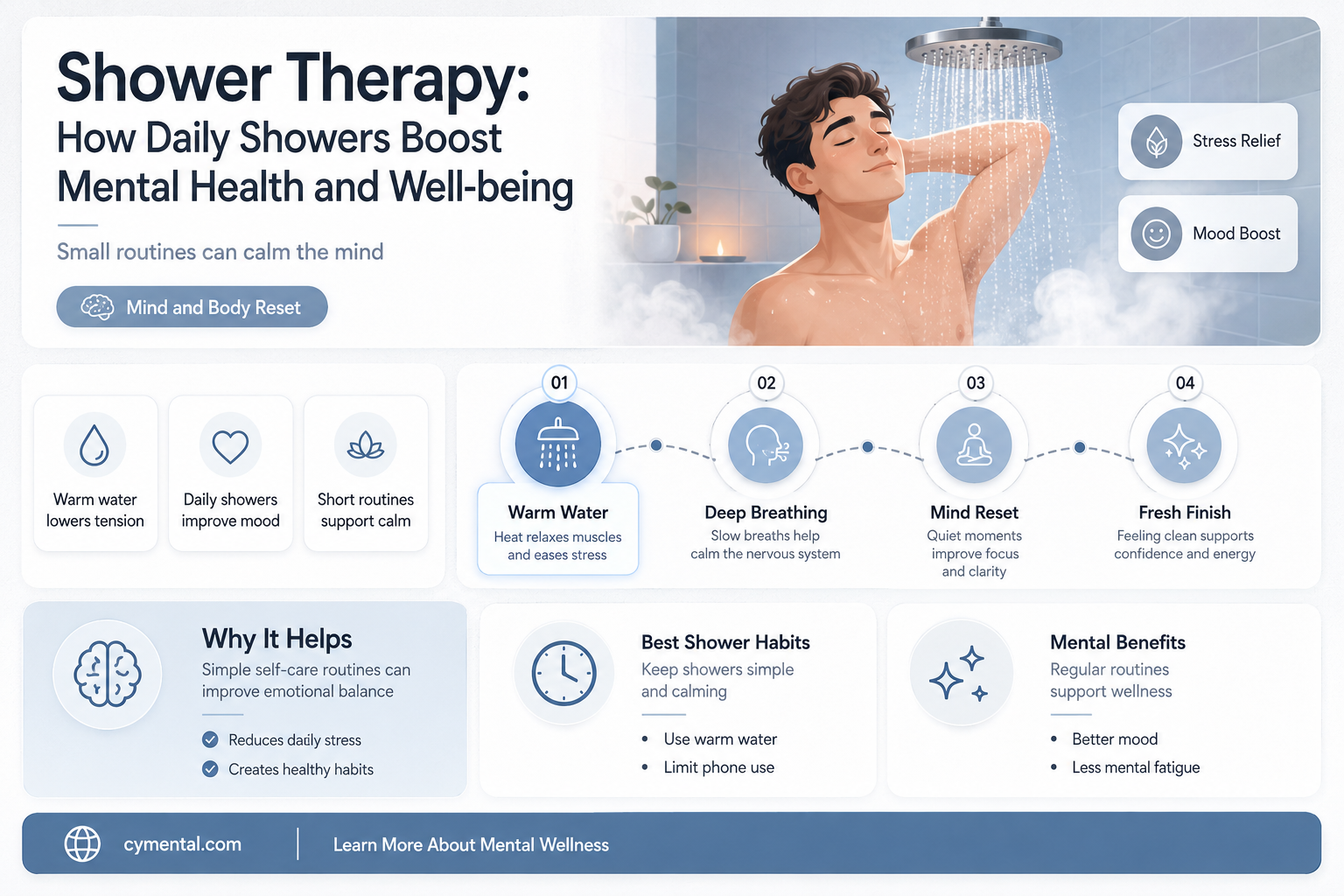
Showers have long been recognized as a daily necessity for physical hygiene, but their impact on mental health is a topic gaining increasing attention. Beyond their practical function, showers can serve as a therapeutic ritual, offering a moment of solitude and sensory stimulation that can alleviate stress, anxiety, and even symptoms of depression. The combination of warm water, steam, and the rhythmic sound of flowing water can create a calming environment, promoting relaxation and mindfulness. Additionally, the act of showering can act as a symbolic wash away of negative thoughts or emotions, providing a mental reset. Research suggests that the temperature and pressure of water can influence mood, with warm showers often linked to increased serotonin levels and cold showers potentially boosting alertness and reducing inflammation. As such, incorporating mindful showering practices into daily routines may offer a simple yet effective way to support mental well-being.
| Characteristics | Values |
|---|---|
| Stress Reduction | Showers, especially warm ones, can activate the parasympathetic nervous system, reducing cortisol levels and promoting relaxation. |
| Mood Enhancement | The combination of warmth, water pressure, and sensory stimulation can increase serotonin and dopamine levels, improving mood. |
| Mindfulness Practice | Showering can serve as a form of mindfulness, encouraging presence and reducing anxiety by focusing on sensory experiences. |
| Improved Sleep | Warm showers before bed can help regulate body temperature, signaling the body to prepare for sleep and improving sleep quality. |
| Physical Relaxation | Water pressure and warmth can relieve muscle tension, reducing physical discomfort and indirectly improving mental well-being. |
| Ritual and Routine | Incorporating showers into a daily routine can provide structure and a sense of control, benefiting mental health. |
| Aromatherapy Benefits | Using scented soaps or essential oils in the shower can enhance relaxation and mood through olfactory stimulation. |
| Temperature Therapy | Alternating between hot and cold water (contrast therapy) can boost circulation, reduce inflammation, and invigorate the mind. |
| Solitude and Reflection | Showers offer a private space for reflection, allowing individuals to process thoughts and emotions without distractions. |
| Hygiene and Self-Esteem | Feeling clean and refreshed after a shower can boost self-esteem and reduce feelings of stress or self-consciousness. |
Explore related products


What You'll Learn
- Stress Relief: Warm showers reduce cortisol, promoting relaxation and easing tension effectively
- Mood Boost: Showering increases serotonin, enhancing mood and reducing symptoms of depression
- Mindfulness Practice: Focus on sensations during showers fosters present-moment awareness and calm
- Sleep Improvement: Evening showers regulate body temperature, aiding better sleep quality
- Sensory Therapy: Water pressure and temperature provide soothing sensory stimulation for mental clarity

Stress Relief: Warm showers reduce cortisol, promoting relaxation and easing tension effectively
Warm showers aren’t just for hygiene—they’re a science-backed tool for stress relief. Research shows that warm water exposure triggers thermogenesis, a process that dilates blood vessels and improves circulation. This physiological response lowers cortisol, the body's primary stress hormone, by up to 15% within 20 minutes of showering, according to a study published in the *Journal of Applied Psychology*. For maximum effect, aim for water temperatures between 36°C and 38°C (97°F to 100°F), and let the water flow over tension-prone areas like the neck and shoulders for 10–15 minutes.
Consider this a daily prescription for stress reduction. Incorporate a warm shower into your evening routine to signal to your body that it’s time to unwind. Pair it with deep breathing exercises—inhale for 4 seconds, hold for 4, exhale for 6—to amplify relaxation. Avoid overly hot water, as it can elevate heart rate and counteract the calming effects. For those with sensitive skin or conditions like eczema, limit warm showers to 5–10 minutes to prevent dryness.
The benefits extend beyond cortisol reduction. Warm showers also stimulate the release of oxytocin, often called the "love hormone," which promotes feelings of calm and well-being. This dual hormonal shift makes showers a powerful tool for managing acute stress, such as after a challenging workday or before a high-pressure event. For added sensory relief, incorporate aromatherapy by using lavender or eucalyptus shower steamers, which have been shown to enhance relaxation when combined with warmth.
Compare this to other stress-relief methods: while meditation requires focus and exercise demands energy, warm showers are accessible, immediate, and require no special skills. They’re particularly effective for individuals who struggle with mindfulness practices or have physical limitations. However, showers aren’t a cure-all—chronic stress requires a multifaceted approach, including therapy, diet, and sleep hygiene. Think of warm showers as a complementary strategy, a simple yet potent way to reset your nervous system daily.
Prisoner Mental Health Support: Accessing Care Behind Bars
You may want to see also
Explore related products


Mood Boost: Showering increases serotonin, enhancing mood and reducing symptoms of depression
A warm shower can be a powerful tool for enhancing your mood, and the science behind it is fascinating. Serotonin, often referred to as the "feel-good" neurotransmitter, plays a crucial role in regulating mood, and research suggests that showering can stimulate its production. The combination of warm water, sensory stimulation, and relaxation triggers the release of serotonin, offering a natural and accessible way to combat symptoms of depression and anxiety.
To maximize the serotonin-boosting benefits of a shower, consider the temperature and duration. Studies indicate that warm water (around 38–40°C or 100–104°F) is most effective, as it promotes relaxation without causing stress to the body. Aim for a 10–15 minute shower, allowing the water to cascade over your shoulders and back, where tension often accumulates. Incorporating aromatherapy with essential oils like lavender or eucalyptus can further enhance the experience, as these scents are known to reduce stress and elevate mood.
For those struggling with depression, establishing a shower routine can be a practical step toward self-care. Morning showers, in particular, can set a positive tone for the day by increasing alertness and serotonin levels early on. Pairing this routine with mindfulness techniques, such as deep breathing or focusing on the sensation of water, can amplify its mental health benefits. Even on days when motivation is low, the simple act of stepping into the shower can serve as a small, achievable goal that fosters a sense of accomplishment.
Comparing showering to other mood-enhancing activities, such as exercise or meditation, highlights its unique advantages. Unlike intense workouts, showers require minimal effort and are accessible to people of all ages and physical abilities. While meditation demands focus and practice, the sensory experience of a shower provides immediate relaxation without the need for specialized skills. This makes showering an ideal option for individuals seeking quick, effective relief from stress or mild depressive symptoms.
Incorporating this practice into daily life doesn’t require significant changes. Start by setting aside dedicated time for your shower, free from distractions like phones or rushing. Experiment with water pressure and temperature to find what feels most soothing for you. For added benefit, end your shower with a brief burst of cooler water (around 20–25°C or 68–77°F), which can invigorate the senses and improve circulation. Small adjustments like these can transform a routine activity into a powerful mood-boosting ritual.
Hamsters as Emotional Support: Boosting Mental Health and Well-Being
You may want to see also
Explore related products


Mindfulness Practice: Focus on sensations during showers fosters present-moment awareness and calm
The warm water cascading over your skin, the scent of soap, the sound of droplets hitting the shower floor—these everyday sensations can become anchors to the present moment. Mindfulness, the practice of focusing on the here and now without judgment, often feels abstract or difficult to integrate into daily life. Yet, the shower offers a natural, accessible setting to cultivate this awareness. By intentionally directing your attention to the sensory experience of showering, you can transform a routine task into a calming ritual that reduces stress and enhances mental clarity.
To begin, set an intention before stepping into the shower. Decide to focus on your senses rather than letting your mind wander to to-do lists or worries. Start with the temperature of the water—notice how it contrasts with the air around you. Feel the pressure of the stream against your skin, whether it’s a gentle mist or a forceful pulse. Observe the way soap lathers and how its texture changes as you rub it between your hands. Engage your sense of smell by inhaling the aroma of your shampoo or body wash, noting whether it’s invigorating, soothing, or neutral. Even the sound of water can be a focal point—listen to its rhythm, letting it drown out mental noise.
This practice isn’t about achieving perfection but about returning to the present whenever your mind drifts. If you catch yourself thinking about work or planning dinner, gently redirect your attention to the sensations at hand. For example, when rinsing your hair, focus on the feeling of water flowing through your fingers and the sound it makes as it cascades down. Over time, this repetition trains your brain to stay grounded, reducing the mental chatter that often fuels anxiety or overwhelm. Research suggests that even brief periods of mindfulness can lower cortisol levels, the hormone associated with stress, making this practice particularly beneficial for those with busy or demanding lifestyles.
For maximum benefit, aim to incorporate this mindfulness practice into your shower routine at least three times a week. While any shower can be an opportunity for mindfulness, longer showers (10–15 minutes) allow more time to fully engage with the experience. However, even a quick 5-minute shower can be effective if you remain focused. To enhance the practice, consider adding elements like aromatherapy shower steamers or playing calming music in the background, though these should complement, not distract from, your sensory focus.
The beauty of this approach lies in its simplicity and accessibility. Unlike formal meditation, which can feel intimidating or time-consuming, mindfulness in the shower requires no special equipment or setting aside extra time. It’s a way to integrate mental health care into an activity you’re already doing, making it ideal for individuals of all ages and lifestyles. Whether you’re a teenager dealing with school stress, a working professional juggling deadlines, or a retiree seeking moments of peace, the shower becomes a daily sanctuary for cultivating calm and presence. By embracing this practice, you’re not just cleaning your body—you’re nurturing your mind.
Psychology's Role in Healing: Can Studying the Mind Aid Mental Health Recovery?
You may want to see also
Explore related products



Sleep Improvement: Evening showers regulate body temperature, aiding better sleep quality
A warm shower 90–120 minutes before bedtime can act as a physiological cue, signaling to your body that it’s time to wind down. This ritual leverages thermoregulation—a natural process where your core temperature drops slightly as you prepare for sleep. By raising your skin temperature temporarily with warm water, you facilitate the subsequent cooling process, which aligns with the body’s circadian rhythm. Research suggests this temperature shift can reduce the time it takes to fall asleep by up to 15 minutes, particularly for adults aged 18–65 who struggle with sleep onset latency.
Consider this a two-step process: first, the warm water dilates blood vessels, promoting relaxation; second, the post-shower cooling mimics the body’s natural temperature decline, a critical factor in melatonin release. For optimal results, keep the shower duration between 10–15 minutes, with water temperatures around 100–105°F (37.8–40.5°C). Avoid overly hot showers, as they can stimulate the nervous system and counteract the calming effect. Pair this with dimming lights post-shower to reinforce the sleep signal.
While evening showers benefit most adults, they’re especially impactful for shift workers, insomniacs, or those with anxiety-induced sleep disturbances. However, caution is advised for individuals with cardiovascular conditions or low blood pressure, as sudden temperature changes can pose risks. Pregnant women should consult healthcare providers, as prolonged exposure to high temperatures may be contraindicated. For children under 12, shorter, lukewarm showers are recommended to avoid overheating.
The takeaway is clear: evening showers aren’t just a hygiene practice but a strategic tool for sleep hygiene. By manipulating body temperature, you can synchronize your internal clock, improve sleep quality, and indirectly bolster mental health. Consistency is key—incorporate this routine nightly for at least two weeks to observe measurable improvements in sleep duration and depth. Pair it with other sleep-promoting habits, like reducing screen time and maintaining a cool bedroom, for compounded benefits.
Seeking Support: A Guide to Asking for Mental Health Assistance
You may want to see also
Explore related products




Sensory Therapy: Water pressure and temperature provide soothing sensory stimulation for mental clarity
The rhythmic pulse of water against skin, the enveloping warmth or invigorating chill—showers engage the body’s sensory system in a way few daily rituals can. This isn’t mere indulgence; it’s science. Water pressure and temperature act as natural modulators of the nervous system, offering a form of sensory therapy accessible to nearly everyone. For instance, a study published in *Complementary Therapies in Medicine* found that hydrotherapy, including showers, significantly reduced symptoms of anxiety and depression by stimulating pressure receptors in the skin, which signal the brain to release neurotransmitters like serotonin.
To harness this effect, consider the temperature as your primary tool. Warm water (38–40°C or 100–104°F) dilates blood vessels, increasing circulation and promoting relaxation—ideal for evening showers to unwind. Conversely, cold water (15–20°C or 59–68°F) constricts blood vessels, triggering a surge of endorphins and alertness, making it a morning game-changer for mental clarity. Pair temperature with pressure: a handheld showerhead allows targeted massage, while a rain shower provides broad, even stimulation. For maximum benefit, alternate between hot and cold in 30-second intervals, a practice known as contrast hydrotherapy, proven to reduce stress hormones like cortisol.
Children and adults alike can benefit, though adjustments are key. For kids aged 5–12, keep showers under 10 minutes to avoid overwhelming their sensory systems, using lukewarm water (35–37°C or 95–98°F) to prevent discomfort. For older adults, focus on safety: install grab bars and use non-slip mats to prevent falls while enjoying the therapeutic effects. Pregnant individuals should avoid extreme temperatures but can use gentle, warm showers to alleviate muscle tension and mental fatigue.
The beauty of this therapy lies in its simplicity and immediacy. Unlike meditation or exercise, which require time and practice, a shower is a daily necessity. By mindfully adjusting water pressure and temperature, you transform it into a ritual of self-care. Start with intention: breathe deeply, focus on the sensations, and let the water wash away mental clutter. Over time, this practice can become a cornerstone of your mental health routine, offering clarity and calm in just minutes a day.
In a world where stress is ubiquitous, showers emerge as an underutilized tool for mental wellness. They’re not just about hygiene—they’re a sensory sanctuary. By understanding the science and tailoring the experience, anyone can turn this everyday activity into a powerful act of self-preservation. The next time you step under the stream, remember: it’s not just water—it’s therapy.
Helping Reluctant Loved Ones Access Mental Health Care in Texas
You may want to see also
Frequently asked questions
Yes, showers can positively impact mental health by reducing stress, promoting relaxation, and boosting mood through sensory stimulation and the release of endorphins.
Showers provide a grounding sensory experience, which can help alleviate symptoms of anxiety and depression by shifting focus away from negative thoughts and encouraging mindfulness.
While any time works, warm showers in the evening can aid relaxation and sleep, while cold showers in the morning may increase alertness and energy, both benefiting mental well-being.