Harper Lewis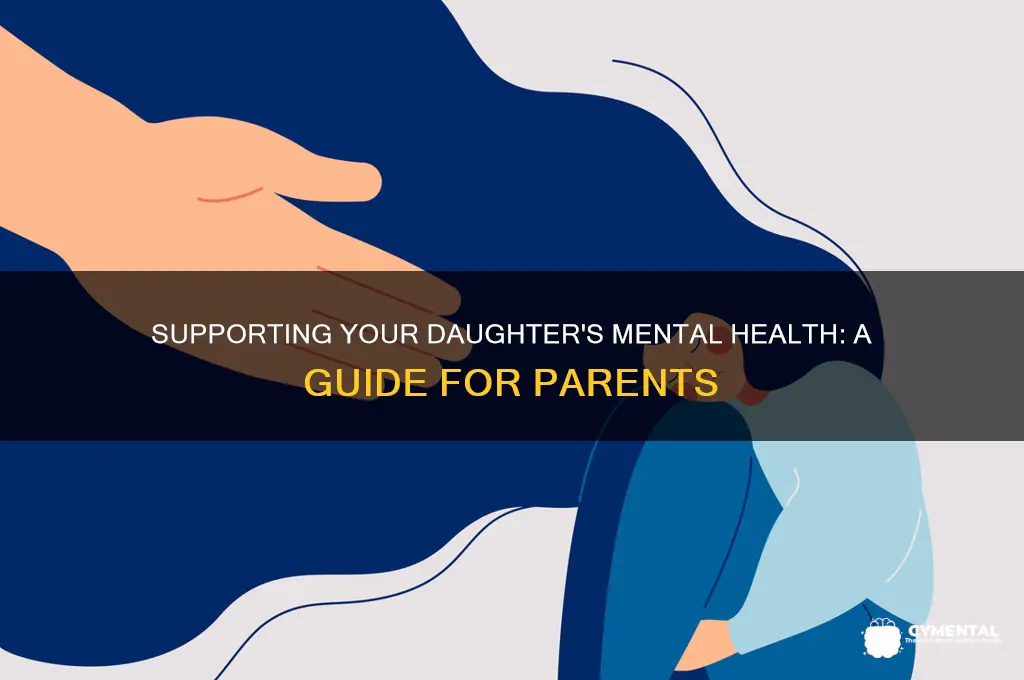
Seeking mental health support for your daughter is a crucial step in ensuring her overall well-being, and it begins with recognizing the signs that she may need help, such as persistent changes in mood, behavior, or academic performance. Start by having an open and empathetic conversation with her to understand her feelings and concerns, while also consulting with her pediatrician or a school counselor for professional guidance. Depending on her needs, you can explore options like therapy, counseling, or support groups, and consider reaching out to mental health professionals specializing in adolescent care. Additionally, familiarizing yourself with available resources, such as local mental health clinics, online platforms, or community programs, can provide valuable assistance. Remember, early intervention and a supportive environment are key to helping your daughter navigate her mental health challenges effectively.
| Characteristics | Values |
|---|---|
| Recognize Signs | Changes in behavior, mood swings, withdrawal, poor academic performance, changes in sleep/eating habits, substance abuse, self-harm, or expressions of hopelessness. |
| Open Communication | Create a safe, non-judgmental space to discuss feelings. Use active listening and validate her emotions. |
| Consult a Pediatrician | Schedule an appointment with her primary care doctor to rule out physical health issues and get referrals to mental health professionals. |
| Find a Therapist | Look for licensed therapists (psychologists, counselors, social workers) specializing in child/adolescent mental health. Use resources like Psychology Today, local mental health clinics, or school counselors. |
| Consider Therapy Types | Cognitive Behavioral Therapy (CBT), family therapy, play therapy (for younger children), or group therapy. |
| School Support | Contact the school counselor or psychologist for academic accommodations, counseling, or support programs. |
| Insurance Coverage | Check your insurance plan for mental health coverage, including in-network providers and out-of-pocket costs. |
| Community Resources | Explore local nonprofits, support groups, or government programs offering free/low-cost mental health services. |
| Crisis Hotlines | Use resources like the National Suicide Prevention Lifeline (988) or Crisis Text Line (text HOME to 741741) in emergencies. |
| Medication Evaluation | If recommended by a psychiatrist, consider medication as part of a comprehensive treatment plan. |
| Parental Self-Care | Educate yourself about mental health, join parent support groups, and prioritize your own well-being to better support your daughter. |
| Consistency and Patience | Mental health treatment takes time. Be consistent with appointments and supportive throughout the process. |
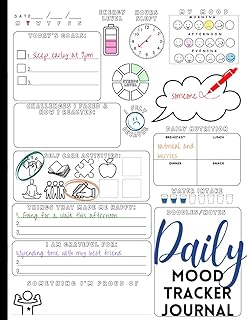
Explore related products

$7.97 $18.99



What You'll Learn
- Finding a Therapist: Research child psychologists, check credentials, and consider therapy types (e.g., CBT, play therapy)
- School Support: Contact school counselors for resources, accommodations, and mental health programs
- Insurance Coverage: Verify mental health benefits, in-network providers, and potential out-of-pocket costs
- Crisis Hotlines: Save emergency numbers for immediate support (e.g., crisis text lines, helplines)
- Parenting Strategies: Learn coping techniques, communication skills, and ways to create a supportive home environment

Finding a Therapist: Research child psychologists, check credentials, and consider therapy types (e.g., CBT, play therapy)
Child psychologists specialize in developmental, emotional, and behavioral issues unique to young people, making them the most qualified professionals to address your daughter’s mental health needs. Unlike general therapists, they understand age-specific challenges, such as anxiety in adolescents or trauma in younger children, and tailor interventions accordingly. Start by searching professional directories like the American Psychological Association’s Psychologist Locator or Psychology Today, filtering for providers who explicitly list child or adolescent therapy as their focus. Avoid assuming a therapist’s expertise based on their title alone; not all counselors or therapists have specialized training in child psychology.
Credentials matter, but deciphering them can feel like navigating a maze. Look for licensed psychologists (PhD or PsyD) or licensed clinical social workers (LCSW) with additional certifications in child therapy. Verify their license through your state’s psychology board to ensure it’s active and free of disciplinary actions. Be wary of vague titles like “child therapist” without accompanying credentials, as these may lack the rigorous training required for complex cases. For example, a therapist with a Registered Play Therapist (RPT) credential has completed 150+ hours of play therapy training, a gold standard for working with children under 10.
Therapy isn’t one-size-fits-all, especially for children. Cognitive Behavioral Therapy (CBT) is evidence-based for anxiety and depression in older kids (ages 10+), helping them reframe negative thought patterns. For younger children (ages 3–9), play therapy uses toys, art, or storytelling to process emotions they can’t articulate verbally. If your daughter struggles with trauma, Eye Movement Desensitization and Reprocessing (EMDR) or Trauma-Focused CBT (TF-CBT) may be recommended. Discuss these options with potential therapists to ensure their approach aligns with her needs—not all therapists are trained in every modality.
Practical tip: Involve your daughter in the process by asking therapists if they offer a brief introductory call or session. This helps her feel less intimidated and allows you both to gauge the therapist’s communication style. For instance, a good child psychologist will adapt their language to her developmental level, using simpler terms for younger kids and more conversational tones for teens. If your daughter feels dismissed or uncomfortable, it’s a red flag—trust her instincts and keep searching until you find the right fit.
Finally, consider logistics as part of your research. Ask about session frequency (weekly is common for CBT, but play therapy may require more flexibility), duration (30–50 minutes depending on age), and insurance coverage. Some therapists offer sliding scales or telehealth options, which can be a lifeline for busy families. Remember, finding a therapist is an investment in your daughter’s well-being—take the time to choose someone who combines expertise, empathy, and practicality to meet her where she is.
Transgender Surgery: Impact on Mental Health and Well-Being Explored
You may want to see also
Explore related products

$13.48 $15.97




School Support: Contact school counselors for resources, accommodations, and mental health programs
Schools are often a child's second home, making them a critical resource for mental health support. School counselors are trained professionals who can provide immediate assistance, connect you with resources, and advocate for your daughter’s needs within the educational system. They are often the first line of defense in identifying and addressing mental health concerns, from anxiety and depression to ADHD and learning disabilities. By reaching out to them, you’re not just seeking help—you’re leveraging a system already in place to support your child’s well-being.
Begin by scheduling a meeting with your daughter’s school counselor. Come prepared with specific observations about her behavior, academic performance, or emotional struggles. For example, note if she’s withdrawn in class, struggling with assignments, or exhibiting signs of stress. The counselor can then assess whether she qualifies for accommodations under laws like the Individuals with Disabilities Education Act (IDEA) or Section 504, which ensure students with mental health needs receive necessary support. Accommodations might include extended test times, a quiet workspace, or access to a counselor during the school day.
Schools often have mental health programs or partnerships with local providers that parents may not be aware of. For instance, some schools offer in-house therapy sessions, peer support groups, or mindfulness workshops. Others collaborate with community organizations to provide counseling services at reduced costs or even free of charge. By contacting the counselor, you can learn about these programs and enroll your daughter in one that suits her needs. If the school lacks such resources, the counselor can still guide you toward external options, such as local clinics or telehealth services.
While school counselors are invaluable, it’s important to manage expectations. They are not therapists and cannot provide long-term clinical treatment. Their role is to support your daughter within the school environment and help you navigate available resources. If her needs are severe or complex, they may recommend seeking additional help from a psychologist, psychiatrist, or specialized mental health provider. Collaborating with the counselor ensures a holistic approach, combining school-based support with external care for the best possible outcome.
Finally, maintain open communication with the school. Regular check-ins with the counselor can help monitor your daughter’s progress and adjust accommodations as needed. Encourage her to build a trusting relationship with the counselor, as this can provide her with a safe space to express herself. Remember, school support is not a one-time fix but an ongoing partnership. By actively engaging with this resource, you’re creating a supportive environment where your daughter can thrive academically and emotionally.
Marijuana's Potential Role in Alleviating Mental Health Challenges
You may want to see also
Explore related products

$7.99 $14.99



Insurance Coverage: Verify mental health benefits, in-network providers, and potential out-of-pocket costs
Understanding your insurance coverage is the first step in accessing affordable mental health care for your daughter. Mental health services can vary widely in cost, and without proper coverage, expenses can quickly escalate. Start by reviewing your insurance policy to identify what mental health services are covered. Most plans are required to offer some level of mental health coverage under the Affordable Care Act, but the specifics—such as therapy sessions, psychiatric consultations, or medication—can differ significantly. Look for terms like "behavioral health," "mental health," or "substance use disorder services" in your policy documents. If the language is unclear, contact your insurance provider directly to request a detailed explanation of your benefits.
Once you’ve confirmed your mental health benefits, the next critical step is identifying in-network providers. In-network providers have agreements with your insurance company to offer services at a reduced rate, which can significantly lower out-of-pocket costs. Use your insurer’s online provider directory or call their customer service line to locate therapists, psychologists, or psychiatrists within your network. Be specific about your daughter’s needs—for example, if she requires a child psychologist or a provider experienced with anxiety disorders—to ensure the best match. Keep in mind that some providers may not be accepting new patients, so it’s wise to contact several options to increase your chances of finding an available appointment.
Even with insurance, out-of-pocket costs like copays, deductibles, and coinsurance can add up. Calculate these expenses ahead of time to avoid surprises. For instance, if your plan covers 80% of therapy sessions after a $50 copay, and the provider charges $150 per session, your out-of-pocket cost would be $50 plus 20% of the remaining $100, totaling $70 per session. If your daughter requires frequent visits or additional services like medication management, these costs can accumulate quickly. Some providers offer sliding scale fees or payment plans for uninsured or underinsured families, so don’t hesitate to ask about financial assistance options if needed.
Finally, be aware of potential limitations in your insurance coverage. Some plans cap the number of therapy sessions per year or require preauthorization for certain treatments. Others may exclude specific diagnoses or services, such as intensive outpatient programs or alternative therapies. Understanding these restrictions can help you plan accordingly and explore supplementary resources, such as employee assistance programs, community mental health centers, or nonprofit organizations that offer low-cost or free services. By thoroughly vetting your insurance coverage, you’ll be better equipped to navigate the financial aspects of your daughter’s mental health care and focus on what matters most: her well-being.
Investing in Schools: How Proper Funding Supports Student Mental Health
You may want to see also
Explore related products





Crisis Hotlines: Save emergency numbers for immediate support (e.g., crisis text lines, helplines)
In moments of acute distress, knowing who to call can be the difference between escalation and de-escalation. Crisis hotlines serve as immediate lifelines, offering trained professionals who can provide emotional support, coping strategies, and guidance on next steps. These services are typically free, confidential, and available 24/7, making them an essential tool for parents navigating their child’s mental health crisis. Examples include the National Suicide Prevention Lifeline (988 in the U.S.) and Crisis Text Line (text HOME to 741741), both designed to intervene in real-time emergencies.
Saving these numbers in multiple accessible places—your phone, fridge, and even your daughter’s device—ensures they’re readily available when panic sets in. It’s also helpful to familiarize yourself with how these services work: some offer text-based support for those uncomfortable with speaking, while others provide multilingual assistance. For younger teens (ages 12–15), visual aids like a printed list or a saved note on their phone can reduce hesitation during a crisis. For older teens, framing these resources as a proactive tool rather than a last resort can encourage use.
One common misconception is that crisis hotlines are only for suicidal emergencies. In reality, they address a range of issues, from panic attacks and self-harm to overwhelming anxiety or feelings of isolation. Operators are trained to de-escalate situations, assess risk, and connect callers to local resources like emergency psychiatric services or counseling. For parents, calling a hotline can also provide clarity on whether immediate professional intervention is needed or if home-based strategies can stabilize the situation.
While crisis hotlines are invaluable, they’re not a substitute for long-term care. After using these services, follow up with a mental health professional to address underlying issues. Additionally, be mindful of your daughter’s comfort level—some teens may resist calling themselves, so having a trusted adult or friend initiate contact can help. Pairing hotline use with a safety plan (e.g., identifying calming activities or a trusted contact) further empowers your daughter to manage future crises proactively.
Vitamin D's Role in Boosting Mental Health and Well-being
You may want to see also
Explore related products


Parenting Strategies: Learn coping techniques, communication skills, and ways to create a supportive home environment
As a parent, witnessing your daughter struggle with mental health issues can be overwhelming, but equipping yourself with effective parenting strategies can make a significant difference. Start by learning coping techniques that you can model and teach. Deep breathing exercises, for instance, are simple yet powerful tools. For children aged 6–12, practice "belly breathing" together: place a hand on the stomach and inhale slowly for 4 counts, hold for 2, then exhale for 6. This activates the parasympathetic nervous system, reducing anxiety. For teens, introduce mindfulness apps like Headspace or Calm, which offer guided meditations tailored to their age group. Consistency is key—aim for 5–10 minutes daily to build resilience over time.
Effective communication is the backbone of a supportive home environment. Avoid accusatory language and instead use "I" statements to express concern without triggering defensiveness. For example, say, "I feel worried when I see you isolating yourself," rather than, "You’re always in your room and it’s annoying." Active listening is equally vital. When your daughter speaks, reflect back her emotions to show understanding: "It sounds like you’re feeling overwhelmed with school right now." This validates her experience and encourages openness. For younger children, use open-ended questions like, "How did that make you feel?" to help them articulate emotions. For teens, respect their need for space but maintain regular check-ins, even if brief.
Creating a supportive home environment involves both emotional and structural adjustments. Establish predictable routines to provide stability, such as consistent meal times, homework schedules, and bedtime rituals. For younger children, visual aids like charts can help them understand and follow routines. For teens, involve them in setting boundaries and rules to foster a sense of autonomy. Minimize stressors by decluttering living spaces—a calm environment often mirrors a calm mind. Incorporate family activities that promote connection, like game nights or shared meals, but avoid forcing participation if your daughter isn’t receptive. Small gestures, like leaving encouraging notes in her room, can also reinforce a sense of safety and love.
Finally, prioritize self-care as a parent, as your well-being directly impacts your ability to support your daughter. Model healthy coping mechanisms by managing your own stress through exercise, hobbies, or therapy. Seek support from parenting groups or mental health professionals to avoid burnout. Remember, you’re not alone in this journey—reaching out for help is a sign of strength, not weakness. By combining these strategies, you’ll not only address your daughter’s mental health needs but also strengthen your family’s resilience and bond.
Supporting Mental Health: Practical Ways to Help Loved Ones Heal
You may want to see also
Frequently asked questions
Look for persistent changes in behavior, mood, or functioning, such as prolonged sadness, anxiety, withdrawal from activities, difficulty sleeping, or declining school performance. If these symptoms interfere with her daily life, consult a mental health professional for an assessment.
Begin with her pediatrician or family doctor, who can provide referrals to therapists, psychologists, or psychiatrists. You can also contact local mental health clinics, school counselors, or use online resources like Psychology Today or the Substance Abuse and Mental Health Services Administration (SAMHSA) helpline.
It depends on her age and issues. Therapists or counselors can provide talk therapy, psychologists can offer assessments and therapy, and psychiatrists can prescribe medication if needed. For children, child psychologists or pediatric psychiatrists are often recommended.
Be patient, listen without judgment, and validate her feelings. Encourage open communication, maintain a consistent routine, and collaborate with her treatment team. Educate yourself about her condition and advocate for her needs at school and in the community.
Approach the topic with empathy and explain that seeking help is a sign of strength. Involve her in the decision-making process and address her concerns. If resistance persists, consult a professional for guidance on how to encourage her to engage in treatment.