Madison Cole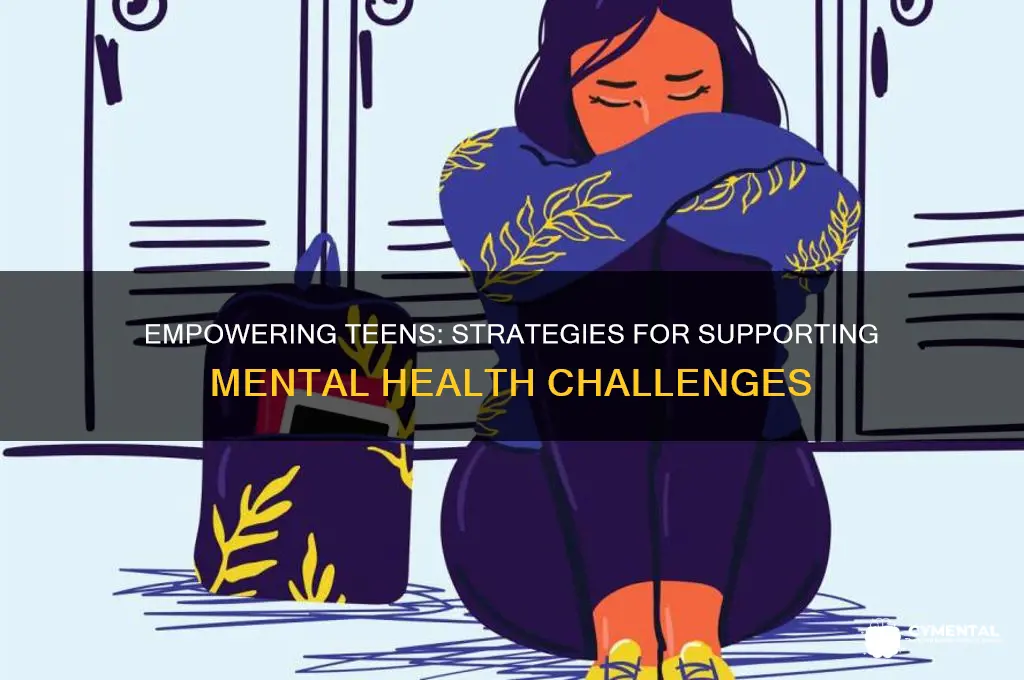
Working effectively with teens who have mental health issues requires a combination of empathy, patience, and specialized strategies tailored to their unique developmental stage. Adolescents often face significant emotional and psychological challenges, compounded by the pressures of academic, social, and familial expectations. To best support them, it is essential to create a safe, nonjudgmental environment where they feel heard and understood. Building trust through active listening, validating their experiences, and avoiding dismissive language can foster open communication. Incorporating evidence-based approaches, such as cognitive-behavioral therapy or mindfulness techniques, can help address specific issues while also empowering teens with coping skills. Collaboration with caregivers, educators, and mental health professionals ensures a holistic support system. Above all, maintaining a compassionate and flexible approach acknowledges their resilience and potential for growth, even in the face of adversity.
Explore related products



$6.53 $12.99


What You'll Learn
- Build Trust: Use empathy, active listening, and consistency to establish a safe, non-judgmental relationship
- Set Clear Boundaries: Define expectations and consequences while respecting their autonomy and emotional needs
- Encourage Open Communication: Create safe spaces for teens to express feelings without fear of judgment
- Promote Self-Care: Teach stress management, healthy habits, and coping strategies tailored to their preferences
- Collaborate with Professionals: Work with therapists, counselors, and families for holistic support and care

Build Trust: Use empathy, active listening, and consistency to establish a safe, non-judgmental relationship
Teens with mental health issues often carry a heavy burden of mistrust, shaped by past experiences of judgment, invalidation, or dismissal. Building trust requires deliberate, empathetic action. Start by acknowledging their emotions without attempting to "fix" them. Phrases like, "It sounds like this has been really hard for you" or "I can see how much this matters to you" validate their experiences and signal that you’re a safe space. Empathy isn’t about agreement—it’s about understanding their perspective, even when it differs from your own. This foundational step communicates respect for their autonomy and humanity, which is critical for fostering trust.
Active listening goes beyond hearing words; it involves observing nonverbal cues, asking open-ended questions, and reflecting back what you’ve understood. For example, instead of asking, "Are you feeling better?" try, "What’s been on your mind lately?" or "How has this situation been affecting you?" Teens often test boundaries to see if adults are genuinely present. Avoid interrupting or shifting the focus to yourself, even if your intentions are good. Consistency in your responses—calm, patient, and non-reactive—reinforces that they can rely on you, even when conversations are difficult. Over time, this predictability becomes a cornerstone of trust.
Consistency is the glue that holds trust together, but it’s also the hardest to maintain. Teens with mental health issues may push limits, withdraw, or express anger as a defense mechanism. Responding with the same level of empathy and active listening, regardless of their behavior, demonstrates unwavering support. For instance, if a teen lashes out during a session, avoid reacting defensively. Instead, say, "I hear that you’re frustrated, and I’m here to listen whenever you’re ready." This approach shows that your commitment to their well-being isn’t conditional, which is particularly impactful for teens who’ve experienced instability.
A practical tip for building trust is to establish small, achievable agreements and follow through on them. For example, if a teen mentions a favorite band or hobby, remember it and bring it up in the next conversation. This shows you value their interests and pay attention to details. Similarly, if you promise to check in on them, do so promptly. These micro-actions accumulate over time, creating a sense of safety and reliability. Trust isn’t built overnight, but each consistent, empathetic interaction lays a brick in the foundation of a non-judgmental relationship.
Finally, be mindful of your own biases and assumptions. Teens are acutely sensitive to inauthenticity, and any hint of judgment—even unintentional—can erode trust. If you find yourself struggling to understand their perspective, admit it openly and ask for clarification. For example, "I’m trying to understand where you’re coming from, but I’m not sure I’m getting it right. Can you help me understand?" This humility not only deepens trust but also models healthy communication, a skill many teens with mental health issues are working to develop. Trust is a two-way street, and by showing vulnerability, you invite them to do the same.
Breaking Stigma: Society's Complex Perception of Mental Health Struggles
You may want to see also
Explore related products


$13.48 $15.97
$9.59 $16.99


Set Clear Boundaries: Define expectations and consequences while respecting their autonomy and emotional needs
Teens with mental health issues often struggle with boundaries, not because they want chaos, but because their emotional turbulence makes structure feel like a foreign language. Clear boundaries act as a scaffold, providing the predictability and safety they crave while fostering a sense of control within manageable limits.
Step 1: Co-create the Framework
Involve the teen in setting boundaries whenever possible. For example, instead of dictating a screen time limit, ask, “What do you think is a reasonable amount of time for social media each day?” This collaborative approach validates their autonomy and increases buy-in. For younger teens (13-15), break expectations into smaller, concrete steps (e.g., “Homework starts at 4 pm, snack at 4:30, screen time at 5 pm”). Older teens (16-19) may benefit from broader guidelines with self-monitoring tools, like a shared digital calendar for tracking commitments.
Step 2: Link Actions to Natural Consequences
Consequences should be logical, immediate, and proportional. For instance, if a teen consistently misses therapy appointments, the consequence could be losing a privilege tied to self-care (e.g., “If you skip therapy, we’ll need to reschedule your weekend plans to attend a makeup session”). Avoid power struggles by framing consequences as outcomes of choices, not punishments. Research shows this approach reduces defiance and increases accountability, especially in teens with anxiety or ADHD.
Caution: Avoid Emotional Bargaining
Teens with mental health issues may test boundaries more intensely during emotional spikes. Resist the urge to negotiate or soften rules in the heat of the moment. For example, if a teen with depression refuses to leave their room, acknowledge their feelings (“I see you’re really struggling right now”) but hold firm on the boundary (“Dinner is at 6 pm, and I’ll save a plate for you”). Consistency builds trust, even when it feels counterintuitive.
Takeaway: Boundaries as a Container, Not a Cage
Well-defined boundaries should feel like a protective container, not a restrictive cage. Regularly review and adjust expectations as the teen grows or their mental health shifts. For instance, a teen in acute crisis may need temporary, tighter boundaries (e.g., daily check-ins), while one in recovery might earn more flexibility. The goal is to teach self-regulation, not enforce compliance—a subtle but critical distinction.
Practical Tip: Use Visual Aids
For teens with executive functioning challenges, visual boundary reminders can be transformative. A whiteboard listing daily expectations (e.g., “Medicate by 8 am, check in after school”) or a color-coded schedule reduces cognitive load and minimizes friction. Pair this with a weekly family meeting to discuss what’s working and what needs tweaking.
By treating boundaries as a dynamic, collaborative tool, you empower teens to navigate their mental health challenges with clarity and confidence, fostering resilience without sacrificing their need for autonomy.
Opioids and Mental Health: Unraveling the Devastating Psychological Impact
You may want to see also
Explore related products




Encourage Open Communication: Create safe spaces for teens to express feelings without fear of judgment
Teens with mental health issues often struggle to articulate their emotions, fearing rejection or misunderstanding. Creating safe spaces where they can express themselves freely is crucial for their well-being. Start by establishing clear boundaries and expectations in these environments, ensuring confidentiality and non-judgmental attitudes. For instance, in a school setting, designate a quiet, private room where teens can meet with a trusted adult or counselor. Equip this space with calming elements like soft lighting, comfortable seating, and stress-relief tools such as fidget toys or journals. These physical cues signal that the space is designed for emotional safety and openness.
Encouraging open communication requires active listening, a skill often overlooked but vital in building trust. Train adults working with teens to use reflective listening techniques, where they paraphrase the teen’s words to show understanding. For example, if a teen says, “I feel like no one gets me,” respond with, “It sounds like you’re feeling misunderstood, and that’s really hard.” Avoid offering immediate solutions or advice unless asked; instead, validate their emotions. Research shows that teens are more likely to open up when they feel heard rather than fixed. Practice this approach consistently to foster a culture of empathy and acceptance.
A practical strategy to normalize emotional expression is through structured activities that indirectly encourage vulnerability. For instance, implement weekly group sessions where teens share anonymous “feeling cards” about their week. These cards can include prompts like, “One thing I’m proud of this week is…” or “Something I’m struggling with is…” This method reduces the pressure of direct disclosure while still promoting emotional honesty. Over time, teens may feel more comfortable transitioning from anonymous sharing to personal conversations. Pair this activity with regular check-ins to monitor progress and adjust support as needed.
Finally, leverage technology to create additional safe spaces for teens who may not feel comfortable speaking face-to-face. Develop a secure, moderated online platform where they can post thoughts, ask questions, or seek advice anonymously. Ensure the platform is accessible 24/7 and monitored by trained professionals who can intervene if necessary. For example, a teen struggling with anxiety at 2 a.m. could leave a message and receive a supportive response by morning. Combining physical and digital safe spaces ensures that teens have multiple avenues to express themselves, catering to their diverse needs and preferences.
Understanding the Severity of Mental Health Issues: A Comprehensive Overview
You may want to see also
Explore related products


Promote Self-Care: Teach stress management, healthy habits, and coping strategies tailored to their preferences
Teens with mental health issues often face overwhelming stress, making self-care a critical but underutilized tool. Unlike adults, adolescents lack fully developed coping mechanisms, relying instead on immediate gratification or avoidance. Teaching tailored stress management techniques bridges this gap, offering them practical, sustainable ways to navigate emotional turmoil. For instance, mindfulness exercises—such as 5-minute guided breathing sessions—can be integrated into daily routines without feeling burdensome. The key lies in presenting these practices as accessible, not obligatory, fostering a sense of autonomy rather than another task to dread.
Consider the power of personalization in promoting healthy habits. A one-size-fits-all approach rarely resonates with teens, who thrive on individuality. Instead of generic advice like “exercise more,” suggest activities aligned with their interests: a dance-loving teen might enjoy Zumba, while a tech enthusiast could try fitness apps with gamified challenges. Similarly, nutrition advice should be practical and age-appropriate—think smoothie recipes using favorite fruits rather than rigid meal plans. By framing these habits as extensions of their identity, you make self-care feel less like a chore and more like self-expression.
Coping strategies must also reflect teens’ unique preferences and developmental stages. Journaling, for example, can be reimagined through digital platforms like private blogs or even meme creation, allowing them to process emotions in a medium they’re comfortable with. Art-based coping, such as doodling or collage-making, taps into their creativity without the pressure of perfection. For the socially inclined, group activities like peer support circles or team sports provide dual benefits: stress relief and connection. The goal is to meet them where they are, leveraging their natural inclinations to build resilience.
However, caution is necessary when tailoring self-care practices. Overemphasis on individual preferences can sometimes lead to avoidance of less appealing but equally important habits, like sleep hygiene. Teens might resist setting a bedtime, viewing it as restrictive. Here, education becomes pivotal: explain the science behind sleep’s impact on mood and energy, framing it as a superpower rather than a rule. Pair this with small, manageable changes—like dimming screens an hour before bed—to make the habit stick without triggering rebellion.
Ultimately, promoting self-care among teens with mental health issues requires a blend of creativity, empathy, and flexibility. It’s about empowering them with tools that feel authentic and achievable, not imposing solutions from above. By teaching stress management, healthy habits, and coping strategies tailored to their preferences, you don’t just address symptoms—you cultivate a mindset of self-preservation that can last a lifetime. Start small, stay consistent, and let their voices guide the way.
Rising Mental Health Challenges: Analyzing the Surge Since 2000
You may want to see also
Explore related products



Collaborate with Professionals: Work with therapists, counselors, and families for holistic support and care
Teens with mental health issues often navigate a complex web of emotions, behaviors, and external pressures, making it essential to assemble a multidisciplinary team for effective support. Collaboration among professionals—therapists, counselors, educators, and families—creates a holistic safety net that addresses the teen’s needs from multiple angles. For instance, a therapist might focus on cognitive-behavioral strategies, while a school counselor monitors academic stressors, and parents provide consistent emotional reinforcement at home. This coordinated approach ensures no aspect of the teen’s life is overlooked, fostering a more stable environment for healing.
To initiate collaboration, start by identifying key professionals involved in the teen’s care and establishing clear communication channels. Use shared platforms like secure messaging apps or case management software to exchange updates, goals, and concerns. For example, a weekly email summary from the therapist to the school counselor can highlight progress or setbacks, enabling the counselor to adjust classroom accommodations accordingly. Families should be included in this loop, attending joint sessions or receiving regular progress reports to align home strategies with professional recommendations.
However, collaboration requires careful navigation of boundaries and roles. Professionals must respect confidentiality while sharing pertinent information, and families should be guided on how to support without overstepping therapeutic processes. For instance, a therapist might advise parents to use specific phrases during conflict resolution, while a counselor could suggest structured study plans to reduce anxiety. Clear role definitions prevent overlap or confusion, ensuring each contributor focuses on their area of expertise.
A practical example of successful collaboration involves a 15-year-old with generalized anxiety disorder. The therapist employs exposure therapy to address fear triggers, the school counselor modifies test-taking conditions to reduce stress, and parents implement a nightly mindfulness routine. Quarterly team meetings assess progress, adjust strategies, and celebrate milestones. This integrated approach not only alleviates symptoms but also equips the teen with tools for long-term resilience.
Ultimately, collaboration among professionals and families transforms fragmented care into a cohesive support system. By combining clinical expertise, educational insights, and familial consistency, this model addresses the multifaceted nature of teen mental health. It’s not just about treating symptoms—it’s about empowering teens to thrive in every aspect of their lives.
Supporting Mental Health in Special Needs: Strategies for Care and Understanding
You may want to see also
Frequently asked questions
Establish trust by being non-judgmental, empathetic, and consistent. Listen actively, validate their feelings, and ensure confidentiality. Create a calm, predictable space and educate yourself about their specific challenges to better understand their needs.
Use open-ended questions, maintain eye contact, and speak at their level without patronizing. Be patient, as they may struggle to express themselves. Avoid interrupting and reflect back what they say to show you’re listening and understanding.
Normalize conversations about mental health and let them know it’s okay to ask for help. Offer resources gently, such as counseling or support groups, and emphasize that seeking help is a sign of strength. Be patient and respect their pace.
Stay calm and reassure them that you’re there to help. Follow any crisis protocols in place, such as contacting emergency services or a mental health professional. Avoid arguing or minimizing their feelings, and prioritize their safety above all else.