Madison Cole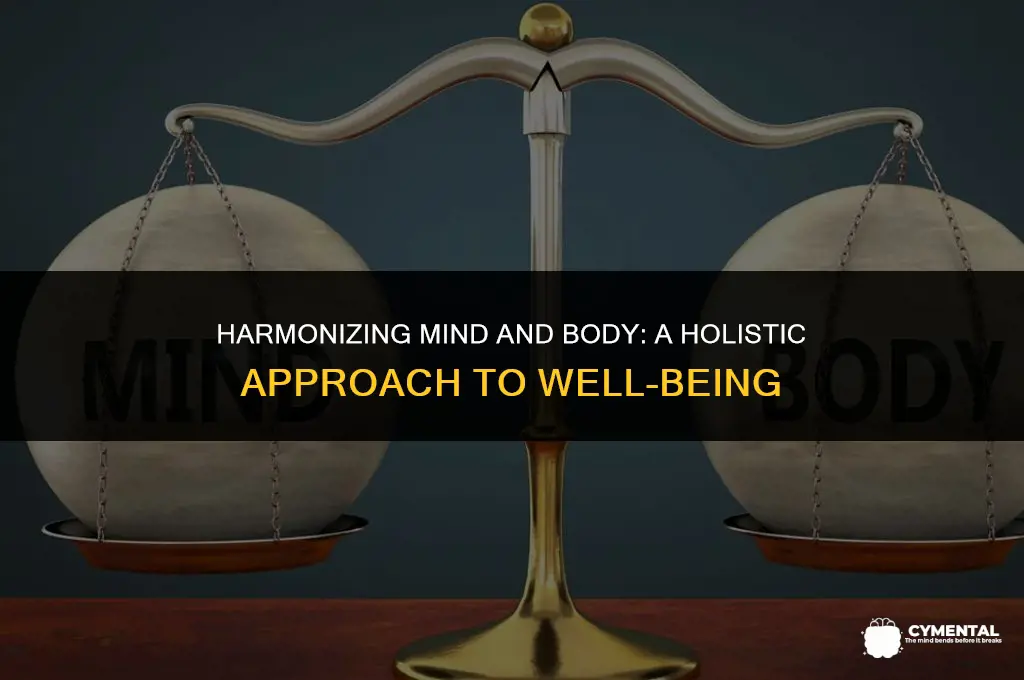
Connecting the mind and body is a holistic approach to well-being that recognizes the intricate relationship between our mental and physical states. By understanding and nurturing this connection, individuals can achieve a more balanced and healthy lifestyle. This involves practices such as mindfulness, meditation, and physical exercise, which help to align mental focus with bodily sensations. Through these methods, one can cultivate a deeper awareness of their inner self, leading to improved emotional regulation, stress reduction, and overall life satisfaction.
Explore related products


What You'll Learn
- Mindful Meditation: Practice mindfulness to increase awareness of your thoughts, emotions, and physical sensations
- Yoga and Movement: Engage in yoga or other physical activities that promote flexibility, strength, and mental focus
- Breathing Exercises: Use deep, controlled breathing to calm the mind and reduce stress, promoting physical relaxation
- Nature Connection: Spend time in nature to foster a sense of peace and unity with the environment, enhancing mental clarity
- Healthy Eating: Consume a balanced diet to support both mental and physical health, ensuring proper nutrition and energy levels

Mindful Meditation: Practice mindfulness to increase awareness of your thoughts, emotions, and physical sensations
Begin your mindful meditation practice by finding a quiet, comfortable space where you can sit undisturbed for at least 10 minutes. It's essential to choose a time of day when you're least likely to be interrupted, such as early morning or late evening. Start by sitting in a cross-legged position with your hands resting gently on your knees. Close your eyes and take a few deep breaths, allowing your body to relax.
As you inhale, focus on the sensation of the air entering your nostrils and filling your lungs. As you exhale, pay attention to the feeling of the air leaving your body. This simple act of observing your breath helps to anchor your mind in the present moment. When your mind begins to wander, gently bring your attention back to your breath without judgment.
Gradually expand your awareness to include other physical sensations. Notice the feeling of your feet touching the ground, the weight of your body on your seat, and any subtle tingling or numbness in your hands and feet. This increased awareness of your physical body helps to create a sense of connection between your mind and your body.
Next, become aware of your emotions. Acknowledge any feelings that arise without trying to change or suppress them. Allow yourself to fully experience the emotion, whether it's joy, sadness, anger, or fear. As you observe your emotions, remember that they are temporary and will pass.
Finally, bring your attention to your thoughts. Notice the patterns and themes that emerge in your mind. Are you dwelling on the past, worrying about the future, or focused on the present moment? Without judgment, observe your thoughts and let them go, returning your focus to your breath and physical sensations.
Remember, mindful meditation is a practice, and it takes time to develop the skills of awareness and observation. Be patient with yourself and commit to practicing regularly. Over time, you'll find that your mind and body become more connected, leading to a greater sense of overall well-being.
Approaching Your Boss About Mental Health Struggles: A Guide
You may want to see also
Explore related products


Yoga and Movement: Engage in yoga or other physical activities that promote flexibility, strength, and mental focus
Yoga and movement are powerful tools for connecting the mind and body. Engaging in these physical activities can help promote flexibility, strength, and mental focus, all of which are essential for a healthy and balanced lifestyle.
One of the key benefits of yoga and movement is their ability to reduce stress and anxiety. By focusing on the breath and the body, individuals can learn to quiet their minds and cultivate a sense of inner peace. This, in turn, can lead to improved mental clarity and concentration, making it easier to stay present and engaged in daily activities.
In addition to their mental health benefits, yoga and movement can also have a significant impact on physical health. Regular practice can help improve flexibility, balance, and strength, reducing the risk of injury and promoting overall well-being. Furthermore, certain types of yoga, such as vinyasa or power yoga, can provide a cardiovascular workout, helping to improve heart health and endurance.
When incorporating yoga and movement into a daily routine, it's important to start slowly and gradually build up intensity and duration. This can help prevent injury and ensure that the practice remains enjoyable and sustainable. It's also essential to find a style of yoga or movement that resonates with individual preferences and goals, whether that's a gentle, restorative practice or a more dynamic and challenging workout.
Ultimately, yoga and movement offer a holistic approach to connecting the mind and body, promoting physical and mental health, and cultivating a deeper sense of self-awareness and well-being. By making these practices a regular part of daily life, individuals can experience a profound transformation in their overall health and quality of life.
Understanding Mental Breakdown: Signs, Causes, and Recovery Strategies
You may want to see also
Explore related products




Breathing Exercises: Use deep, controlled breathing to calm the mind and reduce stress, promoting physical relaxation
Breathing exercises are a powerful tool for connecting the mind and body, offering a direct pathway to calming the nervous system and promoting physical relaxation. By focusing on deep, controlled breaths, individuals can activate the body's parasympathetic nervous system, which is responsible for the "rest and digest" response. This counters the effects of the sympathetic nervous system, which drives the "fight or flight" response and is often overactivated in our fast-paced, stressful modern lives.
To practice effective breathing exercises, find a quiet, comfortable space where you can sit or lie down without distractions. Place one hand on your abdomen and the other on your chest. Inhale slowly through your nose, allowing your abdomen to rise while keeping your chest relatively still. This ensures that you are using your diaphragm, the primary muscle of respiration, rather than shallow chest breathing. Hold the breath for a count of four, then exhale slowly through your mouth, allowing your abdomen to fall. Repeat this cycle for several minutes, focusing on the sensation of the breath moving in and out of your body.
One of the key benefits of deep breathing exercises is their ability to reduce stress and anxiety. By slowing down the breathing rate and increasing the depth of each breath, you can signal to your brain that you are safe and relaxed. This, in turn, can lead to a decrease in cortisol levels, the hormone associated with stress, and an increase in feelings of calm and well-being.
In addition to their mental health benefits, breathing exercises can also have a positive impact on physical health. Deep breathing can help to improve circulation, lower blood pressure, and even boost the immune system. By increasing the amount of oxygen that enters the bloodstream, breathing exercises can enhance the body's ability to heal and repair itself.
To incorporate breathing exercises into your daily routine, consider setting aside a specific time each day for practice. This could be first thing in the morning, during a lunch break, or before bed. Consistency is key, as regular practice will help to reinforce the connection between the mind and body and make it easier to access a state of relaxation when needed.
Remember, the goal of breathing exercises is not to achieve a specific state or outcome, but rather to cultivate awareness and presence in the moment. By focusing on the breath, you can bring your attention to the present and let go of worries about the past or future. This simple yet powerful practice can be a transformative tool for connecting the mind and body, promoting overall health and well-being.
Mastering the Mindset: Your Guide to Interview Preparation
You may want to see also
Explore related products

$15.97 $18.99


$12.83 $22.99


Nature Connection: Spend time in nature to foster a sense of peace and unity with the environment, enhancing mental clarity
Spending time in nature has been shown to have a profound impact on mental clarity and emotional well-being. Research indicates that exposure to natural environments can reduce stress levels, improve mood, and enhance cognitive function. This connection to nature can be fostered through various activities such as hiking, gardening, or simply taking a walk in a park. Engaging in these activities allows individuals to disconnect from the digital world and reconnect with the natural one, promoting a sense of peace and unity with the environment.
One of the key benefits of spending time in nature is the reduction of stress. Studies have shown that exposure to natural environments can lower cortisol levels, which is a hormone associated with stress. This reduction in stress can lead to improved mental clarity, as individuals are better able to focus and concentrate when they are not overwhelmed by stress. Additionally, spending time in nature can improve mood by increasing the production of serotonin, a neurotransmitter that is associated with feelings of happiness and well-being.
Another way that nature connection can enhance mental clarity is by providing a change of scenery. When individuals are constantly surrounded by the same environment, their minds can become stagnant and less creative. Spending time in nature can provide a fresh perspective and stimulate the senses, leading to increased creativity and problem-solving abilities. Furthermore, engaging in physical activities in nature, such as hiking or biking, can improve cardiovascular health and increase blood flow to the brain, which can also enhance cognitive function.
In order to foster a sense of peace and unity with the environment, it is important to approach nature connection with mindfulness and intention. This means being fully present in the moment and taking the time to observe and appreciate the natural world. Mindful nature walks, for example, can be a powerful way to connect with the environment and cultivate a sense of inner peace. By focusing on the sights, sounds, and smells of nature, individuals can quiet their minds and enter a state of flow, which is associated with increased happiness and well-being.
In conclusion, nature connection is a powerful tool for enhancing mental clarity and fostering a sense of peace and unity with the environment. By engaging in activities that allow individuals to spend time in nature, such as hiking, gardening, or mindful nature walks, individuals can reduce stress, improve mood, and enhance cognitive function. This connection to nature can have a profound impact on overall well-being and can help individuals to lead more balanced and fulfilling lives.
Understanding the Duration of a Mental Health Evaluation
You may want to see also
Explore related products


Healthy Eating: Consume a balanced diet to support both mental and physical health, ensuring proper nutrition and energy levels
A balanced diet is fundamental to maintaining both mental and physical health. Consuming a variety of nutrient-dense foods ensures that the body receives the necessary vitamins, minerals, and macronutrients to function optimally. This, in turn, supports cognitive function, emotional well-being, and overall energy levels.
To achieve a balanced diet, it's essential to focus on whole, unprocessed foods. This includes a variety of fruits and vegetables, whole grains, lean proteins, and healthy fats. Limiting the intake of processed and sugary foods can help reduce inflammation and improve mood. Additionally, staying hydrated by drinking plenty of water is crucial for both physical and mental health.
Meal planning and preparation can be a helpful strategy for maintaining a balanced diet. By planning meals in advance, individuals can ensure they have the necessary ingredients on hand and can avoid the temptation of unhealthy, last-minute choices. Cooking at home also allows for better control over portion sizes and the ability to choose healthier cooking methods, such as grilling or steaming, over frying.
Incorporating mindful eating practices can further enhance the connection between the mind and body. Mindful eating involves paying attention to hunger and fullness cues, savoring each bite, and eating without distractions. This practice can help individuals develop a healthier relationship with food and improve their overall well-being.
In conclusion, a balanced diet is a critical component of connecting the mind and body. By focusing on whole, nutrient-dense foods and incorporating mindful eating practices, individuals can support their mental and physical health, ensuring they have the energy and vitality to thrive.
Embracing the Leap: Mental Preparation for Your Skydiving Adventure
You may want to see also
Frequently asked questions
Effective techniques include meditation, deep breathing exercises, yoga, and mindfulness practices. These activities help synchronize mental and physical well-being.
Connecting the mind and body can reduce stress, improve mental clarity, enhance physical performance, and promote a sense of holistic well-being. It fosters a balance that supports both mental and physical health.
For beginners, resources such as guided meditation apps, yoga classes, and books on mindfulness can be helpful. Additionally, seeking guidance from professionals like therapists or wellness coaches can provide personalized support.



![The New Holistic Wellness Bible: [3 in 1] The Definitive Guide to Support Your Own Wellness with Herbal Protocols & Natural Remedies to Address Chronic Diseases & Achieve Optimal Health](https://m.media-amazon.com/images/I/71lyZQSnA6L._AC_UL320_.jpg)