Lucas Bennett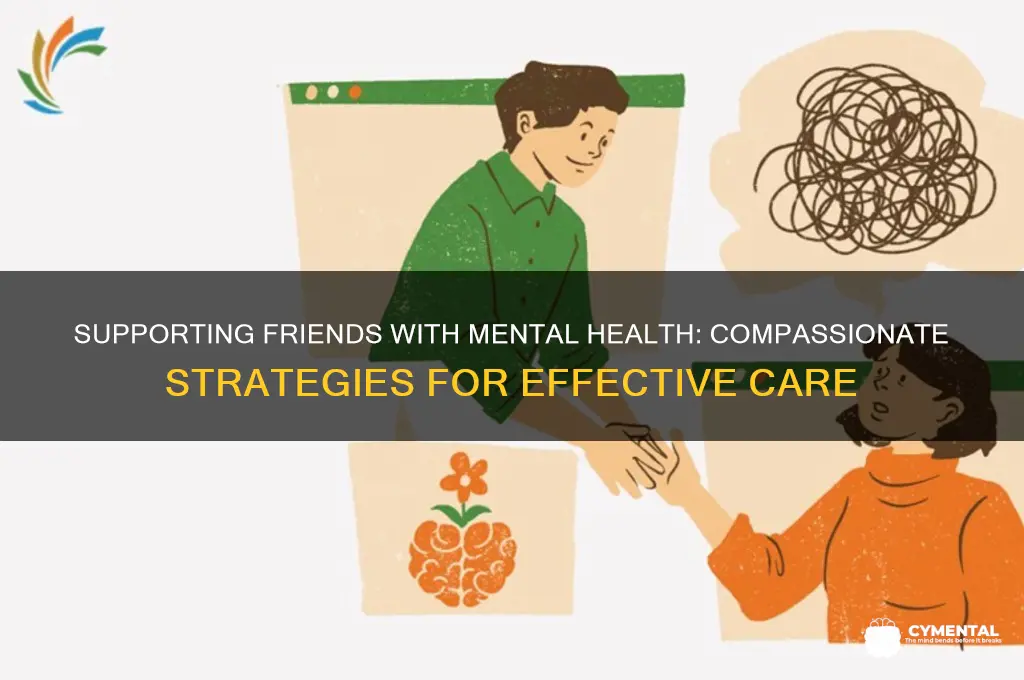
Dealing with a friend who is struggling with mental health issues can be challenging, but it’s also an opportunity to show genuine care and support. It’s important to approach the situation with empathy, patience, and understanding, recognizing that mental health challenges are complex and often invisible. Start by creating a safe, non-judgmental space for your friend to express their feelings, and actively listen without trying to fix their problems or offer unsolicited advice. Educate yourself about their specific condition to better understand what they’re going through, but remember that everyone’s experience is unique. Encourage them to seek professional help if they haven’t already, while also being a consistent and reliable presence in their life. Above all, take care of your own well-being, as supporting someone with mental health issues can be emotionally taxing, and setting boundaries is essential for both of you.
Explore related products


What You'll Learn
- Educate Yourself: Learn about their condition to understand symptoms, triggers, and effective support strategies
- Active Listening: Be present, non-judgmental, and patient when they share their feelings or struggles
- Encourage Professional Help: Gently suggest therapy or counseling while respecting their autonomy and decisions
- Set Boundaries: Protect your mental health by establishing limits on what you can handle or provide
- Show Consistent Support: Regularly check in, offer companionship, and remind them they’re not alone

Educate Yourself: Learn about their condition to understand symptoms, triggers, and effective support strategies
Understanding your friend's mental health condition is the cornerstone of providing meaningful support. Each mental health issue has its own unique set of symptoms, triggers, and effective coping mechanisms. For instance, someone with generalized anxiety disorder might experience persistent worry and physical symptoms like fatigue, while someone with depression may struggle with feelings of hopelessness and a lack of energy. By familiarizing yourself with these specifics, you can better recognize when your friend is experiencing a difficult episode and respond in a way that is both empathetic and informed.
Consider this scenario: Your friend has been diagnosed with panic disorder, characterized by sudden and repeated attacks of fear. Through research, you learn that deep breathing exercises and grounding techniques can help during an attack. Armed with this knowledge, you can assist your friend by reminding them to focus on their breath or by guiding them through a grounding exercise, such as naming five things they can see, four they can touch, and so on. This practical approach not only helps in the moment but also shows your friend that you are committed to understanding and supporting them.
However, educating yourself is not just about learning the clinical aspects of a condition. It’s also about understanding the personal nuances of how your friend experiences their mental health challenges. For example, while one person with bipolar disorder might find that maintaining a strict sleep schedule helps stabilize their moods, another might struggle with insomnia despite their best efforts. Engage in open conversations with your friend to learn what specific triggers and coping strategies work for them. This personalized approach ensures that your support is tailored to their needs, rather than relying solely on general advice.
A cautionary note: While self-education is crucial, be mindful of the sources you rely on. Not all information available online or in popular media is accurate or helpful. Stick to reputable sources such as mental health organizations, peer-reviewed articles, and books written by experts in the field. Misinformation can lead to misunderstandings or ineffective support, potentially causing more harm than good. Additionally, avoid diagnosing or assuming you fully understand your friend’s experience based on your research. Mental health is deeply personal, and your friend’s perspective is invaluable.
In conclusion, educating yourself about your friend’s mental health condition is a proactive step that fosters empathy, reduces stigma, and equips you with practical tools to offer support. By combining general knowledge with personalized insights, you can create a safe and understanding environment for your friend. Remember, the goal is not to become an expert but to be a compassionate and informed ally in their journey.
Supporting Foster Teens: Strategies for Navigating Mental Health Challenges
You may want to see also
Explore related products


Active Listening: Be present, non-judgmental, and patient when they share their feelings or struggles
One of the most powerful ways to support a friend with mental health issues is through active listening. This isn’t about offering solutions or advice—it’s about creating a safe space where they feel heard and understood. When your friend shares their struggles, resist the urge to jump in with fixes or comparisons. Instead, focus entirely on them. Turn off distractions, maintain eye contact if in person, and give verbal cues like “I see” or “Tell me more” to show you’re engaged. Being fully present communicates that their feelings matter, which can be profoundly validating for someone who may feel isolated or misunderstood.
Active listening also requires a non-judgmental stance. Mental health struggles often come with shame or fear of being labeled. Avoid phrases like “You’re overreacting” or “Just think positively.” These invalidate their experience and shut down communication. Instead, reflect back what they’ve said to confirm understanding, such as, “It sounds like you’re feeling overwhelmed by this situation.” This approach shows empathy and encourages them to open up further. Remember, your role isn’t to evaluate their emotions but to acknowledge them as real and valid.
Patience is another critical component. Healing and processing emotions take time, and rushing your friend can make them feel pressured or inadequate. If they pause or struggle to find words, resist filling the silence. Let them take their time. Silence can be a powerful tool in active listening, as it allows them to gather their thoughts without feeling hurried. Similarly, avoid interrupting or finishing their sentences, even if you think you know what they’re going to say. This can make them feel dismissed or unheard.
Practicing active listening isn’t always easy, especially if their struggles trigger your own emotions or concerns. However, it’s essential to manage your reactions. If you feel overwhelmed, take a moment to breathe deeply before responding. You can also set boundaries by saying something like, “I’m here for you, but I need a minute to process what you’ve shared.” This honesty maintains trust while ensuring you remain supportive. Over time, active listening strengthens your friendship and fosters a deeper connection, as your friend learns they can rely on you without fear of judgment or impatience.
Finally, active listening is a skill that improves with practice. Start small by consciously applying these techniques in everyday conversations, not just when mental health issues arise. For example, during casual chats, focus on being fully present and reflective. This habit will make it easier to support your friend when they need it most. Remember, the goal isn’t perfection but progress—both for your friend and for your ability to be there for them in meaningful ways.
Supporting Coworkers with Mental Health Challenges: Strategies for a Compassionate Workplace
You may want to see also
Explore related products






Encourage Professional Help: Gently suggest therapy or counseling while respecting their autonomy and decisions
Recognizing when a friend might benefit from professional help can be tricky, but it’s a critical step in supporting their mental health. Mental health issues often require more than just a listening ear; they may need structured interventions like therapy or counseling. However, suggesting professional help can feel intrusive if not approached thoughtfully. The key is to balance encouragement with respect for their autonomy, ensuring they feel supported rather than pressured.
Start by framing therapy or counseling as a tool for growth, not a sign of weakness. For example, you might say, “I’ve noticed you’ve been struggling a lot lately, and I think talking to someone trained in this could give you new strategies to cope.” Use “I” statements to express your observations and concerns without sounding accusatory. Avoid phrases like “You need help” or “You should see a therapist,” which can feel dismissive of their ability to make decisions. Instead, emphasize collaboration: “I’d love to help you look for a therapist if you’re open to it.”
Be prepared for resistance, as the stigma around mental health care can make people hesitant. If they express reluctance, validate their feelings rather than arguing. For instance, “It’s totally okay to feel unsure about this. Therapy isn’t a one-size-fits-all solution, but it’s helped a lot of people I know.” Offer practical assistance, such as helping them research therapists, understanding insurance coverage, or simply accompanying them to the first appointment. Small steps like these can make the idea less daunting.
Respecting their autonomy doesn’t mean stepping back entirely. If their mental health is deteriorating and they refuse help, consider involving a trusted mutual contact or a mental health professional for guidance. However, this should be a last resort, used only when there’s a clear risk of harm. Ultimately, your role is to be a compassionate advocate, not a decision-maker. By gently suggesting professional help and offering ongoing support, you can empower your friend to take steps toward healing while honoring their right to choose their path.
Healing Minds, Bodies: Recovery Centers Tackle Mental Health & Addiction
You may want to see also
Explore related products


Set Boundaries: Protect your mental health by establishing limits on what you can handle or provide
Supporting a friend with mental health issues can quickly blur the line between caregiving and self-sacrifice. Without clear boundaries, you risk emotional exhaustion, resentment, or even developing secondary trauma. Establishing limits isn’t selfish—it’s essential for sustaining your ability to help effectively. Think of it as putting on your oxygen mask first on an airplane: you can’t assist others if you’re gasping for air yourself.
Start by identifying your emotional and physical limits. For instance, if your friend calls late at night during a crisis, decide whether you’re available after 10 PM. Be specific: “I can talk for 30 minutes, but after that, I need to focus on my own rest.” Similarly, if they rely on you for daily emotional venting, suggest a limit like, “Let’s check in twice a week instead of every day.” These boundaries aren’t static—reassess them monthly as your capacity and their needs evolve.
Communicating boundaries requires clarity and empathy. Avoid vague statements like, “I’m feeling overwhelmed,” which can lead to guilt or confusion. Instead, use “I” statements to own your limits: “I care about you, but I can’t cancel my plans tonight because I need time to recharge.” Pair limits with alternatives: “I’m not available to meet today, but here’s a crisis hotline number you can call.” This approach validates their struggle while protecting your well-being.
Enforcing boundaries often feels uncomfortable, especially when your friend reacts with frustration or withdrawal. Remember, their response reflects their pain, not your worth. Stay firm but compassionate: “I understand this is hard, but I need to stick to this boundary for my own health.” If they repeatedly disregard your limits, consider reducing contact temporarily. Prioritizing your mental health isn’t abandoning them—it’s modeling self-care, a lesson they may eventually adopt themselves.
Finally, boundaries aren’t just about saying “no”—they’re about defining how you’ll say “yes.” For example, instead of being on-call 24/7, offer to accompany them to therapy appointments or research local support groups. By focusing on sustainable actions, you preserve your energy while still providing meaningful support. Boundaries aren’t barriers; they’re bridges that allow both of you to navigate the journey without collapsing under the weight.
Social Media's Dark Side: Uncovering Its Impact on Mental Health
You may want to see also
Explore related products


Show Consistent Support: Regularly check in, offer companionship, and remind them they’re not alone
Friends facing mental health challenges often retreat into isolation, a silent plea for space that can be misinterpreted as rejection. This withdrawal, while understandable, exacerbates their struggle by severing vital social connections. Consistent support acts as a lifeline, countering the isolating effects of mental illness. It’s not about intrusive daily texts or smothering attention, but a steady, predictable presence that reassures them they’re valued. A weekly check-in call, a monthly coffee date, or even a brief "thinking of you" message can create a rhythm of connection without overwhelming them.
The art of companionship lies in being present without demanding performance. Mental health struggles often strip individuals of their energy and confidence, making social interactions feel like a chore. Offer companionship that requires minimal effort on their part—a quiet walk, a movie night at home, or simply sitting together in comfortable silence. Avoid pressuring them to "cheer up" or "snap out of it." Instead, let your presence speak louder than words, conveying that you’re there to share the weight, not judge or fix.
Reminding someone they’re not alone is more than a platitude; it’s a deliberate act of validation. Mental illness thrives in secrecy and shame, distorting their perception of reality. Regularly affirm their worth and your commitment to them through specific, heartfelt statements. For instance, "I’m here for you, no matter how hard things get," or "Your feelings are valid, and I’m listening." Pair these words with actions—show up when they need you, even if it’s inconvenient. Consistency in both words and deeds builds trust, gradually dismantling the walls mental illness erects.
Practicality matters in showing consistent support. Set reminders to check in if you’re forgetful, but keep it flexible—a missed call can be followed by a thoughtful text. Educate yourself on their specific struggles to better understand their needs; for example, someone with anxiety may appreciate a heads-up before a social gathering. Avoid overcommitting; promise only what you can deliver, as broken promises erode trust. Finally, prioritize self-care to sustain your efforts—you can’t pour from an empty cup. By balancing reliability with adaptability, you create a support system that endures, offering a steady hand in their darkest moments.
Contacting Your Precinct for Mental Health Support: A Step-by-Step Guide
You may want to see also
Frequently asked questions
Start by letting them know you’re there for them without judgment. Listen actively and avoid offering unsolicited advice. Respect their boundaries and ask how they’d like to be supported. Encourage professional help if needed, but don’t push. Small gestures like checking in regularly or spending time together can also show you care.
Communicate openly and honestly about how their behavior is impacting you, using “I” statements to avoid sounding accusatory. Set clear boundaries to protect your own well-being while still offering support. Encourage them to seek help and remind them that their struggles don’t define your friendship.
Look for signs like significant changes in behavior, withdrawal from activities, or expressions of hopelessness. If you’re concerned, gently express your observations and encourage them to seek professional help. If they’re at risk of self-harm or harm to others, don’t hesitate to contact emergency services or a mental health crisis line.