Harper Lewis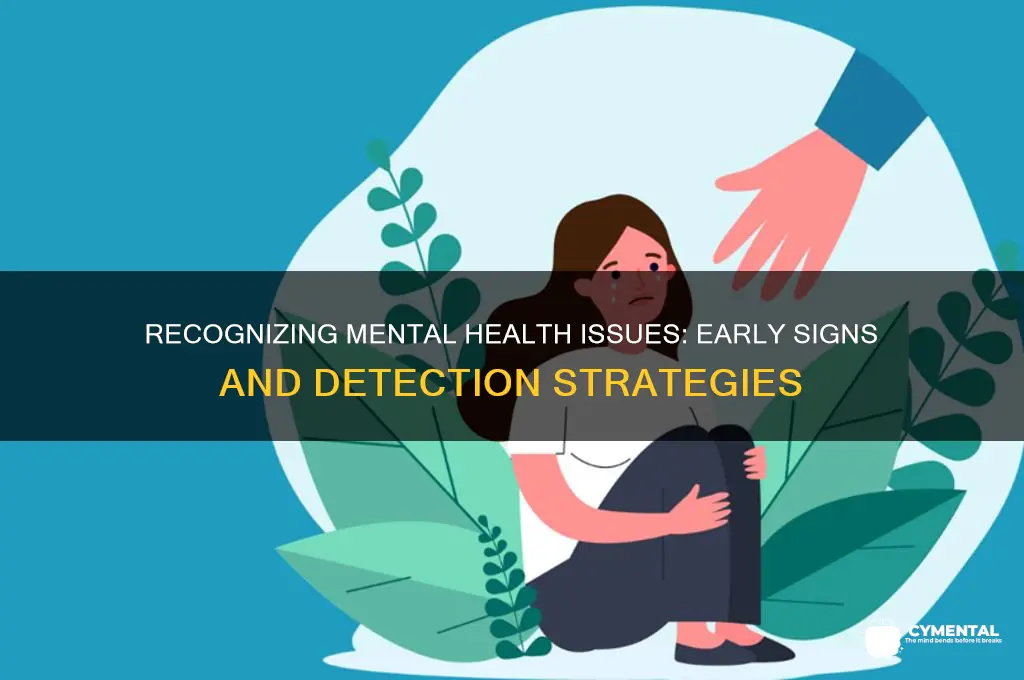
Detecting mental health issues requires a combination of awareness, observation, and proactive communication. Early signs often manifest as changes in behavior, mood, or functioning, such as persistent sadness, withdrawal from social activities, or difficulty concentrating. Physical symptoms like sleep disturbances, changes in appetite, or unexplained fatigue can also be indicators. It’s crucial to approach the topic with empathy and sensitivity, encouraging open conversations without judgment. Recognizing these signs in oneself or others is the first step toward seeking professional help, as timely intervention can significantly improve outcomes and quality of life.
Explore related products


What You'll Learn
- Recognizing Behavioral Changes: Sudden shifts in behavior, mood, or social withdrawal may indicate underlying mental health concerns
- Identifying Emotional Signs: Persistent sadness, anxiety, irritability, or emotional numbness can signal mental health issues
- Physical Symptoms: Unexplained fatigue, sleep disturbances, or changes in appetite often accompany mental health struggles
- Cognitive Red Flags: Difficulty concentrating, memory issues, or persistent negative thoughts may suggest mental health problems
- Social and Work Impact: Declining performance, isolation, or conflicts in relationships can be warning signs

Recognizing Behavioral Changes: Sudden shifts in behavior, mood, or social withdrawal may indicate underlying mental health concerns
Behavioral changes often serve as early warning signs of mental health struggles, acting as a silent cry for help. A once outgoing friend suddenly avoids social gatherings, a colleague’s productivity plummets without explanation, or a family member becomes uncharacteristically irritable. These shifts, particularly when abrupt or extreme, can signal underlying issues like depression, anxiety, or burnout. Recognizing them requires attentiveness to baseline behaviors and an understanding that mental health isn’t static—it fluctuates, sometimes dramatically.
To effectively spot these changes, start by observing patterns rather than isolated incidents. For instance, occasional sadness is normal, but persistent withdrawal from activities once enjoyed (anhedonia) could indicate depression. Similarly, heightened anxiety might manifest as restlessness, insomnia, or sudden panic attacks. Keep a mental (or written) log of behaviors over time, noting frequency and intensity. Tools like mood-tracking apps or journals can help, especially when discussing concerns with a professional.
However, caution is key. Avoid jumping to conclusions or labeling behaviors prematurely. Cultural differences, personal stressors, or life transitions (e.g., moving, job changes) can mimic mental health symptoms. For example, a teenager’s mood swings might reflect hormonal changes rather than depression. Always approach observations with empathy, focusing on support rather than judgment. If unsure, consult resources like the PHQ-9 (Patient Health Questionnaire) for depression or GAD-7 (Generalized Anxiety Disorder) for anxiety, though these should supplement, not replace, professional assessment.
Practical steps include initiating open conversations without accusation. Use "I" statements like, "I’ve noticed you seem less engaged lately—is everything okay?" Offer specific examples to ground the discussion. Encourage professional help by offering to assist with finding therapists or scheduling appointments. For severe cases (e.g., self-harm, suicidal ideation), know crisis resources like the 988 Suicide & Crisis Lifeline. Early intervention can prevent escalation, making vigilance and proactive support critical.
Finally, remember that recognizing behavioral changes is both an art and a science. It demands patience, active listening, and a willingness to act. While not everyone will welcome intervention, consistent, nonjudgmental outreach can make a difference. Mental health is a collective responsibility, and noticing these shifts is the first step toward fostering a supportive environment.
Supporting Loved Ones: Practical Ways to Help with Mental Health Struggles
You may want to see also
Explore related products


$52.81 $83.95


Identifying Emotional Signs: Persistent sadness, anxiety, irritability, or emotional numbness can signal mental health issues
Emotional distress often manifests as persistent sadness, a feeling that lingers beyond fleeting disappointment or grief. Unlike temporary sorrow, this sadness may lack an obvious trigger, permeating daily life and draining motivation. For instance, a person might struggle to find joy in hobbies they once loved or withdraw from social interactions without clear reason. Recognizing this pattern is crucial, as it can be an early indicator of conditions like depression or dysthymia. If such feelings persist for more than two weeks, it’s essential to seek professional guidance, as early intervention can prevent worsening symptoms.
Anxiety, another emotional red flag, often presents as excessive worry or fear disproportionate to the situation. Physical symptoms like rapid heartbeat, sweating, or insomnia may accompany this mental state. While occasional anxiety is normal, persistent or overwhelming anxiety that interferes with daily functioning warrants attention. For example, someone might avoid social gatherings due to fear of judgment or spend hours each day worrying about unlikely scenarios. Cognitive-behavioral therapy (CBT) and mindfulness techniques are evidence-based tools to manage anxiety, but professional assessment is key to tailoring the right approach.
Irritability, often overlooked, can signal underlying mental health issues, particularly in individuals who don’t typically express sadness or anxiety. This heightened sensitivity to frustration or anger may stem from conditions like bipolar disorder, burnout, or unresolved trauma. For instance, a usually patient person might snap over minor inconveniences or find themselves constantly on edge. Tracking the frequency and intensity of irritable episodes can help distinguish between situational stress and a deeper issue. If irritability disrupts relationships or work, it’s time to consult a mental health professional.
Emotional numbness, characterized by a detachment from feelings, is equally concerning. This state, often a coping mechanism for trauma or chronic stress, can manifest as indifference, apathy, or a sense of "going through the motions." For example, someone might report feeling nothing after a significant loss or achievement. While it may seem less alarming than sadness or anxiety, emotional numbness can lead to isolation and disconnection from life’s meaning. Therapies like dialectical behavior therapy (DBT) or eye movement desensitization and reprocessing (EMDR) can help individuals reconnect with their emotions and address the root cause.
In summary, persistent emotional signs like sadness, anxiety, irritability, or numbness are not merely personality quirks but potential indicators of mental health issues. Observing changes in emotional patterns, especially when they interfere with daily life, is critical. Practical steps include maintaining a mood journal to track symptoms, encouraging open conversations with trusted individuals, and seeking professional help when needed. Early recognition and intervention can transform these emotional signals from warning signs into pathways toward healing.
Social Media's Impact: Rising Mental Health Issues in the Digital Age
You may want to see also
Explore related products

$39.36 $57.99




Physical Symptoms: Unexplained fatigue, sleep disturbances, or changes in appetite often accompany mental health struggles
The body often mirrors the mind's turmoil, manifesting mental health struggles through physical symptoms that can be both subtle and profound. Unexplained fatigue, for instance, isn't merely a result of a busy day or lack of sleep; it can be a persistent, overwhelming exhaustion that defies rest. This kind of fatigue is different—it’s the kind that makes even small tasks feel Herculean, signaling an underlying emotional or psychological strain. Similarly, sleep disturbances, whether insomnia or oversleeping, disrupt the body’s natural rhythm, leaving individuals drained and disconnected. Changes in appetite, too, can be telling: sudden weight loss or gain, binge eating, or a complete loss of interest in food are often red flags. These symptoms aren’t isolated; they’re interconnected, forming a pattern that warrants attention.
Consider this: a 30-year-old professional experiencing chronic fatigue might attribute it to long work hours, but if paired with insomnia and a noticeable drop in appetite, it’s time to look deeper. Mental health issues like depression or anxiety often hijack the body’s stress response, leading to physical exhaustion. Sleep disturbances, such as waking up multiple times a night or sleeping excessively, further compound fatigue, creating a vicious cycle. Appetite changes, meanwhile, can stem from the body’s altered production of stress hormones like cortisol, which influence hunger and metabolism. Recognizing these symptoms as potential markers of mental distress is the first step toward addressing the root cause.
To detect these signs effectively, start by tracking patterns. Keep a journal to log sleep quality, energy levels, and eating habits over two weeks. Note any inconsistencies: Are you sleeping 12 hours but still feeling exhausted? Have you skipped meals without noticing? Practical tips include setting a consistent sleep schedule, even on weekends, and incorporating light exercise to combat fatigue. For appetite changes, try smaller, nutrient-dense meals if eating feels overwhelming, or set reminders to eat if you’re neglecting meals. However, caution against self-diagnosis—these symptoms can also indicate physical health issues, so consult a healthcare professional for a comprehensive evaluation.
Persuasively, it’s crucial to normalize the conversation around these physical symptoms as valid indicators of mental health struggles. Too often, they’re dismissed as minor complaints or lifestyle issues. For example, a teenager’s sudden weight loss might be chalked up to dieting, but if accompanied by fatigue and sleep disturbances, it could signal depression. By acknowledging these symptoms as part of a larger narrative, we empower individuals to seek help without stigma. Mental health isn’t just “in your head”—it’s in your body, too, and these physical signs are its way of asking for attention.
In conclusion, unexplained fatigue, sleep disturbances, and changes in appetite are more than just physical ailments; they’re often the body’s response to mental health challenges. By observing these symptoms critically, tracking patterns, and taking proactive steps, individuals can bridge the gap between physical discomfort and emotional well-being. Remember, the body and mind are inseparable—caring for one means tending to the other. If these symptoms persist, they’re not something to endure silently; they’re a call to action for holistic healing.
Are Mental Health Issues Hereditary? Unraveling the Genetic Link
You may want to see also
Explore related products


Cognitive Red Flags: Difficulty concentrating, memory issues, or persistent negative thoughts may suggest mental health problems
Difficulty concentrating, memory lapses, and a relentless stream of negative thoughts aren't just minor inconveniences; they can be early warning signs of underlying mental health issues. These cognitive red flags often manifest subtly, blending into the background of daily stress. For instance, someone might dismiss their inability to focus during a meeting as mere tiredness, or chalk up forgetting important dates to a busy schedule. However, when these symptoms persist or intensify, they warrant closer examination. Research shows that cognitive impairments are common in conditions like depression, anxiety, and even early-stage dementia, making them critical indicators for early intervention.
Consider the case of a 32-year-old professional who notices they’re increasingly unable to complete tasks at work due to intrusive negative thoughts about failure. This isn’t just "overthinking"—it’s a potential symptom of generalized anxiety disorder or major depressive disorder. Similarly, a college student struggling to recall lecture material despite adequate study habits might be experiencing cognitive fog linked to chronic stress or undiagnosed ADHD. The key is to differentiate between occasional mental lapses and persistent patterns that disrupt daily functioning. Tracking these symptoms over time—say, in a journal or mental health app—can provide valuable data for both self-assessment and professional evaluation.
To address these red flags effectively, start with practical, low-stakes strategies. For concentration issues, the Pomodoro Technique (25 minutes of focused work followed by a 5-minute break) can help rebuild attention stamina. Memory problems may benefit from mnemonic devices or digital tools like reminder apps. Persistent negative thoughts often respond to cognitive-behavioral techniques, such as reframing or mindfulness exercises. For example, dedicating 10 minutes daily to guided meditation can reduce the intensity of negative thought loops. However, if these methods yield minimal improvement after 4–6 weeks, consulting a mental health professional is crucial.
It’s important to note that cognitive red flags don’t exist in isolation; they often intertwine with emotional and physical symptoms. Someone with difficulty concentrating might also experience irritability or fatigue, while memory issues could accompany feelings of detachment or apathy. This overlap underscores the need for a holistic approach to assessment. Tools like the PHQ-9 (for depression) or GAD-7 (for anxiety) can help quantify symptom severity, providing a clearer picture for both individuals and clinicians. Early detection isn’t just about managing symptoms—it’s about reclaiming cognitive clarity and overall well-being.
Finally, societal stigma often discourages people from acknowledging these red flags, framing them as personal failings rather than potential health issues. This mindset can delay intervention, allowing symptoms to worsen. By normalizing conversations about cognitive health and emphasizing that these issues are treatable, we can encourage proactive self-care. Whether through therapy, medication, or lifestyle adjustments, addressing cognitive red flags is a vital step toward mental resilience. Remember: recognizing these signs isn’t a sign of weakness—it’s a testament to self-awareness and a commitment to thriving.
Navigating Mental Health Challenges: Strategies for Coping During Lockdown
You may want to see also
Explore related products


Social and Work Impact: Declining performance, isolation, or conflicts in relationships can be warning signs
Noticeable changes in how someone interacts with their environment can serve as red flags for underlying mental health struggles. At work, a once-reliable employee might start missing deadlines, making uncharacteristic errors, or disengaging from team activities. Socially, they may withdraw from gatherings, neglect friendships, or exhibit heightened irritability in conversations. These shifts often reflect internal battles with anxiety, depression, or burnout, manifesting as reduced capacity to manage responsibilities or connect with others. Recognizing these patterns early allows for timely intervention, whether through professional support or adjusted expectations.
Consider the case of a 32-year-old marketing manager who, after consistently exceeding targets, begins submitting subpar campaigns and avoids team meetings. Simultaneously, friends note she cancels plans frequently and responds tersely to messages. Such a scenario demands a nuanced approach: colleagues and loved ones should initiate non-judgmental conversations, focusing on observable behaviors rather than assumptions about her mental state. Phrases like, “I’ve noticed you’ve been less involved lately—is there something going on?” open the door for dialogue without imposing diagnoses.
While addressing these signs, it’s critical to avoid overstepping boundaries or substituting professional care. For instance, a manager might offer flexible deadlines or suggest an EAP (Employee Assistance Program) but should refrain from amateur counseling. Similarly, friends can propose low-pressure activities like a short walk or coffee, emphasizing companionship over problem-solving. Practical tools, such as mental health first aid training, equip individuals to respond effectively without exacerbating distress.
Comparing these social and work indicators to physical health symptoms highlights their importance. Just as persistent fatigue or unexplained weight loss might signal diabetes, declining performance or isolation could indicate depression or anxiety. In both cases, early detection hinges on attentiveness and action. Employers can foster a culture of openness by normalizing discussions about mental health, while friends and family can stay attuned to subtle changes in behavior. By treating these signs as seriously as physical ailments, we create a safety net that encourages seeking help before crises occur.
Supporting Your Spouse: Navigating Mental Health Challenges Together with Compassion
You may want to see also
Frequently asked questions
Early signs include persistent sadness, anxiety, changes in sleep or appetite, withdrawal from social activities, difficulty concentrating, and unexplained physical symptoms like headaches or fatigue.
Look for behavioral changes such as irritability, mood swings, neglect of personal care, increased substance use, or expressions of hopelessness. Direct conversations about their feelings can also provide insight.
Yes, professionals use standardized assessments like the PHQ-9 for depression or GAD-7 for anxiety. Self-assessment tools are available online, but they should not replace a professional evaluation.
Yes, mental health issues can manifest physically, such as through chronic pain, digestive issues, or unexplained aches. These symptoms often persist despite medical treatment.
Seek help if symptoms interfere with daily life, last for more than two weeks, or include thoughts of self-harm. Early intervention is key to effective treatment.