Lucas Bennett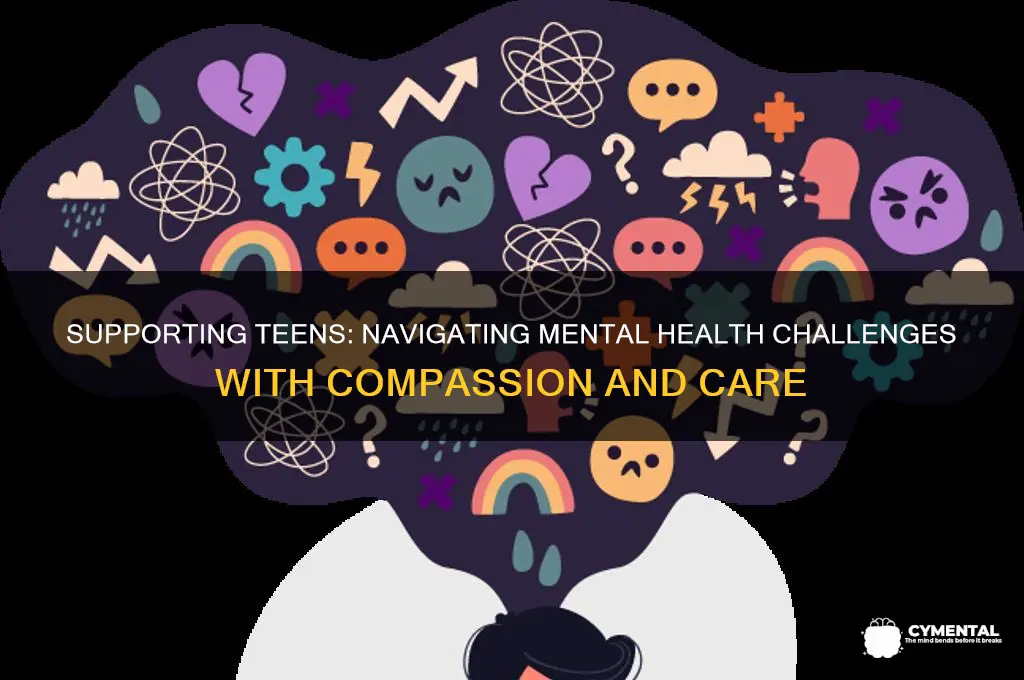
Dealing with a teenager experiencing mental health issues requires patience, understanding, and a proactive approach. Adolescence is a critical period marked by significant emotional, physical, and social changes, making teens particularly vulnerable to mental health challenges such as anxiety, depression, or stress. As a parent, caregiver, or supporter, it’s essential to create a safe, non-judgmental space for open communication, actively listening to their concerns without dismissing their feelings. Educating yourself about their specific struggles, seeking professional help when needed, and encouraging healthy coping mechanisms like therapy, exercise, or creative outlets can make a significant difference. Balancing support with boundaries and fostering resilience while validating their emotions is key to helping them navigate these challenges and build long-term mental well-being.
Explore related products



$10.58 $18.99


What You'll Learn
- Active Listening: Show empathy, avoid judgment, and validate feelings to build trust and open communication
- Seek Professional Help: Consult therapists, counselors, or psychiatrists for expert guidance and treatment plans
- Establish Routine: Create consistent schedules for sleep, meals, and activities to provide stability
- Encourage Self-Care: Promote healthy habits like exercise, mindfulness, and hobbies to reduce stress
- Set Boundaries: Establish clear rules and consequences while maintaining a supportive and understanding environment

Active Listening: Show empathy, avoid judgment, and validate feelings to build trust and open communication
Teenagers often feel misunderstood, especially when grappling with mental health issues. Their struggles can manifest as irritability, withdrawal, or defiance, leaving parents and caregivers at a loss for how to connect. Active listening bridges this gap by creating a safe space for them to express themselves without fear of judgment. It’s not about fixing their problems but about being fully present, acknowledging their emotions, and validating their experiences. This approach fosters trust, encourages openness, and lays the foundation for meaningful conversations about their mental health.
Consider this scenario: A 15-year-old, overwhelmed by anxiety, snaps at their parent over a minor issue. Instead of reacting with frustration, the parent pauses, takes a deep breath, and responds, "It sounds like you’re feeling really stressed right now. Want to talk about it?" This simple act of empathy, paired with open-ended questioning, invites the teenager to share their feelings. Active listening involves maintaining eye contact, nodding in acknowledgment, and reflecting back what you hear. For instance, "I hear you saying that school pressure is making it hard to breathe. That must be really tough." Such validation communicates, "Your feelings matter, and I’m here to listen."
However, active listening isn’t instinctive; it requires practice and mindfulness. Common pitfalls include interrupting, offering unsolicited advice, or minimizing their struggles with phrases like, "It’s not that bad" or "Others have it worse." These responses shut down communication and erode trust. Instead, focus on creating a judgment-free zone. If a teenager shares they’re feeling worthless, resist the urge to argue or reassure. Instead, say, "That sounds like a heavy burden to carry. How long have you been feeling this way?" This approach honors their experience and encourages them to elaborate.
The power of active listening lies in its ability to make teenagers feel seen and heard. Research shows that adolescents who feel understood are more likely to seek help for mental health issues. For example, a study published in the *Journal of Adolescent Health* found that parental empathy significantly reduces symptoms of depression and anxiety in teens. Practical tips include setting aside dedicated time for conversations, turning off distractions like phones, and using "I" statements to share your perspective without sounding accusatory. For instance, "I notice you’ve been spending a lot of time alone lately, and I’m wondering how you’re doing," is less confrontational than, "Why are you always in your room?"
In conclusion, active listening is a transformative tool for supporting teenagers with mental health issues. By showing empathy, avoiding judgment, and validating their feelings, caregivers can build trust and encourage open communication. It’s not about having all the answers but about creating a safe space for teenagers to express themselves. With practice and patience, this approach can strengthen relationships and help adolescents navigate their emotional challenges more effectively.
Addiction and Mental Health: Understanding the Frequent Co-Occurrence
You may want to see also
Explore related products

$13.48 $15.97


$9.59 $16.99


Seek Professional Help: Consult therapists, counselors, or psychiatrists for expert guidance and treatment plans
Professional intervention is often the linchpin in addressing a teenager's mental health struggles. While parental support and lifestyle adjustments are vital, therapists, counselors, and psychiatrists bring specialized knowledge and tools that can significantly alter the trajectory of a teen's well-being. These experts are trained to diagnose complex conditions, from anxiety and depression to bipolar disorder and schizophrenia, using standardized criteria like the DSM-5. Unlike general advice found online, they tailor treatment plans to the individual, considering factors such as family dynamics, school environment, and developmental stage. For instance, a 14-year-old with severe social anxiety might benefit from cognitive-behavioral therapy (CBT), while a 17-year-old with persistent suicidal ideation may require a combination of medication and dialectical behavior therapy (DBT).
The process begins with an initial assessment, typically lasting 60–90 minutes, during which the professional evaluates symptoms, history, and goals. Parents should prepare by documenting specific behaviors, triggers, and changes in the teen’s mood or functioning. For example, note if the teen has withdrawn from friends, experienced sleep disturbances, or exhibited irritability. Be honest about concerns, even if they feel trivial—details like a sudden drop in grades or increased screen time can provide critical insights. After the assessment, the professional may recommend weekly therapy sessions, medication trials, or referrals to other specialists, such as a psychologist for testing or a nutritionist for dietary interventions.
One common misconception is that medication is a last resort or a sign of failure. In reality, psychiatric medications like SSRIs (e.g., fluoxetine) or mood stabilizers (e.g., lithium) can be life-changing for teens with severe symptoms. Dosages are typically started low—for instance, 10 mg of fluoxetine daily for depression—and adjusted based on response and side effects. Parents should monitor for improvements or adverse reactions (e.g., increased agitation or weight changes) and communicate these to the prescribing doctor. Combining medication with therapy often yields the best outcomes, as medication addresses neurochemical imbalances while therapy equips teens with coping strategies.
Choosing the right professional is crucial. Therapists and counselors often focus on talk therapy, while psychiatrists can prescribe medication and manage complex cases. Look for providers experienced with adolescents and trained in evidence-based modalities like CBT or family therapy. Insurance coverage, location, and availability are practical considerations, but don’t compromise on expertise. If cost is a barrier, explore sliding-scale clinics, telehealth options, or school-based mental health services. Involve the teen in the selection process when possible—feeling heard and respected increases the likelihood of engagement.
Finally, professional help is not a one-time fix but an ongoing partnership. Regular check-ins with the provider ensure the treatment plan remains effective as the teen grows and their needs evolve. Parents should advocate for their child while also encouraging autonomy, such as letting the teen lead sessions or communicate directly with the therapist. Remember, seeking professional help is a sign of strength, not desperation. It provides a structured, compassionate framework for teens to navigate their struggles and emerge resilient.
Snapchat's Dark Side: Uncovering Its Impact on Mental Well-Being
You may want to see also
Explore related products

$14.99




Establish Routine: Create consistent schedules for sleep, meals, and activities to provide stability
Teenagers with mental health issues often experience chaos in their internal world, making external stability a critical anchor. Establishing a consistent routine acts as a predictable framework, reducing anxiety and providing a sense of control. Think of it as scaffolding for their emotional and psychological development, offering a foundation upon which they can build coping mechanisms and resilience.
A well-structured routine isn't about rigidity; it's about creating a rhythm that fosters well-being. Aim for a sleep schedule that prioritizes 8-10 hours of quality sleep, crucial for emotional regulation and cognitive function. Meal times should be regular, incorporating nutritious foods that fuel both body and mind. Activities, including schoolwork, hobbies, and social interaction, should be balanced, allowing for both productivity and relaxation.
Consider this a three-pronged approach: sleep, nourishment, and engagement. For sleep, establish a calming bedtime routine, limiting screen time an hour before bed and encouraging activities like reading or listening to soothing music. Meals should be planned and prepared together whenever possible, fostering a sense of involvement and ensuring balanced nutrition. Activities should be a mix of structured and unstructured time, allowing for both accomplishment and creative expression.
Remember, consistency is key. While flexibility is important, aim for a routine that's predictable enough to provide a sense of security. This doesn't mean every day has to be identical, but rather that there's a general flow and rhythm to the teenager's day.
Think of it as a dance, not a rigid march. There will be days when the rhythm falters, when fatigue or emotional turmoil disrupt the routine. Don't view these as failures, but as opportunities to adapt and refine. Be prepared to adjust the schedule as needed, while maintaining the overall structure. The goal is not perfection, but progress – a gradual building of stability and a sense of control.
By establishing a consistent routine, you're not just organizing a teenager's day; you're providing them with a tool for managing their mental health. You're giving them a sense of agency, a feeling of "I can handle this," which is invaluable in navigating the challenges of adolescence and beyond.
NCAA's Mental Health Battle: Strategies, Challenges, and Student-Athlete Support
You may want to see also
Explore related products

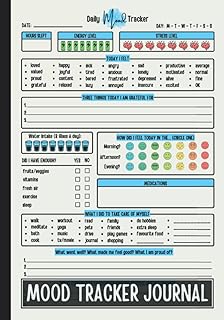


Encourage Self-Care: Promote healthy habits like exercise, mindfulness, and hobbies to reduce stress
Teenagers often struggle with stress, and without healthy coping mechanisms, it can spiral into more serious mental health issues. Encouraging self-care isn’t just about suggesting they “relax”—it’s about embedding habits that actively counteract stress. Start by framing self-care as a tool for empowerment, not a chore. For instance, explain how exercise releases endorphins, which act as natural mood lifters. A 2020 study found that just 30 minutes of moderate exercise three times a week can significantly reduce symptoms of anxiety and depression in adolescents. Make it practical: suggest walking the dog, joining a school sports team, or following a YouTube yoga session. The key is consistency, not intensity.
Mindfulness is another cornerstone of self-care, but it’s often misunderstood as sitting silently for hours. For teenagers, mindfulness can be as simple as a 5-minute breathing exercise before bed or during a stressful moment. Apps like Headspace or Calm offer guided meditations tailored for teens, making it accessible and less intimidating. Pair mindfulness with daily routines—for example, encourage them to focus on their senses while brushing their teeth or eating breakfast. This grounds them in the present, breaking the cycle of overthinking. Research shows that even brief mindfulness practices can lower cortisol levels, the hormone linked to stress.
Hobbies aren’t just distractions; they’re outlets for creativity and self-expression, which are vital for mental well-being. Whether it’s painting, playing an instrument, or coding, hobbies provide a sense of accomplishment and identity. Help your teen explore interests without pressure—avoid phrases like “you should” or “this will help you.” Instead, ask open-ended questions like, “What’s something you’ve always wanted to try?” or “How can I support you in doing more of what you love?” If they’re resistant, start small: a 15-minute sketch, a short guitar lesson, or tinkering with a simple DIY project. The goal is to foster joy, not perfection.
Combining these habits—exercise, mindfulness, and hobbies—creates a holistic self-care routine that addresses stress from multiple angles. However, be mindful of overloading them with expectations. Teens are already juggling school, social pressures, and hormonal changes. Start with one habit at a time, and let them take the lead in choosing what resonates. For example, if they prefer dancing to running, that counts as exercise. If journaling feels more natural than meditation, that’s mindfulness. The takeaway? Self-care isn’t one-size-fits-all—it’s about finding what works for them and making it a non-negotiable part of their day. Over time, these habits build resilience, equipping them to navigate mental health challenges with greater ease.
Empowering Educators: Strategies for Discussing Mental Health in Classrooms
You may want to see also
Explore related products





Set Boundaries: Establish clear rules and consequences while maintaining a supportive and understanding environment
Teenagers with mental health issues often struggle with boundaries, not because they want chaos, but because their emotional turbulence makes structure feel oppressive. Paradoxically, clear boundaries can be their anchor. Think of them as guardrails on a winding road: they don’t restrict freedom, but prevent dangerous veering off course. For instance, a 16-year-old with anxiety might resist a "no screens after 9 PM" rule, fearing disconnection from peers. Yet, this boundary, when paired with empathy ("I know it’s hard, but sleep is crucial for your anxiety"), becomes a protective measure, not a punishment.
Establishing these boundaries requires precision. Vague rules like "be respectful" crumble under pressure. Instead, define specific, measurable actions: "Homework starts by 5 PM," or "One hour of social media after chores." Consequences must follow suit—immediate, proportional, and consistent. For a teenager with depression who skips therapy, a consequence might be losing an hour of screen time that evening, not a week-long grounding. The goal isn’t to penalize, but to reinforce predictability, a cornerstone of mental stability.
Maintaining a supportive environment while enforcing rules demands emotional agility. Imagine a 15-year-old with ADHD who misses curfew. Instead of scolding, start with validation: "I know time feels different when you’re hyperfocused. How can we work together to fix this?" This approach separates the behavior from the person, fostering self-worth rather than shame. Boundaries, when delivered with warmth, signal care, not control. A study in *Journal of Adolescent Health* found that teens with mental health issues are 40% more likely to comply with rules when they perceive them as fair and caring.
Yet, boundaries aren’t static. A teenager’s mental health evolves, and so should the rules. A bi-weekly "boundary check-in" can be transformative. Sit down, ask open-ended questions like, "How are these rules working for you?" and adjust collaboratively. For a teenager with bipolar disorder, this might mean loosening restrictions during stable periods and tightening them during manic phases. Flexibility within the framework of consistency builds trust and teaches self-regulation.
Finally, model the behavior you expect. If you demand honesty, be transparent yourself. If you enforce screen limits, put down your phone during family time. Teenagers with mental health issues are acutely sensitive to hypocrisy. Boundaries aren’t just rules—they’re a reflection of the relationship. When a teenager sees their struggles mirrored in your patience and adaptability, boundaries stop being barriers and become bridges to healing.
Navigating Allyship: Supporting Racial Justice While Managing Mental Health
You may want to see also
Frequently asked questions
Look for persistent changes in behavior, mood, or performance, such as withdrawal from social activities, sudden irritability, declining grades, changes in sleep or appetite, or expressions of hopelessness. If you notice these signs, approach them with empathy and consider consulting a mental health professional.
Use open, non-judgmental, and supportive language. Start by expressing concern and letting them know you’re there to listen without pushing for immediate answers. Avoid blaming or minimizing their feelings, and validate their emotions to build trust.
Balance support with independence by offering resources like therapy or counseling, encouraging healthy habits, and respecting their boundaries. Let them know you’re available while also allowing them space to process their feelings and take ownership of their mental health journey.
Seek professional help if their symptoms persist, worsen, or interfere with daily functioning. Warning signs include self-harm, suicidal thoughts, severe anxiety, or aggression. Early intervention by a mental health professional can make a significant difference in their well-being.