Caleb Wright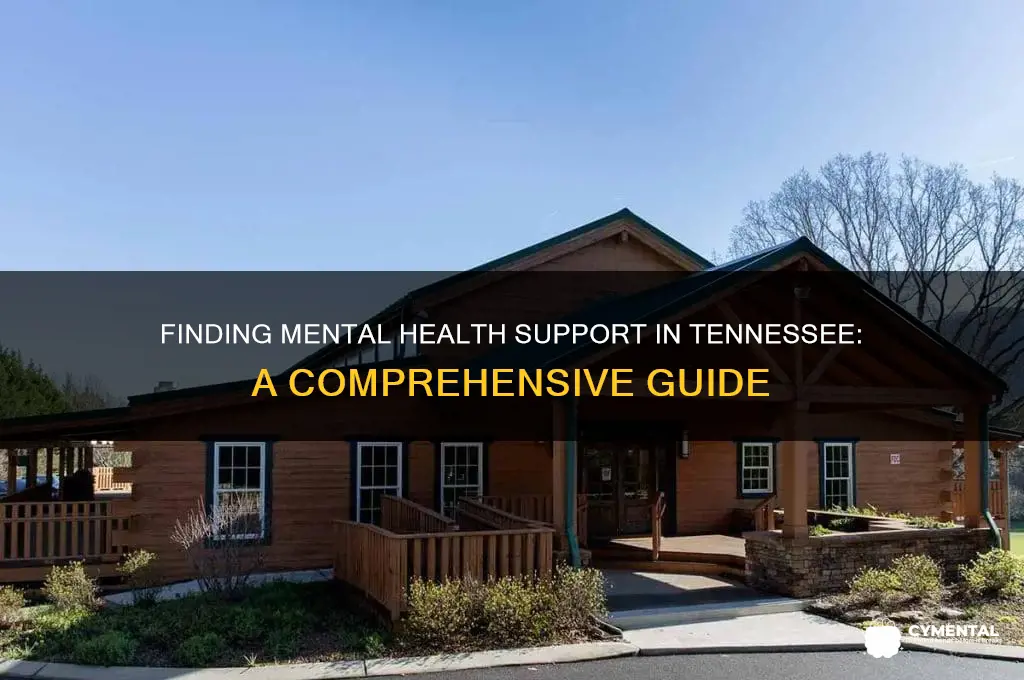
In Tennessee, accessing help for mental disorders is a critical step toward improving overall well-being, and the state offers a variety of resources to support individuals in need. From community mental health centers and telehealth services to crisis hotlines and support groups, Tennessee provides multiple avenues for individuals to seek assistance. Organizations like the Tennessee Department of Mental Health and Substance Abuse Services (TDMHSAS) play a pivotal role in connecting residents with affordable care, while local nonprofits and private practitioners also contribute to the network of available services. Additionally, insurance coverage, including Medicaid and private plans, often includes mental health benefits, making treatment more accessible. By understanding these resources and taking the first step to reach out, individuals in Tennessee can find the support and care necessary to manage and recover from mental health challenges.
Explore related products


What You'll Learn
- Finding Local Therapists: Search online directories, ask doctors, or contact TN mental health organizations for therapist referrals
- State-Funded Programs: Explore TN Department of Mental Health resources for affordable or free treatment options
- Crisis Hotlines: Access 24/7 support via TN’s crisis hotlines for immediate mental health assistance
- Support Groups: Join local or online TN-based groups for peer support and shared experiences
- Insurance Coverage: Check your insurance plan for mental health services covered in Tennessee

Finding Local Therapists: Search online directories, ask doctors, or contact TN mental health organizations for therapist referrals
Navigating the landscape of mental health care in Tennessee begins with identifying the right therapist, a pivotal step toward healing and growth. Online directories like Psychology Today and the Tennessee Department of Mental Health and Substance Abuse Services offer searchable databases, allowing you to filter by location, specialization, and insurance acceptance. These platforms often include therapist bios, treatment modalities, and client reviews, providing a snapshot of their approach and expertise. For instance, if you’re seeking help for anxiety, you can narrow your search to therapists trained in Cognitive Behavioral Therapy (CBT) or mindfulness-based techniques, ensuring a tailored fit.
While online resources are convenient, they aren’t the only avenue. Primary care physicians and specialists often have networks of trusted mental health professionals they can recommend. A referral from a doctor carries the added benefit of coordination between your physical and mental health care, particularly if your condition has medical components, such as medication management for depression or bipolar disorder. For example, a psychiatrist might refer you to a therapist who specializes in dialectical behavior therapy (DBT) for borderline personality disorder, ensuring a comprehensive treatment plan.
Tennessee’s mental health organizations, such as the National Alliance on Mental Illness (NAMI) Tennessee and local community mental health centers, are invaluable resources for referrals. These organizations often have helplines, support groups, and partnerships with therapists who offer sliding-scale fees or pro bono services for those without insurance. For instance, NAMI Tennessee’s website provides a “Find Help” tool that connects individuals with local providers and programs, making it easier to access affordable care. This approach is particularly useful for individuals facing financial barriers or those in rural areas with limited options.
When reaching out to therapists, consider practical factors like location, availability, and cost. Many therapists offer free consultations, which can help you gauge their style and whether you feel comfortable working with them. It’s also important to verify their credentials and ensure they are licensed to practice in Tennessee. For example, a Licensed Clinical Social Worker (LCSW) or Licensed Professional Counselor (LPC) must meet specific education and training requirements, providing a baseline of trust. Remember, finding the right therapist may take time, but persistence pays off in the form of a supportive, effective therapeutic relationship.
Chess and Mental Health: Boosting Focus, Resilience, and Cognitive Well-being
You may want to see also
Explore related products


State-Funded Programs: Explore TN Department of Mental Health resources for affordable or free treatment options
Tennessee residents facing mental health challenges have a robust ally in the TN Department of Mental Health and Substance Abuse Services (TDMHSAS), which offers a variety of state-funded programs designed to provide affordable or free treatment options. These programs are tailored to meet the diverse needs of individuals across age groups, from children to seniors, ensuring that financial barriers do not prevent access to care. For instance, the Behavioral Health Safety Net of Tennessee provides free mental health and substance abuse services to uninsured or underinsured individuals who meet specific income criteria. Eligibility is determined by household size and income level, with applications available through local mental health providers.
One standout initiative is the Tennessee Statewide Crisis System, which offers immediate assistance for individuals experiencing mental health crises. This includes 24/7 crisis hotlines, mobile crisis units, and short-term residential crisis stabilization programs. For example, adults in crisis can access up to 16 days of residential care at no cost, provided they meet clinical criteria. Additionally, the Children’s Emergency Services program ensures that minors receive prompt evaluation and intervention, often within hours of a crisis call. These services are particularly critical for families who cannot afford private crisis intervention.
For long-term care, the Community Behavioral Health Agencies operate across Tennessee, offering therapy, medication management, and case management services on a sliding fee scale. This means fees are adjusted based on income, making treatment accessible even for those with limited financial resources. For instance, a family of four earning below $30,000 annually might pay as little as $10 per therapy session. To locate a nearby agency, individuals can visit the TDMHSAS website or call the state’s mental health helpline at 855-CRISIS-1 (855-274-7471).
It’s important to note that while these programs are designed to be inclusive, certain limitations exist. For example, state-funded services may have waitlists due to high demand, and not all specialized treatments (e.g., intensive outpatient programs for eating disorders) are fully covered. However, TDMHSAS often collaborates with community organizations to fill gaps, such as providing transportation assistance or connecting individuals with peer support groups. Proactive steps, like gathering necessary documentation (proof of income, residency, and diagnosis) before applying, can streamline the process and reduce wait times.
In conclusion, Tennessee’s state-funded mental health programs offer a lifeline for those struggling to afford care. By leveraging resources like the Behavioral Health Safety Net, crisis services, and community agencies, individuals can access quality treatment without financial strain. While navigating these programs requires some effort, the potential for life-changing support makes it a worthwhile endeavor. For anyone unsure where to start, reaching out to the TDMHSAS helpline is a practical first step toward finding the right program.
Seeking Support: Where to Find Help and Guidance in Life
You may want to see also
Explore related products


$20.49 $36.99


Crisis Hotlines: Access 24/7 support via TN’s crisis hotlines for immediate mental health assistance
In moments of mental health crisis, immediate support can be a lifeline. Tennessee’s crisis hotlines offer 24/7 access to trained professionals who provide real-time assistance, ensuring no one faces their darkest hours alone. These services are free, confidential, and available to individuals of all ages, from adolescents grappling with anxiety to adults dealing with severe depression or suicidal thoughts. Whether you’re calling for yourself or a loved one, these hotlines serve as a critical first step toward stabilization and recovery.
The process is straightforward: dial the designated number, and a compassionate responder will listen without judgment, assess the situation, and guide you toward appropriate resources. For instance, the Tennessee Statewide Crisis Line (855-CRISIS-1 or 855-274-7471) connects callers to local crisis teams, who can provide in-person intervention if needed. Similarly, the National Suicide Prevention Lifeline (988) offers specialized support for suicidal ideation, with responders trained to de-escalate crises and connect individuals to long-term care. For those more comfortable with texting, the Crisis Text Line (text “TN” to 741741) provides silent, discreet assistance, ideal for situations where speaking aloud is unsafe or impractical.
One of the most compelling aspects of these hotlines is their adaptability to diverse needs. For example, the Tennessee Department of Mental Health and Substance Abuse Services offers culturally sensitive support, ensuring that language barriers or cultural stigma do not prevent individuals from seeking help. Additionally, hotlines like the Veterans Crisis Line (press 1 after dialing 988) cater specifically to veterans, addressing trauma and PTSD with tailored resources. This level of specialization ensures that no one slips through the cracks, regardless of their background or the nature of their crisis.
While crisis hotlines are invaluable for immediate relief, they are not a substitute for ongoing treatment. Responders often help callers schedule follow-up appointments with therapists, psychiatrists, or support groups, bridging the gap between crisis and long-term care. Practical tips for maximizing these services include keeping the hotline numbers saved in your phone, writing them on a visible note at home, or sharing them with trusted friends or family members. In a state where mental health resources can sometimes feel fragmented, Tennessee’s crisis hotlines stand as a beacon of accessibility and hope, proving that help is always just a call, text, or chat away.
Biophilic Design: Nurturing Mental Health Through Nature-Inspired Spaces
You may want to see also
Explore related products





Support Groups: Join local or online TN-based groups for peer support and shared experiences
In Tennessee, support groups serve as vital lifelines for individuals navigating mental health challenges, offering a blend of empathy, understanding, and practical strategies. These groups, whether local or online, create safe spaces where members can share experiences, reduce feelings of isolation, and gain insights from peers who truly "get it." For instance, organizations like NAMI Tennessee (National Alliance on Mental Illness) host both in-person and virtual support groups tailored to specific conditions, such as depression, anxiety, or bipolar disorder, ensuring relevance and resonance.
Joining a support group begins with identifying your needs—are you seeking general emotional backing, condition-specific advice, or a mix of both? Local groups often meet weekly in community centers, churches, or hospitals, providing face-to-face interaction that fosters deeper connections. Online options, hosted via platforms like Zoom or dedicated forums, offer flexibility for those with mobility issues or busy schedules. For example, the Tennessee Peer Support Network operates a virtual hub where members can engage anonymously, sharing coping mechanisms or simply venting in a judgment-free zone.
While support groups are not therapy, they complement professional treatment by addressing the human need for connection. Studies show that consistent participation in peer support groups can improve mood, reduce symptoms, and enhance treatment adherence. However, it’s crucial to vet groups for credibility—ensure they’re facilitated by trained peers or mental health professionals to maintain a constructive environment. Avoid groups that promote misinformation or discourage medical treatment.
Practical tips for maximizing your experience include attending regularly to build trust, actively listening before sharing, and setting personal boundaries. If you’re new to support groups, start by observing to gauge the group’s dynamics. For online groups, test different platforms to find one that suits your comfort level—some prefer video chats for visual connection, while others opt for text-based forums for anonymity. Remember, the goal is to find a community where you feel heard, understood, and empowered.
In Tennessee, the landscape of support groups is diverse, reflecting the state’s commitment to mental health accessibility. From Knoxville’s Depression and Bipolar Support Alliance chapters to Memphis’s anxiety-focused meetups, there’s a group for nearly every need. Online, statewide initiatives like the TN Mental Health Recovery Coalition provide resources and virtual gatherings, ensuring even rural residents can access support. By leveraging these networks, individuals can transform their mental health journey from solitary struggle to shared triumph.
Comic Books and Cartoons: Unlocking Mental Health Benefits Through Art
You may want to see also
Explore related products




Insurance Coverage: Check your insurance plan for mental health services covered in Tennessee
Understanding your insurance coverage is the first step in accessing mental health services in Tennessee. Many plans are required by law to cover mental health treatment, but the specifics can vary widely. Start by reviewing your policy’s Summary of Benefits and Coverage (SBC), a document that outlines what services are included. Look for terms like “behavioral health,” “psychotherapy,” or “substance use disorder treatment” to identify covered services. If the SBC is unclear, contact your insurance provider directly to ask about mental health coverage, including copays, deductibles, and out-of-network restrictions. Knowing these details upfront can prevent unexpected costs and ensure you receive the care you need.
Not all insurance plans are created equal, and Tennessee residents may encounter differences based on their plan type. For instance, employer-sponsored plans often offer more comprehensive mental health coverage than individual marketplace plans. Medicaid (TennCare) in Tennessee covers a broad range of mental health services, including therapy and medication management, but eligibility criteria apply. Medicare beneficiaries should check their Part B coverage for outpatient mental health services, typically covering 80% of approved costs after the deductible. If you’re uninsured, explore options like community health centers or state-funded programs, which often provide services on a sliding fee scale based on income.
One common pitfall is assuming that all mental health providers are in-network. Always verify a therapist’s or psychiatrist’s network status before scheduling an appointment. Out-of-network providers can result in significantly higher out-of-pocket costs. Additionally, some plans require preauthorization for certain treatments, such as intensive outpatient programs or inpatient care. Failing to obtain preauthorization could lead to denied claims. Keep detailed records of all communications with your insurer, including dates, representative names, and confirmation numbers, to resolve potential disputes later.
For those with high deductibles or limited coverage, consider supplemental insurance plans or health savings accounts (HSAs) to offset costs. HSAs allow you to save pre-tax dollars for medical expenses, including mental health care. Another strategy is to explore telehealth options, which are increasingly covered by insurance and can be more affordable than in-person visits. Tennessee has seen a rise in telehealth services, particularly in rural areas, making mental health care more accessible. Always confirm telehealth coverage with your insurer, as policies vary.
Finally, advocate for yourself if you encounter coverage denials. Under the Mental Health Parity and Addiction Equity Act, insurers must provide mental health coverage comparable to medical/surgical coverage. If your claim is denied, appeal the decision by following your insurer’s formal process. Tennessee’s Department of Commerce and Insurance can assist with disputes, offering resources to navigate the appeals process. Remember, understanding and utilizing your insurance coverage is a proactive step toward managing mental health effectively in Tennessee.
Resilience: The Key to Strengthening Mental Health and Well-Being
You may want to see also
Frequently asked questions
Start by consulting your primary care physician or a mental health professional for an assessment. You can also contact local community mental health centers or use resources like the Tennessee Department of Mental Health and Substance Abuse Services (TDMHSAS) for guidance.
Yes, Tennessee offers free or low-cost mental health services through community mental health centers, federally qualified health centers, and programs like TennCare for eligible individuals. Nonprofits and local organizations may also provide assistance.
You can search for licensed therapists through the Tennessee Association for Mental Health, Psychology Today’s directory, or by contacting your insurance provider for a list of in-network professionals. Local mental health clinics are also a great resource.
Call the Tennessee Statewide Crisis Line at 855-CRISIS-1 (855-274-7471) for immediate assistance. Alternatively, dial 988 for the National Suicide & Crisis Lifeline. For emergencies, call 911 or go to the nearest emergency room.
Yes, Tennessee has numerous support groups for various mental health conditions, such as NAMI Tennessee (National Alliance on Mental Illness) and local chapters of organizations like Depression and Bipolar Support Alliance (DBSA). Check their websites or contact them for meeting details.