Harper Lewis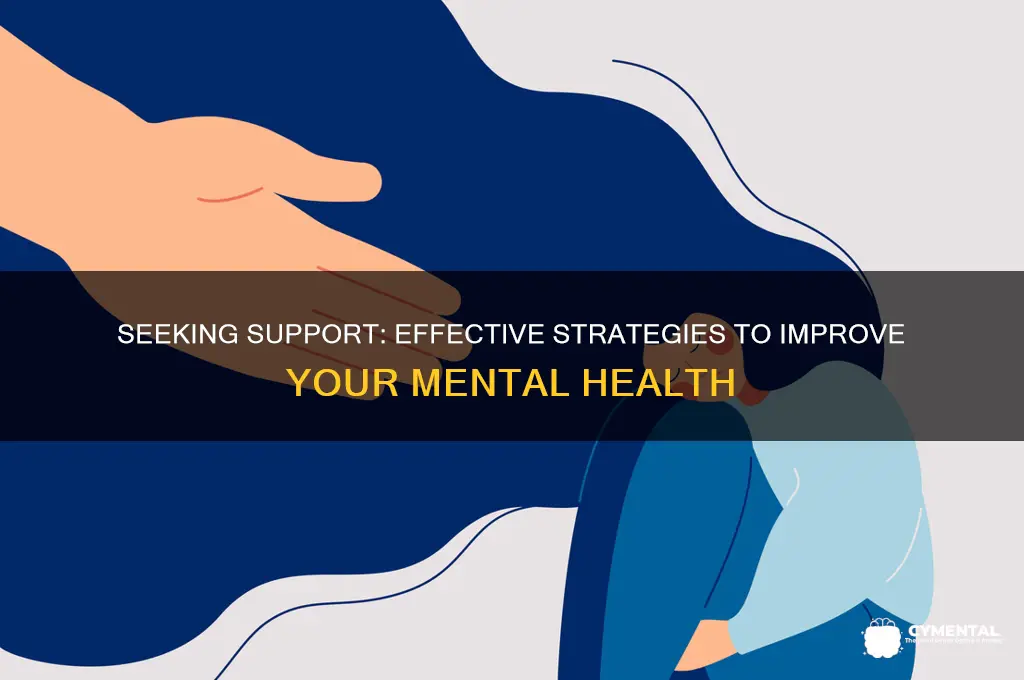
Struggling with bad mental health can feel overwhelming and isolating, but it’s important to remember that help is available and seeking support is a sign of strength. Whether you’re dealing with anxiety, depression, stress, or other mental health challenges, there are numerous resources and strategies to guide you toward healing and recovery. From professional therapy and counseling to self-care practices, support groups, and hotlines, understanding how to access the right help can make a significant difference. Recognizing the signs, reaching out to trusted individuals, and taking small, consistent steps toward self-improvement are crucial in navigating the journey to better mental well-being. You don’t have to face it alone—there are people and tools ready to assist you in reclaiming your mental health.
| Characteristics | Values |
|---|---|
| Seek Professional Help | Consult a psychiatrist, psychologist, or therapist for diagnosis and treatment. Use telehealth services if in-person visits are difficult. |
| Therapy Types | Cognitive Behavioral Therapy (CBT), Dialectical Behavior Therapy (DBT), mindfulness-based therapies, and group therapy. |
| Medication | Antidepressants, anti-anxiety medications, mood stabilizers, prescribed by a psychiatrist or primary care physician. |
| Support Groups | Join local or online support groups for shared experiences and coping strategies (e.g., NAMI, Anxiety and Depression Association of America). |
| Self-Care Practices | Regular exercise, balanced diet, adequate sleep, mindfulness, and journaling. |
| Hotlines and Crisis Services | National Suicide Prevention Lifeline (988), Crisis Text Line (text HOME to 741741), and local emergency services. |
| Online Resources | Apps like Calm, Headspace, and BetterHelp for guided meditation, therapy, and mental health tracking. |
| Lifestyle Changes | Reduce alcohol and drug use, limit caffeine, and avoid isolation by maintaining social connections. |
| Education and Awareness | Learn about mental health conditions through reputable sources like WHO, CDC, and MentalHealth.gov. |
| Workplace Support | Utilize Employee Assistance Programs (EAPs) for counseling and resources. |
| Community Resources | Local mental health clinics, nonprofits, and community centers offering low-cost or free services. |
| Family and Friends | Open communication with trusted individuals for emotional support and encouragement. |
| Emergency Action Plan | Develop a plan for crisis situations, including emergency contacts and coping strategies. |
| Cultural Sensitivity | Seek providers who understand cultural backgrounds and specific needs. |
| Financial Assistance | Explore Medicaid, sliding-scale fees, or nonprofit organizations for affordable mental health care. |
| Follow-Up Care | Regular check-ins with healthcare providers to monitor progress and adjust treatment plans. |
Explore related products


What You'll Learn
- Seek Professional Therapy: Find a licensed therapist for personalized support and evidence-based treatment options
- Join Support Groups: Connect with others facing similar struggles for shared understanding and encouragement
- Practice Self-Care: Prioritize sleep, exercise, nutrition, and mindfulness to improve mental well-being
- Use Hotlines/Apps: Access crisis hotlines or mental health apps for immediate support and resources
- Talk to Loved Ones: Share your feelings with trusted friends or family for emotional support

Seek Professional Therapy: Find a licensed therapist for personalized support and evidence-based treatment options
Therapy isn’t a one-size-fits-all solution, and neither are therapists. Licensed professionals specialize in various modalities—cognitive behavioral therapy (CBT), dialectical behavior therapy (DBT), psychodynamic therapy, and more—each tailored to specific mental health challenges. For instance, CBT is highly effective for anxiety and depression, with studies showing significant improvement in 12 to 16 sessions. Finding a therapist who aligns with your needs ensures you receive evidence-based treatment, not just generic advice.
Start by identifying your goals: Are you seeking coping strategies, trauma resolution, or relationship guidance? Use online directories like Psychology Today or GoodTherapy to filter therapists by specialty, location, and insurance acceptance. Don’t hesitate to interview multiple therapists; the first one you meet may not be the right fit. A good therapist-client relationship is critical to success, so trust your instincts during initial consultations.
Cost and accessibility are common barriers, but solutions exist. Many therapists offer sliding-scale fees based on income, and telehealth platforms like BetterHelp or Talkspace provide affordable options. If you’re in the U.S., check if your insurance covers mental health services under the Mental Health Parity Act. For students, universities often provide free or low-cost counseling. Prioritize your mental health by viewing therapy as an investment, not an expense.
Therapy requires active participation, not passive attendance. Be prepared to engage in self-reflection, practice new skills, and confront uncomfortable truths. Homework assignments, such as journaling or mindfulness exercises, are common and enhance progress between sessions. Consistency is key; weekly sessions are standard, but your therapist may adjust frequency based on your needs. Remember, therapy is a collaborative process—your effort shapes its effectiveness.
Finally, therapy isn’t a quick fix but a transformative journey. While medication can provide symptom relief, therapy addresses root causes, equipping you with tools for long-term resilience. Research shows that 75% of individuals who engage in therapy experience improvement, with benefits often extending beyond the treatment period. By committing to professional therapy, you’re not just managing symptoms—you’re rebuilding your mental foundation.
Buddhism and Mental Health: Ancient Wisdom for Modern Well-Being
You may want to see also
Explore related products


Join Support Groups: Connect with others facing similar struggles for shared understanding and encouragement
Isolation often exacerbates mental health struggles, creating a feedback loop where withdrawal from social interaction deepens feelings of despair. Joining a support group disrupts this cycle by embedding you in a community of individuals who understand your experiences without judgment. Unlike clinical settings, these groups offer peer-to-peer validation, which research shows can reduce symptoms of anxiety and depression by up to 30%. Look for groups tailored to your specific challenge—whether it’s grief, addiction, or chronic illness—to maximize relevance and connection.
To find a support group, start with local mental health organizations, community centers, or online platforms like Meetup and Facebook. Many groups are free, though some may request a small donation to cover space or materials. If in-person meetings feel daunting, virtual options provide flexibility without sacrificing the benefits of shared experience. Aim to attend consistently—weekly, if possible—as regularity fosters trust and deeper relationships. Remember, the goal isn’t to "fix" yourself but to share your journey in a space where vulnerability is met with empathy.
A common misconception is that support groups are only for severe cases. In reality, they’re effective at all stages of mental health struggles, from early recognition of symptoms to long-term management. For instance, a study published in *General Hospital Psychiatry* found that participants in depression support groups reported improved coping skills and reduced hospital visits within six months. Even if you’re already in therapy, a support group can complement professional treatment by offering real-time encouragement and practical advice from peers.
When joining a group, set realistic expectations. Not every session will feel transformative, and it may take time to build rapport. Be open to listening as much as sharing, and respect the confidentiality of others’ stories. If a group doesn’t feel like the right fit, don’t hesitate to try another—finding the right community is more important than settling for the first option. Over time, the collective wisdom of the group can become a powerful tool in your mental health toolkit, reminding you that you’re not alone in your struggles.
Journaling for Mental Health: Unlocking Self-Discovery and Emotional Healing
You may want to see also
Explore related products




Practice Self-Care: Prioritize sleep, exercise, nutrition, and mindfulness to improve mental well-being
Sleep is the foundation of mental resilience. Adults need 7-9 hours nightly, yet 35% get less, according to the CDC. Chronic sleep deprivation amplifies anxiety, depression, and irritability by disrupting neurotransmitter balance. To recalibrate, establish a wind-down ritual: dim lights 2 hours before bed, limit screens, and keep the bedroom cool (60-67°F). Avoid caffeine after 2 PM and incorporate magnesium-rich foods like spinach or almonds, which promote muscle relaxation.
Exercise isn’t just for physical health—it’s a potent antidepressant. A 2018 meta-analysis found 30-45 minutes of moderate exercise (brisk walking, cycling) 3-5 times weekly reduces symptoms of depression by 26%. Endorphins, the brain’s natural mood elevators, peak during sustained activity. For beginners, start with 10-minute increments and pair movement with social interaction (e.g., group yoga) to amplify benefits. Consistency trumps intensity; even household chores like gardening count.
Nutrition fuels not just the body, but the brain. Omega-3 fatty acids (found in salmon, flaxseeds) and complex carbs (oats, quinoa) stabilize blood sugar, preventing mood crashes. A 2021 study linked diets high in processed foods to a 60% increased risk of depression. Prioritize gut health with probiotics (yogurt, kimchi) and hydration—dehydration mimics anxiety symptoms. Keep a food journal to identify triggers; for instance, caffeine sensitivity can mimic panic attacks in 4% of adults.
Mindfulness transforms stress from a chronic state to manageable moments. A 2019 study showed 10 minutes of daily meditation reduces cortisol (the stress hormone) by 14%. Start with guided apps like Headspace or body-scan techniques: lie down and focus on each body part, releasing tension. For skeptics, reframe mindfulness as active observation—notice without judgment. Pair it with breathwork: inhale for 4 seconds, hold for 4, exhale for 6 to activate the parasympathetic nervous system.
Self-care isn’t selfish—it’s strategic. Sleep, exercise, nutrition, and mindfulness form a symbiotic system. Miss one, and the others suffer. For instance, poor sleep reduces motivation to exercise, while a nutrient-deficient diet dulls focus needed for mindfulness. Start small: swap one nightly scroll session for magnesium tea, or trade 15 minutes of TV for a walk. Over time, these micro-habits compound into macro resilience. Your brain deserves the same care you’d give a friend—start treating it that way.
Do Psychologists Truly Heal Minds? Exploring Mental Health Support
You may want to see also
Explore related products


$12.14 $19.99


Use Hotlines/Apps: Access crisis hotlines or mental health apps for immediate support and resources
In moments of acute distress, immediate support can be a lifeline. Crisis hotlines, such as the National Suicide Prevention Lifeline (988 in the U.S.), offer 24/7 access to trained professionals who provide confidential, non-judgmental assistance. These services are designed to de-escalate crises, offer coping strategies, and connect individuals to local resources. For those who prefer digital interaction, mental health apps like Calm, Headspace, or Crisis Text Line provide real-time support through chat features, guided meditations, and self-assessment tools. Both options ensure that help is just a call, text, or tap away, making them invaluable for urgent situations.
Consider the practical steps to utilize these resources effectively. First, save crisis hotline numbers in your phone or write them down for easy access. Familiarize yourself with the features of mental health apps beforehand—many offer customizable tools like mood tracking or breathing exercises. If you’re using an app during a crisis, prioritize features like emergency chat or quick-access resources. For teens and young adults, apps like TeenMentalHealth.org or the Trevor Project cater specifically to their needs, ensuring age-appropriate support. Remember, these tools are not replacements for therapy but serve as immediate bridges to professional help.
A comparative analysis reveals the unique strengths of hotlines versus apps. Hotlines excel in human connection, offering empathy and real-time problem-solving that can feel more personal. Apps, on the other hand, provide anonymity and flexibility, allowing users to engage at their own pace. For instance, someone uncomfortable with verbal communication might find texting or app-based tools more accessible. However, apps may lack the immediacy of a live conversation, and hotlines might feel intimidating to those hesitant to speak aloud. Choosing between the two depends on individual preferences and the nature of the crisis.
Persuasively, integrating hotlines and apps into your mental health toolkit is a proactive step toward self-care. They empower individuals to take control during vulnerable moments, reducing feelings of isolation. For example, a person experiencing panic attacks might use an app’s grounding techniques while waiting for a hotline counselor to answer. Combining these resources maximizes support, ensuring you’re never without options. Skeptics might question their effectiveness, but studies show that immediate interventions significantly reduce distress levels and increase the likelihood of seeking long-term care.
In conclusion, crisis hotlines and mental health apps are indispensable tools for navigating bad mental health days. They offer tailored, accessible support that meets individuals where they are—whether through a voice on the other end of the line or a calming exercise on a screen. By understanding their features, strengths, and limitations, you can leverage these resources to stabilize crises and pave the way for sustained healing. Keep them within reach, not as last resorts, but as trusted allies in your mental health journey.
Finding Mental Health Support in NYC: A Comprehensive Guide
You may want to see also
Explore related products




Talk to Loved Ones: Share your feelings with trusted friends or family for emotional support
Human connection is a powerful antidote to the isolation that often accompanies poor mental health. Sharing your struggles with trusted friends or family members can feel vulnerable, but it’s a critical step in breaking the cycle of silence and shame. Think of it as releasing a weight you’ve been carrying alone—the simple act of voicing your feelings can provide immediate relief. Research shows that social support is linked to reduced symptoms of depression and anxiety, acting as a buffer against stress.
To start, choose someone you trust implicitly—someone who listens without judgment and offers empathy rather than advice. Begin with small, specific statements like, “I’ve been feeling overwhelmed lately,” rather than broad declarations that might feel overwhelming to both you and the listener. Be clear about what you need: Do you want them to simply listen, or are you seeking advice? For example, saying, “I’m not looking for solutions right now, I just need to talk,” sets boundaries and ensures the conversation stays focused on emotional support.
However, not all loved ones are equipped to handle these conversations, and that’s okay. If you notice signs of discomfort or dismissal, don’t force it. Instead, acknowledge their limitations and consider turning to someone else in your circle or a professional. It’s also important to manage expectations—while loved ones can provide comfort, they aren’t therapists. If your mental health struggles persist, combine these conversations with professional help for a more comprehensive approach.
The takeaway? Sharing your feelings with loved ones isn’t just about offloading emotions; it’s about fostering connection and reminding yourself that you’re not alone. Make it a regular practice, even when you’re not in crisis. Over time, these conversations can strengthen relationships and build a support network that sustains you through life’s ups and downs. Start small, be specific, and remember: vulnerability is strength, not weakness.
Protein Shakes and Mental Health: Unlocking the Mind-Body Connection
You may want to see also
Frequently asked questions
Reach out to a trusted friend, family member, or mental health hotline. Practice self-care, such as deep breathing, taking a walk, or journaling. If you’re in crisis, contact emergency services or a crisis helpline immediately.
Start by asking your primary care doctor for a referral or use online resources like Psychology Today or BetterHelp to find licensed professionals. Many therapists offer free consultations, so you can find someone who feels like a good fit.
Yes, many organizations offer free or sliding-scale services. Look into community mental health centers, local support groups, or apps like Calm or Headspace. Hotlines like the National Alliance on Mental Illness (NAMI) or Crisis Text Line are also available 24/7.