Noah Parker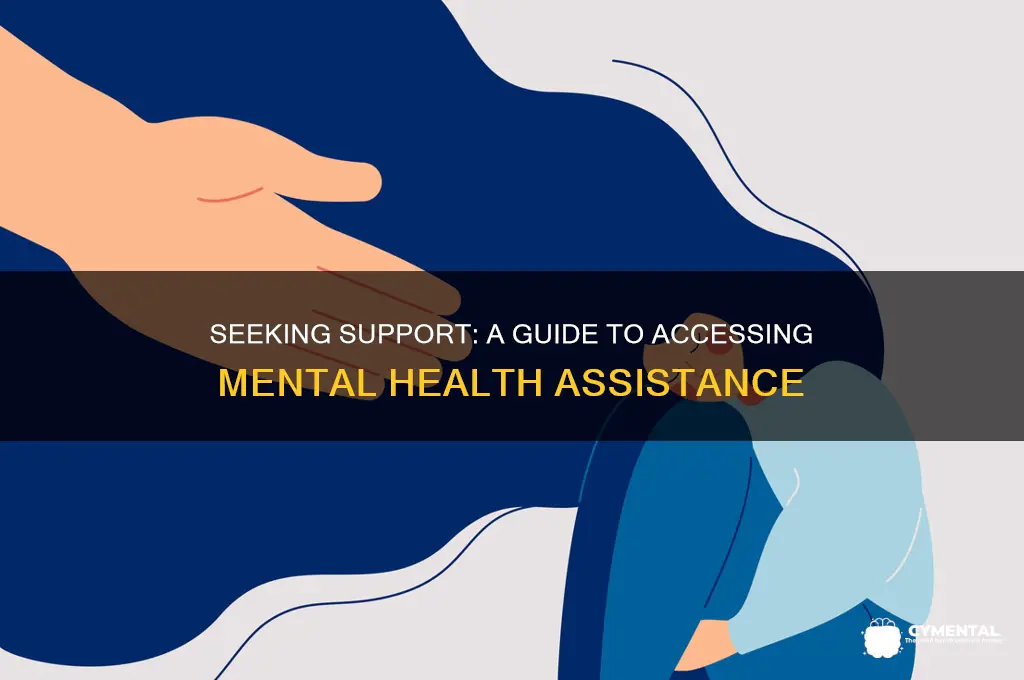
Seeking help for mental health is a courageous and essential step toward well-being. Whether you’re experiencing anxiety, depression, stress, or other challenges, numerous resources are available to support you. Start by reaching out to a trusted friend, family member, or healthcare provider to express your concerns. Professional help can be found through therapists, counselors, or psychiatrists, who offer evidence-based treatments like therapy and medication. Many communities also provide support groups, hotlines, and online platforms for immediate assistance. Remember, asking for help is a sign of strength, and taking care of your mental health is just as important as your physical health. You don’t have to face it alone—support is available, and recovery is possible.
| Characteristics | Values |
|---|---|
| Recognize the Need for Help | Acknowledge symptoms like persistent sadness, anxiety, mood swings, or difficulty functioning in daily life. |
| Reach Out to a Primary Care Provider | Schedule an appointment with a doctor for an initial assessment and possible referral to a mental health specialist. |
| Contact a Mental Health Professional | Seek therapists, psychologists, or psychiatrists through online directories, insurance provider lists, or recommendations. |
| Utilize Hotlines and Crisis Services | Call or text crisis hotlines (e.g., 988 Suicide & Crisis Lifeline in the U.S.) for immediate support. |
| Explore Online Therapy Platforms | Use platforms like BetterHelp, Talkspace, or Calmerry for virtual counseling sessions. |
| Join Support Groups | Participate in local or online support groups for specific conditions (e.g., depression, anxiety, PTSD). |
| Check Employee Assistance Programs (EAPs) | Access mental health resources through workplace EAPs if available. |
| Visit Community Mental Health Centers | Locate affordable or sliding-scale mental health services in your area. |
| Consult School or University Counseling Services | Utilize on-campus mental health resources for students. |
| Research Non-Profit Organizations | Organizations like NAMI (National Alliance on Mental Illness) offer resources and support. |
| Consider Medication | Consult a psychiatrist or primary care provider to discuss medication options if needed. |
| Practice Self-Care | Incorporate mindfulness, exercise, healthy eating, and sleep hygiene while seeking professional help. |
| Educate Yourself | Learn about mental health conditions and treatment options through reputable sources like WHO, NIH, or APA. |
| Build a Support Network | Lean on friends, family, or trusted individuals for emotional support. |
| Follow Up Regularly | Maintain consistent appointments and communication with mental health providers. |
Explore related products


What You'll Learn
- Finding a Therapist: Research, ask for referrals, check credentials, and schedule consultations to find the right fit
- Using Hotlines: Access 24/7 crisis hotlines for immediate support and guidance during emergencies
- Online Resources: Explore apps, forums, and websites offering tools, therapy, and community support for mental health
- Support Groups: Join local or virtual groups to connect with others facing similar challenges
- Self-Help Strategies: Practice mindfulness, exercise, journaling, and healthy habits to manage mental health daily

Finding a Therapist: Research, ask for referrals, check credentials, and schedule consultations to find the right fit
Finding the right therapist is akin to finding a good pair of shoes—comfort, fit, and purpose matter. Start with research, using reputable platforms like Psychology Today, GoodTherapy, or the American Psychological Association’s therapist locator. Filter by specialization (e.g., anxiety, trauma, couples therapy), modalities (CBT, DBT, psychodynamic), and practicalities like location or telehealth options. Look for profiles that resonate with your needs—some therapists offer detailed bios, treatment philosophies, or even introductory videos to help you gauge compatibility before reaching out.
Referrals are another powerful tool, often overlooked in the digital age. Ask your primary care physician, friends, or family for recommendations, but remember: what works for one person may not work for another. For instance, a therapist skilled in treating PTSD might not be the best fit for someone seeking help with career burnout. If you’re part of a specific community (LGBTQ+, veterans, religious groups), seek referrals from organizations tailored to those identities. A referral from a trusted source can save time and provide a layer of reassurance about the therapist’s competence.
Credentials are non-negotiable. Verify the therapist’s license through your state’s licensing board to ensure they’re qualified and in good standing. Look for designations like Licensed Clinical Social Worker (LCSW), Licensed Professional Counselor (LPC), or Psychologist (PhD/PsyD). Be wary of titles like “life coach” or “counselor” without proper licensing, as these don’t guarantee clinical training. Additionally, check for specialized certifications (e.g., EMDR for trauma) if you have specific needs. A therapist’s education and experience should align with the issues you’re addressing.
Consultations are your trial run—use them wisely. Many therapists offer free 15–20-minute calls to discuss their approach, fees, and whether they’re accepting new clients. Prepare questions like: *“How do you measure progress?”* or *“How do you handle crises outside of sessions?”* Pay attention to how they communicate—do they listen actively, or do they dominate the conversation? Trust your gut; if something feels off, it’s okay to move on. Aim to consult with 2–3 therapists before deciding. This process isn’t about perfection but finding someone who respects your goals and makes you feel heard.
Finally, practicalities can make or break the therapeutic relationship. Discuss fees, insurance, and cancellation policies upfront. If cost is a barrier, explore sliding-scale options, community mental health centers, or training clinics at universities. Consider logistics like session frequency (weekly vs. biweekly) and duration (45–60 minutes). Remember, therapy is a commitment, not a quick fix. Finding the right therapist might take time, but the effort pays off in a partnership that supports your mental health journey effectively.
Mastering Mental Math: How Estimation Simplifies Product Calculations
You may want to see also
Explore related products


Using Hotlines: Access 24/7 crisis hotlines for immediate support and guidance during emergencies
In moments of acute distress, when emotions feel overwhelming or thoughts turn dark, crisis hotlines serve as a lifeline. These 24/7 services, staffed by trained professionals, provide immediate support, guidance, and a safe space to express what feels unbearable. Unlike therapy or medication, hotlines offer instant access to help, making them a critical resource during emergencies. Whether you’re experiencing suicidal thoughts, severe anxiety, or a mental health crisis, a single call can connect you to someone who understands and can help de-escalate the situation.
The process is straightforward: dial the number, and a compassionate voice will guide you through the conversation. For instance, the National Suicide Prevention Lifeline (988 in the U.S.) connects callers to counselors who can provide emotional support, crisis intervention, and referrals to local resources. Similarly, the Crisis Text Line (text HOME to 741741) offers silent support for those who prefer texting over speaking. These services are confidential, free, and available to anyone, regardless of age or background. Practical tips include keeping the numbers saved in your phone or written down for quick access, as clarity of mind can be limited during a crisis.
One common misconception is that hotlines are only for suicidal individuals. In reality, they address a wide range of issues, from panic attacks and self-harm to feelings of isolation or overwhelming stress. For example, the Trevor Project’s lifeline (1-866-488-7386) specializes in supporting LGBTQ+ youth, while the Veterans Crisis Line (press 1 after dialing 988) caters to veterans in distress. This specificity ensures that callers receive tailored assistance, increasing the likelihood of a positive outcome.
While hotlines are invaluable in emergencies, they are not a substitute for long-term care. Think of them as a bridge—a way to stabilize and gain clarity before seeking ongoing treatment like therapy or medication. After using a hotline, consider following up with a mental health professional to address underlying issues. Combining immediate crisis support with sustained care creates a comprehensive approach to mental health management. In the heat of the moment, however, remember this: reaching out is a sign of strength, not weakness, and help is always just a call or text away.
Shiatsu Therapy: A Natural Approach to Mental Health and Wellness
You may want to see also
Explore related products




Online Resources: Explore apps, forums, and websites offering tools, therapy, and community support for mental health
The digital age has transformed mental health support, making it more accessible than ever. A quick search reveals a plethora of online resources, from apps that offer daily mindfulness exercises to forums where individuals share their struggles and triumphs. These platforms provide tools, therapy, and community support, often at a fraction of the cost of traditional methods. For instance, apps like Headspace and Calm have become household names, offering guided meditations and sleep stories that cater to users of all ages, from teenagers dealing with exam stress to adults managing workplace anxiety.
Consider the power of community in mental health recovery. Online forums and social media groups create safe spaces for individuals to connect, share experiences, and offer mutual support. Platforms like Reddit’s r/mentalhealth or 7 Cups, a website that pairs users with trained listeners, demonstrate how anonymity can foster openness. These spaces are particularly valuable for those who feel isolated or stigmatized in their offline lives. However, it’s crucial to approach these communities with caution; not all advice is professional, and moderation quality varies. Always verify information with a healthcare provider when in doubt.
For those seeking structured therapy, teletherapy platforms like BetterHelp and Talkspace connect users with licensed therapists via video, chat, or phone. These services often offer flexibility in scheduling and pricing, making mental health care more convenient for busy individuals or those in remote areas. A typical session lasts 45–50 minutes, mirroring traditional therapy, but users can also send messages between sessions for ongoing support. While these platforms are not a replacement for in-person care for severe conditions, they’re an excellent starting point for mild to moderate concerns.
Lastly, websites like Psychology Today and Mental Health America provide comprehensive directories of mental health professionals, self-assessment tools, and educational resources. For example, Mental Health America’s screening tools allow users to assess symptoms of depression, anxiety, or PTSD in under 10 minutes, offering immediate feedback and local referral options. Such resources empower individuals to take proactive steps toward understanding and addressing their mental health needs. By combining these online tools with professional guidance, users can create a holistic support system tailored to their unique challenges.
Empowering Mental Health: The Role of Social Workers in Healing
You may want to see also
Explore related products


$12.14 $19.99


Support Groups: Join local or virtual groups to connect with others facing similar challenges
Support groups offer a unique form of solace: the understanding that comes from shared experience. Unlike clinical therapy, which focuses on individual diagnosis and treatment, these groups provide a communal space where struggles are normalized and coping strategies are exchanged organically. For instance, a study published in the *Journal of Clinical Psychology* found that participants in anxiety support groups reported a 40% reduction in symptoms after just 12 weeks of consistent attendance. This isn’t about replacing professional help but complementing it with the power of collective empathy.
To join a support group, start by identifying your specific need—whether it’s managing depression, coping with grief, or navigating addiction. Local community centers, hospitals, and mental health organizations often host in-person meetings, typically free or low-cost. Virtual options, accessible via platforms like Zoom or specialized apps like 7 Cups, offer flexibility for those with mobility issues or tight schedules. Most groups meet weekly for 60–90 minutes, though frequency can vary. Pro tip: Attend at least three sessions before deciding if it’s the right fit—it takes time to build trust and rapport.
One common concern is privacy. Reputable groups enforce strict confidentiality rules, ensuring what’s shared stays within the group. However, virtual groups may pose risks if not hosted on secure platforms. Always verify the group’s credentials and read reviews before joining. For example, the Anxiety and Depression Association of America (ADAA) maintains a vetted list of online support groups, reducing the risk of encountering unsafe spaces.
The beauty of support groups lies in their duality: they’re both a mirror and a toolbox. Hearing others articulate feelings you’ve struggled to name can be profoundly validating. Simultaneously, members often share practical strategies—like mindfulness techniques, journaling prompts, or even medication management tips—that can be immediately applied. For instance, a bereavement group might introduce the concept of “grief journaling,” where participants write letters to their lost loved ones as a way to process emotions.
While support groups are not therapy, they fill a critical gap in mental health care by addressing loneliness and isolation. A 2020 survey by Mental Health America found that 61% of respondents felt less alone after joining a support group. This sense of connection can be a lifeline, especially during crises. However, it’s essential to recognize when a group isn’t enough—if symptoms worsen or persist, consult a mental health professional. Think of support groups as one tool in your wellness kit, not the entire toolbox.
Woodworking for Mental Clarity: Crafting Peace and Focus
You may want to see also
Explore related products


Self-Help Strategies: Practice mindfulness, exercise, journaling, and healthy habits to manage mental health daily
Mindfulness isn’t just a buzzword—it’s a scientifically backed tool for rewiring your brain’s response to stress. Studies show that practicing mindfulness for as little as 10 minutes daily can reduce cortisol levels, the hormone linked to anxiety. Start with a simple technique: sit quietly, focus on your breath, and observe thoughts without judgment. Apps like Headspace or Calm offer guided sessions, but even unguided practice can yield benefits. The key is consistency; think of it as mental hygiene, not a quick fix.
Exercise is a natural antidepressant, releasing endorphins that combat feelings of sadness or lethargy. Aim for 30 minutes of moderate activity, like brisk walking or cycling, most days of the week. For those with severe depression or anxiety, even 10-minute increments can make a difference. Pair physical activity with nature—a walk in the park or hike—to amplify mood-boosting effects. Unlike medication, exercise has no side effects, making it a safe, accessible option for all ages, though consult a doctor if you have underlying health conditions.
Journaling isn’t just for teenagers or writers; it’s a structured way to process emotions and track mental health patterns. Dedicate 15 minutes daily to write freely about your thoughts, feelings, or experiences. Research suggests that expressive writing can reduce symptoms of depression and anxiety over time. For added structure, try prompts like “What am I grateful for today?” or “What triggered my stress?” Keep your journal private to encourage honesty, and don’t worry about grammar or coherence—this is for your eyes only.
Healthy habits form the foundation of mental resilience, yet they’re often overlooked in favor of quick solutions. Prioritize 7–9 hours of sleep nightly; poor sleep exacerbates mental health issues. Limit caffeine after 2 p.m. and create a calming bedtime routine. Nutrition matters too: incorporate omega-3-rich foods like salmon or walnuts, which support brain health. Avoid excessive alcohol or sugar, as they can worsen mood swings. Small, consistent changes in these areas compound over time, creating a stable base for mental well-being.
Combining these strategies creates a holistic approach to daily mental health management. Mindfulness calms the mind, exercise strengthens the body, journaling clarifies emotions, and healthy habits sustain progress. None of these practices require a therapist or prescription, making them immediately actionable. However, they’re not replacements for professional help in severe cases—think of them as tools in your self-care toolkit. Start with one strategy, master it, then layer others in. Over time, these habits can transform how you navigate life’s challenges.
Ohio Mental Health Crisis: Strategies to Encourage Treatment for the Unwilling
You may want to see also
Frequently asked questions
If you’re experiencing persistent feelings of sadness, anxiety, or stress that interfere with your daily life, relationships, or work, it may be time to seek help. Other signs include changes in sleep or appetite, difficulty concentrating, or thoughts of self-harm. Trust your instincts—if something feels off, reaching out for support is a positive step.
Many community health centers, nonprofits, and online platforms offer low-cost or sliding-scale therapy options. Websites like Psychology Today, Open Path Collective, or government resources like SAMHSA’s treatment locator can help you find affordable care. Some employers also provide Employee Assistance Programs (EAPs) for free counseling sessions.
Your first session is typically an opportunity for the therapist to understand your concerns and for you to assess if they’re a good fit. Expect to discuss your background, current challenges, and goals for therapy. It’s normal to feel nervous, but remember the therapist is there to support you, not judge you.
Listen without judgment, validate their feelings, and encourage them to seek professional help if needed. Offer to help them find resources or accompany them to appointments if they’re comfortable. Be patient and remind them they’re not alone, but also take care of your own mental health while supporting them.