Noah Parker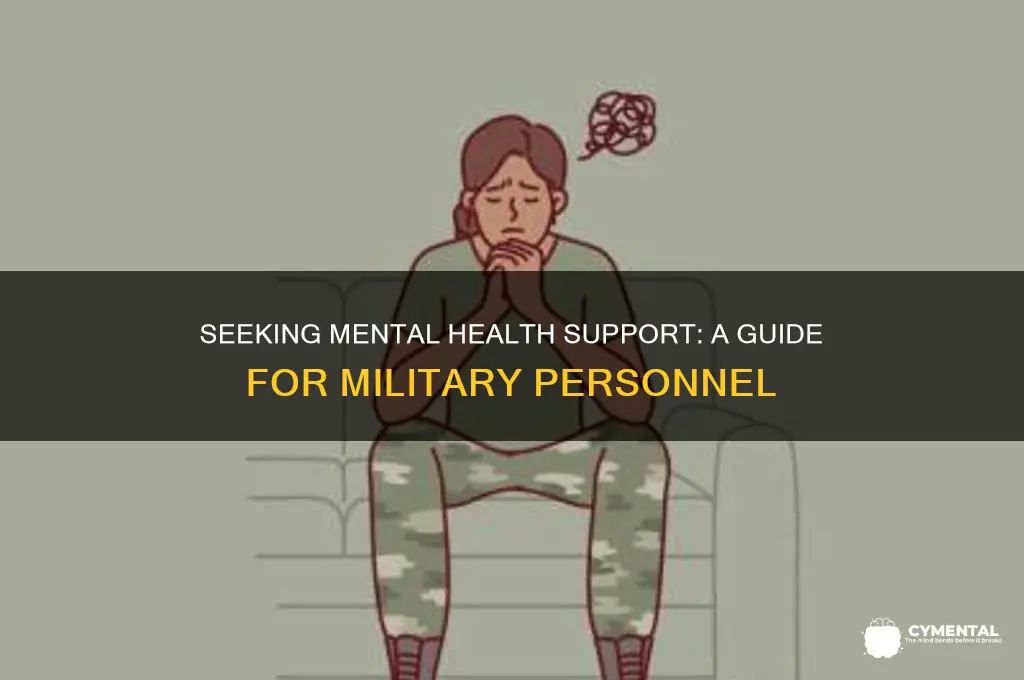
Seeking mental health support in the military is a critical yet often challenging endeavor, as service members face unique stressors such as combat exposure, deployment, and the demands of military culture. Fortunately, the military provides a range of resources to address mental health concerns, including embedded behavioral health teams, Military OneSource, and the Veterans Crisis Line. Service members can access confidential counseling through TRICARE, the military’s healthcare program, and many installations offer on-site mental health clinics. Additionally, programs like the Psychological Health Resource Center and the Real Warriors Campaign aim to reduce stigma and encourage help-seeking behaviors. It’s essential for service members to know that reaching out for support is a sign of strength and resilience, and these resources are designed to ensure they receive the care they need to thrive both in and out of uniform.
| Characteristics | Values |
|---|---|
| Available Resources | Military OneSource, TRICARE, Military Treatment Facilities (MTFs), Veterans Affairs (VA) |
| Confidentiality | Protected under federal law; limited exceptions for safety concerns |
| Access to Care | In-person, telehealth, and virtual counseling options |
| Cost | Free or low-cost for active-duty service members and eligible dependents |
| Types of Mental Health Services | Individual therapy, group therapy, psychiatric care, crisis intervention |
| Emergency Support | Military Crisis Line (988, then press 1), local emergency services |
| Peer Support Programs | Unit-based peer support, veteran peer support networks |
| Specialized Programs | PTSD treatment, substance abuse counseling, suicide prevention initiatives |
| Referral Process | Self-referral, command referral, or through a healthcare provider |
| Stigma Reduction Efforts | Campaigns like "Real Warriors" and "Be There" to encourage seeking help |
| Transition Assistance | VA mental health services for transitioning service members |
| Family Support | Counseling and resources for military families through Military OneSource |
| Training Programs | Mental health first aid training for service members and families |
| Follow-Up Care | Ongoing treatment plans and regular check-ins |
| Eligibility | Active-duty, National Guard, Reserves, retirees, and eligible dependents |
Explore related products


What You'll Learn
- Recognizing Mental Health Issues: Learn signs of stress, anxiety, depression, PTSD, and other common mental health challenges
- Accessing Military Resources: Utilize TRICARE, Military OneSource, and unit chaplains for mental health support
- Confidentiality Concerns: Understand privacy policies when seeking mental health care within the military system
- Peer Support Programs: Engage with battle buddies or unit-based support groups for shared experiences
- Crisis Hotlines & Emergency Help: Know how to contact the Veterans Crisis Line or on-base emergency services

Recognizing Mental Health Issues: Learn signs of stress, anxiety, depression, PTSD, and other common mental health challenges
Military service members often face unique stressors that can manifest in various mental health challenges. Recognizing these signs early is crucial for timely intervention. Stress, for instance, may present as irritability, difficulty sleeping, or increased use of substances like caffeine or alcohol. While stress is a normal response to demanding situations, chronic stress can lead to more severe conditions such as anxiety or depression. Monitoring these symptoms and understanding their context—whether related to deployment, training, or personal life—can help differentiate between temporary reactions and persistent issues requiring professional attention.
Anxiety disorders in the military often go unnoticed due to the culture of resilience and stoicism. Physical symptoms like rapid heartbeat, sweating, or gastrointestinal distress may be dismissed as side effects of rigorous training. However, when these symptoms persist and interfere with daily functioning, they could indicate generalized anxiety disorder or panic attacks. Cognitive signs, such as excessive worry about performance or safety, should also raise concern. Service members can use self-assessment tools like the Generalized Anxiety Disorder-7 (GAD-7) questionnaire to gauge their symptoms, though a mental health professional should interpret the results.
Depression in military personnel can be subtle, masked by a facade of strength or attributed to fatigue. Key indicators include persistent sadness, loss of interest in previously enjoyed activities, and changes in appetite or weight. Sleep disturbances—either insomnia or oversleeping—are particularly common. A lesser-known sign is unexplained physical pain, such as headaches or backaches, which may accompany emotional symptoms. Screening tools like the Patient Health Questionnaire-9 (PHQ-9) can help identify depressive symptoms, but peer support and open communication are equally vital in encouraging individuals to seek help.
Post-Traumatic Stress Disorder (PTSD) is perhaps the most recognized mental health issue among veterans, yet its symptoms are often misunderstood. Beyond flashbacks and nightmares, PTSD can manifest as hypervigilance, emotional numbness, or avoidance of reminders related to the trauma. For example, a service member might avoid driving after experiencing a roadside bomb incident. The Clinician-Administered PTSD Scale (CAPS-5) is a gold standard diagnostic tool, but peers and supervisors can play a critical role by noticing behavioral changes like increased aggression or withdrawal. Early intervention, such as Cognitive Processing Therapy (CPT) or Prolonged Exposure (PE) therapy, significantly improves outcomes.
Other mental health challenges, such as substance abuse or suicidal ideation, often co-occur with the above conditions. Warning signs of substance abuse include increased tolerance, withdrawal from responsibilities, and failed attempts to quit. Suicidal ideation may be signaled by statements like "I wish I wasn’t here" or giving away prized possessions. The Columbia-Suicide Severity Rating Scale (C-SSRS) is a valuable tool for assessing risk. Practical steps for peers include asking directly about suicidal thoughts (which does not increase risk) and connecting the individual to resources like the Military Crisis Line (988, then press 1). Recognizing these signs and acting swiftly can save lives and foster a culture of support within the military community.
Supporting Loved Ones: A Guide to Mental Health Assistance for Families
You may want to see also
Explore related products


Accessing Military Resources: Utilize TRICARE, Military OneSource, and unit chaplains for mental health support
Military personnel and their families face unique challenges that can impact mental health, from deployment stress to transitioning back to civilian life. Fortunately, the military provides robust resources tailored to these needs. TRICARE, Military OneSource, and unit chaplains are three pillars of support that offer confidential, accessible, and specialized care. Understanding how to leverage these resources can make a significant difference in addressing mental health concerns effectively.
TRICARE, the military’s health care program, is a primary gateway to mental health services. It covers a range of treatments, including therapy, medication, and inpatient care for conditions like PTSD, depression, and anxiety. Active-duty members can access care through military treatment facilities or TRICARE-authorized providers. For retirees and family members, TRICARE offers plans like Select and Prime, ensuring continuity of care. A practical tip: use the TRICARE website to verify coverage for specific treatments and find providers in your area. Remember, seeking help through TRICARE is a sign of strength, not weakness, and it’s designed to support your readiness and well-being.
While TRICARE focuses on clinical care, Military OneSource provides non-medical support that complements mental health treatment. This free service offers confidential counseling, financial advice, and resources for managing stress and relationships. For example, Military OneSource provides up to 12 free counseling sessions per issue per person, covering topics like grief, anger management, and marital challenges. Their 24/7 call center (1-800-342-9647) connects individuals with specialists who understand military life. This resource is particularly valuable for addressing everyday stressors before they escalate into more serious mental health issues.
Unit chaplains serve as another vital resource, offering spiritual and emotional support regardless of religious affiliation. Chaplains are trained to provide counseling, crisis intervention, and a listening ear in a non-judgmental setting. They can also connect service members with additional resources, both within and outside the military. Unlike clinical providers, chaplains often have greater flexibility in how and where they meet with individuals, making them an accessible option for those hesitant to seek formal care. Their role is unique in that they bridge the gap between personal struggles and the military’s mission, helping individuals find meaning and resilience in their experiences.
To maximize these resources, start by assessing your needs: Are you seeking clinical treatment, practical support, or emotional guidance? For clinical care, TRICARE is your first stop. For non-medical assistance, Military OneSource offers immediate, specialized help. If you prefer a more personal or spiritual approach, reach out to your unit chaplain. Combining these resources can create a comprehensive support network. For instance, a service member might use TRICARE for PTSD therapy, Military OneSource for financial counseling to reduce stress, and a chaplain for moral support during challenging times. By understanding and utilizing these resources, military personnel and their families can navigate mental health challenges with confidence and resilience.
Basil's Mental Health Benefits: Exploring Nature's Calming Herb
You may want to see also
Explore related products


Confidentiality Concerns: Understand privacy policies when seeking mental health care within the military system
Military personnel often hesitate to seek mental health care due to fears that their private struggles will become public knowledge. Understanding the confidentiality policies within the military healthcare system is crucial to dispelling these concerns and encouraging service members to access the support they need. The Military Health System (MHS) has established clear guidelines to protect patient privacy, but these policies are not always widely understood. For instance, under the Health Insurance Portability and Accountability Act (HIPAA) and Department of Defense (DoD) regulations, mental health records are treated with the same confidentiality as any other medical records. However, there are exceptions, such as when a service member poses an imminent threat to themselves or others, which may require disclosure to command or law enforcement.
One practical step for service members is to familiarize themselves with the specific privacy policies of their branch’s healthcare provider, such as TRICARE or military treatment facilities. For example, TRICARE’s privacy notice outlines how personal health information is used and disclosed, emphasizing that routine treatment does not automatically notify command. Service members should also ask their mental health provider about the limits of confidentiality during their first session. Providers are ethically and legally obligated to explain these boundaries, ensuring patients understand when and why information might be shared. This transparency can alleviate anxiety and build trust in the therapeutic relationship.
A common misconception is that seeking mental health care will automatically impact a service member’s career or security clearance. While certain diagnoses or treatment plans may require reporting, many routine mental health services remain confidential. For instance, counseling for stress, anxiety, or relationship issues typically falls under protected privacy unless it involves duty-related limitations. Service members can proactively protect their privacy by discussing their concerns with their provider and asking how their information will be handled. Additionally, utilizing embedded behavioral health services within units can sometimes offer greater confidentiality, as these providers are often integrated into the team and understand the operational context.
Comparing military mental health confidentiality to civilian systems highlights both similarities and unique challenges. In civilian care, HIPAA ensures privacy, but military policies must balance individual rights with mission readiness. For example, a civilian therapist might not disclose a patient’s suicidal ideation unless there’s an immediate risk, whereas a military provider may involve command to ensure safety and duty fitness. This difference underscores the importance of service members knowing their rights and the system’s obligations. By understanding these nuances, individuals can make informed decisions about seeking care without fearing unintended consequences.
Finally, service members should leverage available resources to navigate confidentiality concerns. Military OneSource, for instance, offers confidential non-medical counseling services that are separate from military medical records. Similarly, the DoD’s Psychological Health Resource Center provides anonymous support and information about mental health services. Taking advantage of these resources can help individuals address their mental health needs while minimizing privacy risks. Ultimately, being informed about confidentiality policies empowers service members to prioritize their well-being without hesitation, ensuring they remain mission-ready and resilient.
Nurturing Your Mind: Practical Strategies for Mental Self-Care and Resilience
You may want to see also
Explore related products






Peer Support Programs: Engage with battle buddies or unit-based support groups for shared experiences
Military life often isolates service members, making it difficult to express vulnerability or seek help. Peer Support Programs bridge this gap by leveraging the power of shared experience. Unlike formal therapy, these programs connect individuals with battle buddies or unit members who understand the unique challenges of military service. This camaraderie fosters trust, reduces stigma, and creates a safe space to discuss struggles openly.
Research shows that peer support significantly improves mental health outcomes for veterans and active-duty personnel. A 2019 study published in the *Journal of Military and Veterans' Health* found that participants in peer support groups reported reduced symptoms of PTSD, depression, and anxiety. The shared language and experiences within these groups allow for deeper understanding and more effective coping strategies.
Implementing a Peer Support Program within your unit involves several key steps. First, identify potential peer supporters – individuals who are respected, empathetic, and willing to undergo training. Organizations like the Department of Veterans Affairs and Military OneSource offer specialized training programs for peer supporters. Second, establish clear guidelines for confidentiality and boundaries. While peer supporters provide emotional support, they are not therapists and should refer individuals to professional help when necessary. Finally, create regular meeting times and safe spaces for group discussions. This could be a designated room on base, a virtual meeting platform, or even a casual gathering during downtime.
Remember, Peer Support Programs are not a replacement for professional mental health care. They are a valuable complement, offering a unique form of support rooted in shared experience and understanding. By fostering connections and breaking down barriers, these programs empower service members to support each other and build resilience in the face of adversity.
Wealth's Mental Benefits: How Money Positively Impacts Human Well-being
You may want to see also
Explore related products



Crisis Hotlines & Emergency Help: Know how to contact the Veterans Crisis Line or on-base emergency services
In moments of crisis, every second counts. The Veterans Crisis Line (1-800-273-8255, Press 1) is a lifeline available 24/7, offering confidential support for veterans, service members, and their families. This line connects you to trained responders who can provide immediate assistance, whether you’re struggling with suicidal thoughts, emotional distress, or simply need someone to talk to. Knowing this number—and having it saved in your phone or written down—can be the difference between despair and hope.
On-base emergency services are another critical resource, tailored to the unique needs of military personnel. If you’re on a military installation, contact your local Military Police (MP) or security forces immediately by dialing 911 or the base emergency number, typically found on ID cards or posted in barracks and offices. These teams are trained to handle mental health emergencies alongside physical threats, ensuring you receive the right kind of help swiftly. Unlike civilian services, they understand military culture and can coordinate with on-base medical providers for seamless care.
Comparing the two options, the Veterans Crisis Line is ideal for those seeking immediate, anonymous support, while on-base services are best for situations requiring in-person intervention or integration with existing military healthcare systems. For instance, if you’re experiencing a panic attack but feel safe enough to wait for an appointment, the Crisis Line can de-escalate the situation. However, if you’re in immediate danger or need medical attention, on-base emergency services are the faster, more direct route to comprehensive care.
Practical tips: Save the Veterans Crisis Line number in your phone under a discreet label (e.g., “VCL”) if privacy is a concern. Keep a physical copy of both the Crisis Line and base emergency numbers in your wallet or by your bedside. For families, ensure all members know how to access these resources, especially children old enough to dial a phone (typically ages 5 and up). Finally, don’t hesitate to use these services—they exist to support you, and reaching out is a sign of strength, not weakness.
Enriching Lives: How Zoos Support Animal Mental Well-Being
You may want to see also
Frequently asked questions
Active-duty service members can access mental health care through their installation’s Military Treatment Facility (MTF) or TRICARE network providers. Contact your unit’s behavioral health clinic, primary care manager, or the Military OneSource hotline (1-800-342-9647) for assistance.
Mental health visits are generally confidential, but there are exceptions for safety concerns, such as risk of harm to self or others. Routine care is protected under privacy laws, but command notification may occur in specific situations. Discuss confidentiality with your provider for clarity.
Veterans can access mental health care through the VA (Veterans Affairs) system, including counseling, therapy, and crisis support. Call the Veterans Crisis Line at 988 (then press 1), or visit a local VA medical center. Non-VA resources like Vet Centers and community providers are also available.