Caleb Wright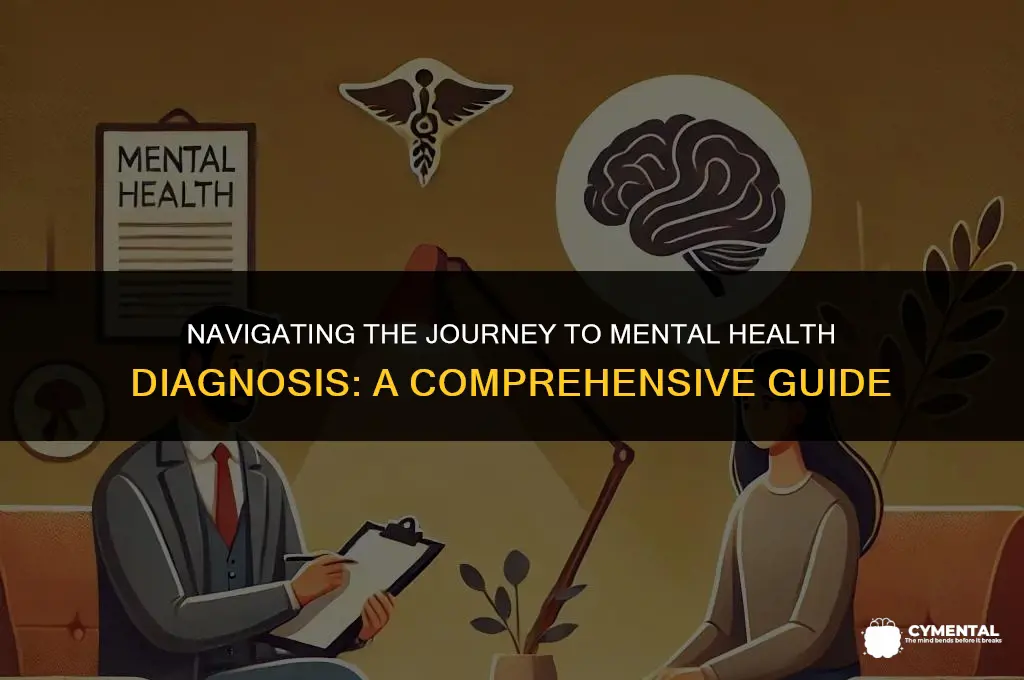
Seeking a mental health diagnosis is a crucial step towards understanding and addressing your psychological well-being. The process typically begins with recognizing symptoms that interfere with daily life, such as persistent sadness, anxiety, or behavioral changes. Consulting a mental health professional, like a psychologist or psychiatrist, is essential for an accurate diagnosis. They will conduct a thorough evaluation, which may include interviews, questionnaires, and sometimes input from family or friends. This collaborative approach helps to identify patterns and underlying causes of your symptoms. Based on the findings, the professional will refer to diagnostic manuals, such as the DSM-5, to determine the most appropriate diagnosis. Remember, a diagnosis is not a label but a tool to guide effective treatment and support.
| Characteristics | Values |
|---|---|
| Process | Self-assessment, consultation with a mental health professional, psychological evaluations, medical tests |
| Duration | Varies, typically several sessions over a few weeks to months |
| Cost | Depends on insurance coverage, location, and type of professional |
| Confidentiality | Protected by HIPAA and other privacy laws |
| Outcome | Diagnosis, treatment plan, referrals to specialists |
| Preparation | Gather personal history, symptoms, concerns, questions for the professional |
| Follow-up | Regular check-ins, adjustments to treatment plan as needed |
Explore related products


What You'll Learn
- Recognizing Symptoms: Identify common signs of mental health issues, such as persistent sadness or anxiety
- Seeking Professional Help: Find a qualified mental health professional, like a psychologist or psychiatrist, for evaluation
- Initial Consultation: Discuss symptoms and concerns openly during the first appointment to aid diagnosis
- Diagnostic Tests: Undergo assessments or questionnaires that help pinpoint specific mental health conditions
- Treatment Planning: Collaborate with the healthcare provider to develop a personalized treatment plan post-diagnosis

Recognizing Symptoms: Identify common signs of mental health issues, such as persistent sadness or anxiety
Recognizing symptoms of mental health issues is crucial for timely intervention and support. Persistent sadness or anxiety are common indicators that something may be amiss. These emotions can manifest in various ways, such as frequent crying spells, irritability, or a general sense of unease that doesn't seem to go away. It's important to note that everyone experiences sadness and anxiety from time to time, but when these feelings become overwhelming or interfere with daily life, they may be signs of a larger problem.
In addition to persistent sadness or anxiety, other common symptoms of mental health issues include changes in appetite or sleep patterns, difficulty concentrating, and feelings of worthlessness or guilt. Physical symptoms like headaches or stomachaches can also be present. These symptoms can vary in intensity and may come and go, but if they persist for an extended period, it's a good idea to seek professional help.
One way to identify symptoms is to pay attention to how you're feeling and behaving over time. Keeping a journal or mood tracker can be helpful in recognizing patterns and changes in your mental state. It's also important to consider how your symptoms may be impacting your relationships, work, or school life. If you're noticing that your symptoms are causing problems in these areas, it may be time to seek help.
If you're concerned about your mental health, it's important to reach out to a healthcare professional. They can provide a proper diagnosis and recommend appropriate treatment options. In the meantime, there are things you can do to help manage your symptoms, such as practicing self-care, engaging in physical activity, and connecting with supportive friends and family members. Remember, recognizing symptoms is the first step towards getting the help you need.
Navigating the Process: How to Get a Mental Evaluation on Someone
You may want to see also
Seeking Professional Help: Find a qualified mental health professional, like a psychologist or psychiatrist, for evaluation
Finding a qualified mental health professional is a crucial step in the process of getting a mental diagnosis. A psychologist or psychiatrist can provide a thorough evaluation, taking into account your symptoms, medical history, and personal circumstances. This evaluation may involve interviews, questionnaires, and sometimes psychological testing to determine the most accurate diagnosis.
When seeking professional help, it's important to find someone who is licensed and experienced in diagnosing mental health conditions. You can start by asking your primary care physician for a referral or by contacting your insurance provider to see if they have a list of approved mental health professionals. Additionally, you can reach out to local mental health organizations or online directories for recommendations.
During your initial consultation, be prepared to discuss your symptoms in detail, including when they started, how they affect your daily life, and any other relevant information. The mental health professional will likely ask you questions about your personal and family history, as well as any previous treatments you've received. They may also perform a physical exam to rule out any underlying medical conditions that could be contributing to your symptoms.
After the evaluation, the mental health professional will discuss their findings with you and recommend a course of treatment. This may include therapy, medication, or a combination of both. It's important to follow their recommendations and to be open and honest about your experiences and concerns throughout the process.
Remember, seeking professional help is a sign of strength, not weakness. By finding a qualified mental health professional, you're taking an important step towards understanding and managing your mental health.
Liberating Your Thoughts: Strategies to Redirect Your Mind
You may want to see also
Initial Consultation: Discuss symptoms and concerns openly during the first appointment to aid diagnosis
During the initial consultation, it is crucial to discuss symptoms and concerns openly to aid in an accurate mental health diagnosis. This first appointment sets the foundation for understanding your mental health needs and developing an effective treatment plan. Being honest and detailed about your experiences, including the frequency and severity of symptoms, can significantly impact the diagnostic process. Mental health professionals rely on this information to identify patterns, rule out other conditions, and determine the most appropriate interventions.
To make the most of this consultation, prepare ahead of time by keeping a journal of your symptoms, noting any triggers or patterns you observe. This can help you articulate your experiences more clearly during the appointment. Additionally, consider bringing a list of questions or concerns to ensure all relevant topics are covered. It is also beneficial to be aware of any family history of mental health conditions, as this information can be pertinent to your diagnosis.
During the consultation, the mental health professional may use various diagnostic tools, such as questionnaires or interviews, to gather more information. They may also perform a physical examination or order lab tests to rule out underlying medical conditions that could be contributing to your symptoms. It is essential to be patient and cooperative during this process, as a thorough evaluation is necessary for an accurate diagnosis.
After the consultation, the mental health professional will likely discuss their findings with you and outline a proposed treatment plan. This plan may include therapy, medication, lifestyle changes, or a combination of these approaches. It is important to ask questions and express any concerns you may have about the proposed treatment to ensure you are comfortable and informed about the next steps.
In conclusion, the initial consultation is a critical step in the mental health diagnostic process. By being open, prepared, and engaged, you can help ensure an accurate diagnosis and effective treatment plan. Remember, mental health professionals are trained to support and guide you through this process, so do not hesitate to seek help and take the first step towards improved mental well-being.
Exploring the Complex Relationship Between Mental Health and Aging
You may want to see also
Diagnostic Tests: Undergo assessments or questionnaires that help pinpoint specific mental health conditions
Mental health diagnostic tests are specialized tools used by healthcare professionals to evaluate and identify specific mental health conditions. These assessments can include questionnaires, interviews, and observational evaluations. The process typically begins with a thorough review of the individual's medical history, followed by the administration of standardized tests designed to measure various aspects of mental functioning.
One common type of diagnostic test is the psychological assessment, which may involve completing forms or questionnaires that ask about symptoms, behaviors, and personal experiences. These can be self-report measures, where the individual answers questions about their own feelings and behaviors, or observer-rated measures, where a clinician or other observer provides the responses based on their observations of the individual.
Another type of diagnostic test is the neuropsychological assessment, which evaluates cognitive functions such as memory, attention, and problem-solving abilities. These tests can help identify conditions like ADHD, dementia, or traumatic brain injury. Neuropsychological assessments often involve a combination of paper-and-pencil tests, computer-based tasks, and interviews.
In addition to these formal assessments, clinicians may also use informal diagnostic methods, such as clinical interviews and behavioral observations, to gather more information about the individual's mental health. These methods can provide valuable insights into the person's symptoms, coping mechanisms, and overall functioning.
It is important to note that diagnostic tests are not a one-size-fits-all approach. The specific tests used will vary depending on the individual's presenting symptoms, medical history, and the clinician's suspicions about the underlying condition. Furthermore, diagnostic tests are not infallible, and results should be interpreted in conjunction with other clinical information.
Overall, diagnostic tests play a crucial role in the mental health diagnosis process. They provide objective data that can help clinicians make more accurate diagnoses and develop effective treatment plans. If you are seeking a mental health diagnosis, it is important to work with a qualified healthcare professional who can administer and interpret these tests in a comprehensive and compassionate manner.
Overcoming Mental Hurdles in Tumbling: A Guide to Unblock Your Potential
You may want to see also
Treatment Planning: Collaborate with the healthcare provider to develop a personalized treatment plan post-diagnosis
After receiving a mental health diagnosis, the next crucial step is to collaborate with your healthcare provider to develop a personalized treatment plan. This plan will serve as a roadmap for your recovery, outlining specific strategies and interventions tailored to your unique needs and circumstances.
The treatment planning process typically involves a thorough discussion with your provider about your symptoms, goals, and preferences. Be prepared to share your thoughts and feelings openly, as this will help your provider understand your perspective and create a plan that aligns with your values and priorities. You may also want to bring a list of questions or concerns to the appointment to ensure that all of your needs are addressed.
Your healthcare provider will likely recommend a combination of treatments, which may include medication, therapy, lifestyle changes, or other interventions. It's important to ask about the potential benefits and risks of each treatment option, as well as any possible side effects or interactions with other medications you may be taking. This will help you make informed decisions about your care and ensure that you are comfortable with the proposed plan.
Once you have agreed on a treatment plan with your provider, it's essential to follow through with the recommended interventions and attend all scheduled appointments. Consistency and commitment are key to achieving positive outcomes in mental health treatment. Additionally, be sure to communicate openly with your provider about any changes in your symptoms or any concerns you may have throughout the treatment process.
Remember that treatment planning is a collaborative effort, and you have an active role in shaping your own recovery. By working closely with your healthcare provider and staying engaged in the treatment process, you can increase the likelihood of achieving your goals and improving your overall mental health and well-being.
Navigating Mental Health in the Workplace: Understanding Your Rights
You may want to see also
Frequently asked questions
The first step in getting a mental health diagnosis is to consult with a healthcare professional, such as a primary care physician or a mental health specialist. They will conduct an initial evaluation and may refer you to a psychiatrist or psychologist for further assessment.
Mental health conditions can be diagnosed by various professionals, including psychiatrists, psychologists, licensed clinical social workers, and licensed professional counselors. Psychiatrists are medical doctors who can prescribe medication, while psychologists and other therapists provide talk therapy and counseling.
Common methods used to diagnose mental health conditions include clinical interviews, psychological assessments, and questionnaires. Healthcare professionals will ask about your symptoms, medical history, and family history to gather information for a diagnosis. They may also use standardized tests and rating scales to assess your mental health status.