Madison Cole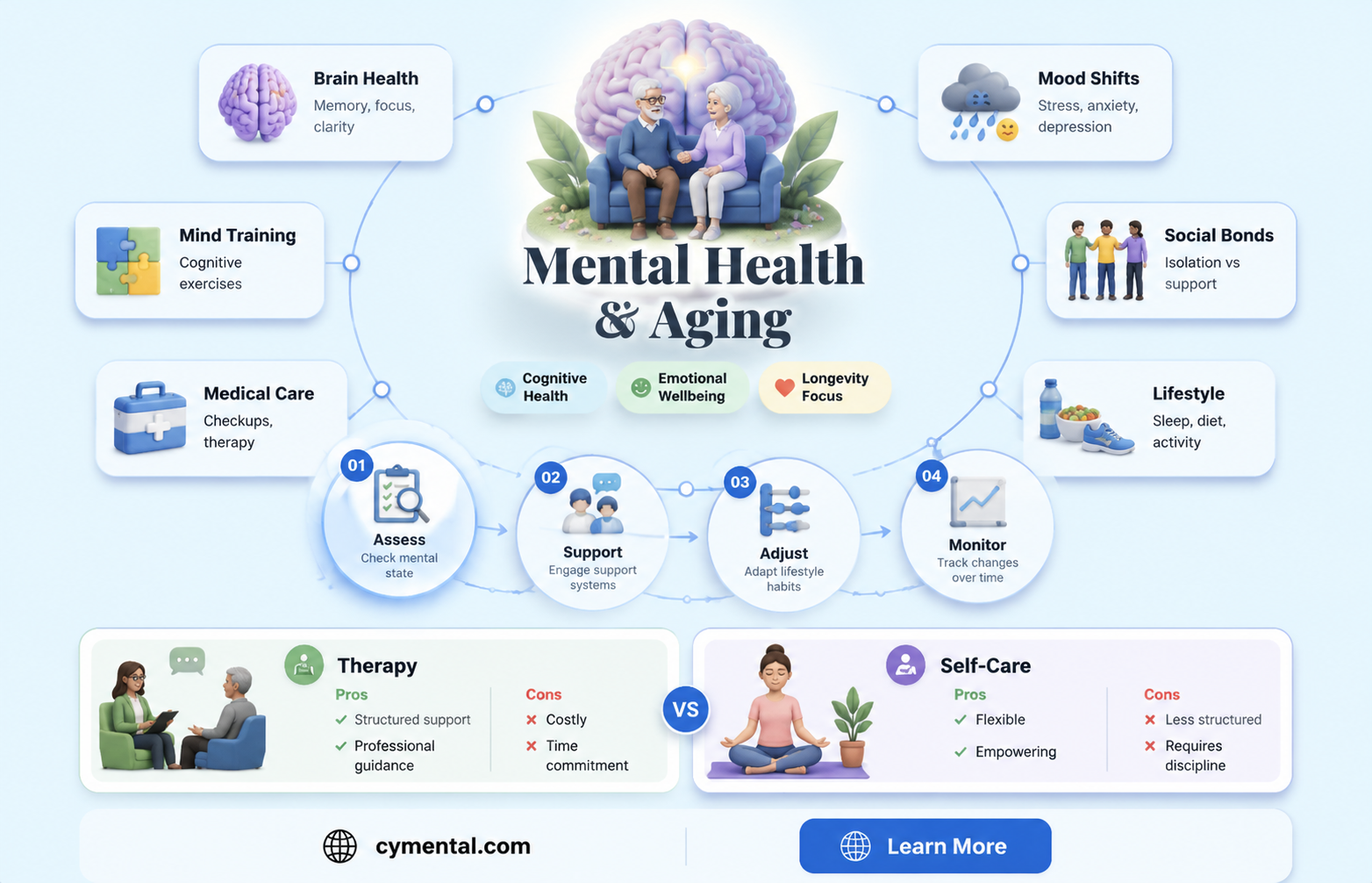
Mental illness is a complex and multifaceted issue that affects individuals of all ages. While some mental health conditions may improve with age due to increased life experience and coping mechanisms, others may worsen or emerge later in life. Factors such as genetics, lifestyle, and environmental stressors play a significant role in the progression of mental illness. As people age, they may face additional challenges such as retirement, loss of loved ones, and physical health decline, which can exacerbate existing mental health issues or trigger new ones. Understanding the relationship between mental illness and aging is crucial for developing effective prevention and treatment strategies.
| Characteristics | Values |
|---|---|
| Onset Timing | Can occur at any age, but often emerges in late adolescence or early adulthood |
| Progression | Symptoms may worsen over time if left untreated |
| Treatment Efficacy | Early intervention and consistent treatment can improve outcomes and slow progression |
| Lifestyle Impact | Can affect daily functioning, relationships, and overall quality of life |
| Comorbidity | Often co-occurs with other mental health conditions or physical illnesses |
| Genetic Influence | Some mental illnesses have a genetic component that may be more pronounced with age |
| Environmental Factors | Life experiences and environmental stressors can contribute to the development or worsening of symptoms |
| Neurodegenerative Changes | Age-related changes in the brain may exacerbate certain mental health conditions |
| Access to Care | Older adults may face barriers in accessing mental health care, leading to undertreatment |
| Stigma and Awareness | Stigma surrounding mental illness can be more pronounced in older generations, affecting willingness to seek help |
Explore related products


What You'll Learn
- Genetic Predisposition: Explore if genetic factors influence the progression of mental illness as individuals age
- Environmental Factors: Discuss how life experiences and environmental stressors might impact mental health over time
- Neurodegenerative Changes: Examine if age-related brain changes contribute to the worsening of mental illness symptoms
- Treatment Efficacy: Investigate whether treatment options for mental illness become less effective as patients grow older
- Comorbid Health Conditions: Analyze the role of age-related physical health issues in exacerbating mental illness

Genetic Predisposition: Explore if genetic factors influence the progression of mental illness as individuals age
Genetic factors play a significant role in the development and progression of mental illness. Research has shown that certain genetic variations can increase the risk of developing mental health conditions such as schizophrenia, bipolar disorder, and major depressive disorder. As individuals age, these genetic predispositions can influence the severity and course of their mental illness.
One way in which genetic factors can impact the progression of mental illness is through the interaction between genes and the environment. For example, a person with a genetic predisposition to depression may be more susceptible to the effects of stress or trauma, which can trigger or exacerbate depressive symptoms. Additionally, genetic variations can affect the response to treatment, with some individuals being more likely to benefit from certain medications or therapies based on their genetic makeup.
Age-related changes in gene expression may also contribute to the worsening of mental illness symptoms. As people age, their brains undergo natural changes that can affect the regulation of genes involved in mental health. This can lead to alterations in neurotransmitter function, synaptic plasticity, and other biological processes that are critical for maintaining mental well-being.
Furthermore, genetic factors can influence the risk of developing comorbid conditions, which can complicate the management of mental illness. For instance, individuals with a genetic predisposition to schizophrenia may also be at increased risk of developing substance use disorders or other psychiatric conditions, which can worsen the overall prognosis.
In conclusion, genetic predisposition is a complex and multifaceted factor that can significantly impact the progression of mental illness as individuals age. Understanding the interplay between genetic and environmental factors, as well as the effects of age-related changes in gene expression, is crucial for developing effective prevention and treatment strategies for mental health conditions.
Feline Mental Health: Understanding and Addressing Behavioral Issues in Cats
You may want to see also
Explore related products


Environmental Factors: Discuss how life experiences and environmental stressors might impact mental health over time
Life experiences and environmental stressors play a significant role in shaping mental health over time. Chronic exposure to adverse conditions, such as poverty, discrimination, or traumatic events, can lead to long-term psychological effects. These stressors can accumulate, leading to a higher risk of mental illness as individuals age. For example, a person who experiences childhood trauma may develop anxiety or depression later in life due to the lasting impact of that trauma on their psychological well-being.
Environmental factors can also influence the severity and progression of mental illness. Stressful life events, such as the loss of a loved one, job instability, or social isolation, can exacerbate existing mental health conditions. Over time, repeated exposure to these stressors can lead to a decline in mental health, making symptoms more pronounced and difficult to manage. This is particularly true for conditions like depression and anxiety, which can worsen with prolonged exposure to negative environmental factors.
Moreover, the impact of environmental stressors on mental health can vary depending on individual resilience and coping mechanisms. Some people may be more susceptible to the negative effects of stress due to genetic predispositions or early life experiences. Others may have developed effective coping strategies that help mitigate the impact of environmental stressors on their mental health. Understanding these individual differences is crucial for developing targeted interventions that address the root causes of mental illness.
In addition to chronic stressors, acute environmental factors can also contribute to the development or worsening of mental health issues. For instance, exposure to natural disasters, such as hurricanes or earthquakes, can lead to post-traumatic stress disorder (PTSD) or other anxiety disorders. Similarly, the COVID-19 pandemic has highlighted the impact of widespread health crises on mental health, with many individuals experiencing increased levels of stress, anxiety, and depression due to the uncertainty and isolation associated with the pandemic.
Addressing environmental factors is essential for promoting mental health and preventing the progression of mental illness. This can involve implementing policies that reduce social and economic inequalities, providing access to mental health services, and promoting community-based interventions that foster resilience and social support. By taking a proactive approach to addressing environmental stressors, we can help mitigate their negative impact on mental health and improve overall well-being.
Navigating the Complex Process: Helping Mentally Ill Individuals Leave Jail
You may want to see also
Explore related products


Neurodegenerative Changes: Examine if age-related brain changes contribute to the worsening of mental illness symptoms
As we age, our brains undergo a series of changes that can impact our mental health. Neurodegenerative changes, in particular, have been linked to the worsening of mental illness symptoms. These changes can include the loss of neurons, the accumulation of abnormal proteins, and the disruption of neural circuits. While these changes are a natural part of aging, they can exacerbate existing mental health conditions and lead to the development of new ones.
One of the most well-known neurodegenerative changes associated with aging is the loss of neurons. This process, known as neurodegeneration, can lead to a decline in cognitive function and an increased risk of mental illness. For example, studies have shown that individuals with Alzheimer's disease, a neurodegenerative disorder characterized by memory loss and cognitive decline, are more likely to experience symptoms of depression and anxiety.
Another neurodegenerative change that can contribute to the worsening of mental illness symptoms is the accumulation of abnormal proteins in the brain. These proteins, known as amyloid plaques and tau tangles, are associated with Alzheimer's disease and other forms of dementia. Research has shown that the presence of these proteins can lead to inflammation and oxidative stress, which can further exacerbate mental health symptoms.
In addition to neuron loss and protein accumulation, age-related changes in neural circuits can also impact mental health. Neural circuits are the pathways through which neurons communicate with each other, and they play a crucial role in regulating mood, cognition, and behavior. As we age, these circuits can become disrupted, leading to changes in brain function and an increased risk of mental illness. For example, studies have shown that older adults with depression have altered neural circuits in regions of the brain associated with mood regulation.
While neurodegenerative changes are a natural part of aging, there are steps that can be taken to mitigate their impact on mental health. For example, regular exercise, a healthy diet, and social engagement have all been shown to promote brain health and reduce the risk of mental illness. Additionally, early intervention and treatment for mental health conditions can help to prevent the worsening of symptoms associated with neurodegenerative changes.
In conclusion, neurodegenerative changes are a complex and multifaceted aspect of aging that can contribute to the worsening of mental illness symptoms. By understanding these changes and taking steps to promote brain health, individuals can reduce their risk of mental health decline and maintain a higher quality of life as they age.
Navigating Mental Health Medication Access Without Insurance Coverage
You may want to see also
Explore related products


Treatment Efficacy: Investigate whether treatment options for mental illness become less effective as patients grow older
As individuals age, the efficacy of treatments for mental illness can indeed become a concern. Research indicates that older adults may respond differently to psychiatric medications compared to younger populations. For instance, older adults may experience increased sensitivity to medication side effects, which can lead to lower adherence rates and potentially reduced treatment effectiveness. Additionally, age-related physiological changes, such as decreased metabolism and altered brain chemistry, can impact how medications are absorbed and processed by the body.
Psychotherapy, another common treatment for mental illness, may also be affected by age. Cognitive-behavioral therapy (CBT), a widely used psychotherapeutic approach, relies on the patient's ability to engage in active learning and homework assignments. However, older adults may face cognitive challenges, such as memory impairment or reduced processing speed, which can hinder their ability to fully benefit from CBT. Furthermore, older adults may have different cultural and generational perspectives that can influence their receptivity to certain therapeutic techniques.
It is essential to consider the unique needs of older adults when developing treatment plans for mental illness. This may involve adjusting medication dosages, selecting age-appropriate psychotherapeutic approaches, and providing additional support to help older adults adhere to their treatment regimens. Healthcare providers should also be aware of the potential for age-related biases in mental health care and strive to provide equitable and respectful treatment to all patients, regardless of age.
In conclusion, while mental illness can be effectively treated at any age, it is crucial to recognize the age-specific factors that can impact treatment efficacy. By tailoring treatment approaches to the unique needs of older adults, healthcare providers can help ensure that this population receives the best possible care for their mental health conditions.
Navigating Mental Health in the Workplace: Understanding Your Rights
You may want to see also
Explore related products


Comorbid Health Conditions: Analyze the role of age-related physical health issues in exacerbating mental illness
As individuals age, they are more likely to experience a range of physical health issues that can exacerbate existing mental illnesses or even contribute to the development of new ones. This complex interplay between physical and mental health is known as comorbidity, and it is a critical factor to consider when examining the relationship between age and mental illness.
One significant age-related physical health issue that can worsen mental illness is chronic pain. As the body ages, it becomes more susceptible to conditions such as arthritis, fibromyalgia, and other forms of chronic pain. This persistent discomfort can lead to increased stress, anxiety, and depression, as individuals struggle to cope with the physical and emotional toll of their pain. In fact, research has shown that chronic pain is often associated with higher rates of depression and anxiety disorders in older adults.
Another age-related physical health issue that can exacerbate mental illness is sleep disturbances. As individuals age, they may experience changes in their sleep patterns, such as insomnia or sleep apnea. These disruptions can have a significant impact on mental health, as sleep is essential for emotional regulation and cognitive function. Poor sleep quality has been linked to increased symptoms of depression, anxiety, and other mental health disorders in older adults.
Furthermore, age-related changes in the immune system can also contribute to the worsening of mental illness. As the immune system weakens with age, individuals may become more susceptible to infections and illnesses, which can lead to increased inflammation in the body. This inflammation has been shown to have a negative impact on mental health, as it can disrupt the balance of neurotransmitters in the brain and lead to increased symptoms of depression and anxiety.
In addition to these physical health issues, older adults may also experience social and environmental changes that can exacerbate mental illness. For example, retirement, loss of loved ones, and changes in living arrangements can all contribute to increased stress and feelings of isolation, which can worsen mental health symptoms.
To effectively address the impact of age-related physical health issues on mental illness, it is essential to take a holistic approach to healthcare. This may involve coordinating care between primary care physicians, mental health professionals, and specialists to ensure that older adults receive comprehensive treatment for both their physical and mental health needs. Additionally, promoting healthy lifestyle habits, such as regular exercise, a balanced diet, and social engagement, can help to mitigate the negative effects of age-related physical health issues on mental illness.
Navigating the Complex Process: Securing Disability Benefits for Mental Illness
You may want to see also
Frequently asked questions
Not necessarily. The progression of mental illness with age can vary greatly depending on the individual, the type of illness, and the effectiveness of treatment. Some people may experience a worsening of symptoms, while others may see improvement or stability.
Several factors can influence the course of mental illness with age, including genetic predisposition, environmental stressors, access to healthcare, lifestyle choices, social support, and the presence of other medical conditions.
Yes, some mental illnesses, such as certain anxiety disorders and depression, may improve with age. This can be due to a variety of factors, including increased coping skills, changes in life circumstances, and the natural course of the illness.
Lifestyle choices, such as maintaining a healthy diet, engaging in regular exercise, getting adequate sleep, and avoiding substance abuse, can have a significant impact on the progression of mental illness. These choices can help manage symptoms, improve overall well-being, and reduce the risk of other health problems that can exacerbate mental illness.
Social support can play a crucial role in the management of mental illness. Having a strong support network can help individuals cope with stress, reduce feelings of isolation, and improve overall mental health. As people age, maintaining social connections can become more challenging, but it is important for managing mental illness effectively.