Madison Cole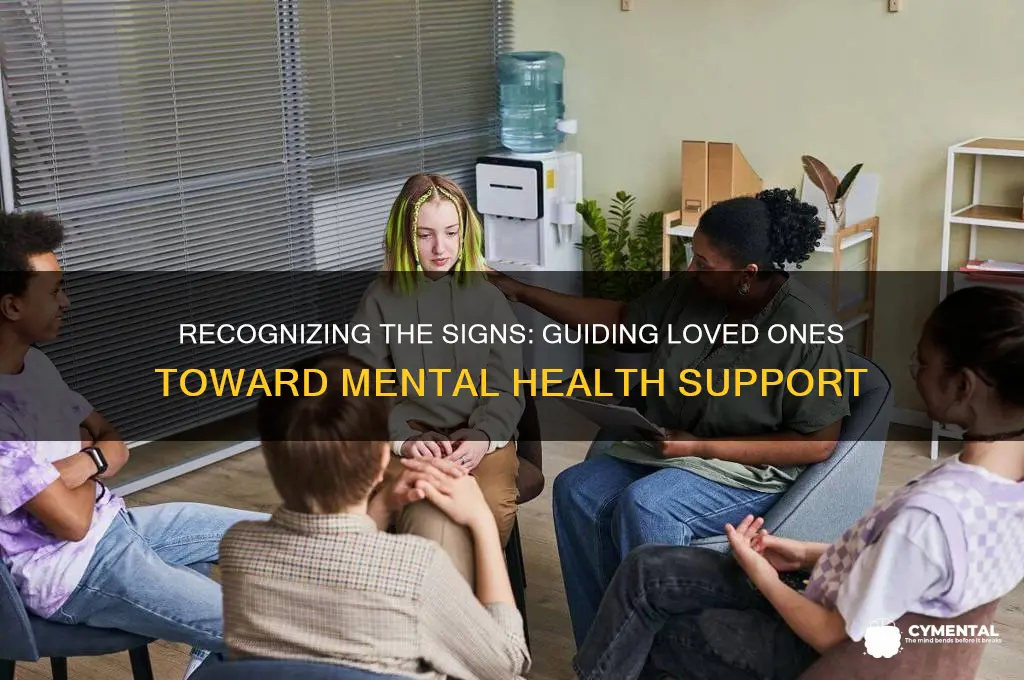
Recognizing the need for mental health support can be challenging, as many individuals may not realize they are struggling or may resist acknowledging their emotional pain. Approaching this topic requires empathy, sensitivity, and patience, as it involves addressing deeply personal issues. By fostering open communication, expressing genuine concern without judgment, and highlighting observable behaviors or changes, you can help someone see the potential benefits of seeking professional help. Encouraging self-reflection, offering resources, and emphasizing that seeking support is a sign of strength, rather than weakness, can create a safe space for them to consider taking the first step toward healing and recovery.
Explore related products


What You'll Learn
- Recognizing Warning Signs: Identify behavioral changes, withdrawal, mood swings, or neglect of responsibilities
- Approaching with Empathy: Use non-judgmental language, express concern, and listen actively without interrupting
- Sharing Observations: Gently highlight specific behaviors or patterns that have raised concerns
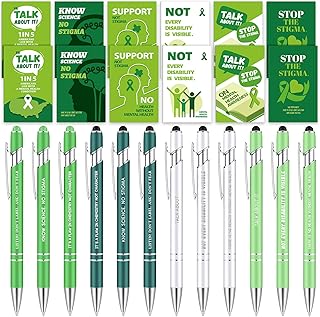
- Offering Resources: Provide information on therapists, helplines, or support groups to encourage action
- Setting Boundaries: Communicate limits while emphasizing care to avoid enabling harmful behaviors

Recognizing Warning Signs: Identify behavioral changes, withdrawal, mood swings, or neglect of responsibilities
Behavioral changes often serve as the first visible indicators that someone may be struggling with their mental health. These shifts can manifest in various ways: a once outgoing friend becomes reclusive, a colleague starts missing deadlines, or a family member exhibits uncharacteristic irritability. Such changes are not merely fleeting moods but persistent patterns that disrupt daily functioning. For instance, a teenager who suddenly stops participating in favorite activities or an adult who begins avoiding social gatherings may be signaling an underlying issue. Recognizing these shifts requires attentiveness to baseline behaviors, as what constitutes a change varies from person to person.
Withdrawal from social interactions is another critical warning sign that often accompanies mental health struggles. While solitude can be healthy, excessive isolation may indicate depression, anxiety, or other conditions. A person who consistently declines invitations, stops responding to messages, or appears emotionally distant may be withdrawing as a coping mechanism. It’s essential to differentiate between introversion and isolation; the latter often involves a noticeable break from established social norms. For example, a college student who stops attending classes or a parent who avoids family dinners might be experiencing more than just a preference for alone time.
Mood swings, though sometimes dismissed as temporary irritability, can be a red flag when they become frequent or extreme. Rapid shifts from euphoria to despair, or unexplained anger outbursts, may suggest conditions like bipolar disorder or severe stress. Tracking these fluctuations can help identify patterns, such as a correlation with specific triggers or times of day. For instance, a coworker who alternates between excessive enthusiasm and profound sadness within hours might benefit from a gentle conversation about their well-being. Observing these changes objectively, without judgment, is key to offering meaningful support.
Neglect of responsibilities is often a tangible sign of mental distress, particularly when it contrasts with a person’s usual reliability. This could include uncharacteristic tardiness, missed appointments, or an inability to complete routine tasks. For example, a high-achieving student suddenly failing exams or a meticulous employee neglecting deadlines may be overwhelmed by anxiety or depression. Practical steps, such as offering to help prioritize tasks or suggesting small, manageable goals, can provide immediate relief while encouraging professional help. Addressing this neglect early can prevent further deterioration in both mental health and daily functioning.
In conclusion, recognizing warning signs like behavioral changes, withdrawal, mood swings, or neglect of responsibilities requires both observation and empathy. By identifying these patterns early, you can approach the person with sensitivity, suggesting resources like therapy or support groups. Remember, the goal is not to diagnose but to foster an environment where they feel safe acknowledging their struggles and seeking help. Small, thoughtful interventions can make a significant difference in guiding someone toward the support they need.
Positive Reinforcement: A Powerful Tool to Combat Mental Illness?
You may want to see also
Explore related products





Approaching with Empathy: Use non-judgmental language, express concern, and listen actively without interrupting
Words can either build bridges or erect walls, especially when discussing mental health. Using non-judgmental language is the cornerstone of empathetic communication. Avoid phrases like "You're overreacting" or "Just snap out of it," which minimize the person's experience and foster shame. Instead, opt for neutral, descriptive statements: "I’ve noticed you’ve been withdrawing lately" or "It seems like you’re carrying a heavy burden." This approach validates their feelings without imposing your interpretation, creating a safe space for openness.
Expressing genuine concern requires more than saying, "Are you okay?" It involves observing specific behaviors and linking them to your worry. For instance, "I’ve seen you skipping meals and staying up late—I’m concerned about how this might be affecting you." Pair this with a soft, calm tone and open body language to signal sincerity. Avoid dramatizing or exaggerating the situation, as this can trigger defensiveness. The goal is to communicate care, not alarm.
Active listening is an art that demands presence and patience. When the person speaks, resist the urge to interject with advice, anecdotes, or solutions. Instead, reflect back what you hear to show understanding: "It sounds like you’re feeling overwhelmed by work and family pressures." Maintain eye contact, nod occasionally, and use brief affirmations like "I see" or "Go on." This demonstrates respect for their perspective and encourages them to explore their thoughts further.
Combining these elements—non-judgmental language, expressed concern, and active listening—creates a supportive framework for dialogue. For example, a conversation might begin with, "I’ve noticed you’ve been canceling plans a lot lately, and I’m worried about how you’re doing." Follow this with silence, allowing them to respond. If they open up, reflect their emotions: "That sounds really exhausting." Over time, this approach can help the individual recognize their struggles and consider seeking help, not because you’ve told them to, but because they feel heard and understood.
Gaming for Mental Health: A New Era Under the Presidency
You may want to see also
Explore related products




Sharing Observations: Gently highlight specific behaviors or patterns that have raised concerns
Observation as a Catalyst for Awareness
Noticing a friend withdrawing from social activities or a colleague exhibiting sudden irritability isn’t just a passing detail—it’s a potential signal of underlying distress. Sharing these observations can serve as a mirror, reflecting behaviors the individual might not recognize themselves. For instance, if a once-outgoing peer now avoids gatherings and cancels plans repeatedly, framing this as a pattern rather than isolated incidents can make it tangible. The key is specificity: instead of saying, “You seem off,” try, “I’ve noticed you’ve missed three team meetings in a row and haven’t joined our usual Friday lunches. Is everything okay?” This approach avoids judgment and invites dialogue.
The Art of Non-Confrontational Language
When highlighting concerns, the phrasing matters as much as the content. Using “I” statements shifts the focus from accusation to shared experience. For example, “I’ve noticed you’ve been sleeping during the day and staying up late, and I’m worried it might be affecting your energy,” feels less intrusive than, “You’re always tired because you’re up all night.” Pairing observations with open-ended questions like, “How are you feeling about these changes?” encourages self-reflection without triggering defensiveness. Research shows that individuals are more receptive to feedback when it’s delivered as a collaborative observation rather than a critique.
Balancing Honesty and Sensitivity
While honesty is essential, timing and context are equally critical. A crowded room or stressful moment isn’t the place to broach sensitive topics. Choose a private, calm setting where the person feels safe to respond. For younger individuals (teens or early 20s), who may be more guarded, framing the conversation around their goals can be effective. For instance, “You’ve mentioned wanting to focus on your studies, but I’ve seen you struggling to concentrate lately. Have you thought about what might be getting in the way?” This ties the observation to their aspirations, making it less about “fixing” them and more about supporting their growth.
From Observation to Actionable Steps
Sharing observations isn’t just about pointing out problems—it’s about offering a pathway forward. After highlighting a pattern, suggest small, manageable steps. For example, if someone’s eating habits have drastically changed, you might say, “I’ve noticed you’ve been skipping meals, and I’m concerned. Would it help to plan meals together or talk to someone about this?” Providing resources, like a helpline number or a trusted therapist’s contact, can remove barriers to seeking help. The goal is to normalize the conversation around mental health, making it clear that acknowledging struggles is a sign of strength, not weakness.
Avoiding Common Pitfalls
Even well-intentioned observations can backfire if not handled thoughtfully. Avoid labeling behaviors as “abnormal” or “wrong,” as this can alienate the individual. Instead, focus on the impact: “I’ve seen you snapping at coworkers more often, and I’m wondering if something’s bothering you.” Be mindful of cultural or personal sensitivities—what’s a red flag in one context might be normal in another. Finally, don’t overwhelm with too many examples at once. Start with one or two key observations and gauge their response. If they become defensive, acknowledge their feelings and revisit the conversation later. Patience and persistence, not pressure, pave the way for acceptance and action.
Smiling's Surprising Power: Boosting Mental Health and Well-Being Naturally
You may want to see also
Explore related products




Offering Resources: Provide information on therapists, helplines, or support groups to encourage action
One of the most effective ways to encourage someone to seek mental health support is by offering concrete resources. Instead of leaving them with vague suggestions like “you should talk to someone,” provide specific options such as therapists, helplines, or support groups. This approach removes barriers to action by giving them a clear next step. For instance, you could say, “I found a therapist who specializes in anxiety and has evening appointments available,” or “There’s a helpline called the Crisis Text Line that you can text anytime—just type ‘HOME’ to 741741.” Specificity turns an overwhelming task into a manageable one.
When offering resources, tailor them to the individual’s needs and preferences. For example, if they’re hesitant to meet someone in person, suggest online therapy platforms like BetterHelp or Talkspace, which offer flexibility and anonymity. If they’re more comfortable with group settings, provide information on local or virtual support groups, such as those offered by the National Alliance on Mental Illness (NAMI). Age-specific resources can also be helpful; for teens, recommend apps like TeenCounseling, while for older adults, suggest organizations like the Institute on Aging. The key is to match the resource to their comfort level and lifestyle.
Helplines are an underutilized yet powerful tool for immediate support. They’re particularly useful for someone who may not be ready for therapy but needs to talk. For instance, the National Suicide Prevention Lifeline (988) is available 24/7 for anyone in crisis, while the Substance Abuse and Mental Health Services Administration (SAMHSA) helpline (1-800-662-HELP) provides referrals to treatment centers. When suggesting a helpline, explain how it works to reduce anxiety: “You’ll be connected to a trained counselor who can listen and help you figure out next steps.” This demystifies the process and makes it feel less intimidating.
While offering resources, be mindful of potential resistance. Some people may feel overwhelmed or defensive when presented with multiple options. To avoid this, start with one or two suggestions and frame them as exploratory rather than prescriptive. For example, say, “I came across this therapist who seems like a good fit—would you like me to share their contact info?” or “I know someone who found this support group really helpful—want to check it out together?” This collaborative approach respects their autonomy while gently guiding them toward action.
Finally, follow up without being intrusive. After providing resources, check in a few days later to see if they’ve taken any steps and offer additional support if needed. For instance, “I know we talked about that therapist—did you reach out? If not, I’d be happy to help you make the call.” Consistency shows you care without pressuring them. Remember, the goal is to empower them to take action, not to force it. By offering tailored, specific resources and following up thoughtfully, you can help bridge the gap between recognizing the need for help and actually seeking it.
Can Faith and Divine Intervention Aid Mental Health Struggles?
You may want to see also
Explore related products


Setting Boundaries: Communicate limits while emphasizing care to avoid enabling harmful behaviors
Boundaries are not barriers to connection but essential frameworks for healthy relationships, especially when addressing mental health concerns. Without clear limits, well-intentioned support can inadvertently enable self-destructive patterns. For instance, repeatedly canceling plans to accommodate a friend’s anxiety may reinforce avoidance behaviors, delaying their confrontation with the root issue. Effective boundary-setting requires precision: identify specific behaviors (e.g., "I notice you cancel last-minute when we plan outings") and articulate the impact ("It makes me feel unreliable and concerned for your well-being"). This approach avoids vague accusations while grounding the conversation in observable actions.
Consider the analogy of a lifeguard: their role is to rescue, not to swim alongside indefinitely. Similarly, caregivers must avoid emotional enmeshment by distinguishing between support and rescue. A practical strategy is the "two-step boundary": first, offer assistance with a clear limit ("I’ll help you research therapists, but I can’t cancel my work commitments to do it"), then reinforce the boundary if tested ("I understand you’re frustrated, but I need to keep this appointment"). This method balances empathy with accountability, signaling that care does not equate to limitless availability.
One common pitfall is the fear of appearing unsupportive. However, research shows that enabling behaviors—such as shielding someone from natural consequences—often prolong suffering. For example, a parent paying off a 25-year-old’s debts due to their depression may alleviate short-term stress but hinder their development of financial coping skills. Instead, propose structured alternatives: "Let’s create a budget together, and I’ll help you find resources, but I won’t cover the full amount." This shifts the focus from rescue to empowerment, fostering self-efficacy.
Language is a critical tool in this process. Use "I" statements to own your perspective ("I feel overwhelmed when...") and pair limits with affirmations of care ("I care about you, which is why I’m setting this boundary"). For individuals resistant to change, frame boundaries as collaborative problem-solving: "How can we work together to address this without compromising either of our needs?" This approach reduces defensiveness and invites mutual participation in finding solutions.
Ultimately, boundary-setting is an act of respect—for oneself and the other person. It acknowledges that true support involves guiding someone toward self-awareness and agency, not shielding them from discomfort. By communicating limits with clarity and compassion, you create a safe space for growth while preventing the erosion of your own well-being. Remember: boundaries are not a one-time conversation but an ongoing practice, requiring patience, consistency, and adaptability as both parties navigate the complexities of mental health.
Christian Counseling: A Path to Mental Health Healing?
You may want to see also
Frequently asked questions
Use a calm, non-judgmental tone and express concern from a place of care. Start with specific observations, like, "I’ve noticed you seem really stressed lately," and ask open-ended questions like, "How are you feeling about everything?" Avoid labeling or diagnosing them, and let them know you’re there to support them.
Signs include persistent changes in mood, behavior, or functioning, such as withdrawal from social activities, increased irritability, difficulty concentrating, or neglecting self-care. Physical symptoms like unexplained fatigue or changes in sleep/appetite can also indicate underlying mental health issues.
Share resources gently, such as therapist recommendations or helpline numbers, and emphasize that seeking help is a sign of strength. Offer to accompany them to an appointment if they feel uncomfortable going alone. Focus on how professional support can improve their overall well-being rather than framing it as a "fix" for a problem.