Caleb Wright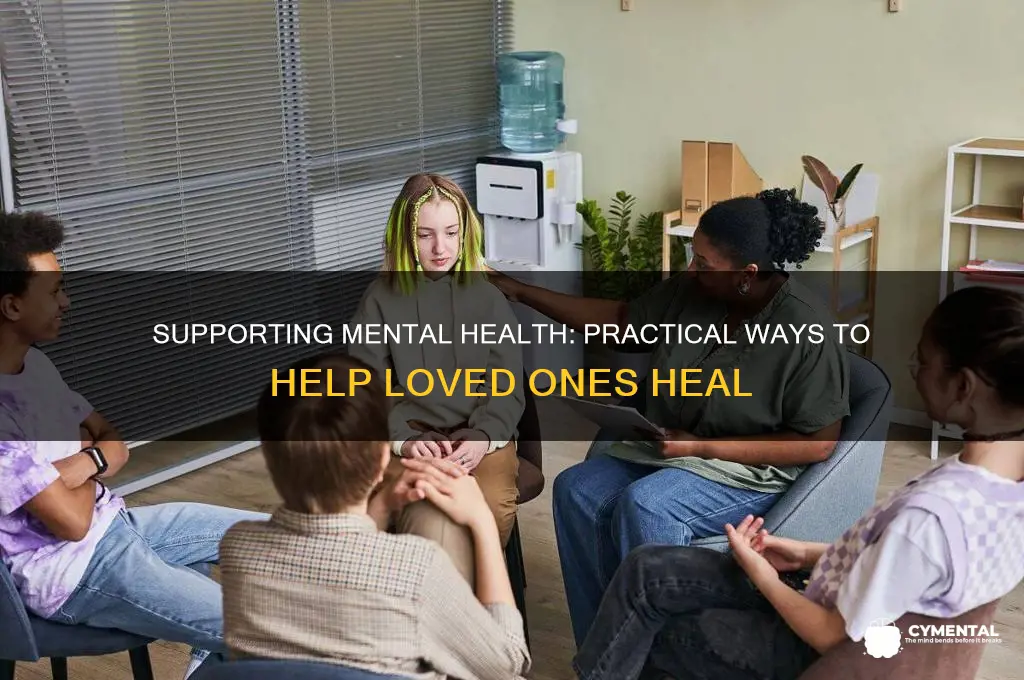
Helping someone with a mental illness requires empathy, understanding, and patience. It begins with creating a safe, non-judgmental space where the individual feels heard and supported. Encouraging open communication, while avoiding the urge to fix or dismiss their feelings, is crucial. Educating oneself about their specific condition can foster better understanding and reduce stigma. Offering practical assistance, such as helping with daily tasks or accompanying them to appointments, can alleviate stress. Encouraging professional help, like therapy or medication, while respecting their autonomy, is essential. Above all, being a consistent, compassionate presence can make a significant difference in their journey toward healing and recovery.
Explore related products


What You'll Learn
- Encourage Professional Help: Suggest therapy, medication, or support groups for expert guidance and treatment
- Listen Without Judgment: Offer a safe space to share feelings without criticism or advice
- Promote Self-Care: Encourage healthy habits like sleep, exercise, and balanced nutrition for mental well-being
- Educate Yourself: Learn about their condition to better understand and support their struggles
- Stay Patient & Consistent: Mental health recovery takes time; be reliable and avoid pressure

Encourage Professional Help: Suggest therapy, medication, or support groups for expert guidance and treatment
Professional intervention is often the linchpin in managing mental illness, yet stigma and misinformation can deter individuals from seeking it. Therapy, medication, and support groups are not one-size-fits-all solutions but tailored tools that require expert oversight. For instance, cognitive-behavioral therapy (CBT) has proven effective for anxiety and depression, with studies showing a 50-70% success rate in reducing symptoms over 12-16 sessions. Encouraging someone to explore these options isn’t about pushing them into a predetermined path but empowering them to access evidence-based care that aligns with their needs.
When suggesting professional help, frame it as a collaborative step rather than a corrective measure. Start by normalizing the conversation: "Many people find therapy helpful for managing stress, and there are different types to suit various preferences." If medication is a consideration, emphasize the role of a psychiatrist in determining the right type and dosage—for example, SSRIs like fluoxetine often start at 20 mg/day for adults, adjusted based on response and side effects. Avoid prescribing or diagnosing; instead, position yourself as a supportive guide who encourages informed decisions.
Support groups, often overlooked, can complement therapy and medication by fostering a sense of community. Organizations like the National Alliance on Mental Illness (NAMI) offer peer-led programs for individuals and families, providing shared experiences and coping strategies. For younger adults or teens, digital platforms like 7 Cups or in-person groups at schools can be more accessible. Highlighting these options underscores that professional help extends beyond clinical settings, offering holistic support for emotional and social well-being.
However, encouraging professional help requires sensitivity to barriers like cost, accessibility, and fear of judgment. Offer practical assistance, such as helping research sliding-scale therapists or telehealth options. For those hesitant, share anonymized success stories or statistics: "Research shows that 75% of people who try therapy report significant improvement." The goal is to demystify the process, making it feel less daunting and more like a proactive step toward healing.
Ultimately, the role of a supporter is to bridge the gap between recognizing the need for help and taking action. By presenting therapy, medication, and support groups as interconnected resources, you validate the complexity of mental health struggles while offering a clear path forward. Remember, the most effective encouragement is rooted in empathy, patience, and a commitment to meeting the individual where they are—not where you think they should be.
Empowering Change: Simple Ways You Can Make a Difference Today
You may want to see also
Explore related products


Listen Without Judgment: Offer a safe space to share feelings without criticism or advice
One of the most powerful ways to support someone with a mental illness is to simply listen. Not the kind of listening that interrupts with solutions or peppered with judgment, but a deep, empathetic presence that says, “I’m here, and you’re safe.” Research shows that feeling heard activates the parasympathetic nervous system, reducing stress and fostering emotional regulation. For someone grappling with anxiety, depression, or trauma, this can be a lifeline. The act of being fully present, without the pressure to fix or advise, communicates acceptance and validation—two critical elements often missing in their internal dialogue.
To create this safe space, start by setting boundaries for the conversation. Let the person know your role is to listen, not to solve. Phrases like, “I’m here for you, and I don’t need to have all the answers,” can set the tone. Avoid questions that start with “Why,” as they can feel accusatory. Instead, use open-ended prompts like, “How does that feel for you?” or “Tell me more about that.” Nonverbal cues matter too: maintain eye contact (if culturally appropriate), nod, and use a calm, steady tone. If you’re unsure how to respond, a simple “That sounds really hard” or “Thank you for sharing that with me” can go a long way.
Consider the environment as well. A quiet, private space free from distractions signals that the conversation is prioritized. For younger individuals (teens or early adults), offering to talk during a walk or casual activity can reduce the pressure of face-to-face interaction. For older adults, who may value directness, a structured time slot (“Can we talk for 20 minutes?”) can make the offer feel less overwhelming. Remember, the goal isn’t to extract information but to provide a container for their emotions. If they repeat themselves, resist the urge to redirect—repetition is often a way of processing pain.
Critically, listening without judgment doesn’t mean suppressing your own reactions. It’s natural to feel uncomfortable or even alarmed by what’s shared. The key is to manage your response. If you’re worried about their safety, acknowledge it gently: “I care about you, and hearing this makes me want to make sure you’re okay. Can we talk about what support might look like?” This balances empathy with accountability. Similarly, if their feelings trigger your own emotions, take a moment to center yourself before responding. The goal is to remain grounded so they don’t feel the need to comfort you.
Finally, recognize that this kind of listening is a skill, not an innate talent. It requires practice, self-awareness, and sometimes, professional guidance. If you’re consistently supporting someone with a mental illness, consider seeking training in active listening or peer support. Organizations like Mental Health First Aid offer courses tailored to different age groups and contexts. Remember, offering a nonjudgmental ear isn’t about carrying the weight of their struggle—it’s about holding space for their humanity. In a world that often demands productivity and positivity, simply being present can be revolutionary.
Media's Role in Amplifying Mental Health Awareness and Advocacy
You may want to see also
Explore related products






Promote Self-Care: Encourage healthy habits like sleep, exercise, and balanced nutrition for mental well-being
Self-care isn’t just a buzzword—it’s a cornerstone of mental health. When the mind is overwhelmed, the body often pays the price, and vice versa. Encouraging healthy habits like sleep, exercise, and balanced nutrition isn’t about achieving perfection; it’s about creating a foundation for resilience. For instance, adults need 7–9 hours of sleep per night, yet nearly 35% of them consistently fall short. This sleep deficit can exacerbate anxiety, depression, and cognitive fog, making it harder to cope with daily stressors. Addressing this single habit can create a ripple effect, improving mood, focus, and emotional stability.
Consider exercise, often overlooked as a mental health tool. Just 30 minutes of moderate-intensity activity, like brisk walking or cycling, five days a week can reduce symptoms of depression and anxiety by up to 30%. The key is consistency, not intensity. For those who find structured workouts daunting, incorporating movement into daily routines—like taking the stairs, gardening, or dancing—can be equally effective. Exercise releases endorphins, which act as natural mood lifters, and reduces cortisol, the stress hormone. It’s not about sculpting a perfect body; it’s about nurturing a healthier mind.
Nutrition plays a quieter but equally vital role in mental well-being. A diet rich in whole foods—fruits, vegetables, lean proteins, and healthy fats—provides the brain with essential nutrients like omega-3 fatty acids, vitamins B and D, and magnesium. These nutrients support neurotransmitter function and reduce inflammation, both critical for mental health. Conversely, processed foods high in sugar and saturated fats can trigger inflammation and insulin resistance, linked to increased risk of depression. Small changes, like swapping sugary snacks for nuts or adding leafy greens to meals, can make a measurable difference over time.
Practicality is key when promoting self-care. Start with one habit at a time to avoid overwhelm. For sleep, establish a bedtime routine—dim lights, limit screens an hour before bed, and keep the room cool. For exercise, pair it with an enjoyable activity or a friend to increase accountability. For nutrition, meal prep on weekends to ensure healthy options are readily available. Remember, self-care isn’t selfish; it’s a proactive step toward managing mental health. By prioritizing these habits, individuals can build a stronger, more resilient foundation for their minds.
Does MaineCare Cover Inpatient Mental Health Treatment? What You Need to Know
You may want to see also
Explore related products





Educate Yourself: Learn about their condition to better understand and support their struggles
Understanding a loved one's mental illness begins with recognizing that knowledge is a powerful tool. Imagine trying to navigate a foreign city without a map; you’d likely feel lost, frustrated, and ineffective. Similarly, learning about their specific condition provides a roadmap to empathy and effective support. Start by identifying the exact diagnosis—whether it’s depression, anxiety, bipolar disorder, or schizophrenia—and delve into reputable sources like the National Institute of Mental Health (NIMH) or the World Health Organization (WHO). These resources offer detailed insights into symptoms, triggers, and treatment options, equipping you to respond with informed compassion rather than misguided assumptions.
Once you’ve grasped the basics, explore the lived experiences of individuals with the same condition. Personal narratives, found in books, blogs, or documentaries, humanize the clinical facts and reveal the emotional and practical challenges they face daily. For instance, reading *The Noonday Demon* by Andrew Solomon can deepen your understanding of depression, while *An Unquiet Mind* by Kay Redfield Jamison offers a firsthand account of bipolar disorder. These perspectives can help you avoid invalidating statements like, “Just snap out of it,” and instead foster a supportive dialogue rooted in shared understanding.
However, education isn’t a one-time task—it’s an ongoing process. Mental health conditions can evolve, and new research emerges constantly. Subscribe to newsletters from organizations like Mental Health America or follow evidence-based podcasts like *The Hilarious World of Depression*. Stay curious and open to learning, but also be mindful of your limits. Avoid becoming an armchair expert; your role is to support, not diagnose or treat. If you notice symptoms worsening or new behaviors emerging, encourage professional intervention rather than attempting to manage it yourself.
Practical application of your knowledge is key. For example, if your loved one has generalized anxiety disorder, learn about grounding techniques like the 5-4-3-2-1 method (naming five things you see, four you can touch, etc.) and practice them together during calm moments so they’re easier to recall in a crisis. Similarly, if they’re managing OCD, understand the difference between enabling compulsions and supporting healthy coping strategies. Small, informed actions like these demonstrate your commitment to their well-being and strengthen your relationship.
Finally, remember that education isn’t just about facts—it’s about fostering empathy. Mental illness often comes with stigma and self-blame, so your informed support can be a lifeline. Avoid phrases like, “Everyone feels that way sometimes,” which minimize their experience. Instead, use phrases like, “I’m here for you, and I’m learning how to help.” By combining knowledge with kindness, you become a trusted ally in their journey, offering not just assistance but a deeper connection built on understanding and respect.
Decluttering for Mental Clarity: How a Tidy Space Boosts Well-Being
You may want to see also
Explore related products


Stay Patient & Consistent: Mental health recovery takes time; be reliable and avoid pressure
Mental health recovery is a marathon, not a sprint. Expecting immediate results or dramatic transformations can lead to frustration and disappointment for both the individual and their support system. The brain, like any other organ, needs time to heal and rewire itself. Research shows that neuroplasticity—the brain’s ability to form new neural connections—occurs gradually, often over months or even years. This biological reality underscores why patience is non-negotiable in mental health recovery. Pushing for quick fixes or applying undue pressure can exacerbate symptoms, creating a cycle of guilt and failure. Instead, acknowledge that progress is often incremental, marked by small victories that accumulate over time.
To embody consistency, establish a predictable routine that fosters stability. For example, if you’re supporting someone with anxiety, commit to checking in at the same time each day, even if it’s just a brief message. Consistency in communication reassures the individual that they are not alone, even during silent struggles. Similarly, if you’re encouraging therapy or medication adherence, help them set reminders or accompany them to appointments when possible. For medication, consistency is critical; missing doses of antidepressants, for instance, can lead to withdrawal symptoms or reduced efficacy. A pill organizer or a shared calendar can be practical tools to ensure adherence without adding pressure.
Pressure, even when well-intentioned, can backfire. Phrases like “You just need to think positively” or “Why aren’t you better yet?” can invalidate the individual’s experience and erode trust. Instead, adopt a stance of curiosity and empathy. Ask open-ended questions like, “How are you feeling today?” or “What can I do to support you right now?” This approach communicates that you’re present without imposing expectations. Similarly, avoid comparing their progress to others; mental health journeys are deeply personal and vary widely. For instance, while one person might find relief in mindfulness practices within weeks, another may take months to see benefits from cognitive-behavioral therapy.
Reliability extends beyond emotional support to practical actions. If you’ve committed to helping with daily tasks, such as grocery shopping or childcare, follow through consistently. Unpredictability can heighten anxiety and undermine trust. For caregivers, it’s equally important to set boundaries to avoid burnout. For example, allocate specific times for support and communicate them clearly. If you’re unavailable during certain hours, suggest alternative resources like crisis hotlines (e.g., the National Alliance on Mental Illness Helpline at 1-800-950-NAMI) or online support groups. This ensures the individual has a safety net while respecting your limits.
Finally, celebrate consistency and small wins, both for the individual and yourself. Acknowledging progress, no matter how minor, reinforces the value of persistence. For instance, if someone has managed to attend therapy sessions regularly for a month, recognize this achievement without overstating it. Similarly, if you’ve maintained a supportive role without succumbing to frustration, take a moment to reflect on your contribution. This mutual recognition fosters resilience and sustains motivation. Remember, recovery is not linear; setbacks are part of the process. By staying patient, consistent, and pressure-free, you create an environment where healing can unfold at its own pace.
Affirmations: Powerful Tools for Boosting Mental Health and Well-being
You may want to see also
Frequently asked questions
Listen without judgment, educate yourself about their condition, encourage professional help, and offer consistent emotional support while respecting their boundaries.
Encourage healthy habits like exercise, sleep, and nutrition, suggest mindfulness or relaxation techniques, and help them connect with a therapist or support group.
Look for persistent changes in behavior, mood, or functioning, such as withdrawal, irritability, or difficulty concentrating, and gently express your concern.
Avoid dismissive phrases like "just snap out of it" or "it’s all in your head," as these can invalidate their experiences and feelings.
Set boundaries, seek your own support system, practice self-care, and remember that you cannot "fix" their illness—focus on being a compassionate presence.