Noah Parker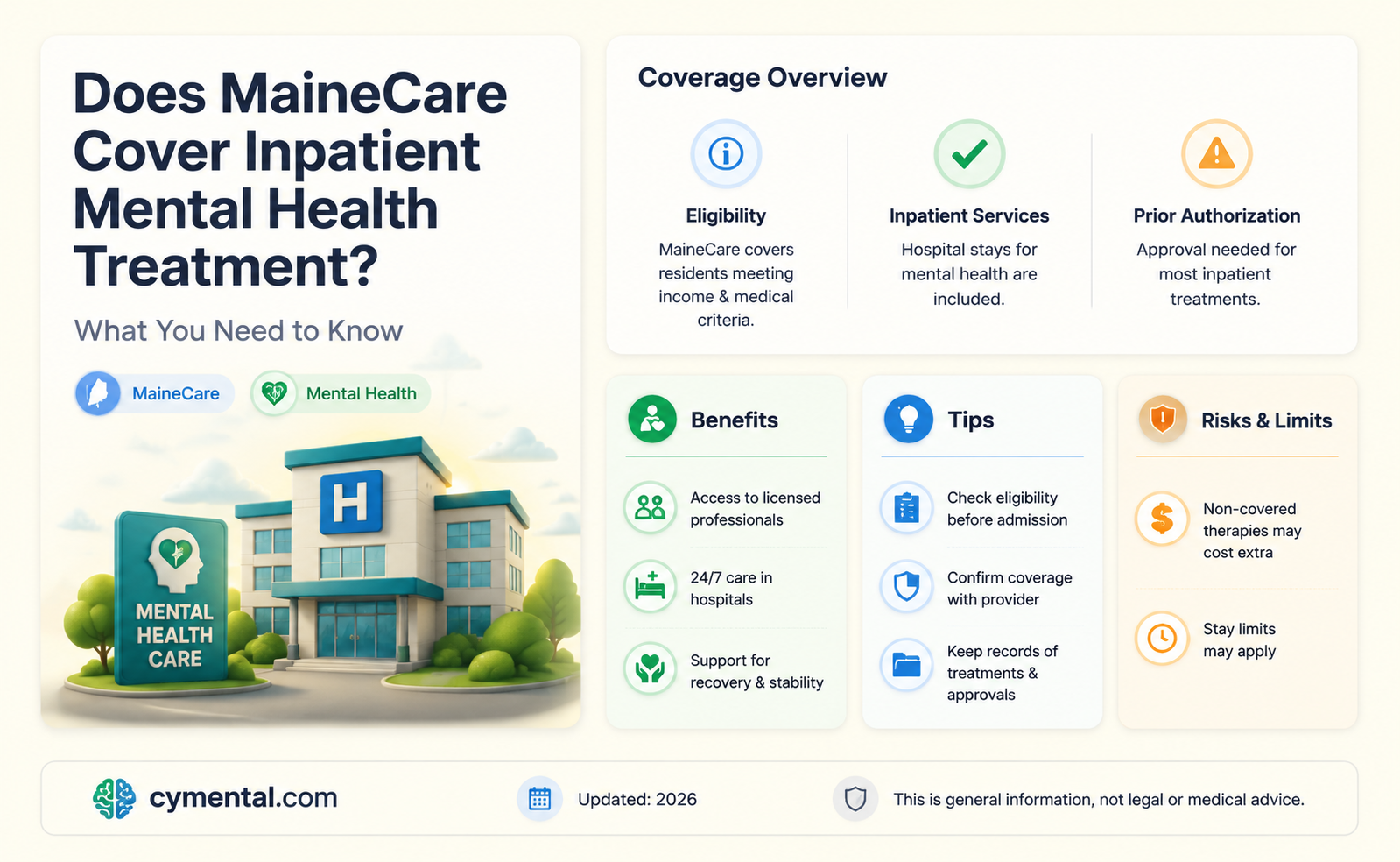
MaineCare, the state’s Medicaid program, provides coverage for a range of mental health services, including inpatient care for individuals who require intensive treatment. For those with severe mental health conditions, MaineCare may cover inpatient hospitalization at approved facilities, ensuring access to necessary therapeutic interventions, medication management, and 24-hour supervision. Eligibility for these services depends on factors such as the severity of the condition, medical necessity, and prior authorization requirements. While MaineCare aims to support individuals in crisis, coverage specifics can vary, and beneficiaries are encouraged to verify their benefits and consult with healthcare providers to understand the extent of available inpatient mental health services.
| Characteristics | Values |
|---|---|
| Coverage for Inpatient Mental Health Services | Yes, MaineCare covers inpatient mental health treatment for eligible individuals. |
| Eligibility | Maine residents who meet income and asset guidelines, pregnant women, children, parents with dependent children, individuals with disabilities, and seniors. |
| Types of Facilities Covered | Inpatient psychiatric hospitals, general acute care hospitals with psychiatric units, and residential treatment facilities (for children and adolescents). |
| Length of Stay | Determined by medical necessity, as assessed by the treating physician and authorized by MaineCare. |
| Pre-Authorization | Required for inpatient admissions. Providers must obtain prior authorization from MaineCare to ensure coverage. |
| Co-Payments | May apply depending on the recipient's category (e.g., no co-pays for children, low-income adults may have small co-pays). |
| Covered Services | Psychiatric evaluation, medication management, individual and group therapy, crisis intervention, and discharge planning. |
| Exclusions | Services not deemed medically necessary, luxury accommodations, and treatments not covered under MaineCare policies. |
| Appeals Process | Recipients can appeal denied services through MaineCare's fair hearing process. |
| Managed Care Organizations (MCOs) | Some MaineCare services are managed through MCOs, which may have specific requirements for inpatient mental health care. |
| Crisis Services | Emergency inpatient mental health services are covered without prior authorization in crisis situations. |
| Children and Adolescents | Specialized inpatient programs for children and adolescents, including residential treatment, are covered. |
| Substance Use Disorder (SUD) Treatment | Inpatient treatment for co-occurring mental health and substance use disorders is covered. |
| Updates and Changes | Coverage details may change based on state and federal regulations; recipients should verify current policies with MaineCare or their MCO. |
Explore related products


What You'll Learn

Eligibility Criteria for Inpatient Mental Health Coverage
MaineCare, Maine's Medicaid program, does provide coverage for inpatient mental health services, but understanding the eligibility criteria is crucial for accessing this support. The first step is to recognize that eligibility is not solely based on the severity of the mental health condition but also on specific financial and categorical requirements. Individuals must meet MaineCare's income limits, which vary depending on household size and the specific eligibility category. For instance, pregnant women, children, and parents with dependent children have different income thresholds compared to adults without dependents.
Beyond income, categorical eligibility plays a significant role. MaineCare covers various groups, including low-income families, children, pregnant women, and individuals with disabilities. For inpatient mental health care, individuals must also have a diagnosed mental health condition that requires this level of treatment. This is typically determined through a comprehensive assessment by a qualified mental health professional, who will evaluate the necessity of inpatient care based on factors like risk of harm to self or others, inability to function in daily life, or lack of response to outpatient treatment.
A critical aspect of eligibility is the prior authorization process. MaineCare requires providers to obtain approval before admitting a patient for inpatient mental health services. This ensures that the treatment is medically necessary and aligns with MaineCare’s coverage guidelines. Patients or their advocates should work closely with healthcare providers to navigate this process, ensuring all required documentation, such as diagnostic assessments and treatment plans, is submitted promptly. Failure to obtain prior authorization can result in denied coverage, leaving patients responsible for potentially high costs.
For children and adolescents, eligibility criteria may include additional considerations, such as the impact of the mental health condition on developmental milestones or educational functioning. MaineCare’s Children’s Behavioral Health Services (CBHS) offers specialized coverage for this population, including inpatient care when outpatient interventions are insufficient. Parents or guardians should collaborate with school counselors, therapists, and pediatricians to gather the necessary documentation to support the need for inpatient treatment.
Lastly, it’s essential to stay informed about policy changes, as eligibility criteria and covered services can evolve. MaineCare periodically updates its guidelines, and staying proactive by reviewing the latest information on the Maine Department of Health and Human Services website or consulting with a MaineCare representative can prevent unexpected barriers to care. Understanding these criteria empowers individuals and families to advocate effectively for the inpatient mental health services they need.
Beto's Mental Health: Addressing Concerns and Seeking Supportive Solutions
You may want to see also
Explore related products


Covered Mental Health Services and Treatments
MaineCare, Maine's Medicaid program, provides coverage for a range of mental health services and treatments, including inpatient care, under specific conditions. Understanding what is covered can help individuals and families navigate the system effectively. For instance, MaineCare covers inpatient psychiatric treatment for both adults and children when deemed medically necessary by a qualified provider. This includes short-term hospitalization for acute mental health crises, such as severe depression, psychosis, or suicidal ideation. The length of stay is typically determined by the treating physician and must be pre-authorized by MaineCare to ensure coverage.
One critical aspect of MaineCare’s coverage is its emphasis on evidence-based treatments. For example, cognitive-behavioral therapy (CBT) and dialectical behavior therapy (DBT) are covered outpatient services that may precede or follow inpatient care. These therapies are proven effective for conditions like anxiety, PTSD, and borderline personality disorder. Additionally, medication management is covered, including prescriptions for antidepressants, antipsychotics, and mood stabilizers. However, certain medications may require prior authorization, so beneficiaries should work closely with their providers to avoid out-of-pocket costs.
For children and adolescents, MaineCare offers specialized services tailored to developmental needs. This includes therapeutic foster care, intensive in-home therapy, and residential treatment programs. For example, a 16-year-old with severe behavioral issues might qualify for a residential program that combines therapy, education, and life skills training. Parents or guardians should consult with a case manager to determine eligibility and coordinate care, as these programs often involve multiple providers and agencies.
It’s important to note that while MaineCare covers a broad spectrum of mental health services, there are limitations. For instance, long-term residential care may not be fully covered if less restrictive options are available. Beneficiaries should also be aware of potential gaps in coverage for alternative therapies, such as art or equine therapy, unless they are part of a comprehensive treatment plan approved by MaineCare. To maximize benefits, individuals should regularly review their treatment plans with providers and stay informed about policy updates that may affect coverage.
Finally, accessing MaineCare’s mental health benefits requires proactive engagement with the healthcare system. Start by contacting your primary care provider or a community mental health center to initiate a referral for evaluation. Keep detailed records of all communications and approvals, as documentation is key to resolving potential coverage disputes. For those in crisis, Maine’s statewide crisis hotline (1-888-568-1112) can provide immediate assistance and connect individuals to emergency services covered by MaineCare. By understanding and utilizing these resources, beneficiaries can ensure they receive the comprehensive care they need.
Army Chaplains: Mental Health Allies in Military Service?
You may want to see also
Explore related products


Duration of Inpatient Mental Health Care
The duration of inpatient mental health care under MaineCare is a critical factor that directly impacts treatment outcomes and cost-effectiveness. MaineCare, Maine’s Medicaid program, typically covers inpatient mental health services for eligible individuals, but the length of stay is subject to medical necessity and prior authorization requirements. Unlike private insurance plans, which may offer more flexibility, MaineCare adheres to strict guidelines to ensure resources are allocated efficiently. For adults, the average inpatient stay ranges from 5 to 10 days, though this can vary based on the severity of the condition and response to treatment. Pediatric cases often require shorter stays, averaging 3 to 7 days, due to developmental considerations and the need for family involvement in care planning.
Determining the appropriate duration of inpatient care involves a collaborative process between healthcare providers, patients, and MaineCare reviewers. Providers must submit detailed documentation outlining the patient’s diagnosis, treatment plan, and progress to justify extended stays. For instance, individuals with acute psychosis or severe depression may require longer hospitalization if they pose a risk to themselves or others. Conversely, patients showing rapid improvement may be transitioned to outpatient services sooner. MaineCare’s utilization management team reviews these cases regularly to balance clinical needs with fiscal responsibility, often requiring reauthorization after 7 days of inpatient care.
One practical challenge is the potential for premature discharge due to coverage limitations. While MaineCare aims to support comprehensive care, budgetary constraints can lead to shorter stays than clinically ideal. Patients and families can mitigate this by actively engaging in treatment planning, advocating for necessary services, and exploring transitional programs like partial hospitalization or intensive outpatient care. Additionally, providers can assist by submitting thorough documentation and appealing denials when extended care is medically justified. For example, a patient with treatment-resistant schizophrenia may require a 14-day stay, and providers must clearly articulate the rationale for this duration to secure approval.
Comparatively, the duration of inpatient mental health care under MaineCare contrasts with systems in states like Massachusetts or California, where Medicaid programs may allow longer stays for complex cases. Maine’s approach reflects a focus on cost containment, which can be both a strength and a limitation. While shorter stays reduce expenses, they may also increase the risk of readmission if underlying issues are not fully addressed. Patients and providers must navigate this tension by prioritizing evidence-based, goal-oriented treatment within the constraints of the program. For instance, incorporating family therapy or medication management early in the inpatient stay can enhance outcomes and reduce the need for prolonged hospitalization.
In conclusion, understanding the duration of inpatient mental health care under MaineCare requires a nuanced approach that balances clinical needs with programmatic guidelines. Patients and providers can optimize outcomes by proactively managing treatment plans, advocating for necessary services, and leveraging transitional care options. While the system’s constraints present challenges, strategic planning and collaboration can ensure that individuals receive effective, timely care within the framework of MaineCare’s coverage.
Mental Health Attitudes: Impact on Help-Seeking Behavior and Service Utilization
You may want to see also
Explore related products


Pre-Authorization Requirements for Inpatient Care
MaineCare, Maine's Medicaid program, does cover inpatient mental health services, but accessing this benefit isn’t automatic. Pre-authorization is a critical step, acting as a gatekeeper to ensure services are medically necessary and align with program guidelines. Without it, providers risk claim denials, leaving patients or facilities financially responsible. This process requires detailed documentation, including a diagnosis, treatment plan, and justification for inpatient care over outpatient alternatives.
Steps to Secure Pre-Authorization:
- Provider Submission: The treating physician or mental health professional must submit a request to MaineCare, detailing the patient’s condition, proposed treatment, and why inpatient care is essential.
- Documentation Requirements: Include recent clinical notes, assessment results, and evidence of failed outpatient interventions (if applicable). For minors, parental consent and developmental history may be necessary.
- Timely Submission: Requests should be submitted at least 72 hours before admission, though urgent cases may allow for retroactive approval within 24 hours post-admission.
Cautions and Common Pitfalls:
Incomplete or vague submissions are the primary cause of delays or denials. For instance, failing to specify the severity of symptoms (e.g., suicidal ideation with a plan vs. passive thoughts) can weaken the case for inpatient care. Providers should also avoid generic diagnoses; instead, use specific ICD-10 codes (e.g., F32.1 for major depressive disorder, single episode, moderate) and link them directly to the treatment plan.
Practical Tips for Success:
- Use Templates: Develop pre-authorization request templates tailored to common mental health diagnoses to streamline submissions.
- Collaborate with Case Managers: Engage MaineCare case managers early to clarify expectations and address potential red flags.
- Leverage Peer Reviews: Include supporting statements from consulting psychiatrists or psychologists to strengthen the medical necessity argument.
Pre-authorization for inpatient mental health care under MaineCare is a structured but navigable process. By adhering to submission guidelines, avoiding common errors, and utilizing practical strategies, providers can maximize approval rates and ensure patients receive timely, covered care. This proactive approach not only benefits individuals but also fosters a more efficient healthcare system.
Exploring 5-MeO-DMT's Potential for Mentally Ill Homeless Populations
You may want to see also
Explore related products


Out-of-Pocket Costs and Copayments
MaineCare, Maine's Medicaid program, does cover inpatient mental health services, but understanding the associated out-of-pocket costs and copayments is crucial for beneficiaries. While MaineCare aims to reduce financial barriers to care, certain expenses still fall on the individual. For instance, copayments for inpatient mental health services are typically capped at $3 per visit, a nominal fee designed to be manageable for most recipients. However, these costs can accumulate, especially for individuals requiring extended stays or frequent admissions. It’s essential to review your specific MaineCare plan, as copayment amounts may vary based on income level or service type.
For those enrolled in MaineCare’s Managed Care Organizations (MCOs), out-of-pocket costs may differ slightly due to the structure of managed care plans. Some MCOs may waive copayments entirely for certain mental health services, while others might impose additional fees for specific treatments. For example, a beneficiary in an MCO might face a $5 copayment for inpatient psychiatric care, compared to the standard $3 under traditional MaineCare. Always verify these details with your MCO to avoid unexpected expenses. Additionally, some services, such as group therapy or medication management, may have separate copayment structures, further complicating the financial landscape.
A practical tip for minimizing out-of-pocket costs is to ensure your treatment is pre-authorized by MaineCare or your MCO. Unauthorized services may result in higher copayments or denial of coverage, leaving you responsible for the full cost. For instance, if an inpatient stay is not pre-approved, you might face a copayment of $10 per day instead of the standard $3. Keeping detailed records of all communications with your provider and insurer can also help resolve billing discrepancies. For families, it’s worth noting that children under 21 enrolled in MaineCare are exempt from copayments for most services, including inpatient mental health care, easing the financial burden for parents or guardians.
Comparatively, out-of-pocket costs for inpatient mental health care under MaineCare are significantly lower than those for private insurance plans, which often require deductibles, coinsurance, and higher copayments. For example, a private insurance plan might charge a $500 deductible plus 20% coinsurance for an inpatient stay, totaling thousands of dollars. In contrast, MaineCare’s $3 copayment per visit is a fraction of that cost. However, this disparity highlights the importance of maintaining eligibility for MaineCare, as losing coverage could result in substantial financial strain. Regularly updating your income and household information with the program ensures continued access to affordable mental health care.
Finally, for individuals struggling to cover even minimal out-of-pocket costs, MaineCare offers financial assistance programs. The Spenddown program, for instance, allows beneficiaries with incomes slightly above the eligibility threshold to “spend down” to qualify for coverage by deducting medical expenses from their income. This can effectively reduce or eliminate copayments for inpatient mental health services. Additionally, nonprofit organizations and local health departments may provide grants or subsidies to offset these costs. Proactively exploring these resources can make a significant difference in accessing necessary care without financial hardship.
Happiness Boosts Mental Health: Doctors Reveal Surprising Benefits
You may want to see also
Frequently asked questions
Yes, MaineCare covers inpatient mental health treatment for eligible individuals, provided the services are medically necessary and meet MaineCare’s criteria.
MaineCare covers a range of inpatient mental health services, including psychiatric hospitalization, crisis stabilization, and residential treatment programs, depending on the individual’s needs and eligibility.
Yes, MaineCare coverage for inpatient mental health care may have limitations, such as prior authorization requirements, length of stay limits, and specific eligibility criteria based on the severity of the condition and treatment plan.