Caleb Wright
Helping children with mental disorders express themselves is crucial for their emotional well-being and development. These children often face challenges in communicating their thoughts and feelings due to the complexities of their conditions, such as anxiety, depression, or autism. Encouraging self-expression can be achieved through various means, including art therapy, journaling, music, and play, which provide safe and non-verbal outlets for emotions. Creating a supportive and non-judgmental environment is essential, where children feel comfortable sharing their experiences without fear of criticism. Additionally, caregivers and educators play a vital role in fostering open communication by actively listening, validating emotions, and offering patience and understanding. By empowering children to express themselves, we can help them build resilience, improve their mental health, and develop essential coping skills for navigating life’s challenges.
Explore related products


What You'll Learn
- Encourage Creative Outlets: Art, music, dance, and writing can help children express emotions nonverbally
- Use Play Therapy: Structured play allows children to process feelings and experiences in a safe space
- Teach Emotion Vocabulary: Help children label emotions with simple, relatable words and visuals
- Active Listening: Show empathy, validate feelings, and avoid judgment to build trust and openness
- Mindfulness Techniques: Introduce breathing exercises, meditation, or sensory tools to manage stress and emotions

Encourage Creative Outlets: Art, music, dance, and writing can help children express emotions nonverbally
Children with mental disorders often struggle to articulate their emotions verbally, but creative outlets like art, music, dance, and writing can serve as powerful tools for nonverbal expression. These mediums bypass the limitations of language, allowing children to communicate complex feelings through colors, rhythms, movements, and words. For instance, a child with anxiety might draw chaotic lines and dark hues, while a child with depression may choose slow, melancholic melodies. Recognizing these expressions can provide caregivers and therapists with valuable insights into a child’s inner world, even when words fail.
To encourage creative expression, start by providing a variety of materials and opportunities tailored to the child’s interests. For younger children (ages 4–8), simple tools like crayons, playdough, or basic musical instruments can spark imagination. Older children (ages 9–12) might benefit from more structured activities, such as journaling prompts, dance classes, or learning to play an instrument. For teenagers (ages 13–18), consider more advanced options like digital art software, songwriting, or creative writing workshops. The key is to offer choices without imposing expectations, allowing the child to explore freely without fear of judgment.
One practical tip is to create a dedicated "creative corner" at home, stocked with art supplies, a small keyboard, or a journal. Set aside 20–30 minutes daily for unstructured creative time, ensuring the child knows this space is theirs to express themselves however they choose. For children who resist traditional art forms, incorporate movement-based activities like yoga or freestyle dance, which can help release pent-up emotions. Pairing these activities with calming music or guided meditation can further enhance emotional expression and regulation.
While creative outlets are beneficial, it’s important to approach them with sensitivity. Avoid interpreting a child’s creations too literally or pressuring them to explain their work. Instead, use open-ended questions like, "Can you tell me more about what inspired this?" or "How did it feel to create this?" This fosters a sense of safety and encourages the child to explore their emotions at their own pace. Additionally, be mindful of over-analyzing; sometimes, the act of creation itself is therapeutic, regardless of the outcome.
Incorporating creative outlets into therapy sessions can amplify their impact. Art therapists, music therapists, and dance/movement therapists are trained to guide children in using these mediums to process emotions and develop coping strategies. For example, a child with PTSD might use art to externalize traumatic memories, while a child with ADHD could find focus through rhythmic drumming. Collaborating with professionals ensures these activities are both enjoyable and therapeutic, addressing specific mental health needs while nurturing self-expression.
Tax Dollars and Mental Health: Funding Institutions for Better Care?
You may want to see also
Explore related products


Use Play Therapy: Structured play allows children to process feelings and experiences in a safe space
Children with mental disorders often struggle to articulate their emotions, but play therapy offers a unique solution. Unlike traditional talk therapy, which relies on verbal communication, play therapy leverages a child’s natural language: play. Through structured activities like drawing, role-playing, or using toys, children can externalize internal conflicts, fears, or traumas in a non-threatening way. For instance, a child acting out a family argument with dolls may reveal underlying anxiety or anger they couldn’t otherwise express. This method bypasses the need for complex emotional vocabulary, making it particularly effective for younger children (ages 3–12) who are still developing verbal skills.
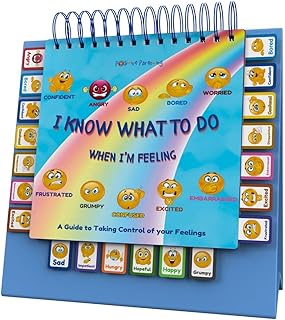
Implementing play therapy requires intentionality. Start by creating a safe, consistent environment where the child feels in control. Use open-ended toys like blocks, art supplies, or a sandbox, which encourage creativity and symbolic expression. For example, a therapist might ask, “What would happen if these figurines went on an adventure?” and allow the child to lead the narrative. Sessions typically last 30–45 minutes, once or twice weekly, depending on the child’s needs. Parents can also incorporate play-based techniques at home, such as using a “feelings chart” with emojis or engaging in pretend play to explore emotions indirectly.
One of the strengths of play therapy is its adaptability. For children with anxiety, structured games with clear rules can provide a sense of predictability and control. For those with trauma, sensory play (e.g., kinetic sand or water beads) can help regulate emotions by grounding them in the present moment. However, it’s crucial to avoid over-interpreting a child’s play. The goal isn’t to “fix” behaviors but to create a space where the child feels understood. Therapists should observe without judgment, reflecting back emotions when appropriate: “It seems like the bear is really scared—I wonder if you ever feel that way?”
Despite its benefits, play therapy isn’t a one-size-fits-all solution. Children with severe behavioral issues or those who struggle with imaginative play may require additional interventions. Additionally, parents and caregivers must be patient; progress in play therapy is often subtle and cumulative. For example, a child who initially avoids certain toys might gradually incorporate them into their play, signaling increased comfort with associated emotions. Tracking these small changes can provide valuable insights into the child’s inner world.
In conclusion, play therapy serves as a powerful tool for helping children with mental disorders express themselves. By meeting them at their developmental level and providing a safe, structured outlet for emotions, it fosters self-awareness and healing. Whether administered by a trained therapist or adapted for home use, this approach reminds us that play isn’t just child’s work—it’s their language, their therapy, and their path to emotional freedom.
Weed and Mental Health: Exploring Potential Benefits and Risks
You may want to see also
Explore related products


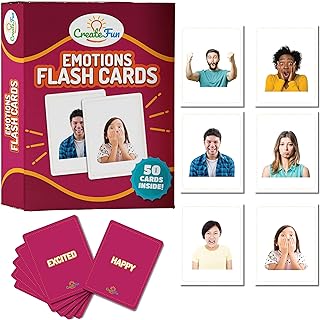


Teach Emotion Vocabulary: Help children label emotions with simple, relatable words and visuals
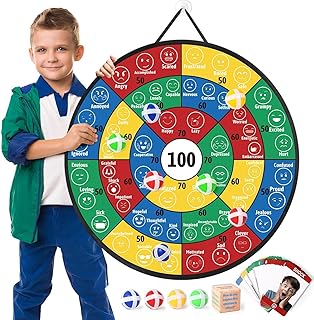
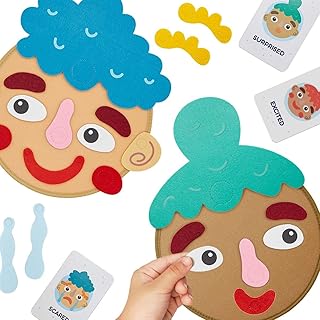
Children with mental disorders often struggle to identify and articulate their emotions, which can exacerbate feelings of frustration and isolation. Teaching them a robust emotion vocabulary acts as a foundational step in bridging this gap. Start by introducing simple, relatable words like "happy," "sad," "angry," and "scared." Pair these words with visuals—facial expressions, emojis, or flashcards—to create a concrete association between the emotion and its label. For instance, a smiling face can represent "happy," while a furrowed brow can symbolize "angry." This dual approach leverages both verbal and visual learning, making it easier for children to grasp abstract concepts.
Consider the age and developmental stage of the child when selecting vocabulary and visuals. Preschoolers (ages 3–5) benefit from basic emotions and large, colorful images, while older children (ages 6–12) can handle more nuanced terms like "frustrated" or "anxious." For adolescents (ages 13–18), incorporate metaphors or analogies to deepen their understanding. For example, describe anxiety as "a storm in your chest" or sadness as "a heavy blanket." Tailoring the approach ensures the child feels seen and understood, fostering a sense of safety in expression.
Practical implementation requires consistency and repetition. Incorporate emotion vocabulary into daily routines—during meals, bedtime, or transitions. For example, ask, "How does your body feel right now? Are you calm like a quiet lake, or excited like a bubbling stream?" Use storytelling or books with emotional themes to model labeling. For instance, read a story about a character feeling jealous and pause to discuss: "What word describes how the character feels? Can you point to the picture that shows this emotion?" This contextual learning reinforces retention and application.
Caution against overwhelming the child with too many terms at once. Start with 3–5 core emotions and gradually expand as they become comfortable. Avoid correcting their labels initially; instead, validate their attempts and gently refine. For example, if a child says, "I feel bad," respond with, "It sounds like you’re feeling sad. Can you tell me more?" This encourages trust and reduces anxiety around "wrong" answers. Additionally, be mindful of cultural or familial differences in emotional expression and adapt the vocabulary accordingly.
The ultimate goal is to empower children to use emotion vocabulary as a tool for self-awareness and communication. Over time, this skill can reduce behavioral outbursts, improve relationships, and enhance coping strategies. For instance, a child who learns to say, "I feel overwhelmed," instead of acting out is better equipped to seek help or use calming techniques. By teaching emotion vocabulary with simplicity, relatability, and patience, caregivers lay the groundwork for emotional resilience and healthier self-expression.
Seeking Support: Overcoming Fear to Prioritize Your Mental Health
You may want to see also
Explore related products


Active Listening: Show empathy, validate feelings, and avoid judgment to build trust and openness
Children with mental disorders often struggle to articulate their emotions, making it crucial to create a safe space where they feel heard and understood. Active listening is a powerful tool in this process, but it requires more than just hearing words—it demands empathy, validation, and a judgment-free approach. When a child shares their feelings, resist the urge to offer solutions or downplay their emotions. Instead, reflect back what they’ve said to show you’re fully engaged. For example, if a child says, “I feel like no one likes me,” respond with, “It sounds like you’re feeling really lonely right now.” This simple act validates their experience and encourages them to open up further.
Empathy is the cornerstone of active listening, but it’s not about pity or over-identification. It’s about stepping into their emotional world without losing your grounding. For younger children (ages 5–10), use age-appropriate language and metaphors to acknowledge their feelings. For instance, “It’s like carrying a heavy backpack, isn’t it?” For adolescents (ages 11–18), who may be more guarded, acknowledge their complexity: “It seems like this situation is really weighing on you, and that’s totally okay.” Avoid phrases like “It’s not that bad” or “You’ll get over it,” as these can invalidate their struggles and shut down communication.
Validation doesn’t mean agreeing with every thought or behavior but recognizing the legitimacy of their emotions. For example, if a child expresses anger over a perceived injustice, say, “It makes sense that you’re upset—anyone would feel that way in your shoes.” This approach helps them feel accepted, which is critical for building trust. Research shows that validation reduces emotional dysregulation in children with disorders like anxiety or ADHD, making it easier for them to express themselves constructively. However, be cautious not to over-validate harmful behaviors; instead, separate the emotion from the action: “I understand you’re frustrated, but hitting isn’t okay.”
Avoiding judgment is perhaps the most challenging aspect of active listening, especially when a child’s thoughts or behaviors seem irrational or alarming. Remember, their perspective is shaped by their unique experiences and developmental stage. For instance, a child with OCD might express fear of contamination, which may seem excessive to an adult. Instead of dismissing their fear, say, “That must be really scary for you. Let’s talk about what might help you feel safer.” This response fosters openness and encourages them to share more, knowing they won’t be criticized or dismissed.
In practice, active listening is a skill that requires patience and consistency. Start small by setting aside dedicated time each day to listen without distractions. For younger children, incorporate play or drawing as a way to express emotions when words fail. For older children, use open-ended questions like, “How did that make you feel?” or “What do you think might help?” Over time, this approach not only helps children with mental disorders express themselves but also strengthens your relationship, creating a foundation of trust that supports their long-term emotional development.
Supporting Your Mentally Ill Spouse: Finding Help and Healing Together
You may want to see also
Explore related products

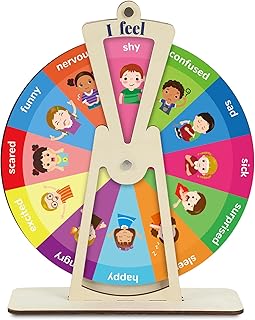


Mindfulness Techniques: Introduce breathing exercises, meditation, or sensory tools to manage stress and emotions
Children with mental disorders often struggle with overwhelming emotions and stress, making it difficult for them to express themselves effectively. Mindfulness techniques, such as breathing exercises, meditation, and sensory tools, can serve as powerful anchors, helping them regain control and communicate their feelings. These practices are not just for adults; they can be adapted for children as young as three, with age-appropriate modifications to ensure engagement and understanding.
Breathing exercises are a simple yet effective starting point. For younger children, try the "Pretend You’re Blowing Bubbles" technique: have them inhale deeply through their nose for a count of three, hold for one, and exhale slowly through pursed lips as if blowing a bubble. This visual and playful approach teaches them to slow their breathing, reducing anxiety. For older children, the "4-7-8" method works well: inhale for 4 seconds, hold for 7, and exhale for 8. Encourage them to practice this twice daily, especially during moments of heightened stress. Consistency is key—even 2–3 minutes of focused breathing can calm the nervous system and improve emotional regulation.
Meditation for children doesn’t require silence or stillness; it’s about guiding their focus. Use storytelling or guided imagery to engage their imagination. For instance, describe a peaceful beach or a magical forest, prompting them to visualize and connect with their senses. Apps like "Calm" or "Headspace Kids" offer age-specific meditations, often under 5 minutes, making it accessible for short attention spans. Start with just 1–2 minutes daily and gradually increase the duration as they become more comfortable. The goal isn’t perfection but familiarity with the practice, allowing them to use it as a tool when emotions feel unmanageable.
Sensory tools provide a tangible way for children to ground themselves. For tactile stimulation, consider stress balls, fidget toys, or textured blankets. For auditory needs, calming music or nature sounds can help. Visual tools like a glitter jar—a jar filled with water, glitter, and glue—can distract and soothe when shaken, as the child watches the glitter settle. These tools are particularly beneficial for children with sensory processing disorders or ADHD, offering immediate relief during emotional outbursts. Keep these tools accessible in a "calm corner" at home or school, creating a safe space for self-regulation.
While mindfulness techniques are valuable, they’re not a one-size-fits-all solution. Some children may resist or find certain practices overwhelming. It’s essential to observe their reactions and adapt accordingly. For example, if meditation feels too structured, try incorporating movement, like yoga poses, to make it more engaging. Additionally, mindfulness should complement, not replace, professional therapy or medication. Parents and caregivers should model these practices themselves, as children often learn best by example. By integrating breathing exercises, meditation, and sensory tools into their routine, children with mental disorders can develop healthier ways to express and manage their emotions, fostering resilience and self-awareness.
Meditation Yoga: Enhancing Facial and Mental Health Naturally
You may want to see also
Frequently asked questions
Parents can create a safe, non-judgmental environment by actively listening, validating feelings, and using open-ended questions. Encourage creative outlets like drawing, writing, or music, and model emotional expression by sharing feelings openly.
Therapy provides structured, professional support tailored to the child’s needs. Therapists use techniques like play therapy, art therapy, or cognitive-behavioral therapy to help children process emotions and develop communication skills in a safe space.
Schools can foster expression by offering counseling services, incorporating social-emotional learning programs, and training teachers to recognize and respond to emotional cues. Encouraging group activities and providing quiet spaces for reflection can also help.