Madison Cole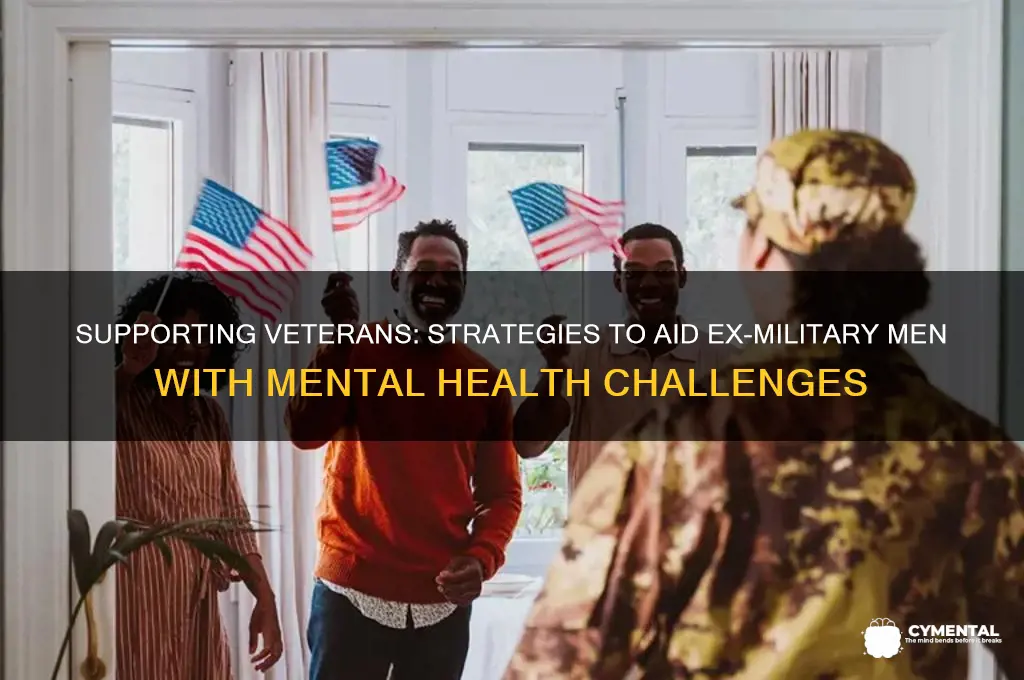
Supporting ex-military personnel struggling with mental health issues requires a multifaceted approach that addresses their unique experiences and challenges. Many veterans face conditions such as PTSD, depression, anxiety, and substance abuse, often stemming from trauma, combat exposure, or the difficulty of transitioning to civilian life. To help them effectively, it is crucial to foster a supportive environment by actively listening without judgment, encouraging open dialogue, and validating their feelings. Connecting them with specialized resources, such as VA mental health services, veteran-focused support groups, or peer counseling programs, can provide professional guidance and a sense of community. Additionally, promoting healthy coping mechanisms, such as physical activity, mindfulness, or vocational training, can aid in their recovery. Family and friends play a vital role by offering patience, understanding, and consistent support, while advocating for increased awareness and funding for veteran mental health initiatives can create systemic change. By combining empathy, practical assistance, and access to tailored resources, we can help ex-military individuals rebuild their lives and find lasting well-being.
Explore related products


What You'll Learn
- Provide Access to Therapy: Connect veterans with specialized mental health professionals for PTSD, depression, and anxiety treatment
- Build Support Networks: Encourage participation in veteran groups, peer support, and community organizations for camaraderie
- Promote Healthy Lifestyle: Advocate for exercise, balanced diet, and sleep hygiene to improve mental well-being
- Educate on Coping Skills: Teach stress management, mindfulness, and resilience techniques to handle triggers effectively
- Assist with Employment: Offer job training, career counseling, and workplace accommodations to ease transition to civilian life

Provide Access to Therapy: Connect veterans with specialized mental health professionals for PTSD, depression, and anxiety treatment
Veterans often face unique mental health challenges, including PTSD, depression, and anxiety, which require specialized care. Connecting them with therapists trained in military-related trauma is a critical step in their recovery. These professionals understand the nuances of combat stress, loss, and reintegration, making their expertise invaluable. Without this targeted approach, traditional therapy may fall short, leaving veterans feeling misunderstood or unsupported.
To implement this effectively, start by identifying mental health providers who specialize in veteran care. Organizations like the Veterans Affairs (VA) offer directories of certified therapists, while non-profits such as Give an Hour provide pro bono sessions. For those outside the VA system, private practices with military experience can be found through platforms like Psychology Today, using filters for "military/veteran issues." Ensure the therapist uses evidence-based treatments like Cognitive Processing Therapy (CPT) or Prolonged Exposure (PE), which have proven effective for PTSD.
Practical barriers, such as cost and accessibility, must be addressed. Many veterans qualify for VA benefits covering mental health services, but long wait times can deter them. In such cases, community-based programs or telehealth options can bridge the gap. Teletherapy, in particular, removes geographical barriers, allowing veterans in rural areas to access specialized care. Additionally, some therapists offer sliding-scale fees or accept military insurance plans like TRICARE, making treatment more affordable.
Encouraging veterans to seek therapy requires sensitivity and persistence. Stigma around mental health remains a significant hurdle, especially in military culture. Framing therapy as a sign of strength rather than weakness can help. Peer support groups, where veterans share their experiences, can also normalize the process. Family members or friends can play a role by offering to accompany veterans to their first session, reducing anxiety about the unknown.
Finally, measure success not just by attendance but by tangible improvements in the veteran’s life. Therapists should set clear goals, such as reducing flashbacks, improving sleep, or rebuilding relationships. Veterans should be encouraged to track their progress, whether through journaling or regular check-ins. While therapy is not a quick fix, consistent access to specialized care can lead to meaningful recovery, enabling veterans to reclaim their lives after service.
Therapy's Transformative Power: Unlocking Mental Health and Well-Being
You may want to see also
Explore related products


Build Support Networks: Encourage participation in veteran groups, peer support, and community organizations for camaraderie
Veterans often struggle with a sense of isolation after leaving the military, a stark contrast to the tight-knit brotherhood they experienced in service. This loneliness can exacerbate mental health issues like depression and anxiety. Building a support network through veteran groups, peer support programs, and community organizations can provide the camaraderie they crave, offering a sense of belonging and understanding that civilian relationships may not.
Imagine a veteran named John, haunted by flashbacks and struggling to adjust to civilian life. He attends a local veterans' coffee meetup, hesitant at first. Over time, he finds himself sharing stories with others who truly "get it" – the camaraderie, the challenges, the losses. This shared experience fosters trust and understanding, allowing John to open up about his struggles and receive support from those who've walked a similar path.
This example highlights the power of peer support. Studies show that veterans who engage in such groups report reduced feelings of isolation, improved coping mechanisms, and a greater sense of purpose.
Encouraging participation in these networks requires a multi-pronged approach. Firstly, identify local resources. Many communities have veteran service organizations, VFW posts, or veteran-specific support groups. Online platforms like Veterati and RallyPoint connect veterans virtually, offering forums and mentorship opportunities. Secondly, address potential barriers. Some veterans may feel hesitant due to stigma surrounding mental health or fear of appearing weak. Emphasize the strength in seeking support and highlight the success stories of veterans who've benefited from these networks. Finally, offer practical assistance. Accompany the veteran to their first meeting, help them navigate online platforms, or simply provide transportation if needed.
Caution: Not all groups are created equal. Encourage the veteran to explore different options until they find a group that feels like a good fit in terms of size, focus, and atmosphere. Some groups may be more social, while others focus on specific issues like PTSD or job training.
Building a support network isn't a quick fix, but a vital step towards healing. It provides a safe space for veterans to process their experiences, learn coping strategies, and rebuild a sense of community. By fostering these connections, we can help veterans reclaim their lives and find solace in the camaraderie they once knew.
Supporting Your Mom: Steps to Access Mental Health Care and Healing
You may want to see also
Explore related products


Promote Healthy Lifestyle: Advocate for exercise, balanced diet, and sleep hygiene to improve mental well-being
Physical activity is a powerful tool for managing mental health, particularly for ex-military personnel who may struggle with PTSD, depression, or anxiety. Research shows that regular exercise reduces symptoms of these conditions by releasing endorphins, improving sleep, and providing a sense of accomplishment. Aim for at least 150 minutes of moderate aerobic activity (like brisk walking or cycling) or 75 minutes of vigorous activity (like running or swimming) per week. Incorporate strength training twice a week to build resilience. For those new to exercise, start small—even 10 minutes a day can make a difference. Group activities, such as team sports or veteran-specific fitness programs, can also foster camaraderie and reduce feelings of isolation.
A balanced diet plays a critical role in mental well-being, yet it’s often overlooked. Nutrient deficiencies, particularly in omega-3 fatty acids, vitamin D, and magnesium, have been linked to increased anxiety and depression. Encourage a diet rich in whole foods like leafy greens, fatty fish (salmon, mackerel), nuts, seeds, and lean proteins. Limit processed foods, sugar, and alcohol, as they can exacerbate mood swings and fatigue. For practical implementation, meal prepping can ensure consistent, healthy eating. Supplements may be beneficial, but consult a healthcare provider for personalized recommendations, especially for older veterans who may have specific dietary needs.
Sleep hygiene is another cornerstone of mental health, yet many ex-military individuals struggle with insomnia or nightmares. Establish a consistent sleep schedule by going to bed and waking up at the same time daily. Create a calming bedtime routine—avoid screens at least an hour before sleep, and instead engage in relaxing activities like reading or meditation. Ensure the sleep environment is cool, dark, and quiet. For those with persistent sleep issues, cognitive-behavioral therapy for insomnia (CBT-I) has proven effective. Avoid relying on sleep medications without medical supervision, as they can lead to dependency and worsen long-term sleep quality.
Combining these lifestyle changes requires patience and adaptability. Start with one area—exercise, diet, or sleep—and gradually build upon it. Track progress using journals or apps to stay motivated. For example, a veteran might begin with a 20-minute daily walk, add a weekly meal prep routine, and then focus on improving sleep habits. Support systems are crucial; involve family, friends, or veteran support groups to provide encouragement. Remember, these changes are not quick fixes but sustainable practices that, over time, can significantly enhance mental well-being and quality of life.
Seeking Support: Navigating Mental Breakdowns and Finding Help
You may want to see also
Explore related products


$16.99 $16.99


Educate on Coping Skills: Teach stress management, mindfulness, and resilience techniques to handle triggers effectively
Military veterans often carry the weight of their service long after they’ve left the battlefield, with triggers like loud noises, crowded spaces, or even specific smells reigniting trauma. To help them regain control, teaching coping skills becomes a critical intervention. Stress management, mindfulness, and resilience techniques aren’t just buzzwords—they’re tools that can rewire the brain’s response to stress, reducing the intensity of flashbacks, anxiety, and hypervigilance. For instance, deep breathing exercises, when practiced consistently, can lower cortisol levels, the hormone associated with stress, by up to 20% within minutes.
One effective method is to introduce mindfulness practices tailored to veterans’ experiences. Guided meditation apps like Headspace or Calm offer military-specific programs, but even simple techniques like the "5-4-3-2-1" grounding exercise—naming five things you see, four you can touch, three you hear, two you smell, and one you taste—can immediately disrupt a stress response. Pairing mindfulness with physical activity, such as yoga or tai chi, amplifies its benefits, as movement helps release pent-up tension and improves focus. Studies show that veterans who engage in mindfulness practices report a 30% reduction in PTSD symptoms over three months.
Resilience-building goes beyond managing the moment; it’s about fostering long-term emotional strength. Cognitive Behavioral Therapy (CBT) techniques, such as reframing negative thoughts, can be taught in group settings or one-on-one sessions. For example, instead of thinking, "I can’t handle this," veterans can learn to say, "This is challenging, but I’ve overcome worse." Journaling is another powerful tool—writing down triggers and responses helps identify patterns and develop personalized strategies. A study by the VA found that veterans who journaled three times a week experienced a 40% decrease in anger and irritability.
However, teaching these skills requires sensitivity to the veteran’s unique background. Avoid generic approaches; instead, incorporate their military training into the process. For instance, frame mindfulness as a tactical skill, similar to situational awareness, or present resilience techniques as mission-critical tools for long-term survival. Peer support groups led by fellow veterans can also enhance engagement, as shared experiences foster trust and accountability. Remember, consistency is key—encourage daily practice, even if it’s just five minutes, to build a habit that lasts.
In conclusion, educating veterans on coping skills isn’t about erasing their past but equipping them to navigate its echoes. By combining stress management, mindfulness, and resilience techniques, you provide a toolkit that empowers them to face triggers head-on. Start small, stay specific, and always respect their journey—the goal isn’t perfection but progress, one breath, one thought, one step at a time.
Essential Oils: A Natural Ally in Mental Health and Wellness
You may want to see also
Explore related products


Assist with Employment: Offer job training, career counseling, and workplace accommodations to ease transition to civilian life
Transitioning from military to civilian life can be particularly challenging for ex-service members, especially those grappling with mental health issues. Employment often serves as a cornerstone of stability, yet the shift from structured military roles to the civilian workforce can feel overwhelming. Offering targeted job training, career counseling, and workplace accommodations can significantly ease this transition, providing not only financial security but also a sense of purpose and belonging.
Consider the case of a 32-year-old former infantryman diagnosed with PTSD. Despite his leadership skills and discipline, he struggled to translate his military experience into civilian job applications. A specialized job training program, such as those offered by organizations like Helmets to Hardhats, provided him with certifications in construction management. Paired with career counseling, he learned to reframe his military achievements—like managing a squad under pressure—into transferable skills like project management and team leadership. This combination of practical training and personalized guidance helped him secure a stable position, reducing his anxiety and fostering a sense of accomplishment.
However, job placement alone isn’t enough. Workplace accommodations are critical for ex-military personnel dealing with mental health challenges. For instance, an individual with anxiety or hypervigilance might benefit from flexible scheduling, noise-canceling headphones, or a designated quiet space. Employers can also implement gradual onboarding processes, allowing veterans to acclimate to new environments at their own pace. According to the U.S. Department of Labor, companies that offer such accommodations report higher retention rates and improved productivity among veteran employees.
To implement these strategies effectively, start by connecting veterans with programs like the Veterans Employment and Training Service (VETS), which offers free career counseling and job training tailored to their skills and interests. Encourage employers to participate in initiatives like the Employer Support of the Guard and Reserve (ESGR), which educates businesses on creating veteran-friendly workplaces. For veterans themselves, practical tips include maintaining a structured daily routine, leveraging peer support networks, and openly communicating with employers about their needs.
In conclusion, assisting ex-military personnel with employment requires a multi-faceted approach that addresses both skill development and mental health considerations. By offering job training, career counseling, and workplace accommodations, we can help veterans rebuild their lives with dignity and resilience. The key lies in recognizing their unique challenges and providing tailored solutions that honor their service while empowering their future.
Supporting Your Girlfriend’s Mental Health: Practical Ways to Show You Care
You may want to see also
Frequently asked questions
Look for persistent changes in behavior, such as withdrawal from social activities, increased irritability, difficulty sleeping, substance abuse, or expressions of hopelessness. Flashbacks, hypervigilance, and avoidance of reminders of their service can also indicate conditions like PTSD.
Listen without judgment, encourage professional help (e.g., therapy or VA resources), and help them stay connected to supportive communities. Avoid pressuring them to "move on" and instead validate their experiences and struggles.
Approach the topic gently, emphasizing that seeking help is a sign of strength. Offer to accompany them to appointments, share resources tailored to veterans, and highlight success stories of others who’ve benefited from treatment. Be patient and persistent, as resistance is common.