Madison Cole
Mental fog, characterized by difficulty concentrating, forgetfulness, and a lack of mental clarity, can significantly impact daily functioning and overall well-being. It often stems from factors such as stress, lack of sleep, poor nutrition, or underlying health issues. To combat mental fog, adopting a holistic approach is key. Prioritizing quality sleep, maintaining a balanced diet rich in brain-boosting nutrients like omega-3s and antioxidants, and staying hydrated can enhance cognitive function. Regular physical activity, mindfulness practices like meditation, and stress management techniques also play a crucial role in clearing mental haze. Additionally, organizing tasks, setting realistic goals, and taking regular breaks can improve focus and productivity. By addressing lifestyle factors and incorporating healthy habits, individuals can effectively alleviate mental fog and regain mental sharpness.
Explore related products


What You'll Learn
- Prioritize Sleep: Aim for 7-9 hours nightly to enhance cognitive clarity and reduce mental fatigue
- Stay Hydrated: Drink water regularly to maintain brain function and prevent cognitive sluggishness
- Mindful Movement: Incorporate short walks or stretches to boost blood flow and mental alertness
- Limit Screen Time: Reduce digital overload to minimize mental clutter and improve focus
- Nutrient-Rich Diet: Consume brain-boosting foods like nuts, berries, and leafy greens for clarity

Prioritize Sleep: Aim for 7-9 hours nightly to enhance cognitive clarity and reduce mental fatigue
Sleep is the cornerstone of cognitive function, yet it’s often the first sacrifice in our overbooked lives. Research consistently shows that 7-9 hours of sleep per night is the sweet spot for adults aged 18-64, optimizing brain performance and reducing mental fog. Falling short of this range disrupts memory consolidation, attention, and decision-making, leaving you in a haze of forgetfulness and sluggish thinking. Conversely, oversleeping (more than 9 hours) can be equally detrimental, signaling underlying health issues or poor sleep quality.
To prioritize sleep effectively, start by setting a consistent bedtime and wake-up time, even on weekends. This regulates your body’s internal clock, making it easier to fall asleep and wake naturally. Create a sleep-friendly environment by keeping your bedroom cool (60-67°F), dark, and quiet. Invest in a comfortable mattress and pillows, and limit exposure to screens at least an hour before bed—blue light suppresses melatonin, the hormone that signals sleep readiness.
A lesser-known tip is to incorporate a relaxing pre-sleep routine. This could include reading a physical book (not a digital device), practicing deep breathing exercises, or taking a warm bath. Avoid heavy meals, caffeine, and alcohol close to bedtime, as they interfere with sleep quality. For those struggling with insomnia, cognitive behavioral therapy for insomnia (CBT-I) is a proven, drug-free method to improve sleep patterns.
Compare this to the temporary fixes often relied upon, like caffeine or power naps, which only mask the problem. While a 20-minute nap can boost alertness, it’s no substitute for a full night’s rest. Chronic sleep deprivation accumulates over time, leading to long-term cognitive decline. By treating sleep as a non-negotiable priority, you’ll notice sharper focus, quicker recall, and reduced mental fatigue within weeks.
The takeaway is clear: sleep isn’t a luxury—it’s a biological necessity for mental clarity. By aiming for 7-9 hours nightly and optimizing your sleep hygiene, you’ll dissolve mental fog and unlock your brain’s full potential. Start tonight—your mind will thank you tomorrow.
Mastering Self-Regulation: Empowering Mental Health and Emotional Resilience
You may want to see also
Explore related products


Stay Hydrated: Drink water regularly to maintain brain function and prevent cognitive sluggishness
Dehydration, even in mild forms, can impair concentration, memory, and mood. Studies show that a mere 1.5% loss of body water can lead to cognitive deficits, particularly in tasks requiring attention, coordination, and problem-solving. This is because the brain is highly sensitive to changes in hydration levels; it’s composed of about 75% water, and even slight imbalances can disrupt neural communication and energy production. For adults, the effects can manifest as difficulty focusing, slower reaction times, and increased feelings of confusion or "brain fog." Children and older adults are even more susceptible, as their bodies may not signal thirst as effectively, making regular water intake critical.
To combat mental fog through hydration, aim for a baseline of 8–10 cups (64–80 ounces) of water daily, adjusting based on activity level, climate, and individual needs. A practical strategy is to drink a glass of water first thing in the morning, as dehydration can accumulate overnight. Carry a reusable water bottle to sip throughout the day, and set reminders if needed. For those who struggle with plain water, infuse it with cucumber, lemon, or mint for flavor without added sugars. Avoid relying solely on caffeinated or sugary drinks, as they can lead to fluid loss and energy crashes, exacerbating mental fatigue.
One often-overlooked aspect is the timing of hydration. Drinking water consistently throughout the day is more effective than chugging large amounts at once, as the body can only absorb and utilize a limited volume at a time. Pair hydration with meals to aid digestion and nutrient absorption, which indirectly supports brain function. For intense physical or mental activity, consider electrolyte-rich beverages to replenish minerals lost through sweat, though water is sufficient for most daily scenarios. Monitoring urine color can serve as a simple gauge: pale yellow indicates adequate hydration, while dark yellow suggests the need to drink more.
Comparing hydration to other cognitive enhancers, such as caffeine or supplements, highlights its simplicity and accessibility. While a cup of coffee might provide a temporary boost, chronic reliance can disrupt sleep and increase anxiety, both of which worsen mental fog. In contrast, water is calorie-free, inexpensive, and free of side effects when consumed in moderation. It’s a foundational habit that complements other strategies like exercise, sleep, and nutrition, rather than a quick fix. Prioritizing hydration is akin to maintaining the engine of a car—without proper fluid, even the most advanced system will sputter.
Incorporating hydration into daily routines doesn’t require drastic changes but rather mindful habits. Keep water visible and within reach, whether at your desk, in the car, or during workouts. For those who forget to drink, pair it with existing habits: a glass of water after brushing your teeth, before meals, or during screen breaks. Small, consistent efforts yield significant results, as staying hydrated isn’t just about quenching thirst—it’s about sustaining the clarity and efficiency of your most vital organ, the brain.
Supporting Loved Ones: Strategies to Encourage Mental Health Treatment
You may want to see also
Explore related products


Mindful Movement: Incorporate short walks or stretches to boost blood flow and mental alertness
Physical inactivity doesn't just atrophy muscles; it starves your brain. Sitting for prolonged periods reduces blood flow, limiting the oxygen and nutrients essential for cognitive function. This is where mindful movement steps in—literally. Short, intentional walks or stretches act as a circulatory reset, delivering a fresh supply of fuel to your brain and sweeping away metabolic waste products that accumulate during sedentary spells. Think of it as a micro-cleanse for your neural pathways.
The beauty of this approach lies in its simplicity and accessibility. No gym membership required, no fancy equipment needed. A 5-minute stroll around your office, a few sun salutations by your desk, or even a brisk march up and down stairs can suffice. Aim for a pace that elevates your heart rate slightly—enough to feel a gentle warmth in your body but not so much that you're gasping for breath. Consistency is key; incorporating these micro-movements every 60–90 minutes can prevent the mental sludge from settling in.
Contrast this with the caffeine-fueled approach many rely on to combat mental fog. While a cup of coffee provides a temporary jolt, it often leads to energy crashes and increased anxiety. Mindful movement, on the other hand, offers sustained benefits without side effects. Studies show that even brief physical activity can enhance executive function—the cognitive skills needed for focus, decision-making, and problem-solving. It’s not just about moving; it’s about moving *mindfully*, paying attention to your body’s sensations and the rhythm of your breath.
For those who find the idea of "exercise" daunting, start small. Set a timer to remind yourself to move. Keep a pair of comfortable shoes by your desk or a yoga mat rolled up in the corner. If you’re in a shared space, suggest a walking meeting or a group stretch break. The social aspect can make it more enjoyable and increase accountability. Remember, the goal isn’t to break a sweat—it’s to break the cycle of stagnation.
Incorporating mindful movement into your routine is a low-stakes, high-reward strategy for clearing mental fog. It’s a reminder that your brain and body are not separate entities but interconnected systems that thrive on motion. So, the next time you feel your thoughts slowing down, don’t reach for another cup of coffee. Stand up, take a few steps, and let your body recharge your mind.
Unplugging for Peace: How Less Social Media Boosts Mental Health
You may want to see also
Explore related products


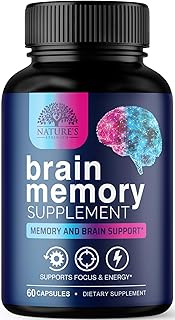


Limit Screen Time: Reduce digital overload to minimize mental clutter and improve focus
Excessive screen time fragments attention, inundates the brain with stimuli, and disrupts cognitive processing. Studies show that adults who spend more than 6 hours daily on screens experience a 47% increase in symptoms like forgetfulness and difficulty concentrating. This digital overload forces the brain to constantly switch tasks, preventing deep focus and consolidating information. The result? A mental fog that clouds clarity and hampers productivity.
To reclaim focus, start by auditing your daily screen usage. Most smartphones now offer built-in tracking tools that reveal exactly how much time you spend on apps. Aim to reduce recreational screen time to 2 hours per day, prioritizing activities like social media, streaming, and gaming. For work-related screens, implement the "20-20-20" rule: every 20 minutes, take a 20-second break to look at something 20 feet away. This reduces eye strain and interrupts the cycle of constant digital engagement.
Children and teens are particularly vulnerable to the cognitive effects of screen overload. The American Academy of Pediatrics recommends no more than 1 hour of screen time daily for children aged 2–5 and consistent limits for older kids, emphasizing quality over quantity. Parents can model healthy habits by designating "tech-free zones" like bedrooms and mealtimes. Encourage screen-free activities such as reading, board games, or outdoor play to strengthen attention spans and reduce mental clutter.
Transitioning to lower screen time requires strategic planning. Begin by identifying peak foggy periods in your day—often mid-afternoon or evening—and replace screen activities with alternatives like journaling, meditation, or light exercise. Use apps like Freedom or Cold Turkey to block distracting sites during focus-critical hours. Gradually, your brain will adapt, and you’ll notice improved clarity and sustained attention. Remember, the goal isn’t elimination but mindful reduction to clear the mental haze.
Mental Health America's Impact: Lives Transformed and Supported Nationwide
You may want to see also
Explore related products




Nutrient-Rich Diet: Consume brain-boosting foods like nuts, berries, and leafy greens for clarity
Mental fog often stems from nutritional deficiencies that impair cognitive function. The brain requires a steady supply of essential nutrients to operate at its peak, and certain foods are particularly effective at fueling its processes. Nuts, for example, are rich in healthy fats, antioxidants, and vitamin E, which protect brain cells from oxidative stress. Berries, packed with flavonoids, improve memory and cognitive aging by enhancing communication between neurons. Leafy greens like spinach and kale provide folate, vitamin K, and lutein, which slow cognitive decline and support overall brain health. Incorporating these foods into your diet isn’t just a suggestion—it’s a scientifically backed strategy to combat mental fog.
To maximize the benefits of a nutrient-rich diet, focus on variety and consistency. Start by adding a handful of almonds or walnuts to your morning routine; their high omega-3 content supports brain structure and function. For berries, aim for a daily serving of blueberries, strawberries, or blackberries, either as a snack or blended into smoothies. Leafy greens should be a staple in at least one meal per day—toss spinach into omelets, use kale in salads, or sauté Swiss chard as a side dish. Pairing these foods with sources of healthy fats, like avocado or olive oil, enhances nutrient absorption, ensuring your brain gets the full benefit.
While the idea of "brain-boosting" foods is appealing, it’s important to approach this strategy with realistic expectations. No single food can instantly clear mental fog, but consistent consumption of these nutrient-dense options can yield noticeable improvements over time. For instance, studies show that regular intake of flavonoid-rich berries can improve memory and cognitive function within 8–12 weeks. Similarly, the folate in leafy greens supports neurotransmitter production, which may reduce feelings of mental sluggishness. Patience and persistence are key—think of this as a long-term investment in your cognitive health.
Practicality is crucial for turning this advice into action. If fresh produce isn’t always accessible, frozen berries and greens retain their nutritional value and are often more affordable. For nuts, portion control is essential—stick to a 1-ounce serving daily to avoid excess calorie intake. Meal prepping can also streamline your efforts: chop and store greens for quick additions to meals, or pre-portion nuts into snack bags. Even small changes, like swapping a sugary snack for a berry-packed yogurt, can contribute to clearer thinking. By making these brain-boosting foods a regular part of your diet, you’re not just eating—you’re actively supporting your mental clarity.
Positive Relationships: A Powerful Tool for Mental Health and Well-Being
You may want to see also
Frequently asked questions
Immediate strategies include staying hydrated, taking a short walk to increase blood flow, practicing deep breathing exercises, and consuming a small, nutrient-dense snack to stabilize blood sugar levels.
Poor sleep quality or insufficient sleep can worsen mental fog. To improve sleep, maintain a consistent sleep schedule, limit screen time before bed, create a relaxing bedtime routine, and ensure your sleep environment is cool, dark, and quiet.
Yes, diet plays a significant role. Focus on a balanced diet rich in omega-3 fatty acids, antioxidants, and whole foods. Avoid excessive sugar, processed foods, and alcohol, as they can impair cognitive function. Staying hydrated is also crucial.