Lucas Bennett
Helping mental health without medication involves a holistic approach that focuses on lifestyle changes, emotional support, and self-care strategies. Techniques such as mindfulness, meditation, and regular physical activity can significantly reduce stress and anxiety while improving mood. Building a strong support network, whether through friends, family, or therapy, provides emotional grounding and perspective. Additionally, maintaining a balanced diet, ensuring adequate sleep, and engaging in activities that bring joy or purpose can foster resilience and mental well-being. These methods empower individuals to take proactive steps toward healing and stability without relying solely on pharmaceutical interventions.
Explore related products

$22.48 $29.99



What You'll Learn
- Mindfulness & Meditation: Practice daily mindfulness to reduce stress and improve emotional regulation
- Physical Activity: Regular exercise boosts mood by releasing endorphins and reducing anxiety
- Healthy Sleep Habits: Prioritize consistent sleep patterns to support mental and emotional stability
- Balanced Nutrition: Eat nutrient-rich foods to enhance brain function and overall well-being
- Social Connections: Build supportive relationships to combat loneliness and foster emotional resilience

Mindfulness & Meditation: Practice daily mindfulness to reduce stress and improve emotional regulation
Stress, a silent saboteur, infiltrates our lives through the constant hum of notifications, the relentless pace of deadlines, and the weight of unspoken expectations. Mindfulness, the practice of anchoring oneself in the present moment without judgment, offers a powerful antidote. By cultivating awareness of thoughts, emotions, and bodily sensations, we can disrupt the cycle of stress before it spirals into overwhelm.
Consider this: a 2019 study published in *JAMA Internal Medicine* found that mindfulness meditation programs reduced symptoms of anxiety, depression, and pain, with effects comparable to antidepressants in some cases. The practice doesn’t require hours of sitting in silence; even 10 minutes daily can yield noticeable benefits. Start small: sit comfortably, close your eyes, and focus on your breath. When your mind wanders (and it will), gently guide it back. Think of it as mental push-ups—consistent effort builds resilience.
However, mindfulness isn’t a one-size-fits-all solution. For some, the stillness can amplify anxiety or bring suppressed emotions to the surface. If this happens, pair mindfulness with movement-based practices like yoga or walking meditation. Apps like Headspace or Calm offer guided sessions tailored to different needs, making the practice accessible even for beginners. For children and teens, mindfulness can be introduced through games or short, playful exercises, such as "belly breathing" or mindful eating.
The key to success lies in consistency, not perfection. Missed a day? Don’t berate yourself—simply resume the practice. Over time, mindfulness rewires the brain, strengthening the prefrontal cortex (responsible for decision-making) and shrinking the amygdala (the fear center). This neurological shift translates to better emotional regulation, reduced reactivity, and a greater sense of calm amidst chaos.
In a world that glorifies busyness, mindfulness is a radical act of self-care. It doesn’t erase life’s challenges but equips us with the tools to navigate them with clarity and compassion. By carving out moments to simply *be*, we reclaim our mental space and, in turn, our peace.
Volleyball's Impact: Boosting Mental Health Through Teamwork and Active Play
You may want to see also
Explore related products


Physical Activity: Regular exercise boosts mood by releasing endorphins and reducing anxiety
Engaging in regular physical activity is a powerful, non-pharmacological tool for enhancing mental health. The science is clear: exercise stimulates the release of endorphins, often referred to as "feel-good" hormones, which act as natural painkillers and mood elevators. Simultaneously, it reduces levels of stress hormones like cortisol, creating a biochemical environment that combats anxiety and depression. This dual mechanism makes physical activity a cornerstone of mental wellness, offering immediate and long-term benefits without the side effects of medication.
To harness these benefits, aim for at least 150 minutes of moderate-intensity aerobic exercise per week, as recommended by the World Health Organization. This could translate to 30 minutes of brisk walking, cycling, or swimming five days a week. For those short on time, high-intensity interval training (HIIT) offers a condensed option, delivering mood-boosting effects in as little as 20 minutes per session. Consistency is key; integrating exercise into a daily routine ensures sustained endorphin release and cortisol reduction, fostering emotional resilience over time.
Age and fitness level should guide the type and intensity of activity. Younger adults might benefit from dynamic workouts like running or team sports, which combine physical exertion with social interaction—a double win for mental health. Older adults or those with physical limitations can opt for low-impact activities like yoga, tai chi, or water aerobics, which improve mood while minimizing injury risk. Even light activities, such as gardening or gentle stretching, can provide measurable mental health benefits, proving that every movement counts.
Practical tips can make exercise more accessible and enjoyable. Start small by incorporating short bursts of activity into daily life, like taking the stairs instead of the elevator or doing a 10-minute dance break. Pairing exercise with a favorite playlist or podcast can enhance motivation, while tracking progress with a fitness app or journal can provide a sense of accomplishment. For those struggling with anxiety, mindfulness-based exercises like yoga or walking meditation can amplify the calming effects by combining physical movement with mental focus.
While exercise is not a cure-all, its role in mental health is undeniable. It offers a proactive, empowering approach to managing mood and anxiety, putting individuals in control of their well-being. By understanding the science, tailoring activities to personal needs, and adopting practical strategies, anyone can unlock the transformative potential of physical activity as a natural remedy for the mind.
Austin's Impact: How the City Boosts Mental Health and Well-Being
You may want to see also
Explore related products


Healthy Sleep Habits: Prioritize consistent sleep patterns to support mental and emotional stability
Sleep is the cornerstone of mental resilience, yet it’s often the first sacrifice in our overbooked lives. A consistent sleep schedule—going to bed and waking up at the same time daily—regulates your body’s internal clock, reducing anxiety and mood swings. For adults, aim for 7–9 hours nightly; teens need 8–10. Even shifting your sleep by an hour can disrupt cortisol and melatonin levels, amplifying stress and emotional instability. Think of it as syncing your body’s software: regularity prevents glitches in your mental operating system.
To build this habit, start small. If your bedtime varies wildly (e.g., 10 PM on weekdays, 2 AM on weekends), adjust in 15-minute increments weekly until you hit your target. Use external cues: dim lights 60 minutes before bed, silence devices, and avoid caffeine after 2 PM. A study in *Sleep Health* found that participants who maintained a consistent sleep pattern reported 25% lower stress levels within three weeks. It’s not just about quantity—predictability trains your brain to unwind proactively.
However, consistency alone isn’t enough if your sleep environment sabotages you. Your bedroom should be a sanctuary: cool (60–67°F), dark (blackout curtains are worth the investment), and quiet (white noise machines can mask disruptive sounds). Avoid screens at least 90 minutes before bed—blue light suppresses melatonin, delaying REM sleep. Instead, incorporate a ritual: read a physical book, journal, or practice deep breathing. These cues signal to your brain that sleep is imminent, not negotiable.
A common pitfall is weekend oversleeping to “catch up.” While tempting, this disrupts your circadian rhythm, making Monday mornings feel like jet lag. If you’re sleep-deprived, take a 20-minute nap mid-afternoon instead of sleeping in. For shift workers or those with irregular schedules, consistency is harder but not impossible. Use tools like light therapy lamps in the morning and melatonin supplements (0.5–5 mg, 30 minutes before bed) under a doctor’s guidance to reinforce your body’s sleep-wake cycle.
The payoff? A stable sleep pattern acts as a buffer against emotional volatility. Research in *Nature* links irregular sleep to heightened amygdala activity—the brain’s panic button. By prioritizing consistency, you’re not just resting; you’re rewiring your brain for calm. It’s a commitment, but one that pays dividends in clarity, patience, and resilience. Your mental health doesn’t need a pill—it needs a predictable night’s rest.
Marijuana and Mental Health: Exploring Potential Benefits and Risks
You may want to see also
Explore related products


Balanced Nutrition: Eat nutrient-rich foods to enhance brain function and overall well-being
The brain is an energy-intensive organ, consuming roughly 20% of the body’s total caloric intake, despite weighing only about 2% of total body weight. This fact underscores the critical role nutrition plays in mental health. Nutrient-rich foods provide the raw materials necessary for neurotransmitter synthesis, neuronal repair, and overall brain function. For instance, omega-3 fatty acids, found in fatty fish like salmon and walnuts, are essential for maintaining cell membrane integrity and reducing inflammation, both of which are linked to improved mood and cognitive function. A diet deficient in these nutrients can exacerbate symptoms of depression, anxiety, and cognitive decline, making balanced nutrition a cornerstone of mental well-being.
To harness the benefits of nutrient-rich foods, focus on incorporating specific brain-boosting elements into your daily diet. Start with complex carbohydrates, such as whole grains, which provide a steady release of glucose—the brain’s primary fuel source. Pair these with lean proteins like poultry, eggs, or legumes, which supply amino acids like tryptophan, a precursor to serotonin, a mood-regulating neurotransmitter. For adults, aim for at least 3 servings of whole grains and 1-2 servings of lean protein daily. Additionally, include foods high in antioxidants, such as berries and leafy greens, to combat oxidative stress, a contributor to mental health disorders. A practical tip: begin your day with a breakfast of oatmeal topped with blueberries and a side of scrambled eggs for a nutrient-packed start.
While the benefits of balanced nutrition are clear, it’s essential to approach dietary changes with caution, especially for individuals with pre-existing conditions. For example, those with food sensitivities or allergies must carefully select alternatives to ensure they still meet their nutritional needs. Similarly, excessive intake of certain nutrients, like vitamin A or selenium, can be harmful. Consulting a dietitian or healthcare provider can help tailor a plan that addresses specific mental health concerns while avoiding potential pitfalls. For instance, someone with anxiety might benefit from magnesium-rich foods like spinach and almonds, but supplementation should be monitored to prevent overconsumption.
The comparative advantage of balanced nutrition lies in its dual impact on both mental and physical health. Unlike targeted supplements, whole foods provide a symphony of nutrients that work synergistically to support brain function. For example, a Mediterranean diet, rich in fruits, vegetables, whole grains, and healthy fats, has been shown to reduce symptoms of depression by 32% in clinical studies. This holistic approach not only addresses mental health but also lowers the risk of chronic diseases like heart disease and diabetes. By prioritizing nutrient-rich foods, individuals can achieve a sustainable, long-term strategy for enhancing well-being without relying on medication.
Incorporating balanced nutrition into daily life doesn’t require drastic changes. Small, consistent adjustments can yield significant results. Start by replacing processed snacks with nuts or seeds, swapping sugary beverages for herbal tea or water, and experimenting with recipes that include brain-boosting ingredients. For families, involve children in meal preparation to instill healthy habits early—studies show that kids who participate in cooking are more likely to consume fruits and vegetables. Ultimately, balanced nutrition is not just about eating well; it’s about nourishing the mind in a way that fosters resilience, clarity, and emotional stability.
Supporting Mental Health: How Loved Ones Can Make a Difference
You may want to see also
Explore related products

$29 $29.99

$9.9 $16.99


Social Connections: Build supportive relationships to combat loneliness and foster emotional resilience
Human beings are inherently social creatures, and our mental health thrives on meaningful connections. Loneliness, often described as a silent epidemic, can exacerbate anxiety, depression, and other mental health challenges. Building and nurturing supportive relationships acts as a powerful buffer against these issues, fostering emotional resilience and a sense of belonging.
Research consistently shows that individuals with strong social support networks experience lower levels of stress, improved mood, and increased overall well-being. These connections provide a safety net, offering emotional validation, practical help, and a sense of purpose.
Cultivating these relationships requires intentional effort. Start by identifying individuals who uplift and encourage you. This could be family members, friends, colleagues, or even acquaintances with shared interests. Make a conscious effort to reach out regularly, whether through phone calls, video chats, or in-person meetings. Quality matters more than quantity; aim for deep, meaningful conversations rather than superficial interactions.
Consider joining community groups, clubs, or volunteer organizations aligned with your passions. Shared activities provide natural opportunities for connection and create a sense of belonging to something larger than oneself. Remember, building relationships is a two-way street. Be open, authentic, and willing to listen and support others as well.
While building social connections is crucial, it's important to acknowledge potential challenges. Not all relationships are supportive, and some may even be detrimental to mental health. Be mindful of toxic relationships characterized by negativity, criticism, or manipulation. Setting healthy boundaries and prioritizing your well-being is essential. If existing relationships feel draining, consider seeking support from a therapist or counselor to navigate these dynamics and develop strategies for fostering healthier connections.
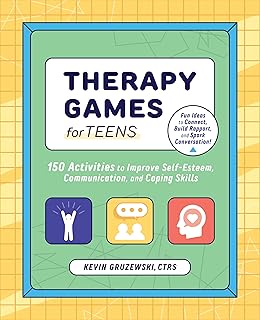
Additionally, for individuals struggling with severe social anxiety or past traumas, initiating social interactions can be daunting. In such cases, gradual exposure and professional guidance can be immensely helpful. Start with small steps, like joining online communities or attending social events with a trusted companion. Remember, progress takes time and patience.
Building supportive relationships is a cornerstone of mental well-being, offering a powerful antidote to loneliness and fostering emotional resilience. By prioritizing meaningful connections, being mindful of relationship quality, and seeking support when needed, individuals can cultivate a strong social network that nurtures their mental health and enriches their lives.
Nurturing Mental Well-being: Practical Strategies for Lockdown Resilience and Self-Care
You may want to see also
Frequently asked questions
Effective strategies include regular physical exercise, maintaining a balanced diet, practicing mindfulness or meditation, ensuring adequate sleep, and engaging in activities that bring joy or relaxation. Building a strong support system through friends, family, or therapy can also significantly help.
Yes, lifestyle changes can have a profound impact on mental health. Reducing stress through time management, avoiding excessive alcohol or caffeine, and incorporating hobbies or creative outlets can improve mood and overall well-being. Consistency in these changes is key.
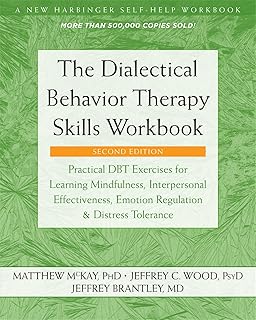
Therapy provides tools to manage symptoms, understand underlying issues, and develop coping strategies. Approaches like cognitive-behavioral therapy (CBT), dialectical behavior therapy (DBT), or talk therapy can be highly effective on their own, offering long-term solutions without medication.