Lucas Bennett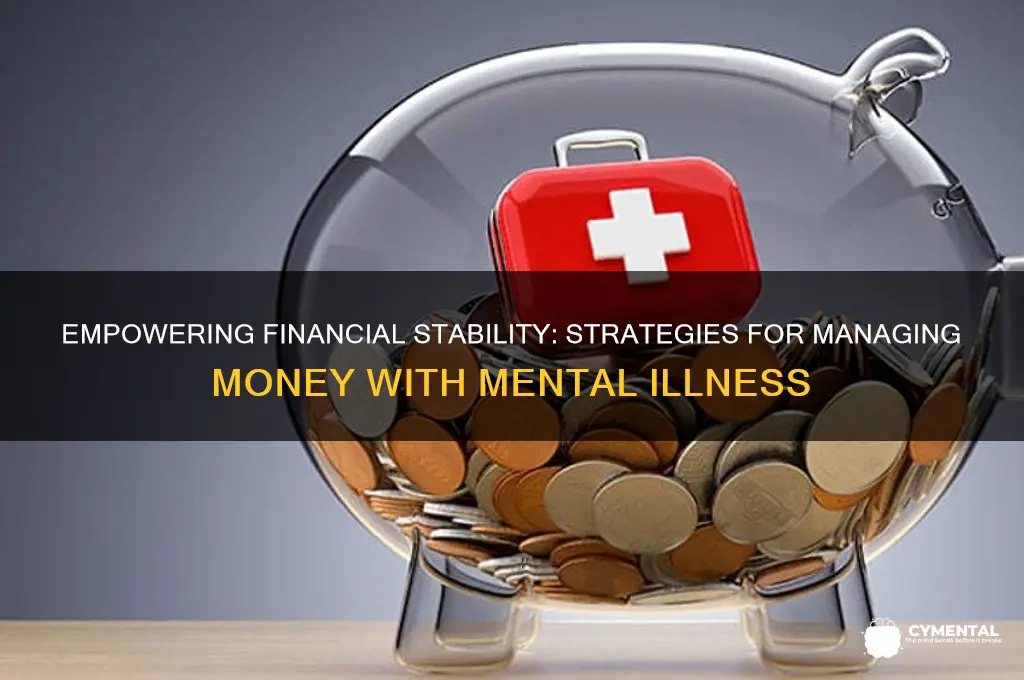
Managing finances can be particularly challenging for individuals with mental illness, as symptoms such as cognitive impairment, mood fluctuations, or lack of motivation can interfere with financial decision-making. To help them effectively manage their money, it is essential to establish a supportive framework that includes simplifying financial tasks, creating structured budgets, and leveraging tools like automatic bill payments or spending trackers. Additionally, involving trusted family members, friends, or professional financial advocates can provide accountability and guidance. Educating individuals about their financial rights and available resources, such as government assistance programs or mental health-specific financial services, is also crucial. By combining empathy, practical strategies, and tailored support, caregivers and loved ones can empower those with mental illness to achieve financial stability and reduce stress.
| Characteristics | Values |
|---|---|
| Financial Education | Provide simplified, accessible resources on budgeting, saving, and debt management. Use visual aids and step-by-step guides. |
| Structured Budgeting Tools | Utilize apps or spreadsheets with clear categories and automated reminders for bills and expenses. |
| Benefits and Entitlements | Assist in identifying and applying for government benefits, disability allowances, or subsidies. |
| Representative Payee Programs | Appoint a trusted individual or organization to manage benefits and essential expenses. |
| Simplified Banking | Encourage use of basic bank accounts with no fees, direct deposit, and easy-to-understand statements. |
| Regular Financial Check-Ins | Schedule periodic reviews of financial status to address issues early and adjust plans as needed. |
| Debt Management Support | Help negotiate payment plans, consolidate debt, or seek professional advice for overwhelming debt. |
| Emergency Funds | Encourage saving small amounts regularly for unexpected expenses, even if it’s a modest goal. |
| Legal and Financial Advocacy | Provide access to advocates or advisors to protect against financial exploitation or scams. |
| Involvement of Support Networks | Engage family, friends, or caregivers to provide oversight and emotional support in financial decisions. |
| Reduced Complexity | Minimize financial products (e.g., avoid multiple credit cards) and automate payments where possible. |
| Mental Health Integration | Collaborate with mental health providers to address financial stress as part of treatment plans. |
| Goal Setting | Help set achievable, short-term financial goals to build confidence and motivation. |
| Scam Awareness Training | Educate on common scams targeting vulnerable individuals and how to avoid them. |
| Accessible Technology | Use user-friendly apps or tools designed for individuals with cognitive challenges. |
| Empathy and Patience | Approach conversations with understanding, avoiding judgment, and allowing time for decision-making. |
Explore related products


What You'll Learn
- Budgeting Basics: Teach simple budgeting tools and strategies tailored for mental health challenges
- Automated Finances: Set up automatic bill payments and savings to reduce stress
- Trusted Support: Assign a financial advocate or trusted person to assist with decisions
- Simplify Accounts: Minimize accounts and use easy-to-manage banking options to avoid overwhelm
- Benefits & Resources: Help access government benefits, discounts, and financial aid programs

Budgeting Basics: Teach simple budgeting tools and strategies tailored for mental health challenges
Managing money can feel overwhelming for anyone, but for individuals facing mental health challenges, the task can be particularly daunting. Fluctuating energy levels, difficulty concentrating, and emotional highs and lows can disrupt even the best-laid financial plans. However, with the right tools and strategies, budgeting can become a manageable, even empowering, practice.
Step 1: Simplify the System
Start with a budgeting method that minimizes complexity. The *envelope system* is a tactile, visual approach ideal for those who struggle with abstract thinking or digital overwhelm. Allocate cash into labeled envelopes for essential categories like rent, groceries, and transportation. Once an envelope is empty, spending in that category stops until the next budgeting cycle. This method provides clear boundaries and reduces the cognitive load of tracking expenses. For those who prefer digital tools, apps like *Mint* or *YNAB (You Need A Budget)* offer automated tracking but require consistent engagement, which may be challenging during periods of low motivation.
Step 2: Break It Down
Large tasks can feel paralyzing, so break budgeting into smaller, manageable steps. Begin by identifying one financial goal, such as paying off a credit card or saving for an emergency fund. Then, divide the goal into weekly or monthly milestones. For example, if saving $500 in six months is the goal, aim for $20 per week. Celebrate small wins to reinforce progress and build confidence. This incremental approach aligns with cognitive behavioral therapy principles, which emphasize gradual change to overcome avoidance behaviors.
Step 3: Leverage Routine and Automation
Mental health challenges often disrupt daily routines, making consistency in financial management difficult. Automate as much as possible to reduce reliance on memory or motivation. Set up direct deposits for savings, automatic bill payments, and recurring transfers to investment accounts. Pair these automations with a simple monthly review to ensure alignment with your goals. For instance, schedule a 15-minute check-in on the first of each month to review transactions and adjust as needed. This blend of automation and periodic oversight minimizes stress while maintaining control.
Cautions and Adaptations
While budgeting tools can be effective, they must be tailored to individual needs. For those with anxiety or OCD, overly rigid systems may trigger distress. Allow flexibility within the budget for discretionary spending to prevent feelings of deprivation. Similarly, individuals with depression may struggle with motivation, so pairing financial tasks with enjoyable activities (e.g., budgeting while listening to music) can increase engagement. Avoid comparing your progress to others; focus on personal growth and sustainability.
Budgeting for mental health isn’t about perfection—it’s about creating a system that works for you. By simplifying tools, breaking tasks into smaller steps, and leveraging automation, financial management becomes less intimidating. Pair these strategies with self-compassion, recognizing that setbacks are part of the process. Over time, these practices can foster financial stability and a sense of control, even in the face of mental health challenges.
English Usage: Perpetuating Colonial Mentality or Fostering Global Communication?
You may want to see also
Explore related products


Automated Finances: Set up automatic bill payments and savings to reduce stress
Managing money can be overwhelming for anyone, but for individuals with mental illness, the stress and cognitive load can be particularly debilitating. One practical solution is to automate finances, specifically by setting up automatic bill payments and savings. This approach removes the need for constant decision-making and reduces the anxiety associated with missed payments or forgotten savings goals. By streamlining financial tasks, automation can provide a sense of stability and control, which is crucial for mental well-being.
Steps to Implement Automated Finances
Begin by listing all recurring bills, such as rent, utilities, and subscriptions. Contact your bank or use online banking tools to set up automatic payments for these expenses. Ensure the payment dates align with your income schedule to avoid overdrafts. For savings, allocate a fixed percentage of your income—experts often recommend 10–20%—and automate transfers to a separate savings account on payday. Many banks offer "round-up" features, which transfer spare change from purchases into savings, providing an effortless way to save small amounts over time.
Cautions and Considerations
While automation is helpful, it’s not foolproof. Regularly review your automated transactions to catch errors or changes in billing amounts. Be mindful of fluctuating incomes, especially for those with gig work or irregular paychecks, and adjust savings rates accordingly. Additionally, avoid over-automating; retain control over discretionary spending to prevent financial disconnection. For individuals with severe symptoms, consider involving a trusted person to monitor the system and provide occasional oversight.
Comparative Benefits
Compared to manual management, automated finances offer consistency and reduce the risk of late fees or credit damage. For someone experiencing depression or anxiety, the mental energy saved by not worrying about due dates can be redirected to self-care or treatment. Similarly, automated savings foster financial security without requiring constant motivation, which can be particularly challenging during episodes of low mood or fatigue. This system acts as a financial safety net, promoting long-term stability.
Practical Tips for Success
Start small by automating one or two bills and gradually expand the system as you grow comfortable. Use budgeting apps like Mint or YNAB, which integrate with bank accounts and provide reminders for upcoming payments. Label savings accounts with specific goals (e.g., "Emergency Fund" or "Vacation") to stay motivated. Finally, celebrate milestones, such as six months of consistent savings, to reinforce positive financial habits. With patience and persistence, automated finances can become a cornerstone of financial health for those managing mental illness.
Tutoring's Impact: Boosting Mental Health and Academic Confidence
You may want to see also
Explore related products



Trusted Support: Assign a financial advocate or trusted person to assist with decisions
For individuals with mental illness, financial decision-making can become overwhelming, leading to poor money management and vulnerability to exploitation. Assigning a financial advocate or trusted person to assist with these decisions can provide crucial support, ensuring financial stability and peace of mind. This approach, often referred to as a "trusted support system," involves designating a reliable individual to help navigate complex financial matters, from budgeting to long-term planning.
The Role of a Financial Advocate
A financial advocate can take various forms, such as a family member, close friend, or professional fiduciary. Their primary responsibility is to act in the best interest of the individual with mental illness, providing guidance and oversight in financial matters. This may include assisting with bill payments, monitoring bank accounts for unusual activity, and helping to create a realistic budget. For instance, a trusted sibling could be granted limited power of attorney to manage a portion of their brother's finances, ensuring essential expenses like rent and utilities are prioritized. It is essential to establish clear boundaries and expectations, defining the scope of the advocate's involvement to maintain trust and autonomy.
Implementing Trusted Support: A Step-by-Step Guide
To establish a trusted support system, begin by identifying potential advocates who possess financial acumen, empathy, and a strong understanding of the individual's needs. Next, initiate an open conversation about the challenges faced in managing finances and the potential benefits of shared decision-making. Once a willing advocate is identified, formalize the arrangement through legal documentation, such as a power of attorney or representative payee agreement. Regular check-ins and transparent communication are vital to ensuring the system remains effective and adaptable to changing circumstances. For example, a monthly meeting to review financial goals and progress can help maintain accountability and foster a sense of collaboration.
Cautions and Considerations
While trusted support can be invaluable, it is not without potential pitfalls. Over-reliance on an advocate may lead to diminished financial confidence and decision-making skills. To mitigate this risk, encourage gradual skill-building, such as involving the individual in financial discussions and providing opportunities for independent money management. Additionally, be mindful of potential conflicts of interest and ensure the advocate is held accountable through regular oversight and reporting. In cases where family members are involved, consider seeking external mediation to navigate complex dynamics and maintain impartiality.
Long-Term Benefits and Adaptations
A well-structured trusted support system can yield significant long-term benefits, including improved financial literacy, reduced stress, and enhanced overall well-being. As the individual's needs and capabilities evolve, the advocate's role may shift, requiring periodic reassessment and adjustment. For instance, an individual with schizophrenia who has developed effective coping strategies through therapy may gradually take on more financial responsibilities, with the advocate transitioning to a consultative role. By remaining flexible and responsive to changing circumstances, the trusted support system can continue to provide valuable assistance while fostering greater independence and self-sufficiency.
Laughter as Therapy: How Humor Boosts Mental Health and Resilience
You may want to see also
Explore related products


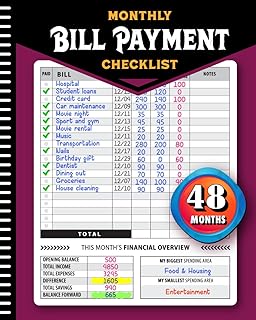


Simplify Accounts: Minimize accounts and use easy-to-manage banking options to avoid overwhelm
Managing multiple bank accounts can feel like juggling chainsaws for anyone, but for individuals with mental health challenges, it can be particularly overwhelming. Simplifying accounts isn't just about reducing numbers; it's about creating a financial environment that minimizes stress and maximizes clarity.
Step 1: Consolidate Accounts. Start by identifying essential accounts—typically a checking account for daily expenses and a savings account for emergencies. Close redundant accounts, such as old credit cards or unused investment accounts, after ensuring no automatic payments are tied to them. For example, if someone has three checking accounts, merge them into one primary account to streamline transactions and reduce confusion.
Step 2: Choose User-Friendly Banking Options. Opt for banks with intuitive interfaces, clear fee structures, and robust customer support. Digital-first banks often offer simpler platforms, but for those who prefer in-person assistance, local credit unions can provide personalized service. Features like automatic bill pay, low balance alerts, and spending trackers can further reduce cognitive load.
Caution: Avoid Over-Simplification. While minimizing accounts is beneficial, ensure the remaining accounts meet all financial needs. For instance, eliminating a savings account entirely could hinder long-term financial stability. Balance simplicity with functionality.
Takeaway: Simplifying accounts isn’t about deprivation—it’s about empowerment. By reducing complexity, individuals with mental health challenges can focus on what matters most: financial stability and peace of mind. Start small, consolidate thoughtfully, and choose tools that align with individual needs. The goal is clarity, not austerity.
Supporting Mentally Ill Homeless Relatives: Compassionate Strategies for Family Care
You may want to see also
Explore related products

$11.99 $14.99





Benefits & Resources: Help access government benefits, discounts, and financial aid programs
Navigating the financial landscape can be particularly challenging for individuals with mental illness, often due to symptoms that impair decision-making, concentration, or motivation. Government benefits, discounts, and financial aid programs can provide critical support, but accessing them requires awareness and proactive steps. Many people are unaware of the range of resources available, from Supplemental Security Income (SSI) to housing assistance, which can significantly alleviate financial stress. Identifying and applying for these programs is the first step toward financial stability.
To begin, research eligibility criteria for federal and state programs tailored to individuals with disabilities, including mental health conditions. For instance, SSI offers monthly payments to adults and children with disabilities who meet income and asset limits. Similarly, the Social Security Disability Insurance (SSDI) program provides benefits to those who have worked and paid into Social Security but are now unable to work due to disability. Local Departments of Social Services or non-profit organizations like the National Alliance on Mental Illness (NAMI) can guide applicants through the often complex application process.
Another valuable resource is Medicaid, which provides health coverage, including mental health services, to eligible low-income individuals. In many states, Medicaid also covers supportive housing programs, such as Section 8 vouchers, which subsidize rent for qualifying individuals. Additionally, the Supplemental Nutrition Assistance Program (SNAP) can help cover grocery costs, freeing up funds for other necessities. These programs often have overlapping eligibility requirements, so applying for one may open doors to others.
Discount programs and financial aid should not be overlooked. Many states offer reduced-cost or free public transportation passes for individuals with disabilities, easing the burden of commuting to appointments or work. Utility companies frequently provide bill assistance or discounted rates for low-income households. Educational grants and scholarships specifically for individuals with mental health conditions, such as those offered by the American Psychiatric Association Foundation, can support career development or skill-building.
Finally, consider enlisting the help of a benefits specialist or case manager, often available through community mental health centers. These professionals can assess eligibility, assist with applications, and ensure ongoing compliance with program requirements. While the process may seem daunting, the long-term financial relief and stability gained from accessing these resources make the effort worthwhile. By leveraging government benefits and discounts, individuals with mental illness can focus more on their well-being and less on financial strain.
Mental Health Support: A Key to Preventing School Shootings?
You may want to see also
Frequently asked questions
Start by having an open and non-judgmental conversation about their financial goals and challenges. Consider setting up a joint bank account or using budgeting tools to monitor spending. Encourage them to grant you power of attorney for financial decisions if necessary, and involve a trusted professional like a financial advisor or therapist for additional support.
Establish a clear budget and break it down into weekly or daily allowances. Use prepaid cards or cash envelopes to limit spending. Automate bill payments to avoid missed deadlines, and regularly review bank statements together to identify and address any issues early.
Encourage small, manageable steps like tracking expenses or saving a portion of their income. Provide guidance on basic financial skills, such as reading bank statements or understanding credit. Celebrate their progress to boost confidence, and ensure they have access to resources like financial literacy programs or support groups.