Madison Cole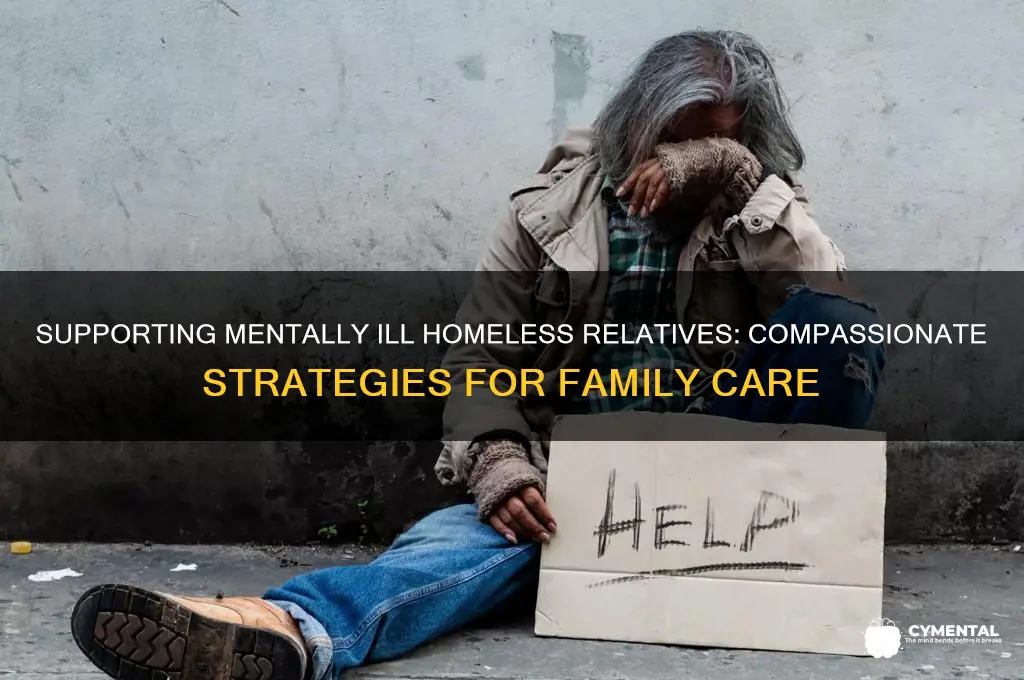
Helping a mentally ill homeless family member requires a compassionate, patient, and informed approach. Begin by acknowledging their struggles without judgment, as mental illness and homelessness often create complex barriers to trust and communication. Establish a consistent presence in their life, offering small, practical forms of support like food, clothing, or hygiene items, while respecting their autonomy. Educate yourself about their specific mental health condition and local resources, such as shelters, mental health clinics, or outreach programs, to connect them with professional help. Encourage them to seek treatment gently, but avoid forcing decisions, as this can erode trust. Collaborate with social workers or case managers who specialize in homelessness and mental health, and consider family therapy to improve understanding and communication. Above all, prioritize your own well-being, as supporting a loved one in this situation can be emotionally taxing, and maintaining your own health is essential for providing effective, long-term assistance.
Explore related products


What You'll Learn
- Finding Local Resources: Identify shelters, clinics, and support programs offering mental health and housing assistance
- Building Trust: Approach with empathy, patience, and consistency to foster open communication and cooperation
- Crisis Intervention: Learn to recognize signs of crisis and access emergency mental health services promptly
- Legal and Financial Aid: Explore guardianship, benefits, and legal support to ensure stability and care
- Self-Care for Caregivers: Prioritize your mental health to avoid burnout while supporting your family member

Finding Local Resources: Identify shelters, clinics, and support programs offering mental health and housing assistance
Shelters, clinics, and support programs form the backbone of assistance for mentally ill homeless individuals, yet many families remain unaware of the resources available in their own communities. Start by contacting your local United Way by dialing 2-1-1, a nationwide referral service that connects individuals with essential health and human services. This hotline can provide tailored information on nearby shelters offering temporary housing, clinics providing mental health treatment, and programs addressing both homelessness and mental illness. Remember, these resources often have specific eligibility criteria, so be prepared to provide details about your family member’s situation.
Beyond hotlines, a proactive approach involves directly researching local organizations. Visit the websites of your city or county’s health and human services departments, which typically list shelters, clinics, and programs within their jurisdiction. Look for specialized facilities like Housing First programs, which prioritize providing stable housing before addressing other issues like mental health, or Assertive Community Treatment (ACT) teams, which offer intensive, wraparound services for individuals with severe mental illness. Don’t overlook faith-based organizations and community centers, which often run smaller-scale but highly effective support programs.
When evaluating shelters, consider their capacity to address mental health needs. Some shelters employ on-site mental health professionals or partner with local clinics to provide counseling and medication management. Others may offer case management services to help individuals navigate the complex web of benefits and resources. For example, a shelter might assist your family member in applying for Supplemental Security Income (SSI) or Medicaid, which can fund ongoing treatment and housing support. Ask about waitlists, as popular programs often have limited availability, and inquire about any restrictions, such as sobriety requirements or age limits.
Clinics specializing in mental health care for homeless populations can be particularly valuable. Federally Qualified Health Centers (FQHCs) and community mental health centers often provide services on a sliding fee scale, making treatment accessible regardless of income. Some clinics offer integrated care models, addressing physical health, mental health, and substance use disorders simultaneously. For instance, a clinic might prescribe antipsychotic medications (e.g., olanzapine 10–20 mg daily for schizophrenia) while also providing therapy and connecting patients with housing resources. Always verify that the clinic accepts your family member’s insurance or offers financial assistance.
Finally, support programs can bridge the gap between immediate needs and long-term stability. Peer support groups, such as those facilitated by the National Alliance on Mental Illness (NAMI), provide a sense of community and shared understanding. Vocational rehabilitation programs help individuals regain employment skills, while housing assistance programs like Section 8 vouchers or rapid rehousing initiatives offer pathways to permanent housing. For example, a rapid rehousing program might cover security deposits and first month’s rent, coupled with short-term rental assistance, to help your family member transition out of homelessness. By combining these resources, you can create a comprehensive support network tailored to your family member’s unique needs.
Supporting Student Well-being: Practical Strategies for Schools to Enhance Mental Health
You may want to see also
Explore related products



Building Trust: Approach with empathy, patience, and consistency to foster open communication and cooperation
Trust is the cornerstone of any relationship, but with a mentally ill homeless family member, it’s often fractured by fear, stigma, and instability. Rebuilding it requires more than good intentions—it demands empathy, patience, and consistency. Empathy means recognizing their reality without judgment, even when it’s chaotic or hard to understand. Patience means accepting that progress may be slow, measured in small, incremental steps rather than breakthroughs. Consistency means showing up, physically or emotionally, in ways they can rely on, even when it’s inconvenient. Without these, attempts to help can feel intrusive or insincere, deepening their isolation.
Consider this scenario: Your sibling, struggling with schizophrenia and living on the streets, avoids contact because past interactions left them feeling criticized or misunderstood. To rebuild trust, start by meeting them where they are—literally and figuratively. If they’re in a park, bring a meal and sit nearby without demanding conversation. Listen more than you speak, and validate their feelings, even if their perspective seems distorted. For example, instead of saying, “That’s not true,” try, “I can see why you feel that way.” Over time, small acts of reliability—like showing up at the same time each week—signal that you’re a safe presence. Avoid making promises you can’t keep, as broken commitments erode trust faster than it’s built.
Practical consistency is key, but it must be paired with emotional attunement. For instance, if your family member is paranoid about authorities, avoid involving them unless absolutely necessary. Instead, focus on building a rapport that feels non-threatening. Use open-ended questions like, “What’s been on your mind lately?” rather than probing directly about their homelessness or mental health. Be mindful of body language—maintain a calm demeanor, avoid sudden movements, and respect their personal space. Over time, these actions communicate that you’re not there to control or fix them, but to support them on their terms.
One common mistake is expecting trust to translate into immediate cooperation. For example, offering housing or treatment may be met with resistance, even after months of building rapport. This doesn’t mean your efforts are wasted; it’s a reflection of their fear and trauma. Instead of pushing, continue to offer low-pressure support, like helping them access clean clothing or a safe place to charge their phone. Trust is not a transaction—it’s a foundation that, once solid, can eventually support more significant interventions.
Finally, remember that trust-building is a two-way street. Be honest about your limitations and emotions, but avoid dumping your frustrations on them. For instance, if you’re feeling overwhelmed, say, “This is hard for me too, but I’m here because I care about you.” This transparency humanizes you and models healthy communication. Building trust with a mentally ill homeless family member is not about rescuing them—it’s about creating a relationship where they feel seen, heard, and valued, even in the midst of their struggles. It’s slow, often thankless work, but it’s the only way to foster the cooperation needed for meaningful change.
Exercise and Mental Health: Unlocking the Mind-Body Connection for Wellness
You may want to see also
Explore related products




Crisis Intervention: Learn to recognize signs of crisis and access emergency mental health services promptly
Recognizing the signs of a mental health crisis in a homeless family member is the first step toward effective intervention. Look for sudden changes in behavior, such as increased agitation, withdrawal from interaction, or expressions of hopelessness. Physical signs like neglect of personal hygiene or sudden weight loss can also indicate a deepening crisis. For example, if your family member, who typically manages their schizophrenia with medication, starts hearing voices again and becomes unresponsive, this could signal a relapse requiring immediate attention. Understanding these cues allows you to act before the situation escalates.
Once you identify a crisis, accessing emergency mental health services becomes critical. Start by calling local crisis hotlines, such as the National Alliance on Mental Illness (NAMI) Helpline (1-800-950-NAMI), which provides guidance and resources. If the situation is life-threatening, dial 911 and request a Crisis Intervention Team (CIT)-trained officer, who is better equipped to handle mental health emergencies. In some cities, mobile crisis units can dispatch mental health professionals directly to the individual’s location. For instance, in Los Angeles, the Los Angeles County Department of Mental Health operates a 24/7 Access Center (800-854-7771) that connects individuals to immediate care. Knowing these resources in advance ensures you can respond swiftly and effectively.
While waiting for professional help, prioritize de-escalation techniques to keep your family member and yourself safe. Speak calmly and avoid confrontational language. Offer simple, reassuring statements like, “I’m here to help” or “Let’s figure this out together.” If they are experiencing paranoia or hallucinations, do not argue about their reality but acknowledge their feelings. For example, say, “I can see you’re scared,” instead of, “There’s nothing there.” Keep the environment quiet and free of triggers, such as loud noises or crowds. These steps can stabilize the situation until professionals arrive.
Finally, after the immediate crisis is addressed, advocate for long-term support to prevent future emergencies. Encourage your family member to engage with case management services, which can help coordinate housing, medication, and therapy. Programs like Assertive Community Treatment (ACT) provide intensive, wraparound services for individuals with severe mental illness. Additionally, educate yourself about their diagnosis and treatment plan to better support their recovery. By combining crisis intervention with ongoing care, you can help your family member navigate the challenges of homelessness and mental illness more effectively.
Supporting Your Adult Son’s Mental Health: Practical Steps for Parents
You may want to see also
Explore related products


Legal and Financial Aid: Explore guardianship, benefits, and legal support to ensure stability and care
Navigating the legal and financial landscape can be a lifeline for a mentally ill homeless family member, offering a framework for stability and care. Establishing guardianship is often the first step, a legal process that grants you the authority to make critical decisions on their behalf. This can include managing their finances, ensuring they receive necessary medical treatment, and securing housing. Each state has specific requirements, so consult a family law attorney to understand the process, which typically involves filing a petition with the local probate court and providing medical documentation of their incapacity.
Beyond guardianship, accessing government benefits is crucial. The Supplemental Security Income (SSI) program provides monthly payments to adults with disabilities, including mental illness, who meet income and asset limits. For those with a work history, Social Security Disability Insurance (SSDI) may be an option. Additionally, Medicaid offers healthcare coverage, which is essential for ongoing treatment and medication. The application process can be complex, so consider working with a social worker or benefits specialist who can guide you through the paperwork and advocate on your behalf.
Legal support extends to protecting your family member from exploitation or abuse. Homeless individuals with mental illness are particularly vulnerable, and having a legal advocate can help safeguard their rights. This might involve filing restraining orders, resolving legal disputes, or addressing issues related to public benefits. Pro bono legal services are often available through local legal aid organizations, which can provide representation at no cost to low-income individuals.
A practical tip is to keep detailed records of all legal and financial actions taken on their behalf. This includes documentation of medical appointments, benefit applications, and any court proceedings. Not only does this ensure transparency, but it also helps in demonstrating accountability if questioned by legal authorities or family members. Regularly reviewing these records with a trusted advisor can help identify gaps in care or areas where additional support is needed.
Finally, consider the emotional toll this process can take on both you and your family member. While legal and financial aid provides essential structure, it’s equally important to approach these steps with empathy and patience. Involve them in decisions whenever possible, respecting their autonomy while ensuring their safety. Balancing legal responsibility with compassion can foster trust and cooperation, making the journey toward stability more manageable for everyone involved.
Healing Hooves: How Horses Boost Mental Health and Well-being
You may want to see also
Explore related products





Self-Care for Caregivers: Prioritize your mental health to avoid burnout while supporting your family member
Caring for a mentally ill homeless family member is emotionally taxing, often blurring the lines between compassion and exhaustion. While your instinct to help is vital, neglecting your own mental health can lead to caregiver burnout, a state of physical, emotional, and mental exhaustion that diminishes your ability to provide effective support. Recognizing this risk is the first step toward sustainable caregiving.
Identify Early Signs of Burnout:
Watch for red flags like persistent fatigue, irritability, withdrawal from social activities, or feelings of helplessness. These symptoms signal that your well-being is compromised. For instance, if you find yourself snapping at your loved one over minor issues or losing patience more frequently, it’s a clear indicator that self-care is overdue. Tracking your mood daily in a journal can help you spot patterns before they escalate.
Establish Boundaries and Seek Support:
Caregiving doesn’t mean sacrificing your entire life. Set clear limits on time and emotional investment. For example, dedicate specific hours to assisting your family member while reserving evenings for personal activities. Enlist the help of other family members, friends, or community resources to share the load. Organizations like the National Alliance on Mental Illness (NAMI) offer support groups for caregivers, providing a space to share experiences and strategies.
Incorporate Daily Self-Care Practices:
Small, consistent actions can prevent burnout. Allocate 15–30 minutes daily for activities that recharge you—whether it’s meditation, exercise, reading, or a hobby. Prioritize sleep by maintaining a regular bedtime routine, aiming for 7–9 hours nightly. Nutrition also plays a role; avoid relying on caffeine or sugar for energy, opting instead for balanced meals rich in fruits, vegetables, and lean proteins.
Professional Guidance and Respite Care:
Don’t hesitate to seek therapy or counseling to process your emotions and develop coping strategies. A mental health professional can provide tailored advice for managing stress. Additionally, explore respite care options, which offer temporary relief by having a trained caregiver take over for a few hours or days. This break allows you to recharge without guilt, knowing your family member is in capable hands.
Reframe Your Role:
Shift your mindset from being a martyr to being a sustainable ally. Your ability to help hinges on your own resilience. By prioritizing self-care, you model healthy behavior and ensure you can provide long-term support. Remember, you’re not alone in this journey—reaching out for help is a strength, not a weakness.
Empowering Change: Simple Actions to Make a Positive Impact Today
You may want to see also
Frequently asked questions
Approach them calmly, respectfully, and at a time when they seem receptive. Use non-confrontational language, express concern, and offer specific, immediate help (e.g., food, shelter, or medical care) rather than overwhelming them with long-term solutions.
Reach out to local homeless shelters, mental health clinics, or community outreach programs. Organizations like the National Alliance on Mental Illness (NAMI) or local crisis hotlines can provide guidance and support tailored to their needs.
Set clear boundaries and focus on empowering them to seek help rather than solving their problems for them. Prioritize self-care and seek support for yourself through therapy, support groups, or trusted friends to avoid burnout.