Ava Ramirez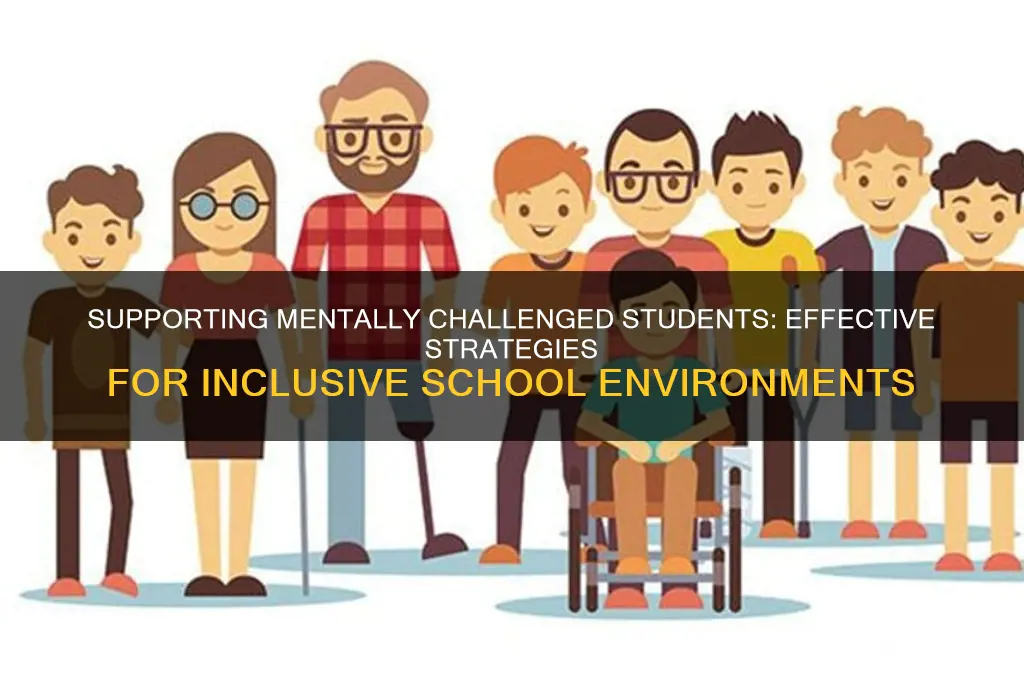
Supporting mentally challenged children in school requires a multifaceted approach that prioritizes inclusivity, individualized attention, and collaboration among educators, parents, and specialists. By fostering a supportive learning environment, teachers can implement tailored strategies such as differentiated instruction, visual aids, and sensory accommodations to meet the unique needs of these students. Encouraging peer interaction and promoting empathy among classmates helps build a sense of belonging, while regular communication with caregivers ensures consistency in support both at school and home. Additionally, integrating mental health professionals and special education resources can provide essential tools and therapies to enhance academic and emotional growth, ultimately empowering these children to thrive in their educational journey.
Explore related products


What You'll Learn
- Inclusive Classroom Strategies: Adapt teaching methods to accommodate diverse learning needs effectively
- Behavioral Support Plans: Develop tailored plans to manage and improve challenging behaviors
- Peer Support Programs: Encourage classmates to foster understanding and friendship with special needs students
- Individualized Education Plans (IEPs): Create personalized goals and resources for academic success
- Teacher Training & Awareness: Equip educators with skills to support mentally challenged students

Inclusive Classroom Strategies: Adapt teaching methods to accommodate diverse learning needs effectively
Creating an inclusive classroom requires a shift from one-size-fits-all teaching to a flexible, responsive approach. Start by assessing each student’s learning profile—strengths, challenges, and preferred learning styles. For instance, a child with ADHD may benefit from frequent movement breaks, while a student with dyslexia might need multisensory reading tools like textured letters or audio support. Use tools like Individualized Education Programs (IEPs) to tailor strategies, ensuring accommodations are specific, measurable, and aligned with developmental milestones. For example, a 7-year-old with autism might require visual schedules and noise-canceling headphones, while a 12-year-old with anxiety could benefit from a "calm corner" equipped with fidget tools and guided breathing exercises.
Adapting teaching methods isn’t about lowering standards but reimagining how content is delivered. Incorporate Universal Design for Learning (UDL) principles by offering multiple means of engagement, representation, and expression. For a history lesson, provide options like role-playing historical figures, creating digital timelines, or writing diary entries from a character’s perspective. For math, use manipulatives for tactile learners, visual models for spatial thinkers, and real-world problem-solving scenarios for practical learners. Research shows that UDL increases achievement for all students, not just those with disabilities, by addressing diverse cognitive pathways. For instance, a study in *Learning Disabilities Quarterly* found that students in UDL classrooms scored 28% higher on standardized tests compared to traditional settings.
While adapting methods, beware of common pitfalls. Over-reliance on technology can exclude students with sensory sensitivities or limited digital access. For example, a child with epilepsy might trigger seizures from flashing screens, requiring low-tech alternatives like physical flashcards or hands-on experiments. Similarly, group work, though valuable, can marginalize students with social anxiety or communication disorders unless structured with clear roles and nonverbal participation options. Always pilot new strategies with individual students before scaling up, and regularly solicit feedback through simple check-ins like thumbs-up/thumbs-down or emotion charts.
The ultimate goal is to foster a classroom culture where differences are celebrated, not merely tolerated. Model inclusive language by avoiding deficit-based terms like "slow learner" and instead emphasizing growth mindsets. For instance, instead of saying, "You’re struggling with this," reframe as, "Let’s explore another way to approach this challenge." Encourage peer collaboration through buddy systems or co-learning projects, where students with varying abilities teach one another. A 2020 study in *Exceptional Children* found that such partnerships improved social skills by 40% and academic confidence by 35% across all participants. By embedding adaptability into the classroom’s DNA, educators create a dynamic environment where every learner thrives.
Emotional Support Animals: Healing Companions for Mental Health Disorders
You may want to see also
Explore related products


Behavioral Support Plans: Develop tailored plans to manage and improve challenging behaviors
Children with mental challenges often exhibit behaviors that disrupt classroom learning and social interactions. These behaviors, ranging from aggression to withdrawal, stem from difficulties processing emotions, sensory overload, or communication barriers. A one-size-fits-all approach to discipline or redirection rarely works. Behavioral Support Plans (BSPs) offer a structured, individualized solution, addressing the root causes of challenging behaviors while fostering a supportive learning environment.
Developing a BSP begins with a comprehensive assessment. This involves observing the child's behavior patterns, identifying triggers, and understanding the function of the behavior (e.g., seeking attention, escaping a task, expressing frustration). Input from parents, teachers, and specialists is crucial. For instance, a child who frequently throws objects during group activities might be overwhelmed by noise levels or struggling to express a need for a break. The plan should outline specific, measurable goals, such as reducing physical aggression by 50% within three months.
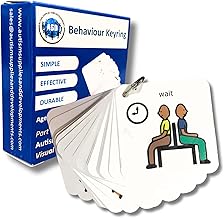
A well-designed BSP includes proactive strategies to prevent challenging behaviors. For a child with autism who struggles with transitions, visual schedules and timers can provide predictability. For a student with ADHD, frequent movement breaks or fidget tools might help channel excess energy. Reactive strategies are equally important. Instead of punitive measures, focus on de-escalation techniques like deep breathing exercises or access to a quiet space. For example, a 5-minute "calm-down corner" with sensory tools can help a child regain composure after a meltdown.
Consistency is key to the success of a BSP. All staff interacting with the child must be trained in the plan's strategies and expected to implement them consistently. Regular reviews and adjustments are essential, as children's needs evolve. Data collection, such as tracking the frequency and intensity of behaviors, provides objective feedback on the plan's effectiveness. For instance, if a child's tantrums decrease from five per week to two after implementing a visual schedule, the strategy is likely working.
While BSPs require time and effort to develop and maintain, the benefits are significant. They not only reduce disruptive behaviors but also empower children by teaching self-regulation skills. A tailored plan can transform a child's school experience, fostering a sense of belonging and academic success. For example, a 10-year-old with oppositional defiant disorder, after receiving a BSP that included positive reinforcement for task completion, showed a 70% increase in classroom participation within six weeks. This approach shifts the focus from managing problems to nurturing potential, creating a more inclusive and effective learning environment.
Move Your Body, Boost Your Mind: The Mental Health Benefits of Physical Activity
You may want to see also
Explore related products


Peer Support Programs: Encourage classmates to foster understanding and friendship with special needs students
Peer support programs can transform school environments by fostering empathy, understanding, and genuine friendships between students with and without special needs. These initiatives pair typically developing students with their peers who have mental or developmental challenges, creating structured opportunities for interaction and collaboration. For instance, a program might assign a "buddy" to assist a special needs student during group projects, recess, or extracurricular activities. This not only provides practical support but also breaks down social barriers, as familiarity breeds comfort and acceptance. Schools implementing such programs often report improved social integration, reduced bullying, and a more inclusive school culture.
Designing an effective peer support program requires careful planning and sensitivity. Start by training participating students on the basics of interacting with peers who have special needs, emphasizing patience, active listening, and respect. For younger age groups (elementary school), focus on simple, activity-based interactions, such as playing games or reading together, which naturally encourage communication. For older students (middle and high school), incorporate goal-setting and problem-solving exercises that allow both parties to contribute equally. For example, a pair might work together to organize a school event, with the special needs student taking the lead in areas where they excel, such as art or music.
One common challenge in peer support programs is ensuring that the relationship feels mutually beneficial, not one-sided. To address this, structure activities so that both students have opportunities to teach and learn from each other. For instance, a special needs student skilled in puzzles could teach their peer, while the peer might help with writing or technology. Additionally, provide regular feedback sessions where participants can share their experiences and suggest improvements. This not only enhances the program’s effectiveness but also empowers students to take ownership of their roles.
While peer support programs offer significant benefits, they must be implemented thoughtfully to avoid tokenism or unintended harm. Avoid forcing interactions that feel unnatural or uncomfortable for either party. Instead, allow relationships to develop organically within a supportive framework. Monitor the program closely, especially in its early stages, to ensure all participants feel valued and included. Finally, celebrate successes publicly—whether through assemblies, newsletters, or social media—to reinforce the program’s importance and inspire broader participation. When executed well, peer support programs not only help special needs students feel accepted but also enrich the lives of their peers, creating a more compassionate and connected school community.
Navigating Involuntary Mental Health Interventions: A Guide for Concerned Loved Ones
You may want to see also
Explore related products


Individualized Education Plans (IEPs): Create personalized goals and resources for academic success
Every child with mental challenges has a unique learning profile, and a one-size-fits-all approach to education can leave them struggling to keep up. This is where Individualized Education Plans (IEPs) step in as a powerful tool, offering a tailored roadmap for academic success. Think of an IEP as a personalized contract between the school, parents, and the student, outlining specific goals, accommodations, and support services designed to meet the child's individual needs.
For instance, a child with dyslexia might have an IEP that includes goals for improving reading fluency and comprehension, with accommodations like extra time on tests and access to audiobooks.
Crafting an effective IEP involves a collaborative effort. A team, typically including parents, teachers, special education professionals, and sometimes the student themselves, meets to assess the child's strengths, weaknesses, and learning style. This assessment forms the foundation for setting realistic and measurable goals. These goals should be specific, achievable, and relevant to the child's academic progress. For example, instead of a vague goal like "improve reading skills," an IEP might aim for "increase reading comprehension by two grade levels within one academic year."
The IEP also details the specific resources and accommodations necessary to support these goals. This could include specialized instruction from a special education teacher, assistive technology like text-to-speech software, or modifications to the classroom environment, such as preferential seating or reduced distractions.
While IEPs are incredibly beneficial, their success hinges on regular review and adjustment. Progress towards goals should be monitored closely, and the IEP team should meet periodically to evaluate what's working and what needs to be modified. This iterative process ensures the plan remains relevant and effective as the child grows and their needs evolve.
Imagine an IEP as a living document, constantly adapting to the child's progress and changing circumstances, ensuring they receive the support they need to thrive academically.
Implementing an IEP requires commitment from all involved parties. Teachers need training to effectively implement the plan's strategies, and parents play a crucial role in providing support at home and advocating for their child's needs. Schools must ensure they have the resources and personnel to deliver the services outlined in the IEP. When everyone works together, IEPs become powerful tools, unlocking the potential of every child, regardless of their challenges.
Seeking Mental Health Support: Can 111 Be a Helpful Resource?
You may want to see also
Explore related products


Teacher Training & Awareness: Equip educators with skills to support mentally challenged students
Educators are often the first line of support for mentally challenged students, yet many lack the specialized training to address their unique needs effectively. Without adequate preparation, teachers may inadvertently create barriers to learning, exacerbating challenges for these students. To bridge this gap, teacher training programs must prioritize evidence-based strategies tailored to mental health conditions prevalent in school-aged children, such as ADHD, anxiety, and autism spectrum disorder (ASD). For instance, a study published in the *Journal of Special Education* found that teachers who received training in positive behavior interventions and supports (PBIS) saw a 30% reduction in disruptive behaviors among students with ADHD.
Consider a three-tiered training approach: foundational workshops, ongoing professional development, and peer mentoring. Foundational workshops should cover neurodiversity awareness, de-escalation techniques, and individualized education plan (IEP) implementation. For example, educators can learn to use visual schedules for students with ASD, which research shows improves task engagement by up to 45%. Ongoing professional development should focus on case studies and role-playing scenarios to reinforce skills. Peer mentoring programs, where experienced special education teachers guide newcomers, can provide real-time support and foster a culture of continuous learning.
However, training alone is insufficient without systemic awareness. Schools must cultivate an environment that values inclusivity and mental health literacy. Administrators should mandate annual mental health training for all staff, not just special education teachers, to ensure a unified approach. For instance, general education teachers can benefit from learning about sensory processing disorders, enabling them to adapt classroom lighting or seating arrangements for sensitive students. Additionally, schools should partner with mental health professionals to provide on-site consultations, ensuring educators have access to expert guidance when needed.
A cautionary note: training programs must avoid a one-size-fits-all approach. Mental health challenges manifest differently across age groups and developmental stages. For example, anxiety in a 7-year-old may present as clinginess, while in a teenager, it might appear as avoidance or irritability. Trainings should incorporate age-specific strategies, such as mindfulness exercises for younger children and cognitive-behavioral techniques for adolescents. Furthermore, educators must be trained to recognize when a student’s needs exceed their expertise and require external intervention, such as counseling or medical evaluation.
In conclusion, equipping educators with the skills to support mentally challenged students requires a multi-faceted approach that combines targeted training, systemic awareness, and adaptability. By investing in teacher development and fostering an inclusive school culture, educators can create a nurturing environment where all students thrive. The ultimate takeaway? Empowered teachers lead to empowered students, breaking down barriers and unlocking potential in the classroom and beyond.
Rising Demand for Mental Health Support: A Growing Trend in Seeking Help
You may want to see also
Frequently asked questions
Teachers can create an inclusive environment by using differentiated instruction, providing visual aids, maintaining a structured routine, and fostering peer support. Regular communication with parents and special educators is also essential.
Encourage group activities, role-playing scenarios, and social stories to teach appropriate behaviors. Pairing them with neurotypical peers for buddy systems and providing positive reinforcement for social interactions can also be effective.
Parents can advocate for individualized education plans (IEPs), maintain open communication with teachers, and reinforce learning at home through consistent routines and positive encouragement. Celebrating small achievements also boosts confidence.
Sensory support, such as sensory breaks, fidget tools, or quiet spaces, helps children regulate their emotions and focus. Teachers can incorporate sensory activities into lessons to accommodate different learning needs.