Caleb Wright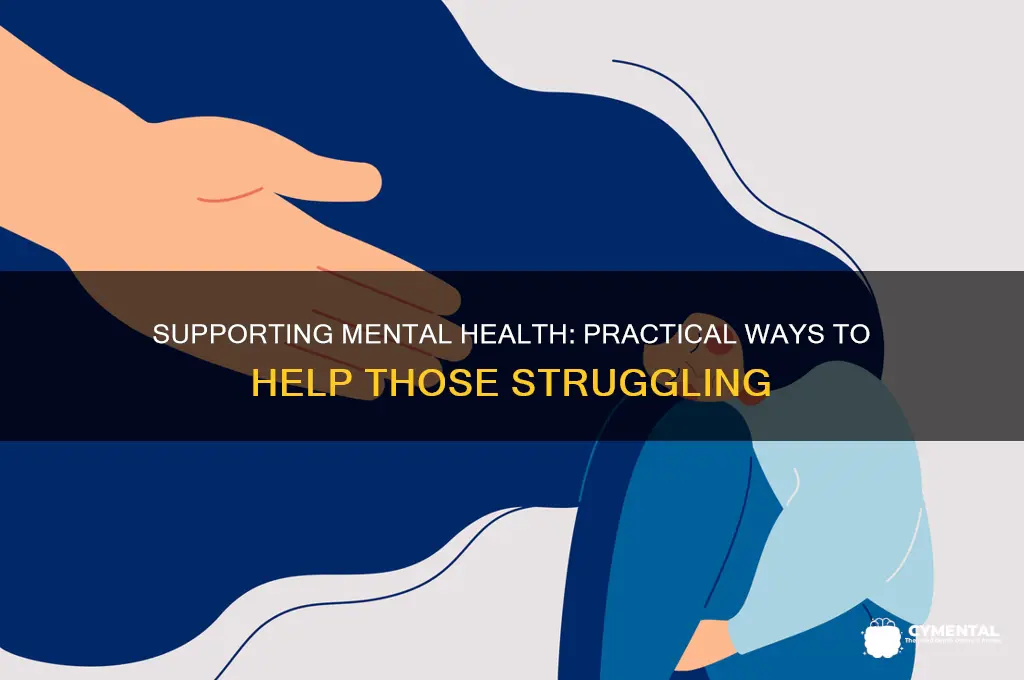
Helping individuals with mental health issues requires empathy, understanding, and a proactive approach. It begins with creating a safe, non-judgmental space where they feel heard and validated, encouraging open communication without fear of stigma. Educating oneself about mental health conditions is crucial to provide informed support, while also recognizing the importance of professional intervention when needed. Simple acts like active listening, offering reassurance, and helping them access resources such as therapy or support groups can make a significant difference. Encouraging self-care practices, maintaining patience, and avoiding dismissive language are equally vital. Ultimately, fostering a supportive environment and being a consistent presence can empower those struggling with mental health challenges to seek help and work toward recovery.
Explore related products


What You'll Learn
- Active Listening: Show empathy, focus fully, avoid judgment, and validate feelings to build trust and understanding
- Encourage Professional Help: Gently suggest therapy, counseling, or medication as essential steps for recovery
- Promote Self-Care: Support healthy habits like sleep, exercise, nutrition, and mindfulness to improve mental well-being
- Reduce Stigma: Educate others, use respectful language, and share stories to normalize mental health conversations
- Stay Connected: Maintain regular contact, offer companionship, and create safe spaces for open communication

Active Listening: Show empathy, focus fully, avoid judgment, and validate feelings to build trust and understanding
One of the most powerful tools in supporting someone with mental health struggles is the art of active listening. It's not just about hearing words; it's about creating a safe space where individuals feel truly heard and understood. This practice goes beyond casual conversation; it's a deliberate and focused approach that can significantly impact a person's well-being. When someone is grappling with mental health issues, their thoughts and emotions can be overwhelming, and having a listener who is fully present can provide much-needed relief.
The Technique Unveiled: Active listening involves a set of skills that, when mastered, can foster deep connections. Firstly, it demands your undivided attention. Put away distractions, maintain eye contact (when culturally appropriate), and adopt a posture that signals engagement. This non-verbal communication reassures the speaker that they have your full focus. For instance, a simple nod or a gentle "I'm here" can encourage someone to open up about their anxiety or depression. The key is to make the speaker feel like the most important person in the room, even if it's just for the duration of your conversation.
Empathy is the cornerstone of this process. It requires you to step into the speaker's shoes, understand their perspective, and acknowledge their emotions. Phrases like "It sounds like you're feeling overwhelmed" or "I can understand how that situation might make you anxious" validate their experiences. This validation is crucial, especially for individuals who might be battling self-doubt or stigma associated with mental health. By recognizing and accepting their feelings, you create a non-judgmental environment, which is essential for building trust.
A critical aspect often overlooked is the art of avoiding judgment. It's natural to have opinions, but active listening requires setting these aside. Mental health struggles are deeply personal, and what might seem irrational to an outsider could be a significant source of distress for the individual. For example, a person with OCD might feel ashamed of their compulsions. By refraining from judgment, you provide a safe haven where they can express themselves without fear of criticism or ridicule. This encourages honesty and allows for more effective support.
In practice, active listening is a dynamic process. It involves asking open-ended questions to encourage elaboration, reflecting on what's been said to ensure understanding, and summarizing key points to show engagement. For instance, after a friend shares their struggles with social anxiety, you might say, "So, social gatherings make you feel anxious, and you often worry about being judged. That must be exhausting." This not only demonstrates your attention but also makes the speaker feel understood, fostering a sense of connection and trust.
The power of active listening lies in its ability to make individuals feel valued and respected. It is a simple yet profound way to support someone's mental health journey, offering a sense of relief and understanding in a world that often feels overwhelming. By mastering this skill, you become a source of comfort and a catalyst for positive change in someone's life.
Ushering Hope: How Support Systems Aid Mental Health Recovery
You may want to see also
Explore related products


Encourage Professional Help: Gently suggest therapy, counseling, or medication as essential steps for recovery
Professional help is often the linchpin in mental health recovery, yet stigma and fear can prevent individuals from seeking it. Gently suggesting therapy, counseling, or medication requires empathy and tact. Start by normalizing these options as standard tools for wellness, just like visiting a doctor for physical ailments. For instance, framing therapy as a space to explore thoughts and emotions without judgment can make it feel less intimidating. Similarly, explaining that medication, when prescribed by a qualified professional, can provide essential support for conditions like depression or anxiety, helps dispel misconceptions. The goal is to present these resources as collaborative steps toward healing, not as admissions of failure.
When encouraging professional help, timing and approach matter. Avoid confronting someone during a crisis or when they’re emotionally overwhelmed. Instead, choose a calm moment and use "I" statements to express concern without sounding accusatory. For example, say, "I’ve noticed you’ve been struggling, and I think talking to a therapist might help you feel supported," rather than, "You need to see a therapist." Offer to assist with practical steps, such as finding a provider or scheduling an appointment, which can reduce barriers to entry. Remember, the aim is to empower, not pressure, so respect their autonomy while emphasizing the potential benefits.
Therapy and counseling come in various forms, and understanding these options can make your suggestion more tailored and effective. Cognitive Behavioral Therapy (CBT), for instance, is evidence-based and widely used for anxiety and depression, focusing on changing negative thought patterns. Dialectical Behavior Therapy (DBT) is particularly helpful for emotional regulation and interpersonal issues. For younger individuals, play therapy or family counseling can address underlying issues in age-appropriate ways. Medication, such as selective serotonin reuptake inhibitors (SSRIs) for depression or mood stabilizers for bipolar disorder, often requires trial and adjustment under a psychiatrist’s guidance. Sharing this knowledge can help demystify the process and show that there’s a structured path forward.
One common barrier to seeking professional help is the fear of being "labeled" or dependent on treatment. Address this by highlighting that mental health care is a dynamic process, not a life sentence. Many people engage in therapy for a specific period or until they achieve their goals, while others find ongoing support beneficial. Medication, too, is often temporary or used in conjunction with therapy for optimal results. Sharing stories of recovery or improvement through professional help can also inspire hope. For example, studies show that 75% of individuals with depression experience significant relief through a combination of medication and therapy. Such facts can shift the narrative from fear to possibility.
Finally, be prepared for resistance or hesitation, as acknowledging the need for help can be emotionally challenging. If someone dismisses the idea, avoid arguing or forcing the issue. Instead, let them know you’re there to support them whenever they’re ready. Small steps, like suggesting a single consultation or a helpline call, can make the process feel less daunting. Encourage self-compassion by reminding them that seeking help is a sign of strength, not weakness. Over time, consistent, nonjudgmental support can create an environment where professional intervention becomes a natural next step in their journey toward recovery.
Recess Boosts Mental Health: Unlocking Benefits for Focus and Well-Being
You may want to see also
Explore related products


Promote Self-Care: Support healthy habits like sleep, exercise, nutrition, and mindfulness to improve mental well-being
Mental health struggles often manifest in neglected self-care routines. Individuals battling anxiety, depression, or other conditions frequently experience disrupted sleep, decreased physical activity, poor dietary choices, and a disconnect from the present moment. These seemingly minor lapses compound over time, exacerbating symptoms and creating a vicious cycle. Recognizing this, promoting self-care isn't merely about encouraging healthy habits; it's about dismantling a key pillar of mental health deterioration.
Sleep, often the first casualty of mental distress, requires deliberate restoration. Adults should aim for 7-9 hours of uninterrupted sleep nightly. Establishing a consistent sleep schedule, even on weekends, is crucial. Creating a relaxing bedtime routine, free from screens and stimulating activities, signals to the body that it's time to wind down. For those struggling with insomnia, cognitive behavioral therapy for insomnia (CBT-I) has proven highly effective, offering tools to reframe negative sleep associations.
Exercise, a natural mood booster, shouldn't be viewed as a chore but as a powerful tool for mental resilience. Aim for at least 150 minutes of moderate-intensity exercise or 75 minutes of vigorous exercise weekly. This can be broken down into manageable chunks, like 30 minutes of brisk walking five times a week. Group activities like yoga or team sports offer the added benefit of social connection, combating feelings of isolation. Remember, consistency is key; even small, regular doses of physical activity can significantly impact mental well-being.
Nutrition plays a pivotal role in brain function and emotional regulation. A diet rich in fruits, vegetables, whole grains, and lean protein provides essential nutrients for optimal brain health. Omega-3 fatty acids, found in fatty fish like salmon and walnuts, have been linked to reduced symptoms of depression. Limiting processed foods, sugary drinks, and excessive caffeine can help stabilize mood and energy levels. Consider consulting a registered dietitian for personalized guidance, especially if dealing with specific dietary restrictions or mental health conditions.
Mindfulness, the practice of present-moment awareness, cultivates a sense of calm and clarity. Techniques like meditation, deep breathing exercises, or mindful walking can be incorporated into daily routines. Start with short sessions, even 5-10 minutes, and gradually increase duration as comfort allows. Numerous apps and online resources offer guided meditations tailored to various needs, making mindfulness accessible to everyone. Remember, mindfulness is a skill that develops with practice; consistency is more important than perfection.
Emergency Interventions: Boosting Mental Health in Crisis Situations?
You may want to see also
Explore related products


Reduce Stigma: Educate others, use respectful language, and share stories to normalize mental health conversations
Stigma silences. It turns mental health struggles into shameful secrets, preventing people from seeking help. Think of it like this: would you hesitate to talk about a broken leg? Probably not. Yet, societal attitudes often make discussing depression, anxiety, or other mental health issues feel taboo. This silence perpetuates suffering.
Education is the antidote. Start by learning the facts yourself. Reputable sources like the National Alliance on Mental Illness (NAMI) and the World Health Organization (WHO) offer accurate, up-to-date information. Understand the prevalence of mental health conditions – 1 in 5 adults experience them annually – and dispel myths. Mental illness isn't a sign of weakness, a character flaw, or something someone can simply "snap out of." Armed with knowledge, you can challenge misconceptions when you hear them.
Think of it as correcting someone who believes the Earth is flat. Gently, but firmly, present the evidence.
Language matters. Words carry weight, shaping perceptions and influencing behavior. Avoid labels like "crazy," "psycho," or "schizo." These terms are not only inaccurate but also dehumanizing. Instead, use person-first language: "a person with depression" rather than "a depressed person." This small shift emphasizes the individual, not the diagnosis. Imagine introducing someone as "a cancer patient" versus "a person with cancer." The difference is subtle but significant.
Be mindful of casual phrases too. Saying "I'm so OCD" trivializes a serious condition. Opt for more precise descriptions like "I like things organized."
Stories have power. Sharing personal experiences, either your own or those of others (with consent), humanizes mental health struggles. It puts a face to the statistics, fostering empathy and understanding. Think of powerful memoirs like "The Noonday Demon" by Andrew Solomon or documentaries like "The Perks of Being a Wallflower." These narratives break down barriers and show that recovery is possible.
Normalizing conversations about mental health starts with you. Educate yourself, choose your words carefully, and amplify the voices of those with lived experience. By doing so, you contribute to a world where seeking help is met with compassion, not judgment. Remember, reducing stigma isn't just about changing minds; it's about saving lives.
Prayer's Power: Enhancing Mental Health and Inner Peace
You may want to see also
Explore related products




Stay Connected: Maintain regular contact, offer companionship, and create safe spaces for open communication
Human connection is a lifeline for those grappling with mental health challenges. Loneliness and isolation can exacerbate symptoms, creating a downward spiral of despair. Conversely, consistent social interaction fosters a sense of belonging, provides emotional support, and offers a vital reminder that one is not alone in their struggles.
Maintaining regular contact doesn’t require grand gestures. A daily text message, a weekly phone call, or a monthly coffee date can make a significant difference. Consistency is key; sporadic outreach, though well-intentioned, may leave the individual feeling neglected or uncertain about your commitment. For younger individuals (teens and young adults), digital communication platforms like messaging apps or social media can be particularly effective, as they often feel more comfortable expressing themselves in these formats.
Companionship goes beyond mere presence; it involves active engagement and empathy. Listen without judgment, validate their feelings, and resist the urge to offer quick fixes or unsolicited advice. For older adults, who may face age-related isolation, companionship can include shared activities like gardening, cooking, or reminiscing over photo albums. These activities not only provide distraction but also reinforce a sense of purpose and connection.
Creating safe spaces for open communication requires intentionality. Start by signaling your willingness to listen without interruption or criticism. Use open-ended questions like, “How are you feeling today?” or “What’s been on your mind lately?” to encourage dialogue. For children and adolescents, incorporating play or art into conversations can help them express emotions they may struggle to articulate verbally. Ensure privacy and confidentiality, as trust is fragile when mental health is involved.
The impact of staying connected is profound but not instantaneous. It’s a long-term investment in someone’s well-being, requiring patience and persistence. For caregivers, it’s essential to manage expectations and avoid burnout by setting boundaries and seeking support when needed. Remember, you’re not expected to be a therapist—your role is to be a consistent, compassionate presence in their life.
Incorporating these practices into daily routines can transform relationships and provide a critical support system for those facing mental health challenges. By prioritizing connection, you become a beacon of hope in their journey toward healing.
Bilingual Brains: Can Language Learning Aid Mental Health Disorders?
You may want to see also
Frequently asked questions
Listen without judgment, show empathy, and encourage them to seek professional help. Avoid dismissing their feelings and let them know you’re there for them.
Signs include persistent sadness, withdrawal from social activities, changes in sleep or appetite, irritability, and difficulty concentrating.
Approach the topic gently, express concern, and offer to help them find a therapist or mental health resource. Avoid being pushy and respect their autonomy.
Avoid phrases like “Just stay positive,” “It’s all in your head,” or “Others have it worse.” These can minimize their struggles and make them feel invalidated.
Set boundaries, practice self-care, and seek support for yourself. It’s important to maintain your own mental health to avoid burnout.