Madison Cole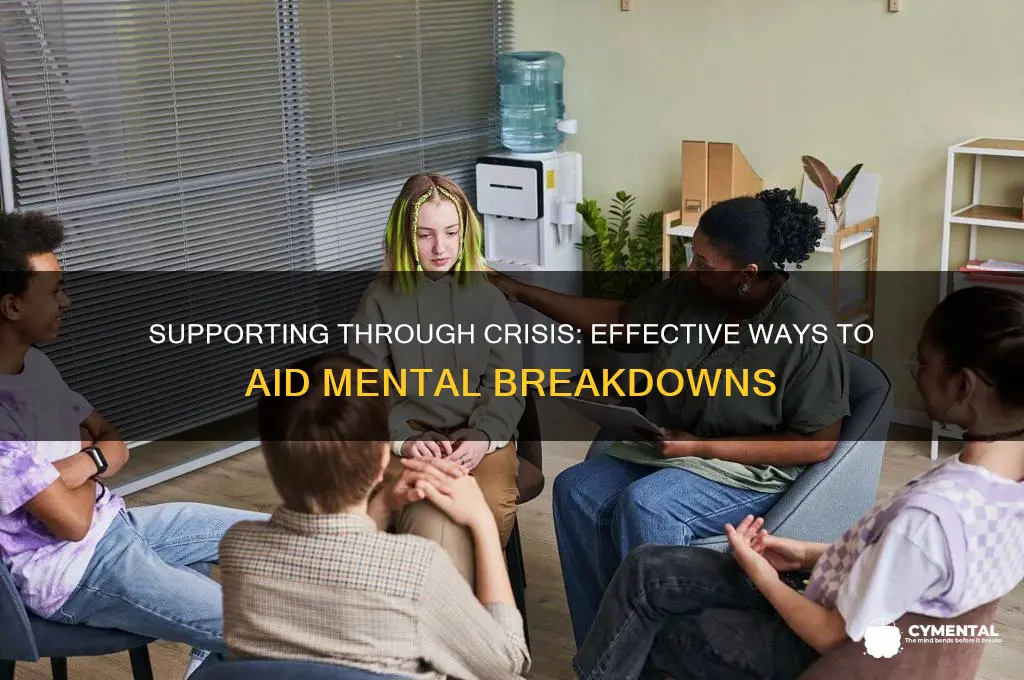
Helping someone experiencing a mental break requires compassion, patience, and a calm, supportive approach. Recognize the signs, such as extreme confusion, detachment from reality, or severe emotional distress, and prioritize creating a safe, non-judgmental environment. Listen actively without dismissing their feelings, and encourage them to seek professional help, such as contacting a mental health crisis line or a trusted therapist. Avoid arguing or pressuring them, as this can escalate their distress. Instead, stay present, offer reassurance, and assist with practical needs like food, water, or rest. If the situation becomes dangerous or unmanageable, don’t hesitate to seek emergency assistance to ensure their safety and well-being.
Explore related products


What You'll Learn
- Recognize Warning Signs: Notice sudden changes in behavior, mood, or speech patterns indicating distress
- Stay Calm & Listen: Approach with empathy, avoid judgment, and let them express their feelings openly
- Encourage Professional Help: Gently suggest therapy, counseling, or crisis hotlines for immediate support
- Ensure Safety: Remove hazards, stay with them, and call emergency services if self-harm is likely
- Follow Up: Check in regularly, offer ongoing support, and help them build a coping plan

Recognize Warning Signs: Notice sudden changes in behavior, mood, or speech patterns indicating distress
Sudden shifts in behavior, mood, or speech often serve as early alarms for a mental break. A once outgoing friend might retreat into silence, or a typically calm colleague could erupt in uncharacteristic anger. These changes, while subtle at first, can escalate quickly, making early recognition crucial. For instance, a person who starts neglecting personal hygiene, misses deadlines consistently, or speaks in disjointed sentences may be experiencing significant distress. Noticing these signs isn’t about overanalyzing every action but about observing patterns that deviate sharply from their baseline behavior.
Analyzing these warning signs requires a balance of empathy and objectivity. Distinguish between temporary stress and persistent distress by tracking the duration and intensity of the changes. For example, a single sleepless night might be normal, but weeks of insomnia paired with erratic behavior could signal a deeper issue. Keep a mental or written log of observed changes, noting their frequency and context. This approach helps avoid jumping to conclusions while ensuring you don’t dismiss genuine red flags. Remember, the goal is to identify when someone’s mental state has shifted beyond their usual coping mechanisms.
Practical steps can make this process more effective. Start by familiarizing yourself with the person’s typical behavior—their routines, communication style, and emotional range. This baseline knowledge allows you to spot anomalies more easily. For instance, if someone usually speaks in complete sentences but begins using fragmented phrases or repeating themselves, it could indicate confusion or heightened anxiety. Similarly, a sudden shift from optimism to persistent hopelessness warrants attention. Tools like journaling or shared calendars can help track these changes objectively without intruding on their privacy.
Caution must be exercised to avoid misinterpretation or overreaction. Not all changes signify a mental break; life events like job loss or relationship issues can cause temporary upheaval. However, when multiple warning signs coincide—such as withdrawal from social activities, drastic mood swings, or incoherent speech—it’s time to act. Approach the person privately, using non-judgmental language to express concern. For example, say, “I’ve noticed you seem more withdrawn lately, and I’m worried about you,” rather than accusing or diagnosing. This opens a dialogue without alienating them.
In conclusion, recognizing warning signs is both an art and a science. It demands attentiveness, patience, and a willingness to act when necessary. By focusing on sudden changes in behavior, mood, or speech, you can intervene early, potentially preventing a full-blown crisis. Keep in mind that your role is to support, not to fix. Offering a listening ear, encouraging professional help, and ensuring safety are concrete ways to assist someone on the brink of a mental break. Early recognition isn’t just about noticing—it’s about responding with compassion and purpose.
Speaking Up: The Power of Conversation for Mental Well-Being
You may want to see also
Explore related products


Stay Calm & Listen: Approach with empathy, avoid judgment, and let them express their feelings openly
In the midst of a mental break, the person experiencing it is often overwhelmed by a storm of emotions, thoughts, and sensations that feel uncontrollable. Your first instinct might be to fix the situation, offer solutions, or even express concern in a way that feels reassuring to you. However, the most immediate and effective way to help is to stay calm and listen. Your calm presence can act as an anchor, providing a sense of stability in their chaos. Avoid the urge to interrupt or minimize their feelings; instead, let them express themselves fully, even if their words seem disjointed or irrational. This simple act of listening communicates that they are not alone, which can be profoundly comforting.
Empathy is the bridge that connects you to their experience. Approach the situation with a genuine desire to understand, not to judge or analyze. Phrases like, "I can see how hard this is for you," or "It makes sense that you’re feeling this way," validate their emotions and create a safe space for vulnerability. Avoid statements that start with "You should" or "Just try to," as these can feel dismissive and increase their distress. Instead, focus on reflective listening: repeat back what you hear to show you’re engaged and to help them feel understood. For example, "It sounds like you’re feeling completely overwhelmed right now—is that right?"
Letting them express their feelings openly is not just about being a passive listener; it’s about actively encouraging them to explore their emotions without fear of judgment. If they struggle to articulate their thoughts, gently prompt them with open-ended questions like, "What’s the hardest part of this for you?" or "How can I support you right now?" Be patient with pauses and silence—sometimes, the act of sitting quietly together can be more powerful than words. Remember, the goal is not to solve their problem but to provide a safe space for them to process their emotions.
A practical tip to enhance your ability to stay calm and listen is to practice mindfulness or deep breathing before engaging with them. If you’re tense or anxious, your energy can inadvertently escalate their distress. Take a moment to center yourself, focusing on slow, steady breaths. This not only calms you but also models a sense of tranquility that can help soothe them. Additionally, maintain open body language—face them directly, avoid crossing your arms, and use gentle eye contact to convey warmth and attentiveness.
Finally, while staying calm and listening is crucial, it’s equally important to recognize when professional help is needed. If the person is at risk of harming themselves or others, or if their distress persists despite your efforts, don’t hesitate to involve a mental health professional or crisis hotline. Your role is to provide immediate support, not to carry the burden of their crisis alone. By approaching the situation with empathy, avoiding judgment, and allowing them to express themselves freely, you’re offering a vital lifeline during their moment of need.
Vice and Virtue: How Controlled Indulgence Boosts Mental Well-Being
You may want to see also
Explore related products

$28.99 $14.95

$40.63 $70.95


Encourage Professional Help: Gently suggest therapy, counseling, or crisis hotlines for immediate support
Recognizing the signs of a mental break is the first step, but knowing how to respond effectively is equally crucial. One of the most impactful ways to support someone in crisis is to encourage them to seek professional help. This doesn’t mean forcing them into therapy or overwhelming them with options; instead, it involves gently guiding them toward resources like therapy, counseling, or crisis hotlines that can provide immediate and specialized support. The key is to approach the conversation with empathy, understanding, and a non-judgmental tone.
Consider the timing and setting when suggesting professional help. Choose a quiet, private moment when the person is relatively calm and receptive. Avoid phrases that might sound dismissive or accusatory, such as "You need help" or "You’re overreacting." Instead, use "I" statements to express concern and offer solutions. For example, "I’ve noticed you’ve been struggling a lot lately, and I think talking to a professional might help you feel better. There are therapists who specialize in what you’re going through, and I’d be happy to help you find one." This approach shifts the focus from their perceived failure to the availability of support.
Crisis hotlines are an excellent resource for immediate assistance, especially if the person is in acute distress. Familiarize yourself with local and national hotlines, such as the National Suicide Prevention Lifeline (988 in the U.S.), and have the numbers readily available. When suggesting a hotline, frame it as a safe, confidential space to talk. For instance, "There’s a crisis line available 24/7 where you can speak to someone trained to help with what you’re feeling. Would you like me to call with you or help you reach out?" This offers a low-pressure option while ensuring they know they’re not alone.
Encouraging professional help also involves addressing potential barriers, such as stigma, cost, or fear of the unknown. Acknowledge these concerns without invalidating their feelings. For example, "I know therapy can feel intimidating, but there are affordable options and even online sessions if that feels more comfortable. The important thing is finding someone who can help you navigate this." If they’re open to it, offer practical assistance, like researching therapists, accompanying them to the first appointment, or helping them prepare what to say.
Finally, remember that your role is to support, not to fix. Gently suggesting professional help is a powerful way to show you care, but it’s essential to respect their autonomy. If they resist initially, don’t push—instead, let them know the offer stands whenever they’re ready. By framing professional help as a collaborative, accessible solution, you can help them take the first step toward healing while reinforcing that they don’t have to face their struggles alone.
Yin Yoga: A Gentle Path to Teen Mental Wellness
You may want to see also
Explore related products





Ensure Safety: Remove hazards, stay with them, and call emergency services if self-harm is likely
In the midst of a mental break, the environment can become a minefield of potential dangers, both obvious and hidden. Sharp objects, medications, and even everyday items like belts or cords can pose significant risks if the individual becomes agitated or desperate. The first step in ensuring safety is to scan the immediate surroundings and remove any hazards that could be used for self-harm. This includes securing weapons, locking away medications, and clearing the area of anything that could be misused. Think of it as creating a safe zone, a physical space where the risk of harm is minimized, allowing you to focus on emotional support without the constant fear of a sudden escalation.
Staying with the person is more than just a physical presence; it’s a silent promise that they are not alone in their darkest moment. Your calm demeanor can act as an anchor, grounding them when their thoughts spiral out of control. Avoid leaving them unattended, even for a moment, as isolation can exacerbate feelings of despair. If you need to step away to call for help, explain your actions clearly and reassure them that you’re doing it to ensure their safety. For instance, you might say, “I’m going to call a professional who can help us both right now, and I’ll be right back.” This approach balances honesty with compassion, reducing the likelihood of triggering further distress.
Recognizing when to call emergency services is a critical skill that requires both vigilance and judgment. Warning signs of imminent self-harm include explicit threats, access to lethal means, or a sudden shift from agitation to calmness (which can indicate a decision has been made). If you’re unsure, err on the side of caution. When calling, provide clear, concise information: the person’s age, their current behavior, and any specific concerns about self-harm. For example, “My friend is 28, has been talking about ending their life, and has access to prescription pills.” Emergency responders are trained to handle such situations, and your role is to ensure they have the details they need to act swiftly and effectively.
Comparing this approach to other methods of intervention highlights its unique balance of practicality and empathy. While de-escalation techniques focus on communication, and emotional support addresses underlying distress, ensuring safety is about immediate, actionable steps that prevent tragedy. It’s the foundation upon which all other forms of help are built. Without safety, even the most well-intentioned efforts can be rendered meaningless. By removing hazards, staying present, and knowing when to call for help, you’re not just reacting to a crisis—you’re creating the conditions for recovery to begin.
Supporting Your Son: Steps to Access Mental Health Facilities
You may want to see also
Explore related products


Follow Up: Check in regularly, offer ongoing support, and help them build a coping plan
A mental break can leave someone feeling isolated and overwhelmed, even after the initial crisis passes. This is why follow-up is crucial. It’s not enough to offer support during the acute phase; consistent, thoughtful check-ins can make the difference between temporary relief and long-term recovery. Regular contact reassures the individual that they are not alone and helps prevent relapse by addressing emerging stressors early.
To effectively follow up, establish a rhythm that feels natural and non-intrusive. For example, a weekly text or call can provide structure without feeling burdensome. During these check-ins, ask open-ended questions like, “How have you been managing this week?” or “What’s been challenging for you lately?” Avoid platitudes or quick fixes; instead, listen actively and validate their feelings. If they’re hesitant to open up, share observations gently: “I noticed you seemed quieter than usual—is something on your mind?”
Ongoing support extends beyond conversation. Help them identify and access resources, such as therapy, support groups, or self-care tools. For instance, if they struggle with anxiety, suggest grounding techniques like the 5-4-3-2-1 method (naming five things you see, four you can touch, etc.) or recommend apps like Calm or Headspace for guided meditation. If they’re open to it, accompany them to appointments or activities that feel daunting alone. Small, consistent actions like these reinforce your commitment to their well-being.
Building a coping plan is a collaborative process that empowers the individual to manage their mental health proactively. Start by identifying triggers—specific situations, emotions, or thoughts that lead to distress. Then, brainstorm strategies tailored to their needs. For example, if work stress is a trigger, their plan might include setting boundaries (e.g., no emails after 7 PM), practicing deep breathing during breaks, or scheduling a weekly “mental health day.” Write this plan down and review it together periodically, adjusting as needed.
Finally, be mindful of your own limits. Supporting someone through a mental break can be emotionally taxing, so prioritize self-care to avoid burnout. Set clear boundaries, such as designated times for check-ins, and seek support for yourself when necessary. Remember, your role is to accompany them on their journey, not to carry the weight of their recovery. By offering consistent, thoughtful follow-up, you help them rebuild resilience and reclaim their sense of agency.
Unplug to Recharge: Social Media Sabbaticals Boost Mental Well-Being
You may want to see also
Frequently asked questions
Signs include extreme confusion, inability to communicate clearly, paranoia, hallucinations, sudden mood swings, withdrawal from reality, or self-harming behaviors.
Stay calm, speak softly, and maintain a non-threatening demeanor. Avoid confrontation and acknowledge their feelings without judgment.
Prioritize safety. Keep a safe distance, call emergency services, and avoid escalating the situation. Do not try to physically restrain them unless absolutely necessary.
While you can provide immediate support by staying with them and keeping them calm, professional help is essential. Contact a mental health crisis team or emergency services.
Encourage them to seek ongoing mental health treatment, offer emotional support, and help them connect with resources like therapy or support groups. Be patient and understanding.


![Help![Blu-ray]](https://m.media-amazon.com/images/I/6155cLsT0HL._AC_UY218_.jpg)


![Help! [LP]](https://m.media-amazon.com/images/I/71Lo3XMoSlL._AC_UY218_.jpg)