Noah Parker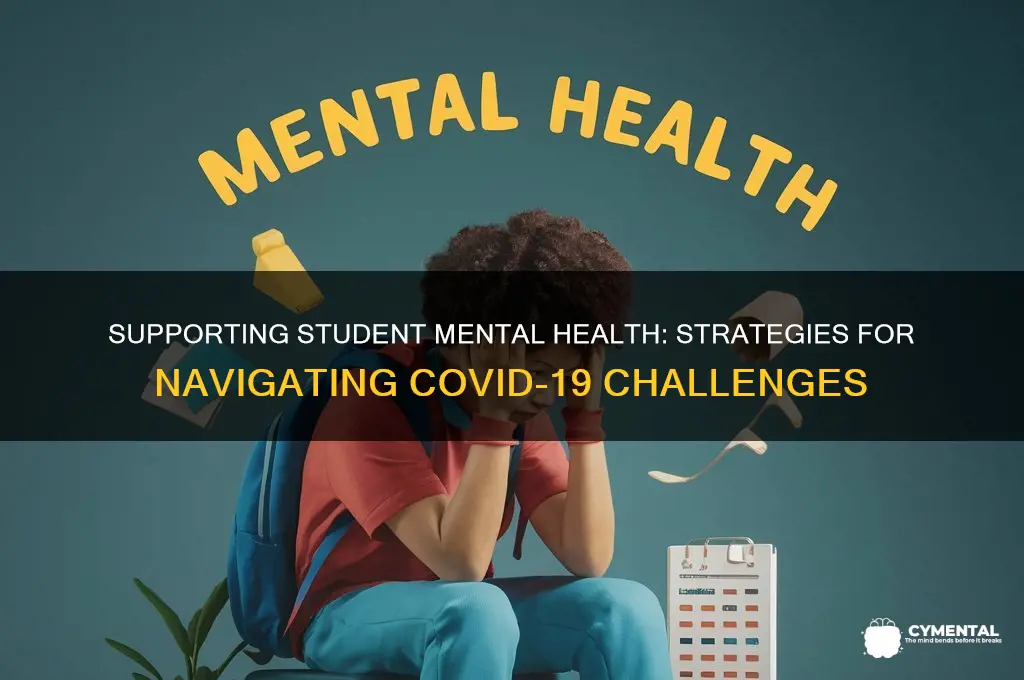
The COVID-19 pandemic has significantly impacted the mental health of students, exacerbating issues such as anxiety, depression, and isolation due to prolonged school closures, disrupted routines, and limited social interactions. As educators, parents, and caregivers, it is crucial to recognize these challenges and implement supportive strategies to help students navigate this difficult period. By fostering open communication, providing access to mental health resources, and creating a structured yet flexible learning environment, we can mitigate the emotional toll of the pandemic and ensure students feel supported and understood during these unprecedented times.
Explore related products



What You'll Learn
- Virtual Support Systems: Establish online counseling, peer groups, and mental health resources accessible to all students
- Flexible Learning Options: Offer asynchronous classes, extended deadlines, and reduced workloads to ease stress
- Regular Check-Ins: Teachers and staff should routinely ask students about their well-being and offer support
- Promote Self-Care: Encourage routines, exercise, mindfulness, and healthy habits to manage anxiety and depression
- Parental Involvement: Educate parents on recognizing signs of distress and fostering open communication with their children

Virtual Support Systems: Establish online counseling, peer groups, and mental health resources accessible to all students
The sudden shift to remote learning during the COVID-19 pandemic left many students isolated and struggling with mental health issues. Establishing robust virtual support systems became not just beneficial but essential. Online counseling services, peer support groups, and accessible mental health resources emerged as lifelines, offering students a sense of connection and professional guidance during an unprecedented crisis.
Consider the implementation process as a three-pronged approach. First, online counseling should be integrated into existing student wellness programs. Institutions can partner with licensed therapists to offer individual or group sessions via secure video platforms. Ensure counselors are trained in telehealth best practices and familiar with the unique challenges students face during a pandemic, such as increased anxiety, depression, and grief. Second, peer support groups foster a sense of community and reduce feelings of isolation. These groups can be organized by year level, academic program, or shared interests, and facilitated by trained student leaders or mental health professionals. Third, mental health resources must be centralized and easily accessible. Create a dedicated online hub with self-help tools, crisis hotlines, mindfulness apps, and educational materials on stress management and coping strategies.
While virtual support systems offer immense benefits, challenges exist. Privacy concerns must be addressed through secure platforms and clear data protection policies. Technological barriers, such as unreliable internet access or lack of devices, can exclude vulnerable students. Institutions should provide tech support and explore low-bandwidth alternatives. Engagement is another hurdle; virtual interactions may feel less personal, so facilitators must employ interactive techniques like breakout rooms, polls, and shared activities to foster participation.
A successful example is the University of California’s “Let’s Talk” program, which expanded its online counseling services during the pandemic. Students could schedule brief, informal consultations with counselors via Zoom, reducing the stigma associated with seeking help. Similarly, the “Togetherall” platform, used by many universities, combines peer support forums with professional monitoring, creating a safe space for students to share experiences and access resources 24/7.
In conclusion, virtual support systems are not just a temporary solution but a necessary evolution in student mental health care. By combining professional counseling, peer connections, and accessible resources, institutions can create a comprehensive safety net that addresses the unique challenges of a post-pandemic world. The key lies in thoughtful implementation, addressing barriers, and fostering a culture where seeking help is encouraged and supported.
Police Response to Mental Health Calls: Frequency and Statistics
You may want to see also
Explore related products


Flexible Learning Options: Offer asynchronous classes, extended deadlines, and reduced workloads to ease stress
The pandemic has blurred the lines between home and classroom, leaving students grappling with unprecedented academic pressure. Rigid schedules, looming deadlines, and heavy workloads exacerbate existing mental health struggles. Flexible learning options, such as asynchronous classes, extended deadlines, and reduced workloads, offer a lifeline by acknowledging the unique challenges students face and providing much-needed breathing room.
Asynchronous learning, where students engage with course materials at their own pace, empowers them to manage their time effectively. This is particularly crucial for those juggling caregiving responsibilities, part-time jobs, or fluctuating energy levels due to mental health concerns. For instance, a student battling anxiety might find it overwhelming to attend live lectures but could benefit from accessing recorded sessions during calmer moments. Institutions can facilitate this by providing clear guidelines on expected weekly engagement, ensuring students don't fall behind while allowing for individual pacing.
Extended deadlines, another vital component of flexibility, recognize that productivity doesn't adhere to a one-size-fits-all timeline. During periods of heightened stress or mental health crises, meeting deadlines can feel insurmountable. By offering extensions, educators demonstrate understanding and reduce the anxiety associated with late penalties. However, it's essential to establish clear procedures for requesting extensions, ensuring fairness and preventing last-minute rushes. A simple online form requiring a brief explanation and a proposed new deadline can streamline the process while maintaining accountability.
Reducing workloads doesn't mean compromising learning outcomes; it's about prioritizing essential skills and knowledge. Educators can achieve this by focusing on core competencies, eliminating redundant assignments, and incorporating low-stakes formative assessments. For example, replacing a high-pressure final exam with a series of shorter quizzes or project-based assessments can alleviate stress while still evaluating understanding. Additionally, providing optional enrichment activities allows students to engage further with the material without adding to their mandatory workload.
Implementing these flexible learning options requires a shift in mindset, moving away from traditional notions of academic rigor towards a more holistic view of student well-being. It involves trusting students to take ownership of their learning while offering the necessary support to succeed. By embracing asynchronous classes, extended deadlines, and reduced workloads, educational institutions can create an environment that fosters resilience, encourages help-seeking behavior, and ultimately promotes better mental health outcomes during these challenging times.
Supporting Friends with Mental Health: Compassionate Strategies for Effective Care
You may want to see also
Explore related products


Regular Check-Ins: Teachers and staff should routinely ask students about their well-being and offer support
The pandemic has blurred the lines between home and school, leaving students isolated and struggling with mental health issues that often go unnoticed. Regular check-ins by teachers and staff can serve as a lifeline, creating opportunities to identify and address these challenges before they escalate. These interactions need not be lengthy or formal; even a brief, genuine inquiry about a student’s well-being can signal that someone cares and is available to listen. For younger students (ages 6–12), simple questions like, “How are you feeling today?” paired with visual tools such as emotion charts can encourage expression. For older students (ages 13–18), more open-ended prompts like, “What’s been on your mind lately?” can foster deeper conversations.
Implementing regular check-ins requires a structured yet flexible approach. Teachers can incorporate these moments into daily routines, such as during morning meetings or at the start of a class. For virtual settings, a quick poll or breakout room discussion can achieve the same goal. Staff members, including counselors and administrators, should also participate, ensuring multiple touchpoints for students. For instance, a counselor might follow up with a student who consistently expresses anxiety during check-ins, offering targeted resources or one-on-one support. Consistency is key—aim for at least two check-ins per week, but adjust frequency based on individual student needs.
Critics might argue that teachers are already overburdened and lack the training to handle mental health conversations. While valid, this concern can be mitigated by providing staff with basic training in active listening and mental health first aid. Schools can partner with local mental health organizations to offer workshops or create resource guides for educators. Additionally, check-ins don’t require teachers to solve problems; their role is to listen, validate, and connect students to appropriate support systems. This approach not only lightens the load on educators but also empowers them to make a meaningful difference.
The impact of regular check-ins extends beyond immediate support. By normalizing conversations about mental health, schools create a culture where students feel safe to express their struggles. Over time, this can reduce stigma and encourage students to seek help proactively. For example, a high school in California reported a 30% increase in counseling appointments after implementing weekly check-ins, indicating that students felt more comfortable reaching out. Such initiatives also strengthen the teacher-student relationship, fostering trust and engagement that can improve academic outcomes.
In practice, regular check-ins are a low-cost, high-yield strategy for supporting student mental health during and beyond the pandemic. They require minimal resources but demand intentionality and commitment. Schools can enhance their effectiveness by tracking participation and feedback, ensuring no student slips through the cracks. For instance, a digital tracking system can flag students who consistently report feeling overwhelmed, prompting timely intervention. Ultimately, these check-ins are not just about addressing mental health issues—they’re about building a community that values and prioritizes the well-being of every individual.
Navigating Job Interviews: Addressing Mental Health Questions with Confidence
You may want to see also
Explore related products


Promote Self-Care: Encourage routines, exercise, mindfulness, and healthy habits to manage anxiety and depression
The pandemic has disrupted daily rhythms, leaving students adrift in a sea of uncertainty. Reestablishing structure through consistent routines becomes a lifeline. Encourage students to create daily schedules that include dedicated blocks for academics, meals, exercise, hobbies, and sleep. Even small anchors like a fixed bedtime or a morning journaling habit can provide a sense of control in chaotic times. For younger students, visual schedules with pictures can make routines more tangible. Teens might benefit from co-creating their schedules to foster a sense of ownership.
Physical activity isn't just about physical health; it's a potent tool against anxiety and depression. Aim for 30-60 minutes of moderate exercise daily, whether it's a brisk walk, online yoga class, or a dance session. For younger children, incorporate movement into learning through active games or outdoor exploration. Teens might find stress relief in team sports (virtual or distanced) or individual pursuits like running or skateboarding. Remember, the goal isn't peak performance but consistent engagement to release endorphins and improve mood.
Mindfulness practices, once niche, have become essential tools for navigating pandemic-induced stress. Guide students toward age-appropriate techniques: deep breathing exercises for young children, guided meditations for teens, or mindful walking for all ages. Start small – even 5-10 minutes daily can cultivate present-moment awareness and reduce anxiety. Apps like Headspace or Calm offer kid-friendly meditations, while older students might explore body scans or loving-kindness practices. Encourage consistency over perfection; mindfulness is a skill that strengthens with regular practice.
Healthy habits extend beyond exercise and mindfulness to encompass nutrition, sleep, and social connection. Encourage students to limit screen time before bed and establish a relaxing bedtime routine. Promote balanced meals with plenty of fruits, vegetables, and whole grains, while limiting processed foods and sugary drinks. Foster social connections through virtual study groups, game nights, or simply regular check-ins with friends. For younger students, family meals and outdoor playdates can provide crucial social interaction. Remember, self-care isn't selfish – it's the foundation for resilience in challenging times.
Therapy's Impact: Reducing Mental Health Issues and Improving Well-being
You may want to see also
Explore related products


Parental Involvement: Educate parents on recognizing signs of distress and fostering open communication with their children
Parents are often the first line of defense in identifying mental health struggles in their children, yet many feel ill-equipped to recognize the signs or initiate difficult conversations. During the COVID-19 pandemic, with students spending more time at home, parental involvement became even more critical. Educating parents on the subtle and overt indicators of distress can empower them to act swiftly and effectively. For instance, changes in sleep patterns, appetite, or academic performance can signal underlying issues. Younger children might express distress through regressive behaviors like bedwetting or increased clinginess, while teenagers may withdraw socially or exhibit irritability. Providing parents with a checklist of age-specific warning signs, such as prolonged sadness in adolescents or unexplained aggression in younger children, can serve as a practical tool for early detection.
Fostering open communication requires more than just asking, "How was your day?" Parents should create safe, non-judgmental spaces where children feel comfortable sharing their feelings. This can be achieved by setting aside dedicated time for conversations, free from distractions like phones or television. For younger children, incorporating play or drawing activities can help them express emotions they struggle to articulate verbally. Teenagers, on the other hand, may respond better to casual, side-by-side conversations, such as during a car ride or while cooking together. Phrasing questions in an open-ended manner, like "What’s been on your mind lately?" instead of "Are you feeling okay?" can encourage deeper dialogue.
One common challenge parents face is balancing concern with the fear of overreacting. It’s essential to educate parents that addressing mental health early is not an overreaction but a proactive measure. Schools and community organizations can play a role by offering workshops or online resources that guide parents through the process. For example, a step-by-step guide could include: 1) Observing behavioral changes, 2) Initiating a conversation using empathetic language, 3) Validating the child’s feelings, and 4) Seeking professional help if needed. Providing a list of local mental health resources, such as counselors or support hotlines, can further equip parents to take the next steps confidently.
Finally, parents must also prioritize their own mental well-being to effectively support their children. The pandemic placed unprecedented stress on families, and parental burnout can hinder their ability to recognize or address their child’s distress. Encouraging self-care practices, such as regular exercise, mindfulness, or seeking support from peer groups, can help parents maintain the emotional resilience needed to foster open communication. By educating parents not only on recognizing signs of distress but also on nurturing their own mental health, we create a more holistic approach to supporting students during challenging times.
Navigating Mental Health: Strategies for Resilience and Healing in Daily Life
You may want to see also
Frequently asked questions
Educators can identify struggling students by noticing changes in behavior, academic performance, attendance, or engagement. Signs may include increased irritability, withdrawal, declining grades, or lack of participation. Regular check-ins, both formal and informal, can help create a safe space for students to express their feelings.
Practical strategies include maintaining consistent routines, offering flexible deadlines, and incorporating breaks during lessons. Encourage physical activity, provide access to mental health resources, and foster a sense of community through virtual group activities or peer support programs.
Schools can collaborate with families by maintaining open communication, sharing mental health resources, and offering guidance on supporting students at home. Regular updates, virtual workshops, and partnerships with local mental health organizations can also help families navigate challenges effectively.