Noah Parker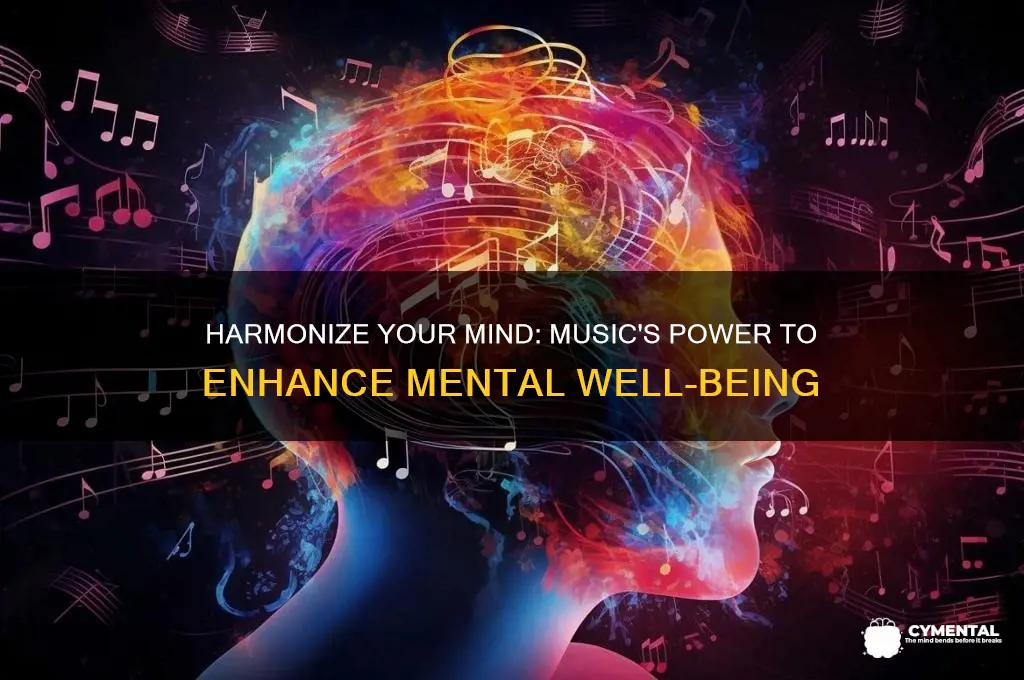
Music has long been recognized as a powerful tool for enhancing mental health and well-being. Its ability to evoke emotions, reduce stress, and promote relaxation makes it an accessible and effective method for improving mental health. Listening to music can lower cortisol levels, the hormone associated with stress, while also stimulating the release of dopamine, which boosts mood and feelings of pleasure. Beyond passive listening, engaging in activities like playing an instrument, singing, or even creating music can provide a sense of accomplishment and serve as a healthy outlet for emotional expression. Additionally, music therapy, guided by trained professionals, offers structured interventions tailored to address specific mental health challenges, such as anxiety, depression, or trauma. By incorporating music into daily routines, individuals can harness its therapeutic benefits to foster resilience, reduce symptoms of mental health disorders, and cultivate a greater sense of emotional balance and well-being.
| Characteristics | Values |
|---|---|
| Reduces Stress and Anxiety | Listening to calming music lowers cortisol levels, slows heart rate, and promotes relaxation. Genres like classical, ambient, or nature sounds are particularly effective. |
| Improves Mood | Upbeat or personally meaningful music stimulates the release of dopamine, enhancing feelings of happiness and reducing symptoms of depression. |
| Enhances Focus and Productivity | Instrumental music, such as lo-fi or classical, improves concentration and cognitive performance by minimizing distractions. |
| Aids in Emotional Expression | Music provides a safe outlet for processing emotions, helping individuals cope with trauma, grief, or anger. |
| Boosts Self-Esteem | Creating or performing music fosters a sense of accomplishment and self-worth, improving confidence. |
| Promotes Better Sleep | Slow-tempo music (60-80 beats per minute) helps regulate sleep patterns and improves sleep quality. |
| Encourages Social Connection | Group activities like choir singing or attending concerts reduce feelings of loneliness and build community. |
| Supports Mindfulness and Meditation | Music with repetitive patterns or soothing melodies aids in mindfulness practices, reducing overthinking. |
| Alleviates Symptoms of Mental Disorders | Music therapy is used to manage conditions like PTSD, ADHD, and schizophrenia by improving emotional regulation and reducing symptoms. |
| Physical Health Benefits | Music reduces blood pressure, improves immune function, and decreases pain perception, indirectly benefiting mental health. |
| Personalized Playlists | Tailoring music to individual preferences maximizes its therapeutic effects, as personal connection amplifies emotional impact. |
| Active Engagement | Playing an instrument, singing, or dancing to music enhances cognitive function and emotional well-being more than passive listening. |
Explore related products


What You'll Learn
- Listening to calming music reduces stress and anxiety, promoting relaxation and emotional balance
- Playing an instrument enhances focus, creativity, and provides a therapeutic outlet for emotions
- Creating playlists tailored to moods helps regulate emotions and fosters a sense of control
- Music therapy sessions with professionals address specific mental health issues through structured musical activities
- Singing or chanting boosts mood, reduces cortisol, and encourages mindfulness and self-expression

Listening to calming music reduces stress and anxiety, promoting relaxation and emotional balance
Music has a profound impact on our emotional state, and calming music, in particular, serves as a powerful tool for reducing stress and anxiety. Research shows that listening to music with a slow tempo (60–80 beats per minute) and low to moderate pitch can activate the parasympathetic nervous system, which helps the body relax. For instance, classical pieces like Mozart’s *Piano Concerto No. 21* or natural soundscapes such as rain or waves are scientifically proven to lower cortisol levels, the hormone associated with stress. Incorporating 20–30 minutes of such music into your daily routine, especially during transitions (e.g., after work or before bed), can create a consistent buffer against daily stressors.
To maximize the benefits, consider the environment in which you listen. A quiet, comfortable space free from distractions enhances the calming effect. Pairing music with deep breathing exercises—inhale for 4 counts, hold for 4, exhale for 6—amplifies relaxation by synchronizing your breath with the rhythm. For those with anxiety disorders, guided music therapy sessions led by a professional can provide structured support, though self-directed listening remains accessible and effective for most individuals.
A comparative analysis reveals that calming music outperforms other auditory stimuli, such as podcasts or white noise, in reducing physiological markers of stress. Studies indicate that music with harmonic structure and predictable patterns (e.g., Gregorian chants or ambient electronic tracks) is particularly effective in promoting emotional balance. Unlike passive listening, active engagement—such as focusing on the melody or lyrics—deepens the therapeutic impact, making it a mindful practice rather than background noise.
Practical tips for integrating calming music into your life include creating personalized playlists tailored to your preferences. Apps like Spotify or YouTube offer curated relaxation playlists, but experimenting with genres like lo-fi, instrumental jazz, or binaural beats can help identify what resonates best with you. For children and teenagers, who often face academic and social pressures, introducing calming music during study breaks or bedtime routines can foster healthier stress management habits early on.
In conclusion, listening to calming music is a simple yet potent strategy for alleviating stress and anxiety. By understanding its mechanisms and applying practical techniques, individuals can harness its benefits to achieve relaxation and emotional equilibrium. Whether as a standalone practice or part of a broader wellness routine, music remains an accessible and universally effective tool for mental health improvement.
Do Mental Health Facilities Truly Aid Recovery and Healing?
You may want to see also
Explore related products




Playing an instrument enhances focus, creativity, and provides a therapeutic outlet for emotions
Music has long been recognized as a powerful tool for improving mental health, but the act of playing an instrument takes its benefits to a new level. Engaging with an instrument demands concentration, as it requires coordinating hands, reading sheet music, and listening to tone—all simultaneously. This multisensory engagement sharpens focus and trains the brain to manage complex tasks, a skill transferable to daily life. For instance, studies show that children who practice an instrument regularly exhibit improved attention spans and better academic performance, particularly in subjects like math and science. Adults, too, can harness this benefit by dedicating just 20–30 minutes daily to practice, gradually increasing as proficiency grows.
Creativity flourishes when playing an instrument, as it encourages improvisation and personal expression. Unlike passive listening, actively creating music allows individuals to explore emotions and ideas in a structured yet open-ended way. For example, jazz musicians often use improvisation as a form of emotional release, while classical composers channel creativity into intricate compositions. Beginners can start by experimenting with simple melodies or rhythms, gradually building confidence to create original pieces. Even learning to play a favorite song by ear fosters creativity, as it involves interpreting and adapting the music to one’s own style. This process not only enhances artistic expression but also provides a sense of accomplishment that boosts self-esteem.
Emotionally, playing an instrument serves as a therapeutic outlet, offering a healthy way to process and release feelings. The physical act of producing sound—whether strumming a guitar, pressing piano keys, or blowing into a flute—can be deeply cathartic. Research suggests that this activity reduces stress hormones like cortisol and increases endorphins, promoting a sense of calm and well-being. For those struggling with anxiety or depression, structured practice can provide a sense of routine and purpose, while free-form playing allows for emotional exploration without words. Therapists often recommend instrument-playing as a complementary practice to traditional therapy, particularly for individuals who find verbal expression challenging.
To maximize these benefits, consider integrating instrument-playing into a daily or weekly routine. Start with short, consistent sessions—even 10–15 minutes can make a difference. Choose an instrument that resonates with you, whether it’s the soothing tones of a violin or the rhythmic beat of drums. For those new to music, beginner-friendly options like the ukulele or keyboard offer a low barrier to entry. Pair practice with mindfulness techniques, such as focusing on breath while playing, to deepen the therapeutic effect. Finally, don’t be afraid to make mistakes—part of the beauty of music is its ability to transform imperfection into something meaningful. By embracing this process, you’ll not only enhance focus and creativity but also find a lasting source of emotional relief.
Supporting Kids During a Parent’s Mental Health Hospitalization
You may want to see also
Explore related products


Creating playlists tailored to moods helps regulate emotions and fosters a sense of control
Music has a profound impact on our emotional state, and creating playlists tailored to specific moods can be a powerful tool for emotional regulation. By curating songs that resonate with particular feelings, individuals can actively manage their emotional landscape. For instance, a playlist filled with upbeat, high-energy tracks can help combat feelings of lethargy or sadness, while a collection of soothing melodies can provide comfort during times of anxiety or stress. This intentional use of music allows people to take charge of their emotional responses, offering a sense of control in situations that might otherwise feel overwhelming.
To begin crafting mood-specific playlists, start by identifying the emotions you want to address. Are you looking to boost motivation, find calm, or process grief? Once the target emotion is clear, select songs that align with it, considering factors like tempo, lyrics, and personal associations. For example, a "Calm" playlist might include instrumental pieces with slow tempos and soft dynamics, while a "Motivation" playlist could feature songs with empowering lyrics and driving rhythms. Apps like Spotify or Apple Music offer features to help organize and refine these playlists, making the process both accessible and enjoyable.
A key benefit of mood-tailored playlists is their ability to serve as emotional anchors. Listening to a pre-curated playlist during moments of emotional turbulence can provide a sense of predictability and safety. Research suggests that music can influence the brain’s release of neurotransmitters like dopamine and serotonin, which play crucial roles in mood regulation. By consistently pairing specific playlists with certain emotional states, individuals can train their brains to associate those songs with the desired emotional shift, creating a personalized toolkit for emotional management.
However, it’s important to approach this practice with mindfulness. While music can be a powerful ally, it’s not a substitute for professional mental health support. Over-reliance on certain playlists, especially those tied to negative emotions, can inadvertently reinforce those feelings. For instance, repeatedly listening to melancholic songs during sadness might prolong the emotion rather than alleviate it. To avoid this, balance playlists with a mix of moods and periodically reassess their impact on your emotional well-being.
Incorporating mood-tailored playlists into daily routines can enhance their effectiveness. For example, start the day with a "Morning Energy" playlist to set a positive tone, or wind down with a "Relaxation" playlist before bed. For teens and young adults, who often face fluctuating emotions, these playlists can be particularly beneficial. Parents can also create playlists for children to help them express and understand their emotions. By making this practice a habit, individuals can harness the therapeutic potential of music to foster emotional resilience and a greater sense of control over their mental health.
Can Cannabis Alleviate Emotional Distress? Exploring Weed's Impact on Mental Pain
You may want to see also
Explore related products


$27.96 $43.95


Music therapy sessions with professionals address specific mental health issues through structured musical activities
Music therapy, when guided by trained professionals, offers a targeted approach to addressing mental health challenges through structured musical activities. Unlike casual listening or playing, these sessions are tailored to specific conditions such as anxiety, depression, or PTSD, using evidence-based techniques to foster emotional expression, cognitive restructuring, and behavioral change. For instance, a therapist might use lyric analysis to help a client reframe negative thought patterns or employ rhythmic entrainment to regulate a client’s heart rate during anxiety episodes. This precision distinguishes music therapy from general music engagement, making it a potent tool for measurable mental health improvement.
Consider the structure of a typical session: it often begins with an assessment phase, where the therapist identifies the client’s needs through conversation or musical improvisation. Activities may include songwriting to process trauma, drumming to release tension, or guided listening to evoke and manage emotions. For children with ADHD, a therapist might incorporate short, repetitive musical tasks to improve focus, while for older adults with depression, group singing could foster social connection and elevate mood. Each activity is designed to meet specific therapeutic goals, with progress tracked over sessions.
One of the strengths of music therapy lies in its adaptability to diverse populations and conditions. For example, a study published in the *Journal of Music Therapy* found that structured music interventions reduced symptoms of depression in adolescents by 30% over 12 weeks, with sessions lasting 45–60 minutes twice weekly. Similarly, veterans with PTSD have shown significant improvements in sleep quality and emotional regulation through rhythmic-based therapies. These outcomes highlight the importance of consistency and professional guidance, as the therapist ensures the activities align with the client’s evolving needs.
However, engaging in music therapy requires awareness of potential challenges. Clients may initially feel vulnerable when using music to explore difficult emotions, and therapists must create a safe, nonjudgmental space. Additionally, while some activities can be practiced independently between sessions, the absence of a trained professional may limit their effectiveness. For those considering this approach, starting with a certified music therapist is crucial—organizations like the American Music Therapy Association offer directories to locate qualified practitioners.
In conclusion, music therapy sessions with professionals provide a structured, goal-oriented framework for addressing mental health issues through music. By combining artistic expression with therapeutic expertise, these sessions offer a unique pathway to healing. Whether for managing stress, processing trauma, or enhancing cognitive function, the tailored nature of music therapy makes it a valuable addition to mental health care, provided it is approached with intention and professional oversight.
Black Music's Healing Power: Boosting Mental Health and Well-being
You may want to see also
Explore related products


$27.95


Singing or chanting boosts mood, reduces cortisol, and encourages mindfulness and self-expression
The human voice is a powerful tool for emotional release and self-healing. Singing or chanting engages the body and mind in a unique way, triggering a cascade of physiological and psychological benefits. Research shows that these activities stimulate the release of endorphins, our body's natural "feel-good" chemicals, leading to an immediate boost in mood and a sense of well-being.
Imagine this: you're feeling stressed, anxious, or simply stuck in a mental rut. Instead of reaching for a sugary snack or scrolling through social media, try belting out your favorite tune in the shower or joining a local choir. The act of singing requires focus and deep breathing, naturally calming the nervous system and reducing cortisol, the stress hormone. This simple act of self-expression can be incredibly liberating, allowing you to connect with your emotions and release pent-up tension.
For maximum benefit, aim for at least 20 minutes of singing or chanting daily. This could be solo karaoke sessions, joining a choir, or even humming along to your favorite playlist during your commute. Remember, it's not about having a perfect voice; it's about the act of vocalizing and allowing yourself to be fully present in the moment.
Chanting, often associated with spiritual practices, offers a more structured approach to vocal mindfulness. Repeating mantras or phrases in a rhythmic manner can induce a meditative state, quieting the mind's chatter and promoting deep relaxation. This practice is particularly beneficial for individuals struggling with anxiety or racing thoughts.
Incorporating singing or chanting into your routine is a simple yet powerful way to nurture your mental health. It's accessible, free, and can be done anywhere, anytime. So, unleash your inner songbird and experience the transformative power of your own voice.
DSM-5-TR: Empowering Mental Health Providers with Updated Diagnostic Tools
You may want to see also
Frequently asked questions
Listening to music can reduce stress, anxiety, and depression by triggering the release of dopamine, a feel-good neurotransmitter. It can also serve as a distraction from negative thoughts and promote relaxation.
The best type of music varies by individual, but calming genres like classical, ambient, or nature sounds are often recommended for relaxation. Upbeat music can boost mood, while nostalgic songs may evoke positive emotions.
Yes, playing an instrument can improve mental health by providing a creative outlet, reducing stress, and enhancing cognitive function. It also fosters a sense of accomplishment and can be a form of mindfulness.
Music therapy involves using music under the guidance of a trained therapist to address emotional, cognitive, and social needs. It can include listening, singing, playing instruments, or creating music to process emotions and improve well-being.
Yes, listening to calming music before bed can improve sleep quality by reducing stress and slowing the heart rate. It helps create a relaxing environment, making it easier to fall asleep and stay asleep.