Madison Cole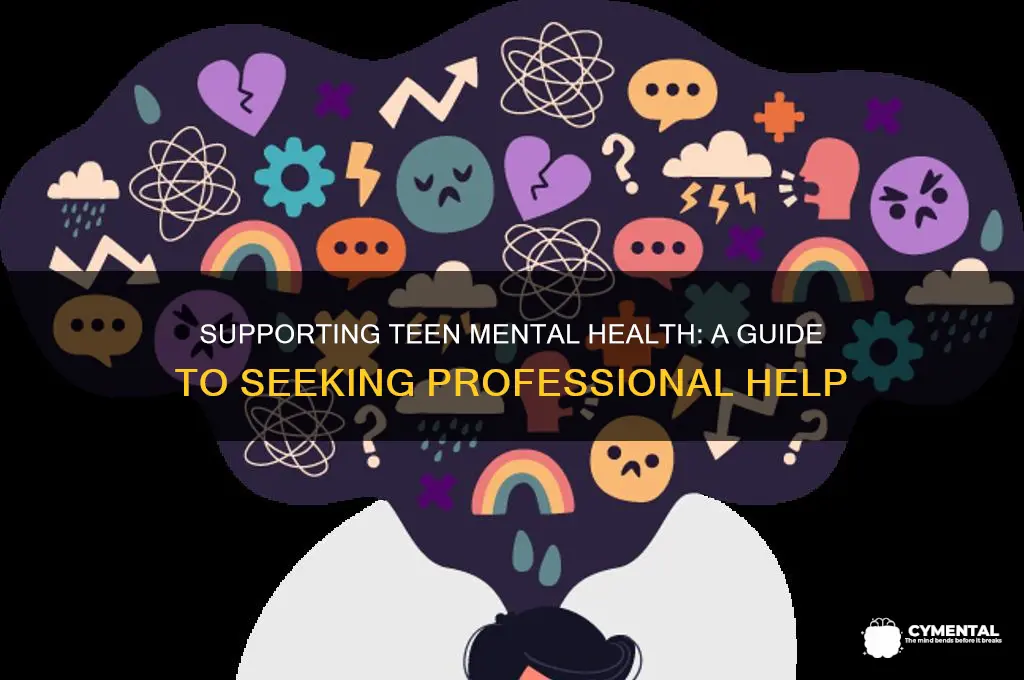
Seeking mental health help for teens is a crucial step in ensuring their overall well-being and development. Adolescence is a period of significant emotional and psychological growth, often accompanied by unique challenges such as academic pressure, social dynamics, and hormonal changes. Recognizing the signs of mental health struggles, such as persistent sadness, withdrawal from activities, or changes in behavior, is the first step in providing support. Parents, caregivers, and educators play a vital role in creating a safe and non-judgmental environment where teens feel comfortable expressing their feelings. Encouraging open communication, validating their emotions, and offering resources like counseling, therapy, or support groups can make a significant difference. Additionally, familiarizing oneself with local mental health services, school counselors, or online platforms tailored for teens can provide accessible and effective avenues for help. Early intervention and consistent support are key to helping teens navigate their mental health challenges and build resilience for the future.
Explore related products

$7.97 $18.99




What You'll Learn
- Recognizing warning signs: Learn common indicators of teen mental health struggles, like mood changes or withdrawal
- Finding the right therapist: Research therapists specializing in adolescent mental health and treatment approaches
- Talking to teens about help: Use open, non-judgmental conversations to encourage seeking support without pressure
- School and community resources: Explore counseling, support groups, or programs available locally for teens
- Insurance and affordability: Understand coverage options and low-cost mental health services for families

Recognizing warning signs: Learn common indicators of teen mental health struggles, like mood changes or withdrawal
Teens often mask their emotional pain, making it crucial to recognize subtle warning signs of mental health struggles. Mood swings are common during adolescence, but persistent changes—like prolonged irritability, sadness, or anger—can signal deeper issues. For instance, a once outgoing teen suddenly becoming withdrawn or a consistently high-energy teen appearing lethargic warrant attention. These shifts, especially when lasting more than two weeks, may indicate conditions like depression or anxiety.
Withdrawal from social activities is another red flag. If a teen stops engaging with friends, drops out of clubs, or avoids family gatherings, it’s not just "teenage behavior." Isolation often stems from feelings of overwhelm, low self-esteem, or fear of judgment. Pay attention to digital behavior too: a teen who once shared freely online becoming silent or overly secretive may be struggling. Compare their current behavior to their baseline—what’s normal for them—rather than generalizing.
Physical symptoms can also accompany mental health issues. Frequent headaches, stomachaches, or changes in sleep patterns (insomnia or oversleeping) are common indicators. Appetite changes, such as sudden weight loss or gain, should not be dismissed as diet fads. For example, a teen skipping meals might be coping with anxiety, while overeating could mask emotional distress. Tracking these patterns over time helps distinguish between temporary stress and chronic concerns.
Practical steps for observation include maintaining open communication without interrogation. Ask specific, non-judgmental questions like, "I’ve noticed you’ve been staying in a lot lately—is everything okay?" or "You seem really tired—how’s your sleep been?" Keep a mental or written log of observed changes to identify trends. If multiple signs persist, consult a school counselor or pediatrician, who can guide next steps, such as a mental health screening or referral to a therapist. Early intervention is key to preventing escalation.
Empowering Support: Practical Ways to Mentally Assist Someone in Need
You may want to see also
Explore related products

$13.48 $15.97



$9.59 $16.99


Finding the right therapist: Research therapists specializing in adolescent mental health and treatment approaches
Adolescents facing mental health challenges require therapists who understand the unique pressures of their developmental stage. Unlike adults, teens often struggle with identity formation, academic stress, peer relationships, and hormonal changes, all of which demand specialized therapeutic approaches. Researching therapists who focus on adolescent mental health ensures your teen receives care tailored to their needs, increasing the likelihood of meaningful progress.
Begin by identifying therapists with explicit training in adolescent psychology or certifications like the Certified Clinical Child & Adolescent Psychology (CCCAP) credential. Look for professionals who list specific treatment modalities proven effective for teens, such as Cognitive Behavioral Therapy (CBT) for anxiety or Dialectical Behavior Therapy (DBT) for emotional regulation. Avoid generalists unless they demonstrate substantial experience with teenage clients, as adolescents often respond differently to therapeutic techniques than adults.
When evaluating therapists, consider their approach to family involvement. Some teens benefit from family therapy sessions, while others need a confidential space to express themselves freely. Discuss this with potential therapists to ensure their philosophy aligns with your teen’s comfort level. For instance, a therapist using the Structural Family Therapy model might prioritize reshaping family dynamics, whereas one practicing Attachment-Based Family Therapy may focus on strengthening parent-child bonds.
Practical factors matter too. Verify insurance compatibility and inquire about telehealth options if in-person sessions are inconvenient. Some therapists offer sliding-scale fees or accept Medicaid, making mental health care more accessible. Additionally, check their availability—adolescents often require consistent appointments, so ensure the therapist can commit to a regular schedule.
Finally, involve your teen in the decision-making process. A therapist’s expertise is invaluable, but a strong therapeutic alliance depends on your teen feeling heard and respected. Encourage them to ask questions during initial consultations, such as “How do you handle resistance?” or “What should I do if I don’t feel comfortable sharing something?” The right therapist will validate their concerns and adapt their approach to build trust over time.
Seeking Mental Health Support: Navigating Relationship Challenges with Your Girlfriend
You may want to see also
Explore related products





Talking to teens about help: Use open, non-judgmental conversations to encourage seeking support without pressure
Teens often hesitate to seek mental health help due to stigma, fear of judgment, or uncertainty about where to turn. As a caregiver, your approach can either reinforce these barriers or dismantle them. Start by framing conversations around mental health as normal and necessary, just like physical health. For instance, instead of asking, “Are you feeling depressed?” try, “How have you been handling everything lately?” This open-ended question invites reflection without labeling emotions or pressuring them to disclose more than they’re comfortable with.
The tone and timing of these conversations matter as much as the words themselves. Choose a moment when both you and the teen are relaxed and uninterrupted—perhaps during a car ride or while preparing a meal together. Avoid accusatory or dismissive language, such as “You’re overreacting” or “Just think positively.” Instead, use phrases like, “I’ve noticed you seem more stressed lately. Is there something you’d like to talk about?” This shows you’re observant and caring without imposing assumptions. Remember, the goal is to create a safe space where they feel heard, not interrogated.
Encouraging teens to seek support requires patience and a non-judgmental stance. Acknowledge their autonomy by saying, “It’s up to you, but I’m here if you want to explore options.” Provide concrete examples of resources, such as school counselors, telehealth platforms, or peer support groups, but avoid pushing them into decisions. For younger teens (ages 13–15), visual aids like brochures or videos about mental health services can make abstract concepts more tangible. Older teens (ages 16–19) may respond better to peer testimonials or data-driven insights about the benefits of early intervention.
One common pitfall is treating mental health conversations as a one-time event. Instead, normalize ongoing dialogue by periodically checking in without making it feel like an interrogation. For example, “How’s that new study group working out? I know balancing school and social life can be tough.” This approach reinforces that mental health is a continuous process, not a problem to be “fixed.” Over time, consistency builds trust, making it more likely they’ll reach out when they’re ready.
Finally, model vulnerability by sharing your own experiences with seeking help, if appropriate. For instance, “When I was your age, I struggled with anxiety but didn’t know where to turn. I wish I’d known about therapy sooner.” This humanizes the conversation and shows that asking for help is a sign of strength, not weakness. Pair this with practical steps, like offering to accompany them to a first appointment or helping research therapists who specialize in adolescent issues. By combining empathy with action, you empower teens to take the first step toward support without feeling pressured.
Fake Plants and Mental Health: Uncovering the Surprising Benefits
You may want to see also
Explore related products


School and community resources: Explore counseling, support groups, or programs available locally for teens
Schools and community centers often serve as vital hubs for teen mental health support, offering resources that are both accessible and tailored to young people’s needs. Many schools employ counselors or psychologists who provide individual or group sessions, addressing issues like stress, anxiety, or peer conflicts. These professionals are typically trained to recognize signs of mental health struggles and can offer immediate guidance or referrals to specialized care. For instance, a school counselor might help a teen develop coping strategies for exam anxiety or connect them with a local therapist for more intensive support.
Beyond counseling, community-based programs frequently target specific challenges teens face, such as substance abuse, self-harm, or grief. For example, organizations like the YMCA or Boys & Girls Clubs often host workshops or peer-led groups focused on emotional resilience and healthy relationships. Some programs, like Youth Mental Health First Aid, train teens and adults to identify and respond to mental health crises, fostering a supportive environment. These initiatives are typically free or low-cost, making them ideal for families with limited resources.
Support groups can be particularly powerful for teens, as they provide a sense of belonging and normalize struggles. Local nonprofits or mental health organizations often run groups for issues like depression, LGBTQ+ identity, or trauma. For example, a teen dealing with social isolation might find solace in a group where peers share similar experiences. These groups usually meet weekly for 60–90 minutes, offering structured activities or open discussions led by a trained facilitator. Parents can locate these groups through school newsletters, community boards, or online platforms like Psychology Today’s "Find a Support Group" tool.
When exploring these resources, it’s crucial to consider a teen’s comfort level and preferences. Some may prefer one-on-one counseling, while others thrive in group settings. Parents or caregivers should involve teens in the decision-making process, emphasizing that seeking help is a sign of strength. Additionally, confidentiality is a key concern; school counselors are often bound by privacy laws, but teens should be informed about any limits to this confidentiality, especially in cases of self-harm or harm to others.
In conclusion, school and community resources offer a multifaceted approach to teen mental health, combining professional expertise with peer support and practical tools. By leveraging these local options, teens can access timely, relevant care that addresses their unique challenges. Proactive engagement with these resources not only helps manage current issues but also equips teens with lifelong skills for emotional well-being.
Active Living: Boosting Mental Health Through Movement and Exercise
You may want to see also
Explore related products



Insurance and affordability: Understand coverage options and low-cost mental health services for families
Navigating the financial aspects of mental health care for teens can feel overwhelming, but understanding insurance coverage and low-cost options is crucial for families. Start by reviewing your health insurance policy to identify what mental health services are covered. Most plans now include mental health care under the Affordable Care Act, but specifics like copays, deductibles, and provider networks vary widely. Call your insurance provider to clarify coverage for therapy, psychiatry, and inpatient treatment, as these often have different terms. Knowing these details upfront can prevent unexpected costs and help you plan effectively.
For families without insurance or with limited coverage, low-cost and sliding-scale options exist. Community health centers, often funded by federal grants, offer mental health services based on income. Nonprofit organizations and local clinics may also provide affordable therapy sessions, sometimes as low as $20–$50 per visit. Schools and universities frequently have counseling services available to students at no cost, though these may have limitations in scope or duration. Additionally, telehealth platforms are increasingly offering budget-friendly options, with some providers charging as little as $60–$90 per session for uninsured patients.
Another strategy is to explore Employee Assistance Programs (EAPs) if available through a parent’s employer. EAPs often include a set number of free counseling sessions per year, which can be a valuable resource for teens. Similarly, faith-based organizations sometimes offer counseling services at reduced rates or on a donation basis. For medication management, programs like prescription assistance programs (e.g., NeedyMeds) can help offset the cost of psychiatric medications, which can range from $10 to $200 per month depending on the drug and insurance coverage.
When considering affordability, it’s essential to weigh the long-term benefits of mental health care against immediate costs. Untreated mental health issues can lead to academic struggles, strained relationships, and more severe conditions later in life, potentially costing more in the long run. Prioritize finding a balance between what’s financially feasible and what provides adequate support for your teen. Remember, investing in their mental health now can pave the way for a healthier, more stable future.
Finally, don’t hesitate to advocate for your teen’s needs. If insurance denies coverage for a recommended treatment, appeal the decision with the help of your healthcare provider. Many families successfully overturn denials by providing additional documentation or evidence of medical necessity. Similarly, ask providers about payment plans or discounts for upfront payments. With persistence and creativity, families can access the mental health care their teens need without breaking the bank.
New-R: Innovative Tools to Enhance Mental Health and Well-being
You may want to see also
Frequently asked questions
Look for persistent changes in behavior, mood, or functioning, such as withdrawal, irritability, declining grades, changes in sleep or appetite, or expressions of hopelessness. If these symptoms last for two weeks or more, or if your teen talks about self-harm or suicide, seek professional help immediately.
Child and adolescent psychiatrists, psychologists, licensed therapists, or counselors specializing in teen mental health are ideal. They are trained to address issues like anxiety, depression, and behavioral challenges specific to this age group.
Create a safe, non-judgmental space by listening without interrupting, validating their feelings, and avoiding criticism. Let them know you care and are there to support them. Sometimes, suggesting a trusted adult or professional can help if they’re hesitant to talk to you.
Start by understanding their resistance—they may feel embarrassed, scared, or skeptical. Involve them in choosing a therapist or treatment approach, and emphasize that therapy is a tool to help them feel better. If they still refuse, consider family therapy or consulting a professional for guidance.
Yes, many schools offer counseling services, and community health centers often provide low-cost or sliding-scale therapy. Nonprofits, telehealth platforms, and support groups can also be affordable alternatives. Check with your insurance provider for covered mental health services.