Madison Cole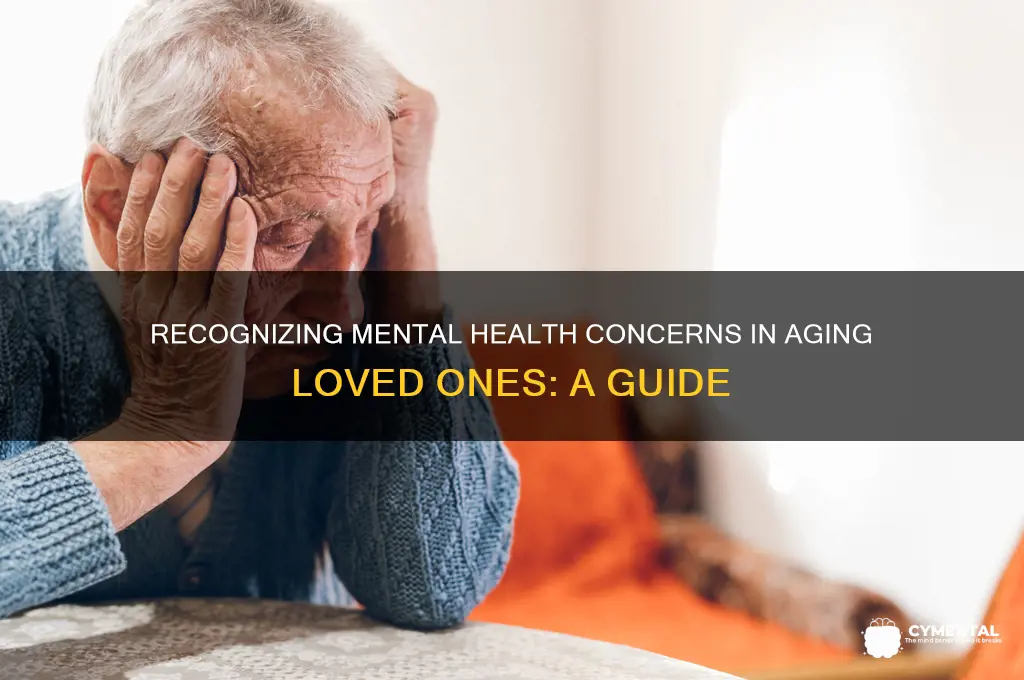
Recognizing when a senior relative may need mental health support can be challenging, as aging often brings subtle changes in behavior, mood, or cognition that might be mistaken for typical signs of growing older. Key indicators include persistent memory loss affecting daily life, sudden confusion or disorientation, withdrawal from social activities, unexplained mood swings, or a noticeable decline in personal care. Additionally, expressions of anxiety, depression, or feelings of hopelessness, especially if they persist, should not be overlooked. Observing changes in their ability to manage finances, follow conversations, or maintain relationships can also signal underlying issues. If these signs are present, it’s important to approach the situation with empathy, encourage open communication, and consult a healthcare professional for a thorough evaluation to ensure they receive the appropriate care and support.
Explore related products


What You'll Learn
- Memory Loss Signs: Forgetfulness beyond normal aging, like missing appointments or repeating questions frequently
- Mood Changes: Sudden irritability, sadness, or withdrawal from usual activities and social interactions
- Confusion: Difficulty with familiar tasks, getting lost in known places, or poor judgment
- Neglecting Self-Care: Ignoring hygiene, skipping meals, or neglecting medications and health routines
- Behavioral Shifts: Paranoia, hallucinations, or aggressive behavior that is uncharacteristic

Memory Loss Signs: Forgetfulness beyond normal aging, like missing appointments or repeating questions frequently
As we age, it's natural to experience some degree of forgetfulness, such as momentarily misplacing keys or struggling to recall a name. However, when memory loss interferes with daily life, it may signal a more serious issue. For instance, a senior relative who consistently misses appointments, despite using a calendar or reminders, could be exhibiting signs of cognitive decline. This goes beyond the occasional lapse, as it indicates a pattern of forgetfulness that affects their ability to manage routine tasks.
Consider the frequency and impact of these memory lapses. Repeating the same question within a short conversation or forgetting important dates, like family birthdays, can be red flags. Normal age-related forgetfulness typically involves minor details, whereas significant memory loss often disrupts daily functioning. For example, a senior who repeatedly asks for directions to a familiar place or forgets how to perform once-familiar tasks, like using a microwave, may need further evaluation.
To assess whether this behavior warrants concern, observe if the forgetfulness is progressive. Does it worsen over weeks or months? Are there accompanying symptoms, such as confusion, difficulty with problem-solving, or changes in mood or personality? Documenting specific instances can help you identify patterns and provide valuable information to healthcare professionals. For instance, note if your relative forgets to take medication, leading to missed doses, or if they struggle to follow a recipe they’ve used for years.
Practical steps can help manage mild memory issues while determining if professional help is needed. Encourage the use of memory aids, like digital reminders or labeled storage for essential items. Simplify daily routines to reduce cognitive load, and ensure a structured environment. However, if these measures don’t alleviate the problem, consult a healthcare provider. Early intervention, such as cognitive assessments or neurological evaluations, can identify underlying conditions like dementia or Alzheimer’s disease, allowing for timely treatment and support.
In summary, while some forgetfulness is a normal part of aging, persistent memory loss that disrupts daily life should not be ignored. Recognizing signs like missed appointments or repeated questions is crucial for early detection and intervention. By staying vigilant and proactive, you can help your senior relative receive the care they need to maintain their quality of life.
Supporting Someone in Mental Shock: Compassionate Steps to Aid Recovery
You may want to see also
Explore related products


$25.95 $14.95

$34.71 $49.95


Mood Changes: Sudden irritability, sadness, or withdrawal from usual activities and social interactions
Seniors experiencing sudden mood changes—irritability, persistent sadness, or withdrawal from once-enjoyed activities—often signal underlying mental health struggles. These shifts can stem from physical health issues, medication side effects, or emotional responses to life transitions, such as retirement or loss of a spouse. Recognizing these changes early is crucial, as untreated mental health issues can exacerbate physical decline and reduce quality of life.
Observation and Documentation: Start by noting specific behaviors: Is your relative snapping over small matters, declining invitations to family gatherings, or neglecting hobbies? Track these changes over 2–3 weeks to distinguish fleeting moods from persistent patterns. For instance, a senior who stops attending weekly book club meetings or avoids phone calls from friends may be experiencing depression or anxiety. Documenting these observations helps healthcare providers assess the severity and potential causes.
Comparative Analysis: Compare their current behavior to their baseline personality. A naturally introverted senior may withdraw occasionally without cause for alarm, but a social butterfly suddenly isolating themselves warrants attention. Similarly, irritability in someone typically patient could indicate frustration with undiagnosed pain or cognitive decline. Understanding their norm allows you to identify deviations that may require intervention.
Practical Steps: Encourage open conversations without judgment. Use "I" statements to express concern, such as, "I’ve noticed you haven’t been joining us for dinner lately, and I’m worried." Offer to accompany them to a primary care visit, where a doctor can screen for conditions like depression or dementia. If resistance arises, suggest starting with a telehealth consultation for convenience. Additionally, promote engagement in low-pressure activities, like short walks or listening to familiar music, to gradually reintegrate social interaction.
Cautions and Considerations: Avoid dismissing mood changes as "normal aging." While aging brings challenges, persistent mental health issues are not inevitable. Be mindful of cultural or generational stigma surrounding mental health, which may prevent seniors from seeking help. If they’re on medications, review potential side effects with their pharmacist—some drugs, like beta-blockers or corticosteroids, can induce mood swings. Lastly, sudden irritability could mask physical pain; ensure they’re evaluated for conditions like arthritis or neuropathy.
Supporting Young Minds: Education Systems Empowering Mentally Ill Children
You may want to see also
Explore related products


Confusion: Difficulty with familiar tasks, getting lost in known places, or poor judgment
Confusion in seniors often manifests as a struggle with tasks they’ve performed effortlessly for decades. For instance, a relative who once managed household finances might suddenly forget to pay bills or double-pay them. This isn’t mere forgetfulness; it’s a red flag signaling cognitive decline. Observe whether they repeat questions within minutes, misplace items in illogical spots (like keys in the fridge), or struggle to follow a recipe they’ve used for years. These aren’t isolated incidents but patterns that disrupt daily life.
Analyzing these behaviors requires context. Age-related memory lapses, like forgetting names or appointments, are common. However, confusion becomes concerning when it involves high-stakes tasks, such as leaving the stove on or getting lost in a neighborhood they’ve lived in for 30 years. Poor judgment, like falling for scams or making unsafe decisions (e.g., driving in hazardous conditions), further underscores the urgency. Compare their current abilities to those of six months ago—a sharp decline is more alarming than gradual changes.
To address this, start by documenting specific incidents. Note dates, times, and details to share with a healthcare provider. Encourage a cognitive assessment, such as the Mini-Mental State Examination (MMSE), which evaluates orientation, memory, and attention. While you wait for an appointment, implement practical strategies: simplify their environment by labeling drawers or using a daily planner. Avoid overwhelming them with complex instructions; break tasks into smaller steps. For example, instead of asking, “Can you cook dinner?” say, “First, take the chicken out of the fridge.”
Persuasion is key when discussing these changes. Seniors may deny issues due to fear or embarrassment. Frame the conversation around safety and independence. For instance, “I noticed you had trouble finding your way home yesterday. Let’s talk to a doctor so you can stay safe and keep doing the things you love.” Involve them in decision-making to preserve dignity. If resistance persists, enlist a trusted third party, like a clergy member or close friend, to reinforce the message.
Finally, balance vigilance with empathy. Confusion can stem from reversible conditions like medication side effects, dehydration, or infections. For example, anticholinergic drugs (commonly prescribed for allergies or sleep) can impair cognition in seniors. A simple medication review or blood test might reveal an easy fix. However, if the cause is progressive, like dementia, early intervention is critical. Support groups, memory care programs, and legal planning (e.g., power of attorney) can ease the journey ahead. The goal isn’t to “fix” them but to adapt and provide compassionate care.
Supporting Adult Children: Strategies to Address and Ease Mental Paranoia
You may want to see also
Explore related products


Neglecting Self-Care: Ignoring hygiene, skipping meals, or neglecting medications and health routines
A sudden disinterest in personal hygiene can be a red flag for mental health decline in seniors. You might notice unkempt hair, body odor, or a lack of attention to basic cleanliness. This isn't just about vanity; it's a potential indicator of deeper issues like depression, cognitive impairment, or even physical limitations. For example, a senior who once took pride in their appearance might start wearing the same clothes for days or neglect bathing altogether. This change warrants attention, especially if accompanied by other signs like social withdrawal or changes in appetite.
Skipping meals or forgetting to eat regularly is another concerning behavior. Seniors need a balanced diet to maintain their physical and mental health. A sudden loss of interest in food, difficulty preparing meals, or forgetting to eat altogether can lead to malnutrition, weakening their immune system and exacerbating existing health conditions. Keep an eye out for weight loss, a lack of groceries in the house, or spoiled food in the fridge, which could indicate a pattern of neglect.
Medication mismanagement is a serious concern. Seniors often rely on multiple medications to manage chronic conditions. Forgetting doses, taking incorrect amounts, or disregarding prescriptions entirely can have severe consequences. For instance, skipping blood pressure medication can lead to dangerous spikes, while neglecting insulin doses can be life-threatening for diabetics. If you notice empty pill bottles when they should be full, or if your relative seems confused about their medication schedule, it's crucial to intervene.
Encouraging self-care in seniors requires a delicate approach. Start by having an open conversation about your observations, expressing concern without being accusatory. Offer practical assistance, such as helping with grocery shopping, meal preparation, or setting up a medication organizer. Consider hiring a home health aide for more comprehensive support. Remember, neglecting self-care is often a symptom of a larger issue, so addressing the underlying cause is essential. This might involve consulting a healthcare professional for a thorough assessment and potential treatment options, which could include therapy, medication adjustments, or lifestyle modifications.
The key is to act promptly and compassionately. By recognizing these signs and taking appropriate steps, you can significantly improve your senior relative's quality of life and overall well-being.
Nurturing Your Skin: The Surprising Mental Health Benefits of Skincare
You may want to see also
Explore related products


Behavioral Shifts: Paranoia, hallucinations, or aggressive behavior that is uncharacteristic
Sudden paranoia in seniors, like unfounded accusations of theft or spying, often signals deeper issues. This isn’t about occasional suspicion—it’s persistent, irrational fear disrupting daily life. For instance, a once-trusting grandmother might accuse caregivers of poisoning her food, refusing meals and isolating herself. Such behavior warrants immediate attention, as it could stem from untreated conditions like late-onset schizophrenia, medication side effects, or even neurological decline. Document specific incidents (e.g., "She accused the neighbor of installing cameras in her living room") to help healthcare providers assess severity.
Hallucinations—seeing, hearing, or feeling things that aren’t there—are another red flag, particularly in seniors over 75. Auditory hallucinations (hearing voices) are common in conditions like Lewy body dementia, while visual hallucinations might indicate Parkinson’s disease dementia. A grandfather claiming to converse with a deceased spouse daily isn’t merely reminiscing—it’s a symptom. Keep a log of when and how these episodes occur (e.g., "He described seeing children playing in an empty room at 3 p.m.") to differentiate them from age-related memory lapses.
Aggressive behavior—physical or verbal—that emerges abruptly in a typically calm senior demands intervention. For example, a retired teacher lashing out physically during routine tasks like dressing could signal pain, frustration, or cognitive overload. Rule out triggers like urinary tract infections (UTIs), which can cause sudden confusion and aggression in 30–40% of senior cases. If aggression persists post-treatment, consult a neurologist or geriatric psychiatrist to evaluate for frontotemporal dementia or vascular issues.
Addressing these shifts requires a three-step approach: observe, document, act. First, track behaviors objectively (e.g., "She hid valuables daily, convinced someone was stealing"). Second, rule out reversible causes—medication interactions, dehydration, or infections—with a primary care physician. Finally, seek specialized care. Cognitive-behavioral therapy, antipsychotics (used cautiously due to increased stroke risk in seniors), or dementia-specific medications like donepezil might be prescribed. Early intervention not only alleviates distress but also preserves the senior’s quality of life and safety.
Masturbation and Mental Health: Uncovering the Surprising Benefits and Myths
You may want to see also
Frequently asked questions
While some memory decline is common with age, significant memory loss that disrupts daily life may indicate a problem. Look for signs like forgetting recently learned information, important dates or events, repeatedly asking for the same information, or relying heavily on memory aids or family members. If these issues interfere with their ability to function, consult a healthcare professional.
Seniors with depression may exhibit persistent sadness, loss of interest in hobbies, changes in appetite or sleep patterns, fatigue, irritability, or feelings of worthlessness. They may also express thoughts of death or suicide. If these symptoms last for two weeks or more, it’s important to seek mental health support.
Occasional confusion is normal, but frequent disorientation—such as getting lost in familiar places, difficulty recognizing faces or objects, or struggling with basic tasks—may signal a serious issue like dementia or delirium. If these symptoms worsen or persist, consult a doctor for a thorough evaluation.
Look for sudden or significant changes in behavior, such as increased agitation, withdrawal from social activities, unexplained mood swings, or neglect of personal hygiene. These changes could indicate underlying mental health issues like anxiety, depression, or cognitive decline, and warrant professional intervention.



![Fun and Relaxing Activities for Adults: Puzzles for People with Dementia [Large-Print] (Easy Activities)](https://m.media-amazon.com/images/I/71TZXb-jUEL._AC_UL320_.jpg)