Ava Ramirez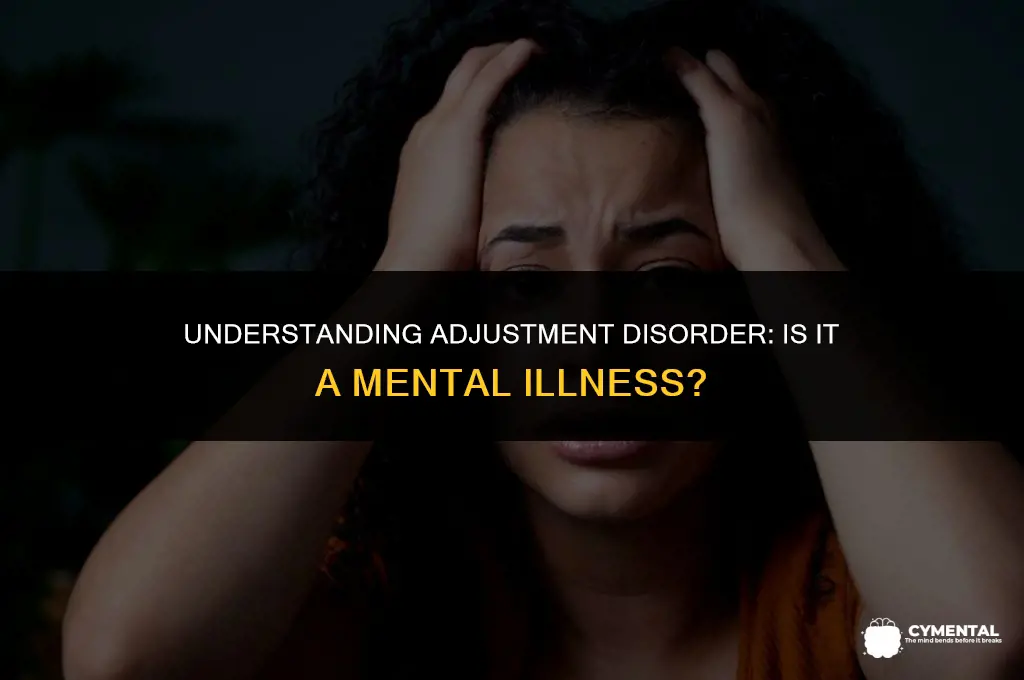
Adjustment disorder is a mental health condition that occurs in response to a significant life change or stressor. It is characterized by emotional and behavioral symptoms that interfere with a person's ability to function in daily life. While it is not uncommon for people to experience stress and anxiety in response to life changes, adjustment disorder is diagnosed when these symptoms are severe and persistent enough to cause significant distress or impairment. This condition can affect anyone, regardless of age, gender, or background, and can arise from a variety of stressors, including relationship problems, work-related issues, health concerns, or financial difficulties. Understanding adjustment disorder is crucial for recognizing its symptoms and seeking appropriate treatment to manage and overcome its challenges.
| Characteristics | Values |
|---|---|
| Definition | Adjustment disorder is a mental health condition characterized by emotional or behavioral symptoms in response to stressful life events or changes. |
| Symptoms | Common symptoms include anxiety, depression, irritability, difficulty sleeping, and physical complaints such as headaches or stomachaches. |
| Causes | Triggered by significant life changes or stressors, such as moving, job loss, divorce, or the death of a loved one. |
| Diagnosis | Diagnosed by a mental health professional through a combination of clinical interviews, psychological assessments, and sometimes medical tests to rule out other conditions. |
| Treatment | Treatment typically involves psychotherapy, such as cognitive-behavioral therapy (CBT), and may include medication to manage symptoms. |
| Prognosis | With appropriate treatment, many individuals with adjustment disorder experience significant improvement in symptoms and functioning. |
| Prevalence | Adjustment disorder is relatively common, with estimates suggesting it affects approximately 5-20% of individuals experiencing significant life stressors. |
| Age of Onset | Can occur at any age, but is more common in adults and adolescents. |
| Gender Distribution | Appears to affect women more frequently than men. |
| Comorbidity | Often co-occurs with other mental health conditions, such as anxiety disorders, depressive disorders, and substance use disorders. |
| Impact on Daily Life | Can significantly impact daily functioning, relationships, and overall quality of life if left untreated. |
| Duration | Symptoms typically last for several months, but can persist for longer if the underlying stressor is not resolved or if treatment is not sought. |
| Risk Factors | History of mental health conditions, lack of social support, and high levels of stress can increase the risk of developing adjustment disorder. |
| Protective Factors | Strong social support networks, healthy coping mechanisms, and resilience can help mitigate the development of adjustment disorder. |
| Cultural Considerations | Cultural factors can influence the expression and experience of adjustment disorder, and it is important to consider these factors in diagnosis and treatment. |
Explore related products


What You'll Learn

Definition and Diagnosis
Adjustment disorder is a mental health condition characterized by emotional or behavioral symptoms that develop in response to a significant life event or change. These symptoms are typically maladaptive and cause significant distress or impairment in social, occupational, or other important areas of functioning. The disorder is often diagnosed when an individual's reaction to a stressor is disproportionate to the severity of the stressor itself.
Diagnosing adjustment disorder involves a thorough evaluation of the individual's symptoms, medical history, and current life circumstances. Mental health professionals use the Diagnostic and Statistical Manual of Mental Disorders (DSM-5) criteria to diagnose adjustment disorder. According to the DSM-5, the disorder is diagnosed when an individual experiences emotional or behavioral symptoms that are a direct response to a specific stressor, and these symptoms cause significant distress or impairment. The symptoms must also not be better explained by another mental health condition or medical disorder.
The process of diagnosing adjustment disorder typically begins with a clinical interview, during which the mental health professional will ask the individual about their symptoms, the stressor they are experiencing, and their overall mental health history. The professional may also use standardized assessment tools, such as questionnaires or rating scales, to gather more information about the individual's symptoms and functioning. In some cases, additional evaluations, such as psychological testing or medical exams, may be necessary to rule out other potential causes of the individual's symptoms.
Once a diagnosis of adjustment disorder is made, the mental health professional will work with the individual to develop an appropriate treatment plan. Treatment for adjustment disorder often involves psychotherapy, medication, or a combination of both. The goal of treatment is to help the individual develop healthy coping mechanisms, reduce their symptoms, and improve their overall functioning.
In conclusion, adjustment disorder is a mental health condition that can develop in response to a significant life event or change. Diagnosing the disorder involves a thorough evaluation of the individual's symptoms, medical history, and current life circumstances. Treatment for adjustment disorder often involves psychotherapy, medication, or a combination of both, with the goal of helping the individual develop healthy coping mechanisms and improve their overall functioning.
Unraveling the Link: Alcohol Consumption and Mental Health Disorders
You may want to see also
Explore related products


Symptoms and Duration
Adjustment disorder presents with a variety of symptoms that can significantly impact an individual's daily functioning. These symptoms typically include feelings of sadness, hopelessness, or anxiety that are more intense or prolonged than what might be expected in response to a specific stressor. Additionally, individuals may experience physical symptoms such as headaches, stomachaches, or sleep disturbances. The duration of these symptoms can vary, but they generally last for several months and may persist if the underlying stressor is not addressed.
One unique aspect of adjustment disorder is that it can manifest in different ways depending on the individual's age and developmental stage. For example, children and adolescents may exhibit more behavioral symptoms, such as acting out or withdrawing from social activities, while adults may experience more emotional symptoms, such as depression or anxiety. Understanding these age-specific presentations is crucial for accurate diagnosis and treatment.
Another important consideration is the impact of adjustment disorder on an individual's ability to function in various domains of life, such as work, school, or relationships. Symptoms can interfere with daily tasks and responsibilities, leading to decreased productivity and strained interpersonal connections. Therefore, it is essential to address not only the emotional and physical symptoms of adjustment disorder but also the functional impairments that may result from the condition.
In terms of duration, adjustment disorder is typically a short-term condition that resolves within a few months once the individual has adapted to the stressor or the stressor has been removed. However, in some cases, symptoms may persist for a longer period, especially if the stressor is ongoing or if the individual has experienced multiple stressors in a short period of time. Chronic stress can lead to a more prolonged course of adjustment disorder, highlighting the importance of early intervention and stress management strategies.
Overall, adjustment disorder is a complex condition that requires a comprehensive understanding of its symptoms and duration to provide effective treatment and support. By recognizing the unique presentations and impacts of adjustment disorder, mental health professionals can better tailor their interventions to meet the specific needs of individuals struggling with this condition.
Exploring the Complex Relationship Between Religion and Mental Health
You may want to see also
Explore related products


Causes and Risk Factors
Adjustment disorder is a mental health condition that can arise in response to significant life changes or stressors. While it is not uncommon for individuals to experience difficulties adapting to new situations, certain factors can increase the likelihood of developing an adjustment disorder.
One of the primary causes of adjustment disorder is stress. This can stem from a variety of sources, including personal relationships, work or school environments, health issues, or financial concerns. When individuals are unable to cope effectively with these stressors, they may develop symptoms of adjustment disorder.
Research has also identified several risk factors that can contribute to the development of adjustment disorder. These include a history of mental health issues, such as anxiety or depression, as well as a lack of social support or coping skills. Additionally, individuals who have experienced traumatic events or have a family history of mental illness may be more susceptible to developing adjustment disorder.
It is important to note that adjustment disorder can affect individuals of all ages, from children to adults. However, certain age groups may be more vulnerable to developing the condition. For example, adolescents and young adults may be at higher risk due to the numerous transitions and challenges they face during this stage of life.
In terms of prevention, there are several strategies that individuals can employ to reduce their risk of developing adjustment disorder. These include practicing stress management techniques, such as meditation or exercise, seeking support from friends and family, and developing healthy coping mechanisms. Additionally, individuals who are experiencing significant life changes or stressors may benefit from seeking professional help, such as therapy or counseling, to navigate these challenges more effectively.
In conclusion, while adjustment disorder can be a debilitating condition, understanding the causes and risk factors can help individuals take proactive steps to manage their mental health and reduce their risk of developing the disorder. By prioritizing self-care, seeking support, and developing effective coping strategies, individuals can better navigate life's challenges and maintain their mental well-being.
Exploring Alzheimer's Disease: Mental Disorder or Neurological Condition?
You may want to see also
Explore related products


Treatment Options
Cognitive-behavioral therapy (CBT) is a common treatment option for adjustment disorder. This type of therapy helps individuals identify and change negative thought patterns and behaviors that may be contributing to their symptoms. CBT typically involves weekly sessions with a therapist, during which patients learn coping strategies and techniques to manage stress and anxiety. In some cases, CBT may be combined with medication to enhance its effectiveness.
Another treatment option for adjustment disorder is medication. Antidepressants, such as selective serotonin reuptake inhibitors (SSRIs), are often prescribed to help alleviate symptoms of depression and anxiety associated with adjustment disorder. Benzodiazepines may also be used to treat anxiety symptoms, but they are typically prescribed for short-term use due to the risk of dependence. It is important for individuals to work closely with their healthcare provider to determine the most appropriate medication and dosage for their specific needs.
In addition to CBT and medication, there are several other treatment options that may be beneficial for individuals with adjustment disorder. These include relaxation techniques, such as deep breathing and progressive muscle relaxation, as well as mindfulness-based therapies, which focus on increasing awareness and acceptance of one's thoughts and feelings. Exercise and physical activity can also be helpful in reducing stress and improving mood.
It is important to note that treatment for adjustment disorder should be tailored to the individual's specific needs and circumstances. In some cases, a combination of therapies may be necessary to achieve optimal results. Additionally, it is crucial for individuals to seek support from friends, family, and community resources in addition to professional treatment. With the right combination of therapies and support, individuals with adjustment disorder can learn to manage their symptoms and improve their overall quality of life.
Understanding Amanda Bynes' Mental Health Journey: A Compassionate Look
You may want to see also
Explore related products
$6.99 $10.99

$45.54 $59.95

$13.99 $13.99


Prognosis and Recovery
Adjustment disorder, while often considered a temporary condition, can have a significant impact on an individual's life. The prognosis for recovery is generally positive, especially when the disorder is treated promptly and effectively. Most people with adjustment disorder experience a full recovery within a few months, although the duration can vary depending on the severity of symptoms and the individual's circumstances.
Treatment typically involves a combination of psychotherapy and medication. Cognitive-behavioral therapy (CBT) is often used to help individuals identify and change negative thought patterns and behaviors. Medications such as antidepressants or anti-anxiety drugs may also be prescribed to alleviate symptoms. In some cases, a short-term hospitalization may be necessary to provide intensive treatment and support.
It's important to note that adjustment disorder can recur, especially if the individual is exposed to new stressors. Therefore, developing coping strategies and stress management techniques is crucial for long-term recovery. Regular follow-up appointments with a mental health professional can also help to monitor progress and prevent relapse.
While adjustment disorder is not typically considered a chronic mental illness, it can have a significant impact on an individual's quality of life. Therefore, it's important to take the condition seriously and seek appropriate treatment. With the right support and interventions, most people with adjustment disorder can make a full recovery and go on to lead healthy, fulfilling lives.
Exploring the Psychology Behind Fabricating False Scenarios
You may want to see also
Frequently asked questions
Yes, adjustment disorder is classified as a mental illness. It is listed in the Diagnostic and Statistical Manual of Mental Disorders (DSM-5) and is characterized by emotional or behavioral symptoms that develop in response to a significant life change or stressor.
The symptoms of adjustment disorder can vary, but they typically include feelings of sadness, hopelessness, anxiety, or nervousness. Behavioral symptoms may include withdrawal from social activities, changes in appetite or sleep patterns, and difficulty concentrating or making decisions.
Adjustment disorder is often treated with a combination of psychotherapy and medication. Cognitive-behavioral therapy (CBT) is a common form of psychotherapy used to help individuals identify and change negative thought patterns and behaviors. Medications such as antidepressants or anti-anxiety drugs may also be prescribed to help manage symptoms.