Noah Parker
Anger issues, characterized by frequent, intense, or uncontrollable outbursts of anger, are often a subject of debate when it comes to classifying them as a mental disability. While anger itself is a normal human emotion, persistent and disruptive anger problems can significantly impair an individual’s daily functioning, relationships, and overall quality of life. From a clinical perspective, anger issues may be symptomatic of underlying mental health conditions such as intermittent explosive disorder, borderline personality disorder, or generalized anxiety disorder, which are recognized in diagnostic frameworks like the DSM-5. However, whether anger issues alone qualify as a mental disability depends on their severity, duration, and impact on an individual’s ability to perform major life activities. In some cases, they may meet the criteria for a disability under laws like the Americans with Disabilities Act (ADA), particularly if they are linked to a diagnosed mental health condition. Understanding this distinction is crucial for accessing appropriate treatment, support, and legal protections.
| Characteristics | Values |
|---|---|
| Definition | Anger issues refer to difficulty controlling or expressing anger in a healthy way. |
| Mental Disability Classification | Not classified as a standalone mental disability in diagnostic manuals (e.g., DSM-5, ICD-11). |
| Related Disorders | Often associated with underlying conditions like Intermittent Explosive Disorder (IED), Borderline Personality Disorder (BPD), or Bipolar Disorder. |
| Symptoms | Frequent outbursts, irritability, aggression, physical violence, or verbal abuse. |
| Impact on Functioning | Can impair relationships, work, and daily life if left untreated. |
| Treatment Options | Therapy (e.g., Cognitive Behavioral Therapy, anger management), medication (for underlying conditions), and lifestyle changes. |
| Recognition in Legal/Workplace | May be considered a disability under ADA (Americans with Disabilities Act) if linked to a recognized mental health condition. |
| Prevalence | Common, but severity varies; IED affects ~2.7% of adults in the U.S. |
| Stigma | Often misunderstood or dismissed, leading to underreporting and untreated cases. |
| Prognosis | Manageable with proper treatment; chronic if untreated or misdiagnosed. |
Explore related products

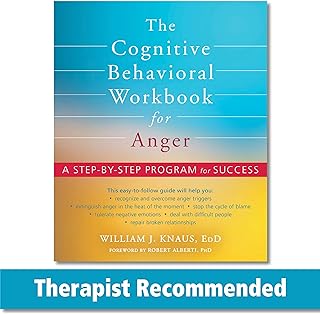


What You'll Learn
- Anger as a Symptom: Can anger issues indicate underlying mental health conditions like depression or anxiety
- Diagnosis Criteria: Are anger issues classified as a standalone mental disability in diagnostic manuals
- Impact on Functioning: How do anger issues affect daily life, relationships, and work performance
- Treatment Options: What therapies or medications are effective for managing anger-related mental health challenges
- Legal Recognition: Is anger considered a disability under laws like the ADA for workplace accommodations

Anger as a Symptom: Can anger issues indicate underlying mental health conditions like depression or anxiety?
Anger, often dismissed as a fleeting emotion, can be a powerful indicator of deeper mental health struggles. While it’s commonly associated with frustration or irritation, persistent or disproportionate anger may signal underlying conditions like depression or anxiety. For instance, individuals with depression sometimes express their emotional pain through irritability or outbursts, a phenomenon known as "anger turned inward." Similarly, those with anxiety may use anger as a defense mechanism to mask feelings of fear or vulnerability. Recognizing anger as a symptom rather than a standalone issue is crucial for addressing the root cause.
Consider the case of a 35-year-old professional who frequently loses patience with colleagues, only to feel overwhelming guilt afterward. This pattern might suggest unresolved anxiety, where anger serves as a coping mechanism to regain a sense of control. In another scenario, a teenager’s explosive reactions to minor inconveniences could be a manifestation of depression, as anger often replaces more complex emotions like sadness or hopelessness. These examples highlight how anger can act as a red flag, pointing to conditions that require targeted intervention.
To determine if anger is symptomatic of a mental health condition, observe its frequency, intensity, and impact on daily life. Anger that disrupts relationships, work, or personal well-being warrants attention. Practical steps include maintaining a journal to track anger triggers and responses, which can reveal patterns linked to stress, anxiety, or low mood. Additionally, seeking a mental health professional for assessment is essential, as they can differentiate between situational anger and anger rooted in conditions like generalized anxiety disorder or major depressive disorder.
Treatment approaches vary but often involve a combination of therapy and, in some cases, medication. Cognitive-behavioral therapy (CBT) is particularly effective, teaching individuals to identify and reframe negative thought patterns that fuel anger. For anxiety-related anger, techniques like mindfulness or progressive muscle relaxation can reduce physiological arousal. For depression, antidepressants such as selective serotonin reuptake inhibitors (SSRIs) may alleviate symptoms, including irritability. Pairing medication with therapy yields the best outcomes, addressing both the emotional and behavioral aspects of anger.
In conclusion, anger is not always a standalone issue but can be a symptom of deeper mental health challenges. By viewing it through this lens, individuals and caregivers can take proactive steps to uncover and treat the underlying conditions. Early recognition and intervention are key to transforming destructive anger into an opportunity for healing and growth.
Understanding Mental Health Struggles: Causes, Triggers, and Early Warning Signs
You may want to see also
Explore related products


Diagnosis Criteria: Are anger issues classified as a standalone mental disability in diagnostic manuals?
Anger issues, while widely recognized as a significant emotional and behavioral challenge, are not classified as a standalone mental disability in major diagnostic manuals such as the *Diagnostic and Statistical Manual of Mental Disorders* (DSM-5) or the *International Classification of Diseases* (ICD-11). Instead, problematic anger is often considered a symptom of underlying mental health conditions or a component of broader diagnostic criteria. For instance, persistent anger may be a feature of disorders like Intermittent Explosive Disorder (IED), Oppositional Defiant Disorder (ODD), or even mood disorders such as depression or bipolar disorder. Understanding this distinction is crucial for accurate diagnosis and effective treatment planning.
To diagnose anger-related issues, clinicians rely on specific criteria outlined in these manuals. Intermittent Explosive Disorder, for example, is characterized by recurrent aggressive outbursts that are disproportionate to the situation and cause significant distress or impairment. The DSM-5 requires that these outbursts occur at least twice weekly over three months or result in property damage or physical assault twice in a year. In contrast, anger in ODD is often expressed through irritability, argumentativeness, and defiance, particularly in children and adolescents. These criteria highlight that anger is not isolated but part of a broader pattern of behavior or emotional dysregulation.
While anger issues are not a standalone diagnosis, they are frequently addressed within therapeutic frameworks. Cognitive Behavioral Therapy (CBT) is a common intervention, focusing on identifying anger triggers, developing coping strategies, and improving emotional regulation. For severe cases, medications such as selective serotonin reuptake inhibitors (SSRIs) or mood stabilizers may be prescribed to manage underlying conditions contributing to anger. Practical tips for individuals include maintaining a consistent sleep schedule, practicing mindfulness or relaxation techniques, and engaging in regular physical activity to reduce stress.
Comparatively, anger issues share similarities with other emotional dysregulations, such as anxiety or impulsivity, which are also not standalone diagnoses but symptoms of broader disorders. This parallels how fever is a symptom of various illnesses rather than a disease itself. Recognizing anger as a symptom rather than a discrete condition shifts the focus from managing anger alone to addressing its root causes, whether they be trauma, stress, or biochemical imbalances. This approach fosters more holistic and effective treatment strategies.
In conclusion, while anger issues are not classified as a standalone mental disability in diagnostic manuals, they are a critical component of several mental health conditions. Clinicians must assess anger within the context of broader diagnostic criteria to ensure accurate identification and treatment. By understanding anger as a symptom rather than an isolated issue, individuals and healthcare providers can develop targeted interventions that address the underlying causes, leading to more sustainable outcomes.
Supporting Your Son's Mental Health: Practical Steps for Parents
You may want to see also
Explore related products


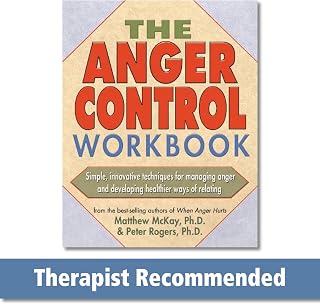


Impact on Functioning: How do anger issues affect daily life, relationships, and work performance?
Anger issues can disrupt daily life in subtle yet profound ways, often turning routine tasks into minefields of frustration. Consider the morning commute: a person with unmanaged anger might react aggressively to a minor delay, escalating from mild irritation to road rage in seconds. This heightened reactivity isn’t just about the moment—it sets a tone of tension for the entire day. Over time, such patterns can lead to avoidance behaviors, like skipping social outings or even essential errands, to preempt potential triggers. The cumulative effect? A shrinking world where once-simple activities become daunting, limiting personal freedom and quality of life.
In relationships, anger issues act like a corrosive agent, eroding trust and intimacy. Imagine a couple discussing household finances: a disagreement over spending habits could spiral into accusations, blame, or even physical outbursts. Partners, friends, or family members may begin to walk on eggshells, suppressing their own needs to avoid conflict. This dynamic fosters resentment and emotional distance, often leading to strained or severed connections. For children exposed to chronic anger, the impact can be particularly damaging, modeling unhealthy conflict resolution and potentially affecting their own emotional development.
At work, anger issues can derail careers despite technical competence. A manager who loses their temper during a team meeting might undermine their authority, alienating colleagues and stifling collaboration. Repeated incidents could lead to disciplinary action, demotion, or even termination. Even in roles that don’t require direct teamwork, anger can impair focus and decision-making. For instance, a software developer might struggle to debug code calmly after a minor setback, prolonging project timelines and increasing stress levels. Over time, this can tarnish professional reputations and limit opportunities for advancement.
Addressing these impacts requires a multi-faceted approach. Cognitive-behavioral therapy (CBT) is a proven method, helping individuals identify anger triggers and develop healthier coping strategies. Techniques like deep breathing exercises or progressive muscle relaxation can provide immediate relief during moments of escalation. For severe cases, medications such as selective serotonin reuptake inhibitors (SSRIs) may be prescribed to manage underlying mood disorders. Practically, setting boundaries—like taking a 10-minute break during heated discussions—can prevent situations from spiraling out of control. The goal isn’t to eliminate anger entirely but to channel it constructively, minimizing its disruptive effects on daily functioning.
Ultimately, recognizing anger issues as a significant barrier to personal and professional well-being is the first step toward change. Left unaddressed, they can isolate individuals, fracture relationships, and stunt career growth. However, with targeted interventions and consistent effort, it’s possible to regain control, rebuild connections, and restore balance to daily life. The key lies in acknowledging the problem, seeking support, and committing to long-term strategies for managing anger effectively.
Proving Mental Stability: A Guide to Demonstrating Sound Mental Health
You may want to see also
Explore related products






Treatment Options: What therapies or medications are effective for managing anger-related mental health challenges?
Anger issues, while not always classified as a standalone mental disability, are often symptoms of underlying conditions such as intermittent explosive disorder, borderline personality disorder, or depression. Effective treatment requires a tailored approach, combining therapies and, in some cases, medications to address both the emotional and physiological aspects of anger. Cognitive Behavioral Therapy (CBT) stands out as a cornerstone treatment, teaching individuals to identify anger triggers, challenge irrational thoughts, and develop healthier coping strategies. For instance, a CBT session might involve role-playing scenarios to practice de-escalation techniques, such as deep breathing or progressive muscle relaxation.
For those with severe or persistent anger issues, medication can be a valuable adjunct to therapy. Antidepressants like selective serotonin reuptake inhibitors (SSRIs), such as fluoxetine (20–60 mg/day), are often prescribed to stabilize mood and reduce irritability. In cases where anger is linked to impulsivity, mood stabilizers like lithium or anticonvulsants such as valproate may be recommended. However, medication should never be the sole treatment; it works best when paired with therapy to address the root causes of anger. It’s also crucial to monitor side effects, as some medications can exacerbate irritability or aggression in certain individuals.
Mindfulness-based interventions, such as Mindfulness-Based Stress Reduction (MBSR), offer another effective treatment option. These programs teach individuals to observe their anger without judgment, fostering greater emotional regulation. For example, a mindfulness exercise might involve focusing on bodily sensations during moments of anger, allowing the individual to interrupt the automatic fight-or-flight response. Research shows that regular mindfulness practice can reduce anger frequency and intensity, particularly in adolescents and adults under high stress.
Group therapy and anger management classes provide structured environments for individuals to learn from peers and practice new skills. These programs often include components like assertiveness training, problem-solving exercises, and relapse prevention strategies. For instance, a group session might focus on teaching participants how to use "I" statements to express frustration without escalating conflict. While these programs are widely accessible, their effectiveness depends on consistent attendance and active participation.
Finally, lifestyle modifications play a critical role in managing anger-related challenges. Regular physical activity, such as aerobic exercise, has been shown to reduce anger by lowering stress hormones like cortisol. Dietary changes, such as reducing caffeine and sugar intake, can also minimize irritability. Establishing a consistent sleep routine is equally important, as sleep deprivation often exacerbates anger. Combining these strategies with professional treatment creates a holistic approach that addresses anger from multiple angles, improving long-term outcomes.
Recognizing Mental Health Struggles: Signs and Symptoms to Watch For
You may want to see also
Explore related products

$12.99




Legal Recognition: Is anger considered a disability under laws like the ADA for workplace accommodations?
Under the Americans with Disabilities Act (ADA), a disability is defined as a physical or mental impairment that substantially limits one or more major life activities. While anger itself is not listed as a disability, the underlying conditions that contribute to anger issues—such as generalized anxiety disorder, depression, or post-traumatic stress disorder (PTSD)—may qualify if they meet the ADA’s criteria. For example, if an employee’s PTSD triggers severe anger episodes that interfere with their ability to concentrate, interact with others, or maintain emotional regulation, this could be considered a disability under the law. The key is demonstrating that the impairment, not the anger alone, substantially limits a major life activity.
To seek workplace accommodations under the ADA, employees must first disclose their qualifying disability to their employer and provide medical documentation. Accommodations might include adjusted work schedules, a modified workspace to reduce stressors, or access to counseling services. However, employers are not required to provide accommodations if they cause undue hardship, such as significant financial burden or disruption to business operations. For instance, an employee with anger issues stemming from bipolar disorder might request a quiet workspace or flexible breaks to manage stress, but an employer may deny a request for a personal assistant to monitor emotional outbursts if it is deemed unreasonable.
A critical distinction in legal recognition is whether the anger is a symptom of a protected disability or a behavioral choice. If an employee’s anger is deemed a result of poor impulse control rather than a mental health condition, it may not qualify for ADA protections. Courts often examine the consistency and severity of the impairment, as well as its impact on job performance. For example, a single outburst due to situational stress is less likely to be protected than recurring episodes tied to a diagnosed disorder like intermittent explosive disorder (IED), which is recognized in the Diagnostic and Statistical Manual of Mental Disorders (DSM-5).
Practical steps for employees include documenting symptoms, seeking a formal diagnosis, and working with healthcare providers to establish a treatment plan. Employers should focus on creating a supportive environment by training managers to recognize signs of mental health struggles and fostering open communication. While anger itself is not a disability, addressing its root causes through legal frameworks like the ADA can lead to more inclusive workplaces. Ultimately, both parties must collaborate to balance employee needs with operational feasibility, ensuring compliance with the law while promoting mental health awareness.
Supporting Your Adult Daughter Through Undiagnosed Mental Health Challenges
You may want to see also
Frequently asked questions
Anger issues themselves are not classified as a mental disability, but they can be a symptom of underlying mental health conditions such as intermittent explosive disorder (IED) or borderline personality disorder (BPD).
Anger issues alone typically do not qualify someone for disability benefits. However, if they are part of a diagnosed mental health condition that significantly impairs daily functioning, benefits may be possible.
Yes, persistent and uncontrollable anger issues can be a sign of an underlying mental health problem, such as depression, anxiety, or trauma-related disorders, and should be evaluated by a professional.
Yes, therapy, such as cognitive-behavioral therapy (CBT) or anger management programs, can be highly effective in addressing anger issues, especially when they are linked to mental health conditions.